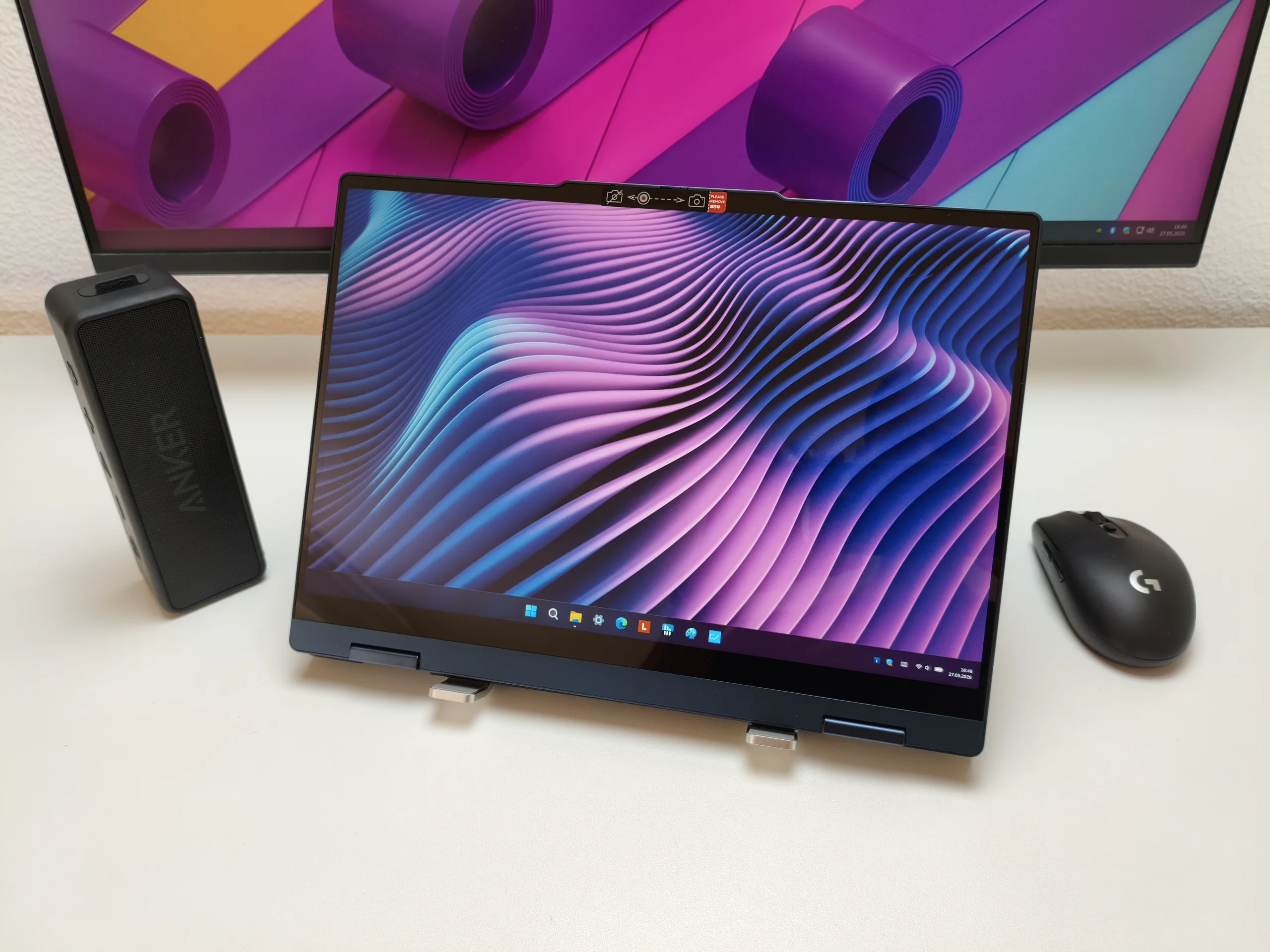
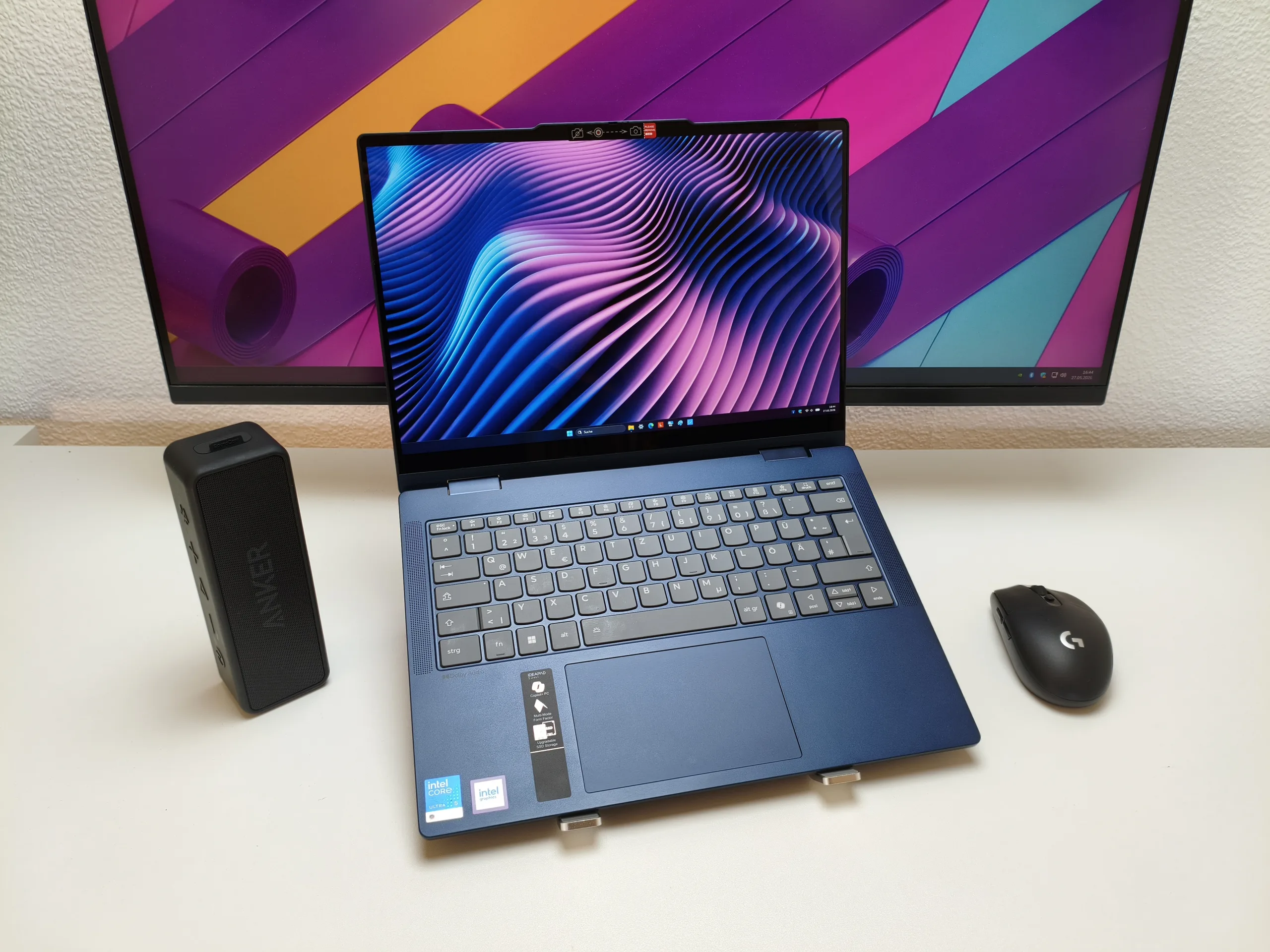
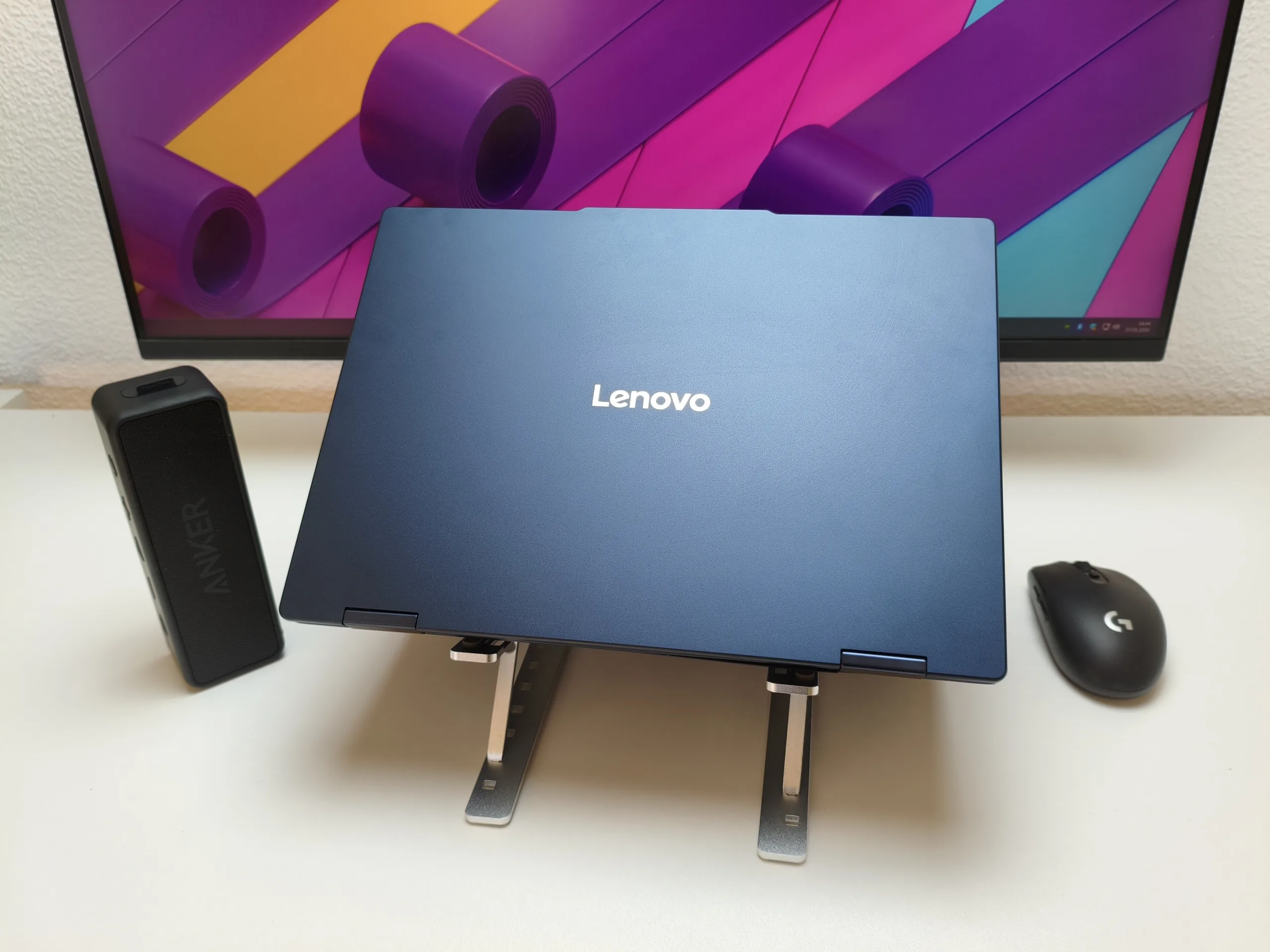
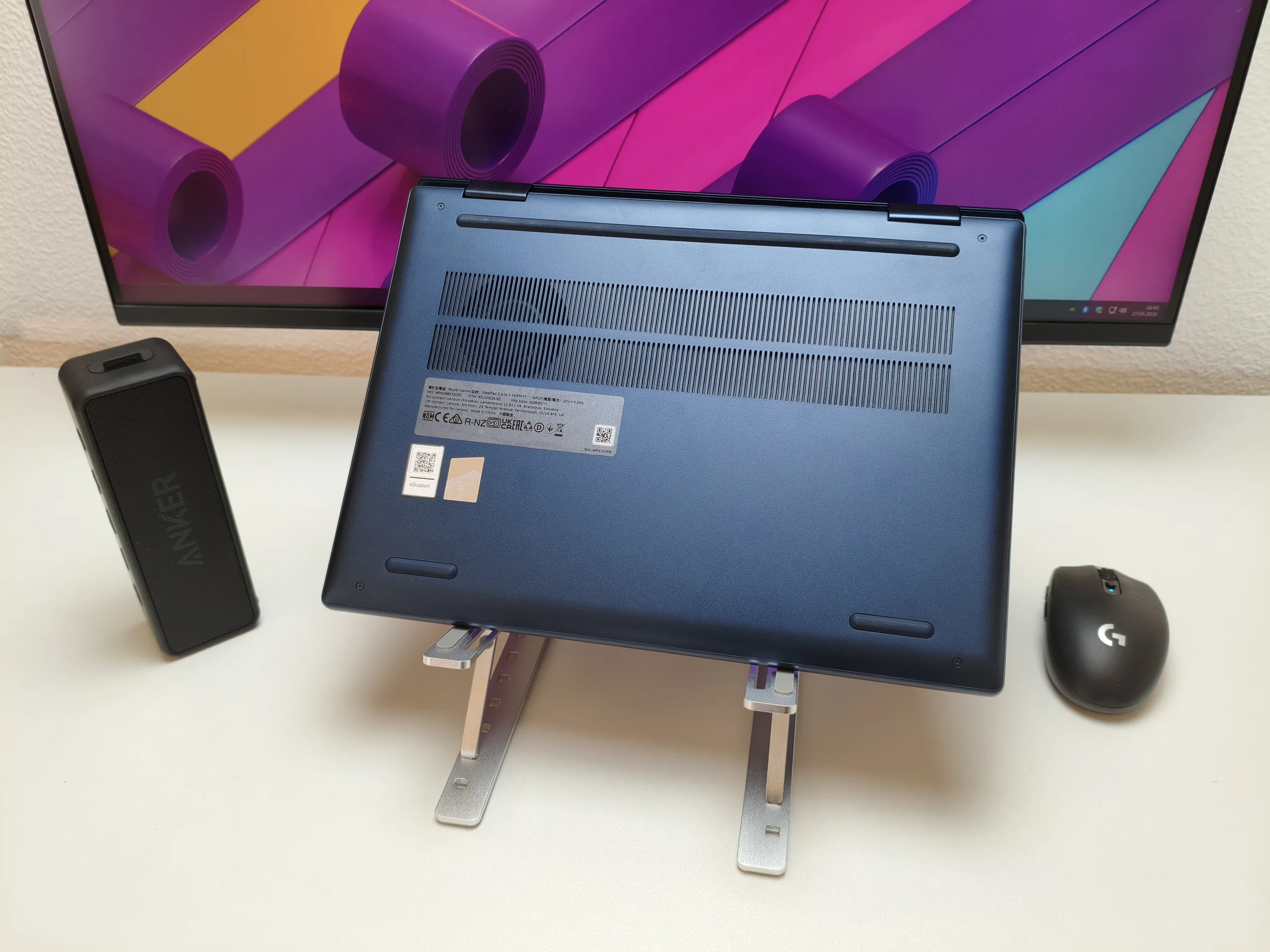
Doesn't get much worse than this in terms of graphics performance: the Graphics 2 Xe3 in the Lenovo IdeaPad 5i 2-in-1 14
While the graphics requirements of modern games continue to increase, the performance of cheaper iGPUs has stagnated for years. The best example of this is Intel's Graphics 2 Xe3, the entry-level model from the brand-new Panther Lake generation.
Using the Lenovo IdeaPad 5i 2-in-1 14, we recently had our first look at the weakest iGPU from the Panther Lake series, specifically the aforementioned Graphics 2 Xe3. The word "slow" is unfortunately quite apt in this case, as we were very disappointed and almost shocked by its performance. The specifications, with only 16 shader units, already bode ill.
While the superior Graphics 4 Xe3, with 32 shader units, at least manages to reach the level of the Radeon 860M, the Graphics 2 Xe3 falls somewhere between the Radeon 840M and Radeon 820M, which are also very sluggish by today's standards.
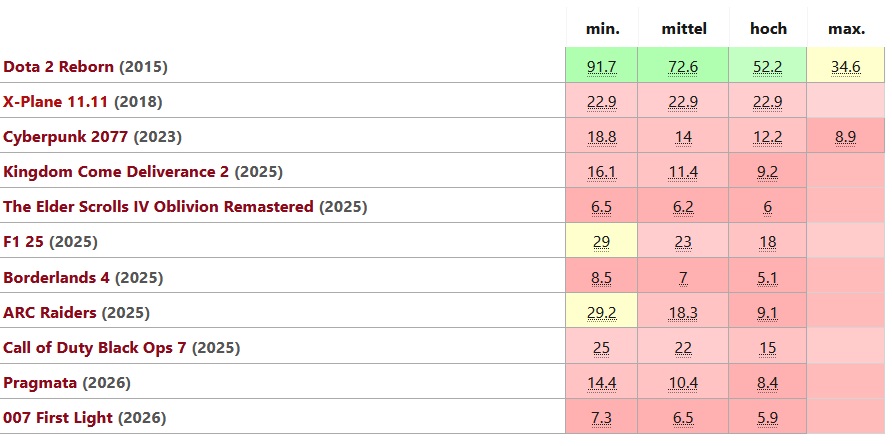
As our gaming tests clearly demonstrated, the iGPU's capabilities are only sufficient for older or undemanding titles like Dota 2. With newer games, the chip is often massively overwhelmed, even when at a resolution of only 1920 x 1080 and minimum detail settings. Therefore, all occasional gamers should steer clear of devices with the Graphics 2 Xe3.
Editor of the original article:Florian Glaser - Managing Editor Gaming Laptops - 736 articles published on Notebookcheck since 2009
I discovered my interest in computers in my childhood, growing up with MS-DOS and Windows 3.1 in the early 1990s. I was especially fascinated with computer games, even from an early age. From Monkey Island through Lands of Lore to Doom, I tried every game I could get my hands on. I have been working for Notebookcheck since 2009 with my focus mostly being on high-performance gaming laptops.
Translator:Jacob Fisher - Tech Writer / Translator - 3188 articles published on Notebookcheck since 2022
I first became acquainted with computers in my early teens after a broken leg from a football (soccer) match temporarily condemned me to a predominately indoor lifestyle. Soon afterwards I was building my own systems. Having studied philosophy and anthropology, I am particularly fascinated by how computer technology has fundamentally and dramatically reshaped human culture, and how it continues to do so.





 Add as a preferred source on Google