




Subaru spends nearly $10,000 to sell each electric SUV in the US
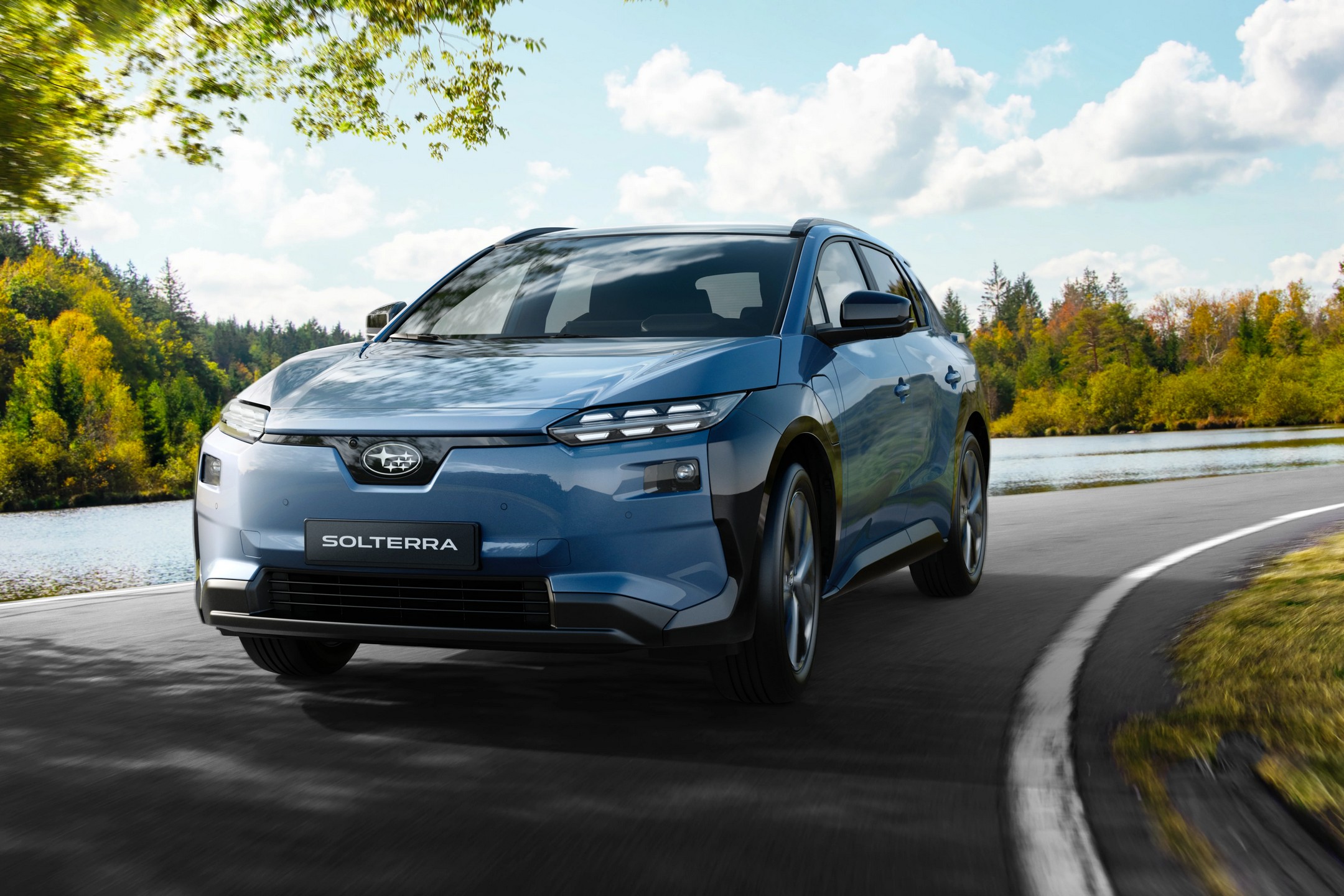
Subaru's push to expand its electric vehicle business in the United States is paying off in terms of sales, but the strategy is proving costly. Heavy incentive spending on the automaker's growing EV lineup significantly eroded profits during the latest quarter, highlighting the financial challenges of competing in the increasingly crowded electric SUV market.
The Japanese automaker currently offers three electric SUVs in the US: the updated Solterra, the recently introduced Uncharted, and the larger Trailseeker. Between January and July, Subaru sold 11,638 electric vehicles in the US. Solterra deliveries fell 34% year over year to 5,275 units, while the Uncharted recorded 2,850 sales and the Trailseeker added another 3,513, bringing Subaru's total US EV sales above last year's level.
However, the sales growth came at a cost. Reporting results for its fiscal first quarter (April–June), Subaru said increased incentive spending reduced operating profit by ¥24.9 billion (approximately $155 million). As a result, quarterly operating profit fell 44% to ¥42.6 billion (about $270 million).
According to Motor Intelligence data cited by Automotive News, Subaru's average marketing and incentive spending per vehicle rose 40% year over year to $2,698, far outpacing the overall US market, where incentives increased by just 4.4%.
Discounts on Subaru's electric SUVs were particularly generous. The company spent an average of $9,650 per Solterra, $9,155 per Uncharted, and $8,982 per Trailseeker sold. By comparison, incentives for the Outback averaged just $3,036 per vehicle.
Subaru's electric SUVs are developed jointly with Toyota and are based on the same e-TNGA platform. Toyota sells its own versions in the US under the bZ, C-HR, and bZ Woodland names.
While the Solterra has struggled to maintain sales momentum, Toyota's bZ has become one of the best-selling electric vehicles in the US. During the first half of the year, it ranked as the country's fourth best-selling EV, with sales surging 90% year over year. Unlike Subaru, Toyota reduced its average incentive spending on the bZ by 7.6% to $8,588 per vehicle, suggesting a more sustainable sales strategy.
Source(s)
Motor Intelligence via Automotive News
 Add as a preferred source on Google


