




Space Forge launches first-ever semiconductor factory in space, potentially paving the way for more energy-efficient chips for electronics and EVs
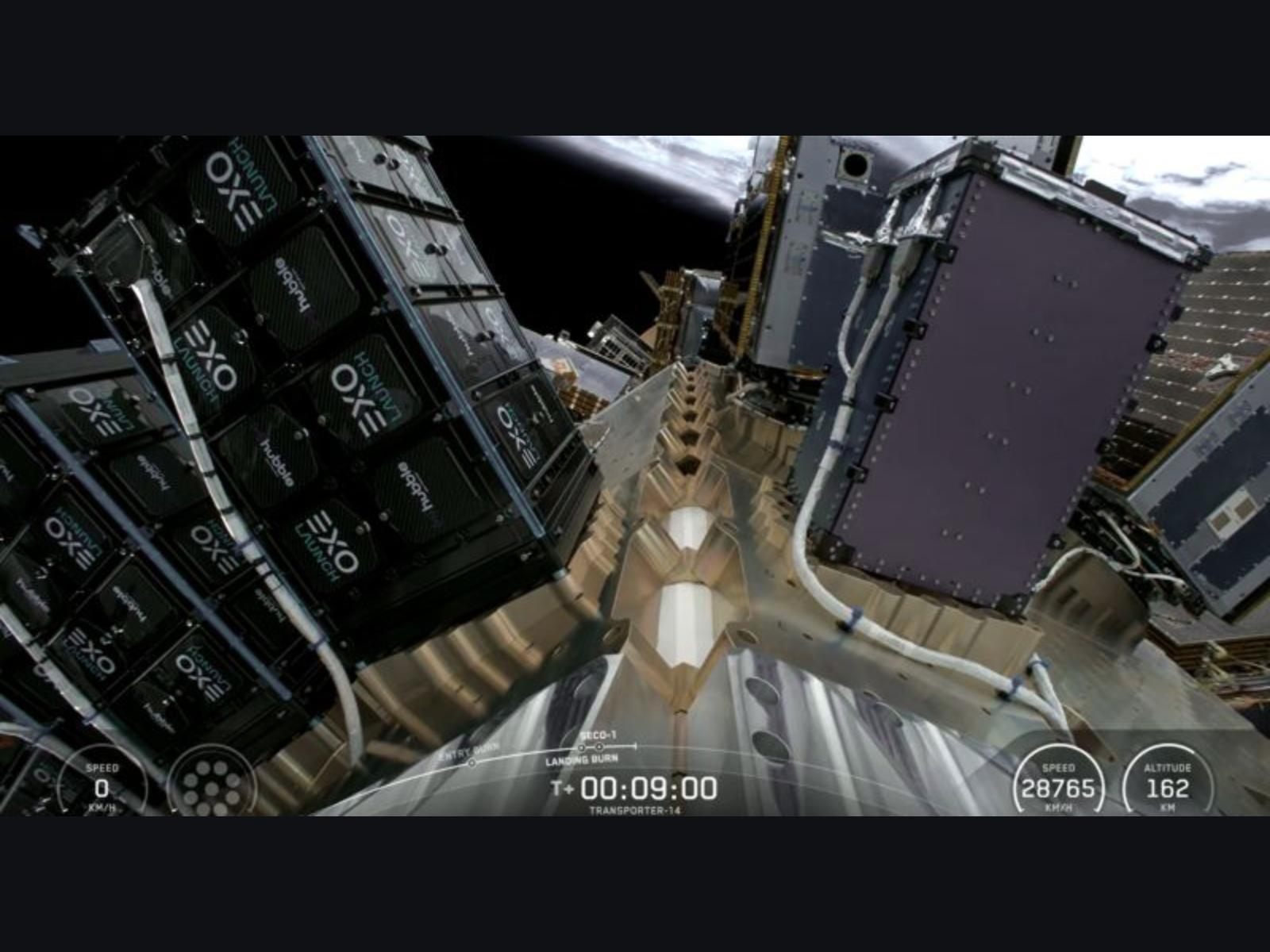
UK-based in-orbit manufacturing start-up Space Forge has reported successful generation of plasma in Low Earth Orbit (LEO) aboard the ForgeStar-1 satellite. According to the company, the miniature manufacturing furnace generated microwave-induced plasma at a temperature of up to 1000 °C (1832 °F).
While the satellite itself launched in June 2025 as part of SpaceX's Transporter-14 rideshare mission, the plasma test was completed in December 2025. ForgeStar-1, which is roughly the size of a microwave oven, was controlled remotely from Space Forge’s operations center in Cardiff, Wales.
The successful test confirms that the satellite can create and sustain the extreme thermal conditions required for gas-phase crystal growth, a process that supports the production of advanced semiconductor materials such as gallium nitride (GaN), silicon carbide (SiC), and potentially diamond based substrates.
As per the press release, Space Forge CEO and co-founder Joshua Western said that generating plasma in orbit demonstrates that the conditions required for advanced crystal growth can be achieved aboard a dedicated commercial satellite.

The company claims that materials manufactured in microgravity could offer up to 60% better energy efficiency, which would be particularly relevant for power electronics, AI accelerators, electric vehicles, and future mobile and networking hardware. Although such performance claims have yet to be independently verified.
ForgeStar-1 is not designed to return to Earth and is expected to deorbit in a controlled manner in 2026 after completing further experiments related to plasma behavior and re-entry systems. Data from the mission will be used to develop the ForgeStar-2, a follow-on satellite that Space Forge plans to equip with its Pridwen heat shield to enable the return of manufactured materials.
While large-scale production in orbit is still several years away, the plasma test serves as a practical proof of concept. In the long term, such systems could complement terrestrial semiconductor manufacturing by supplying high-quality seed crystals or niche materials that are difficult to produce under Earth’s gravity.
NotebookCheck previously reported on Space Forge’s funding round in May 2025, which highlighted the company’s ambitions in microgravity-based advanced materials manufacturing. The company raised £22.6 million (around $30 million) in Series A funding to support the ForgeStar-1 and the development of its next satellite, the ForgeStar-2.
Source(s)
 Add as a preferred source on Google


