


Sony may have secured a major AMD RDNA 5 advantage for its upcoming PlayStation handheld
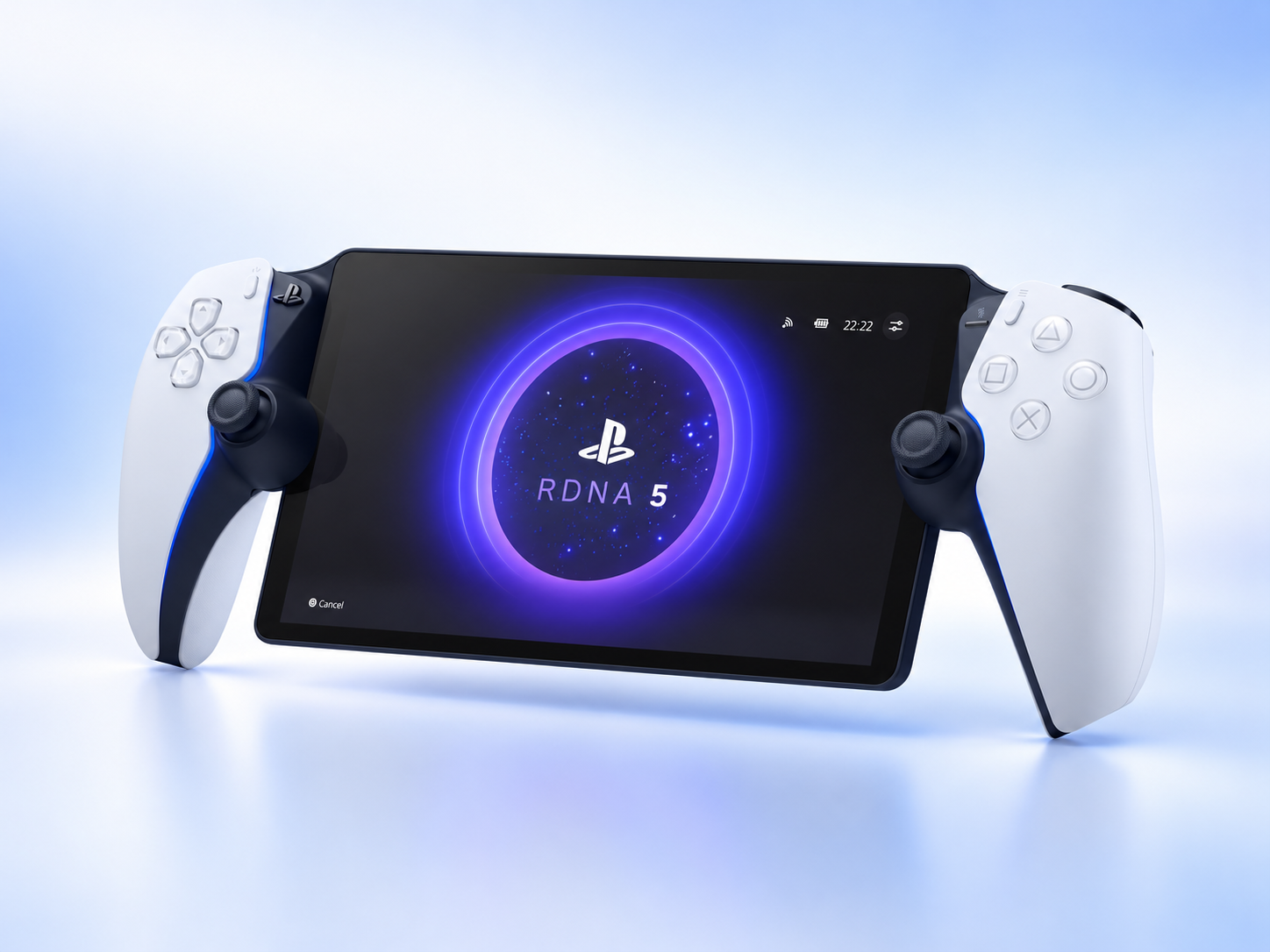
Sony’s rumoured PlayStation 6 handheld could have a significant advantage over competing gaming handhelds, at least as far as graphics hardware is concerned. New information suggests the company could be the only manufacturer to offer a dedicated handheld SoC based on AMD’s upcoming RDNA 5 architecture.
The information comes from Digital Foundry’s Richard Leadbetter, who reportedly discussed the matter during a recent Patreon-exclusive episode of Digital Foundry Direct. According to Leadbetter, behind-the-scenes discussions suggest Sony has an “exclusive of sorts” on RDNA 5 for its upcoming handheld console.
However, this apparently isn’t the result of a conventional exclusivity agreement between Sony and AMD. Instead, AMD is reportedly becoming increasingly selective about developing semi-custom chips for handheld devices, requiring customers to commit to sufficiently large production volumes before allocating engineering resources. TSMC wafers are expensive, after all.
That explanation is consistent with an earlier claim from Kepler_L2, who suggested AMD wanted a commitment of at least 10 million chips before developing a dedicated SoC for Microsoft’s proposed Xbox handheld. Microsoft reportedly considered that too risky, although Windows Central’s Jez Corden subsequently disputed the account.
If true, Sony could effectively enjoy a head start with RDNA 5 in the handheld segment. Other manufacturers, including Asus, Lenovo and Valve, might have to continue using existing AMD architectures or wait for standard, commercially available RDNA 5 APUs. Looking at the current state of AMD hardware, they might still be stuck with RDNA 3.5, given that RDNA 4 mobile never materialised in the x86 market.
Interestingly, Sony’s upcoming handheld, reportedly codenamed Canis, has already been linked to an RDNA 5-based GPU. Previous rumours point to 16 compute units alongside a combination of Zen 6c and low-power Zen 6 CPU cores. The device is expected to run games natively, unlike the streaming-focused PlayStation Portal.
Source(s)
 Add as a preferred source on Google


