




Playdate's Panic shows it's better than Nintendo by refunding tariff fees to customers
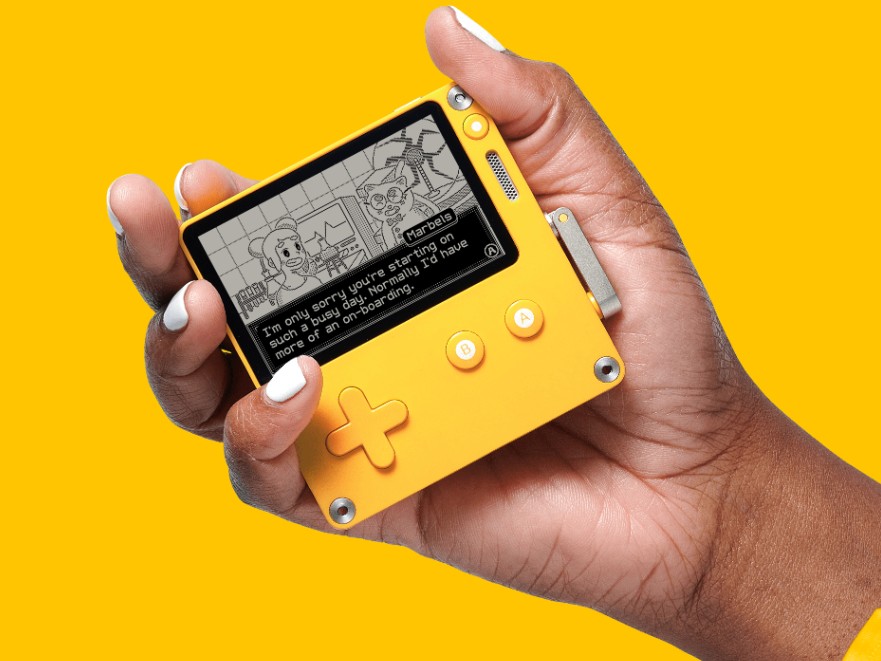
Following a court ruling that said the 19% tariff the Trump administration imposed on imported goods was illegal, the US government begun issuing refunds to businesses a few months ago. While some businesses, such as Nintendo have refused to refund customers who purchased affected products during the period the tariff surcharge was in effect, smaller companies like Panic, have set the pace by issuing a refund.
The news comes from Game Developer, which says that Panic, the company behind the little yellow handheld called the Playdate, has begun issuing refunds to customers who purchased its product during the period. According to a help page put up by Panic, the company first tried to absorb the tariff for a while, but could no longer do so considering it is a small company. Thus, it had to pass it on to its customers and the surcharge was clearly labelled as a line item at checkout.
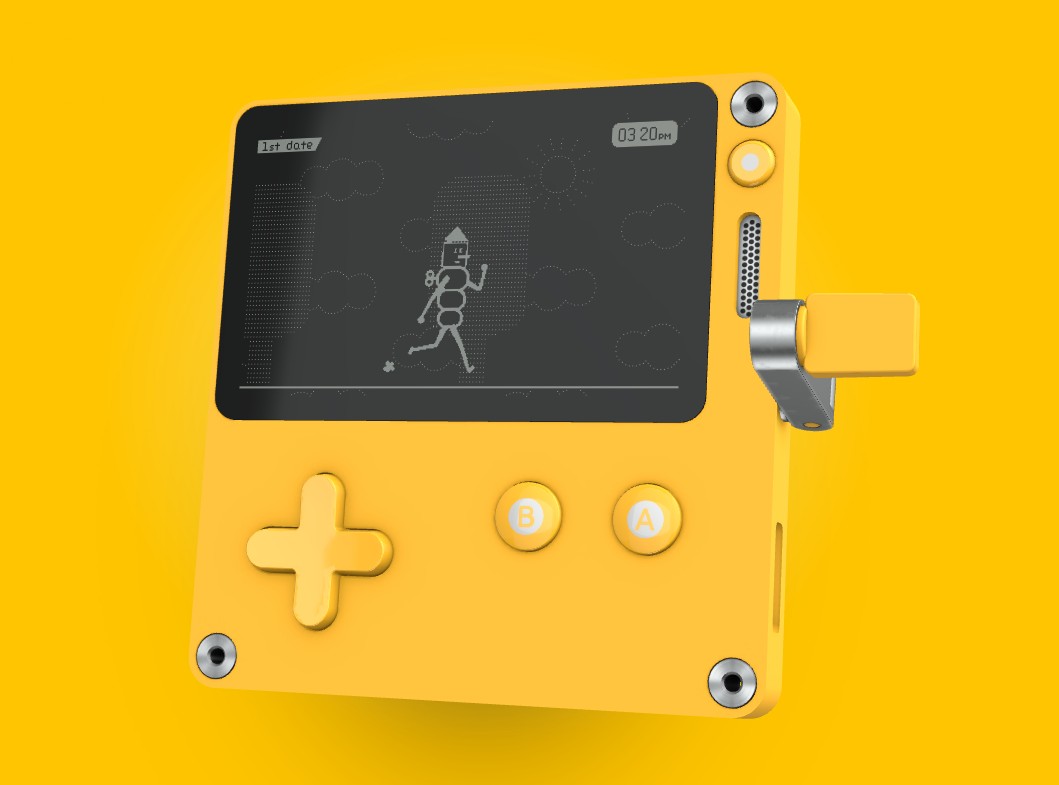
After the court ruling in February, Panic announced in April 2026 that it was no longer charging the tariffs on new orders. And when it was time to apply for a refund from the government, it did so, despite the lot of paperwork involved. Then on August 25, it announced that it has begun to receive the refunds it paid in tariffs and has refunded all tariffs charged to customers.
Panic's co-founder, Cabel Sasser is said to have stated in an email sent to Game Developer that “It's just not our money to keep, and it felt really good to give it back...” Nintendo, on the other hand, which received $300 million in refunds, is reported to have said that consumers are “not entitled to a rebate simply because of intervening legal developments related to tariffs” and that they (consumers) “received exactly what they bargained and paid for.”
A class action lawsuit has been filed against Nintendo, but the Japanese game giant has requested that it be dismissed. It claims that it absorbed some of the tariff costs, and that the price of its products were also affected by other factors such as the increased cost in the price of memory.
It also claims that it didn't increase the price of the products based on the tariffs, but “imposed modest and selective price adjustments....” Nintendo has also stated that customers weren't forced to pay for its products and they could have simply abstained from doing so.
 Add as a preferred source on Google


