




Milestone in electrification: EVs charge on highways for the first time – while in motion
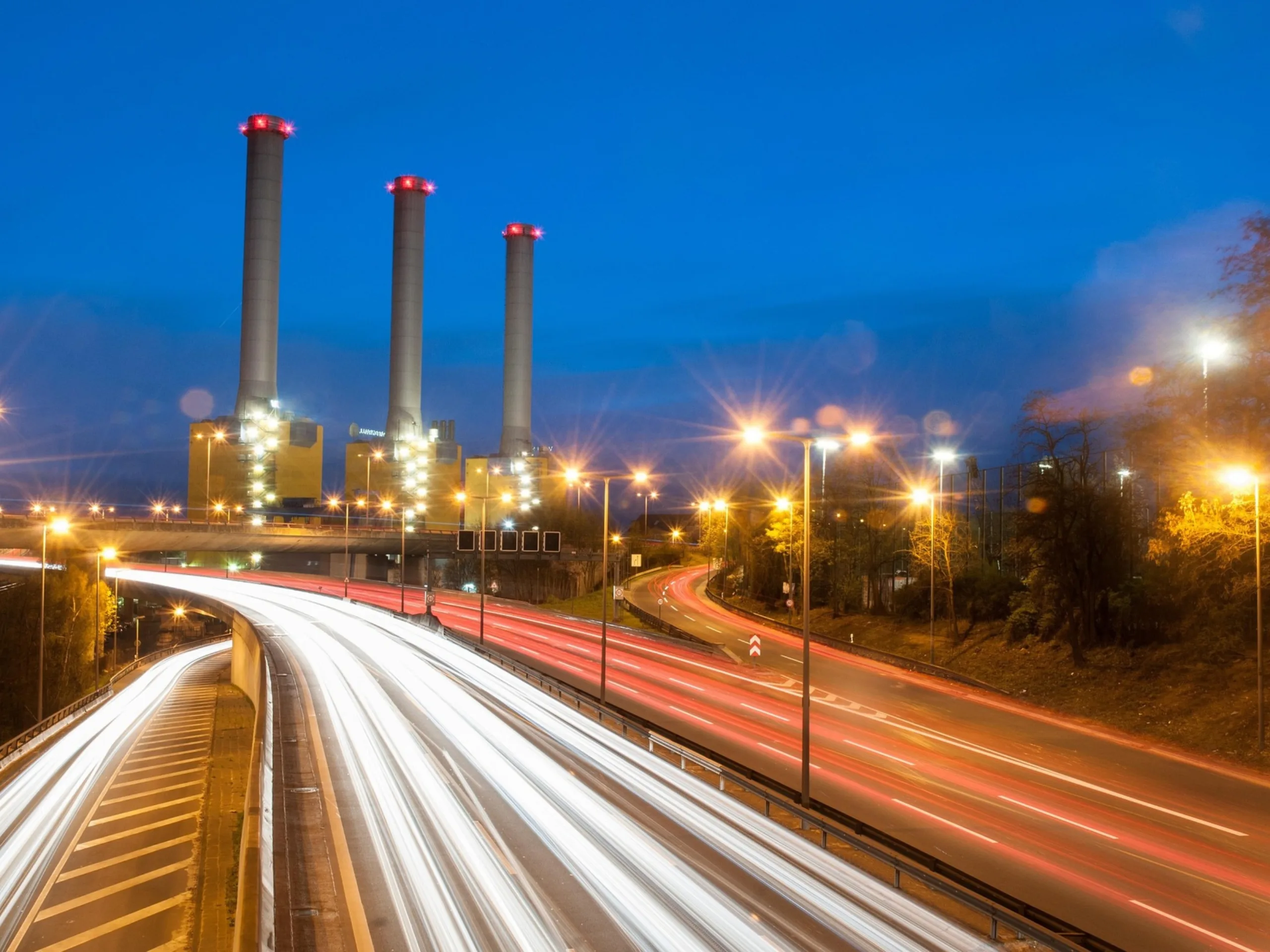
For the first time, a public section of the A10 southwest of Paris has been equipped with a dynamic inductive charging system that powers electric vehicles while in motion. The pilot project, called “Charge as you drive,” marks a major milestone on the road toward widespread electrification.
On a 1.5-kilometer (0.9-mile) test section of the A10, project partners VINCI Autoroutes, Electreon, VINCI Construction, Gustave Eiffel University and Hutchinson have installed a system that delivers up to 300 kilowatts of power to moving vehicles. Induction coils embedded in the asphalt generate a magnetic field, which is converted into electricity by receiver coils inside the vehicles. This allows compatible cars, buses and trucks to charge wirelessly while in motion, without needing to stop at a charging station.
According to Electreon, early measurements show an average charging power of over 200 kilowatts – comparable to modern fast-charging stations. Four prototype vehicles are currently in operation, including a heavy truck, a van, a car and a bus, with testing carried out under real traffic conditions. The system has already passed key technical evaluations: material tests at the Road Research Center in Mérignac and a 25-year durability simulation at Gustave Eiffel University’s LAMES lab confirmed the technology’s long-term resilience. Following these successful trials, the system has been approved for use on public roads.
Affordable EVs, lower CO₂ emissions
If the “Charge as you drive” technology is rolled out on a larger scale, electric vehicles could be equipped with smaller batteries in the future. This would not only make EVs more affordable, but also reduce CO₂ emissions associated with battery production and disposal. At the same time, the broader adoption of electric vehicles could accelerate, helping to meet climate targets – especially in France, where road traffic accounts for around 95% of transport-related emissions.
Cost and compatibility
It’s still unclear how drivers will be billed for electricity from wireless highway charging. According to Electreon, a “charging-as-a-service” model is being considered, in which users would pay either per use or through monthly subscriptions. A control unit embedded in the road automatically identifies authorized vehicles and activates power transfer only when needed. Specific pricing and tariff details are expected to be announced as the project progresses.
In theory, any electric vehicle can charge while in motion, as long as it has a compatible receiver coil installed beneath the chassis. However, the technology is not yet available to the general market. It requires either retrofitting existing vehicles or integrating the system directly into new models during production.
Source(s)
Image source: cozmicphotos/Pixabay
 Add as a preferred source on Google


