




LG TVs are getting a Microsoft Copilot app nobody asked for
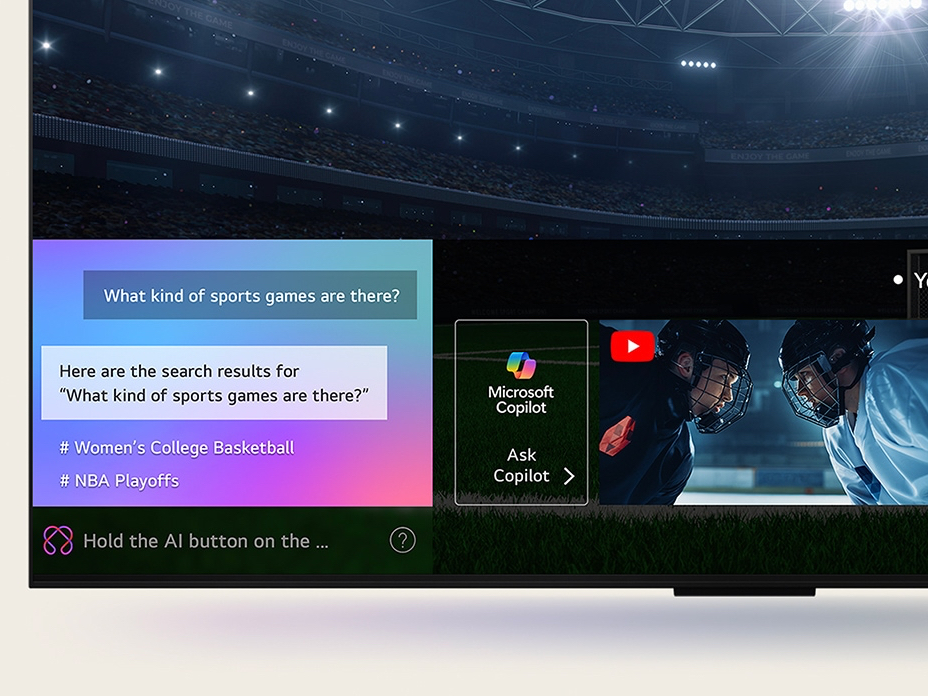
There has been a huge push to integrate AI into everything in the last few years, with tech giants scrambling to embed AI-powered features into products that once worked just fine without them. Search engines are all about AI summaries, smartphones are sold with customary vague promises of on-device intelligence, and Microsoft has gone so far as to introduce a new generation of PCs with a dedicated AI key. And just when you thought your living room was safe from the generative AI hype cycle, LG starts adding Microsoft’s Copilot AI to its smart TVs.
A new LG WebOS update adds a Copilot app users can’t delete
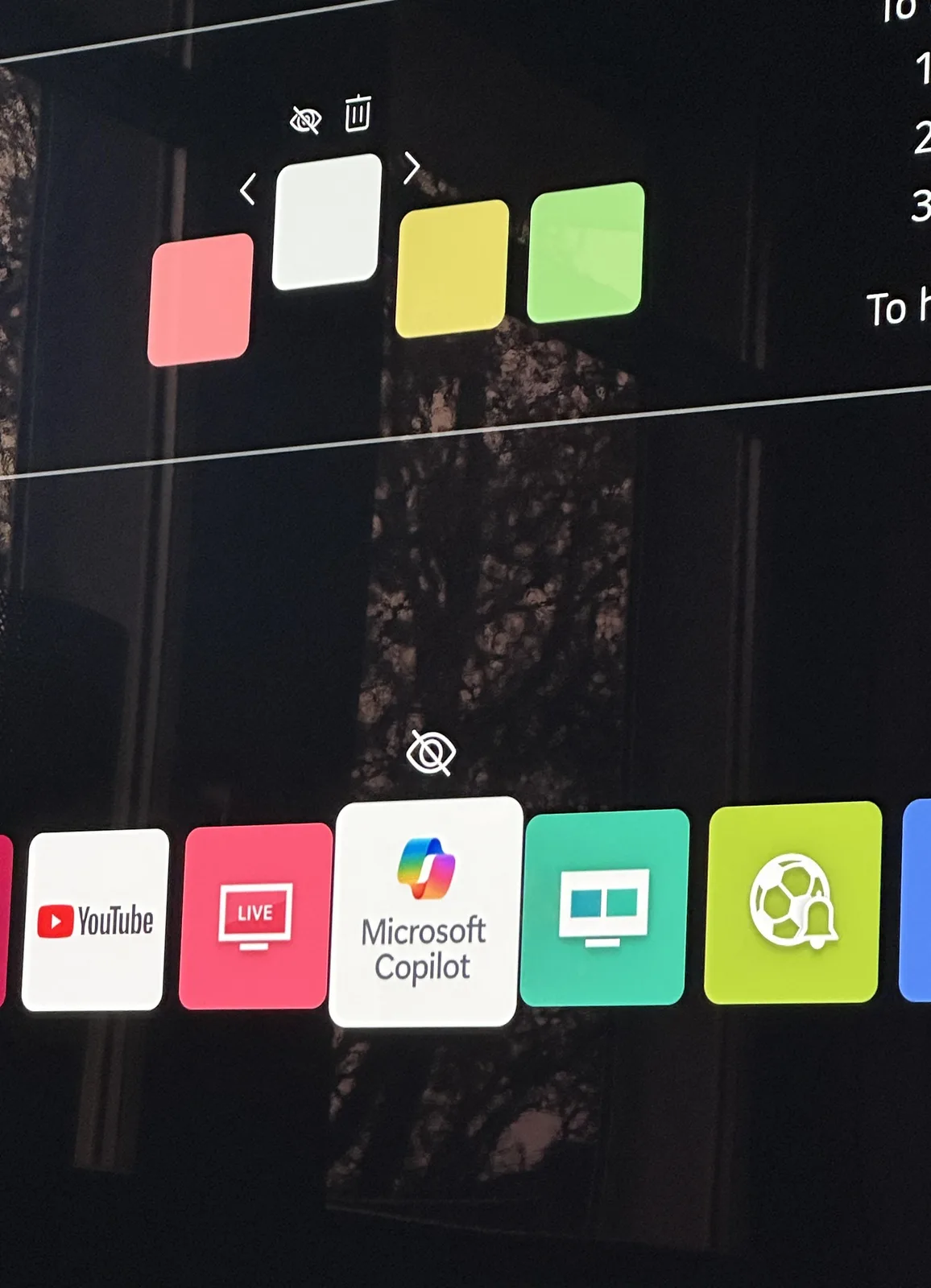
As confirmed by multiple LG TV owners, a recent WebOS update adds a Microsoft Copilot app to the homescreen, and like other system apps that come preinstalled, it can’t be completely removed or uninstalled—you can only hide it. The frustration among LG TV owners was palpable on Reddit, with a post on r/mildlyinfuriating garnering over 35,000 upvotes and thousands of comments criticizing LG for putting a yet another unwanted app in what is an already crowded smart TV interface.
The move isn’t completely unexpected. LG confirmed at CES 2025 in January that Microsoft Copilot integration was coming, but stopped short of explaining how it would work or benefit users beyond a vague promise of helping owners “efficiently find and organize complex information using contextual cues.”
LG isn’t the first TV manufacturer to embrace Copilot, either; Samsung has already rolled out Microsoft’s AI assistant across its 2025 TVs, including its Micro RGB, OLED, The Frame Pro, and The Frame lineup, as well as the M7, M8, and M9 monitors.
In its current form, the Copilot app doesn’t do much on LG TVs beyond directing users to the web version of the Copilot service. The promise of a deeper, system-level integration that would provide context-based recommendations and cues remains unfulfilled, not that users were clamoring for it in the first place. And there’s a good chance the latter will remain that way.
LG already offers a suite of its own AI services and features, including an AI chatbot, AI Voice ID, and AI Concierge, and seemingly has little incentive to prioritize a competitor’s AI service over its own proprietary ecosystem. That, in turn, also raises the question as to why this integration happened in the first place, other than to drive growth metrics for Microsoft through some non-public agreements.
 Add as a preferred source on Google


