




Update | Keebmon: Kickstarter smash hits $804,024 with Ryzen AI-powered keyboard PC
February 24, 2026, 07:39 AM GMT update:
Reader discussion around Keebmon has increasingly shifted from headline specs to verification. Several commenters and messages argue that the key open question is whether the folding unit demonstrated publicly is truly a self-contained Windows PC in the chassis, or primarily a screen-and-keyboard dock relying on an off-camera host. They say the campaign’s ambitious positioning—high-end mobile-class hardware in a thin folding form factor—makes clear, repeatable proof especially important.
Backers have also raised practical concerns about post-pledge add-ons and refund expectations, with at least one backer describing frustration over pricing that appeared unusually low for optional eGPU bundles and uncertainty around refund terms once payments were processed via a pledge manager. Separately, some readers have questioned aspects of the physical design shown so far (hinges, clearance, and durability), and others have pointed out basic usability questions like the absence of a trackpad if the goal is to replace a laptop-style workflow.
Original article continues as follows:
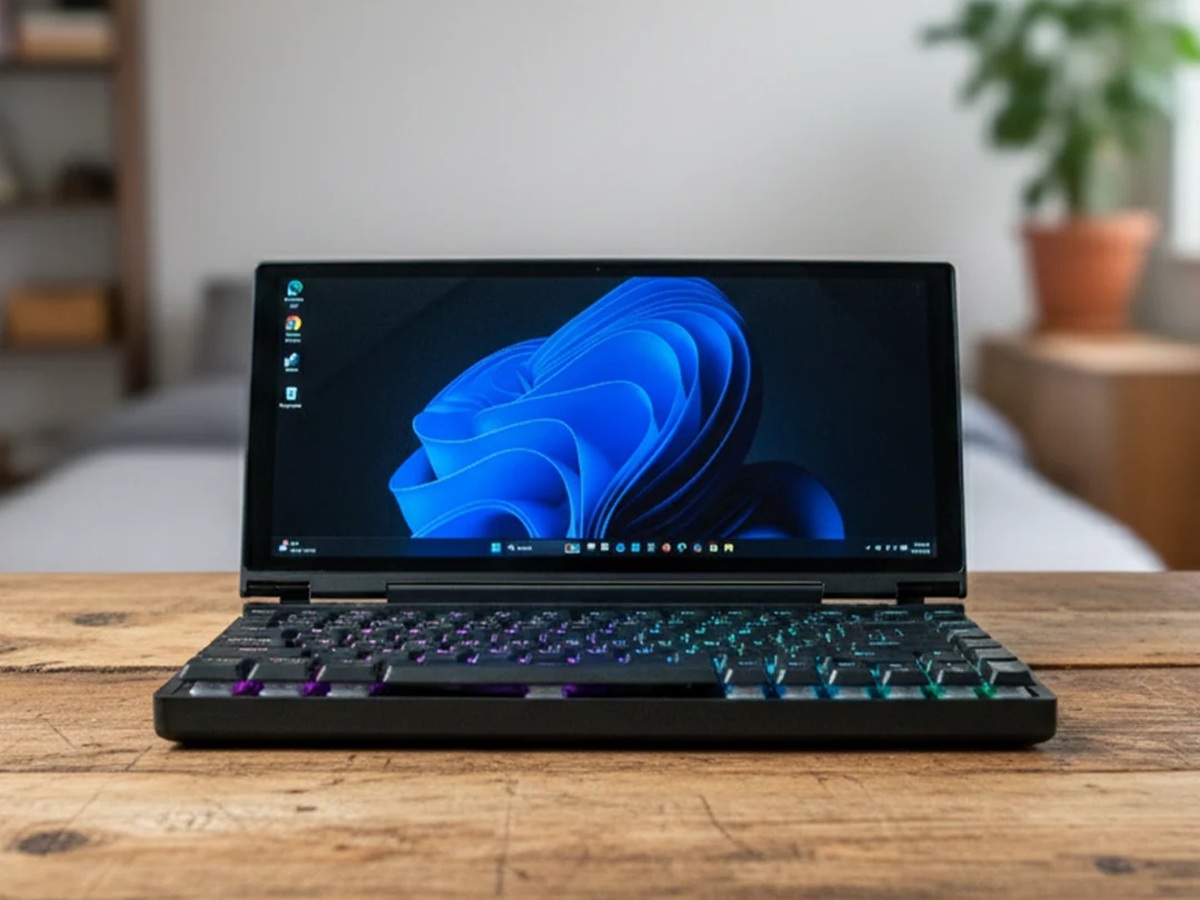
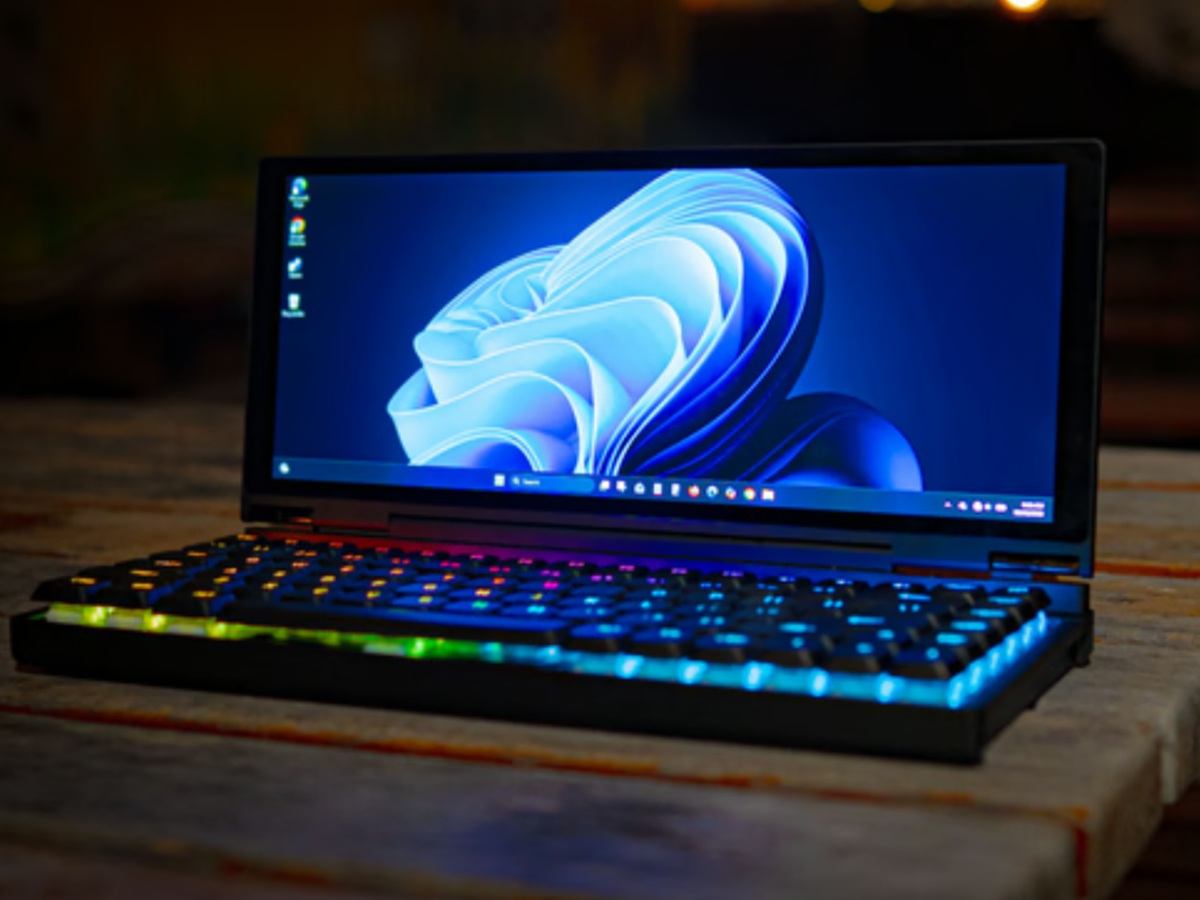
Keebmon is a crowdfunded, portable “all-in-one” that’s trying to merge three things you’d normally pack separately: a compact PC, a mechanical keyboard, and a touchscreen display. Instead of a traditional laptop clamshell, the idea is closer to a folding workstation you can carry like a keyboard, open up, and start using right away.
Core hardware (as listed on Kickstarter)
Here’s what the campaign lists for the “Keebmon HX 370 AI” configuration:
- Processor: AMD Ryzen AI 9 HX 370 (Strix Point)
- Display: 13-inch ultrawide touchscreen (21:9)
- Graphics: Integrated Radeon graphics (via the Ryzen AI 9 HX 370), with OCuLink listed for high-bandwidth external expansion.
- Memory: Up to 64GB DDR5 (user-upgradable)
- Storage: M.2 SSD (standard configuration lists 2TB PCIe 4.0 NVMe; campaign also says it supports up to 8TB)
- Keyboard: 84-key RGB low-profile mechanical (hot-swappable)
- Chassis: CNC-machined aluminum alloy
Expansion and connectivity
A big part of the pitch is that Keebmon can double as a peripheral hub when you’re at a desk. The campaign highlights:
- OCuLink: PCIe 4.0 x4 port intended for high-bandwidth add-ons (including external GPUs)
- USB-C: Two ports rated at 40Gbps (USB4)
- USB-A: Two 10Gbps ports
- Video out: One HDMI 2.1 port
- Other: Wi-Fi 7, Bluetooth 5.4, and a UHS-II SD card slot
What should the backers keep in mind?
Even with a solid spec list, a few real-world questions matter for a device like this:
- Thermals: The Ryzen AI 9 HX 370 is a high-performance chip. How well the slim aluminum body handles sustained load, and whether performance drops under heat, will be a key part of the experience.
- Battery life: The campaign mentions internal battery support, but endurance can vary widely depending on workload, brightness, and how the system is tuned.
- Production stage: The project has moved from fundraising into the next phase, turning the concept into a shipping product, where timelines and final specs can still shift.
- As usual with projects like this, there is always a chance that some or all customers will never receive the product they ordered, or will receive it after a big delay.
 Add as a preferred source on Google


