OpenClaw Hype? Emergency power supply for Mac Mini launches on Kickstarter
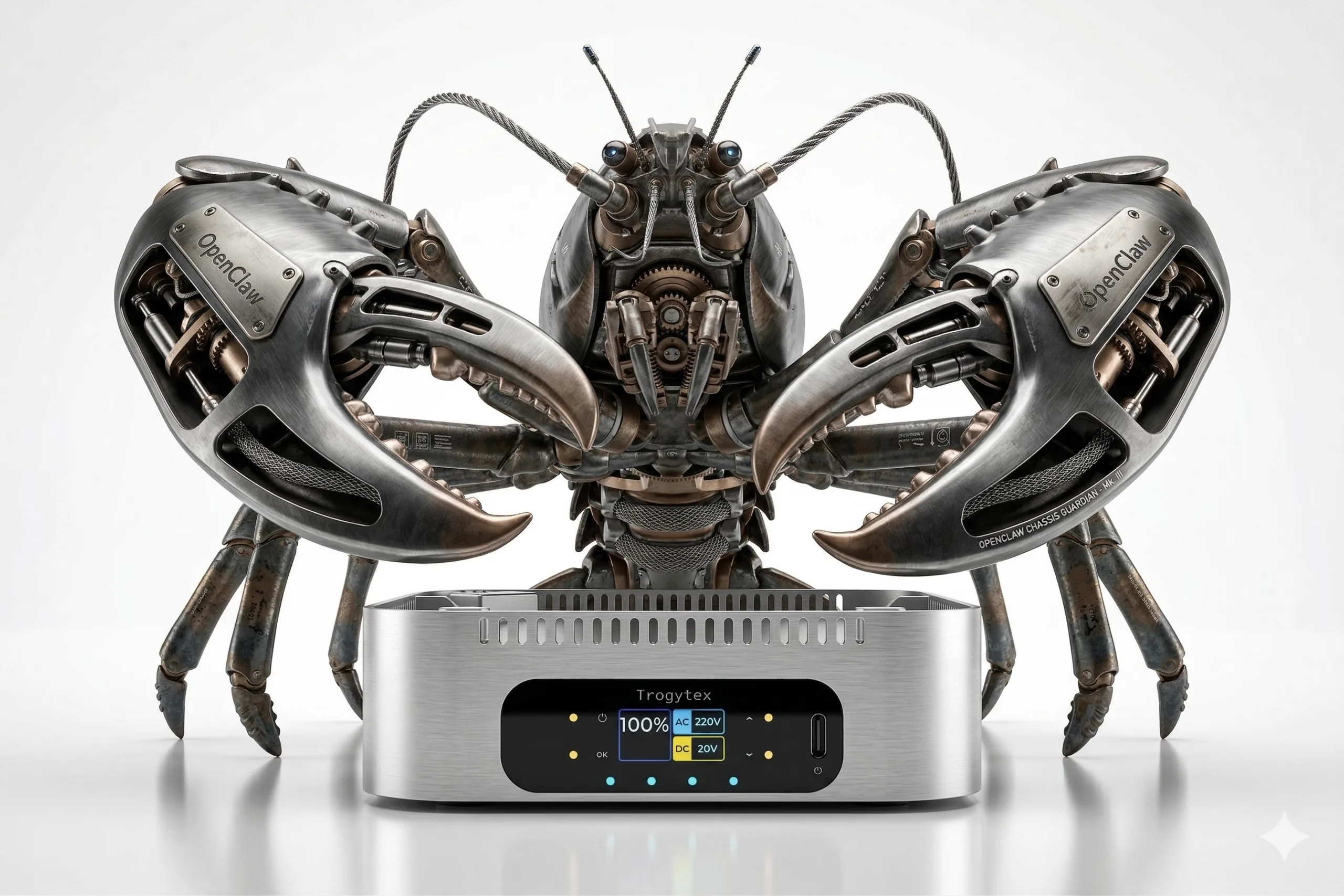
Is the development of the new backup power supply for Apple's Mac Mini M4, for which a crowdfunding campaign was recently launched on Kickstarter, due to the hype surrounding AI agent OpenClaw? We'll probably never know. One thing is certain: OpenClaw isn’t mentioned on the product page, but thanks to the assistant, demand for Apple’s Mac Mini and related accessories has likely increased significantly. After all, many users rely on the Apple device to run the assistant locally.
Startup TrugyTex is promoting the classic functions of an uninterruptible power supply (UPS) with its PwrMini P1. In the event of a power outage, unsaved work should not be lost, and the computer can continue to be used. The device is designed to be a perfect fit for the Mac Mini, both technically and aesthetically. Unlike conventional UPS systems, which are usually hidden under the desk, this device closely follows Apple's design language, allowing the computer and the backup power supply to be stacked directly on top of each other.
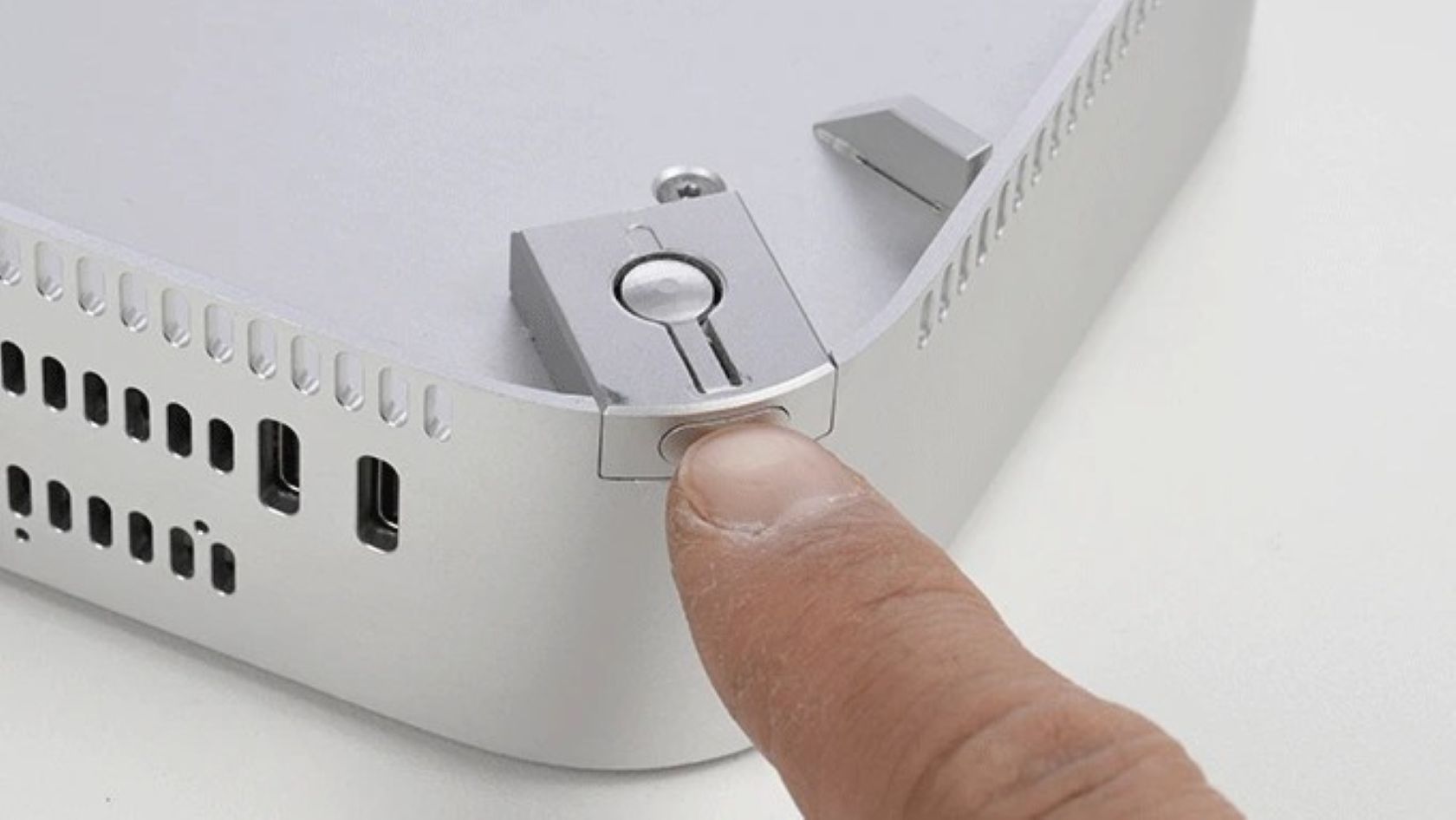
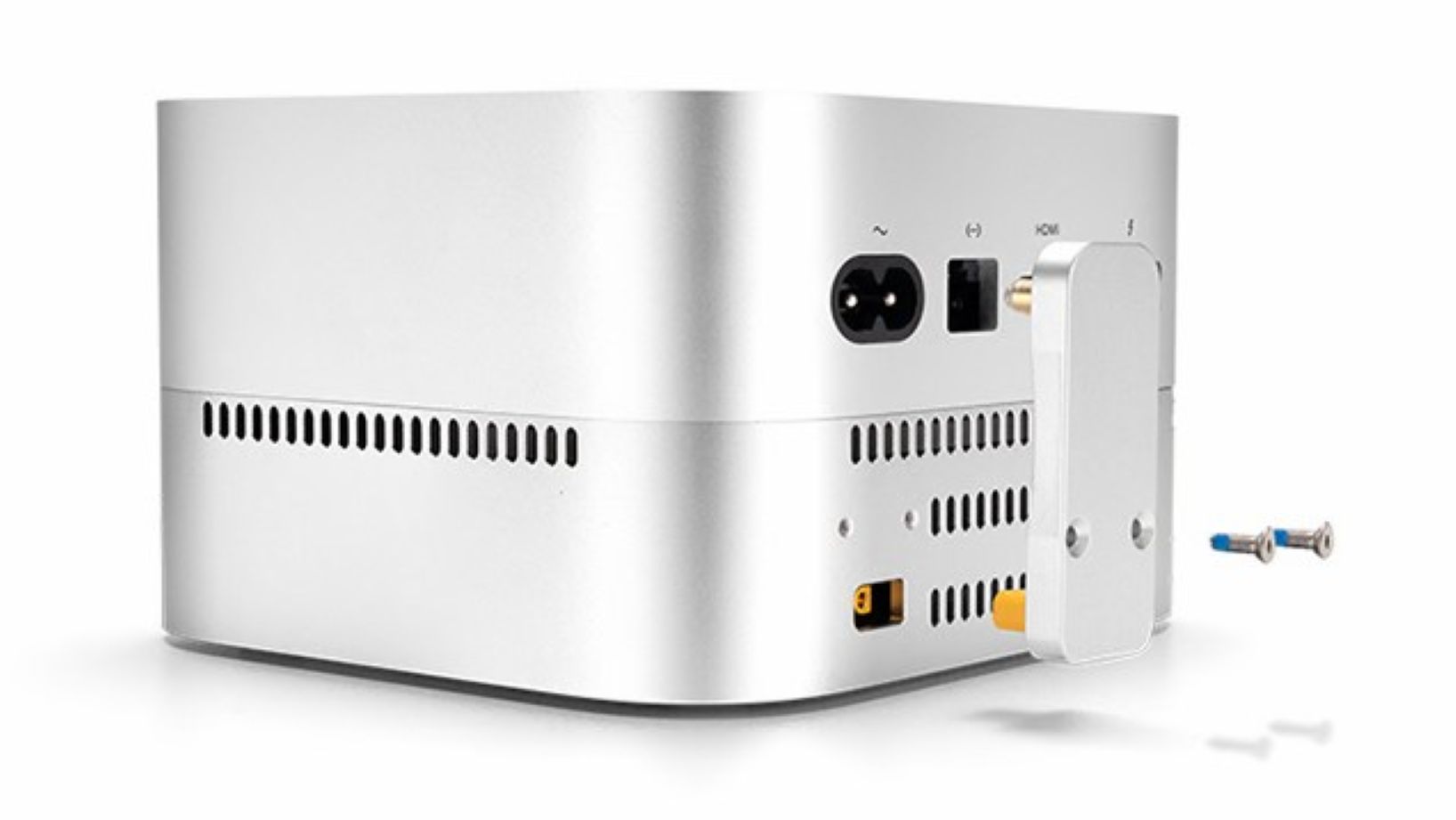
Speaking of design: Since the Mac Mini's redesign, the power button's placement on the bottom has been causing quite a stir. TrugyTex claims to have found a solution to this "problem" as well: a side-mounted component is designed to transmit the pressure applied to the button to the Mac Mini's power button.
Features
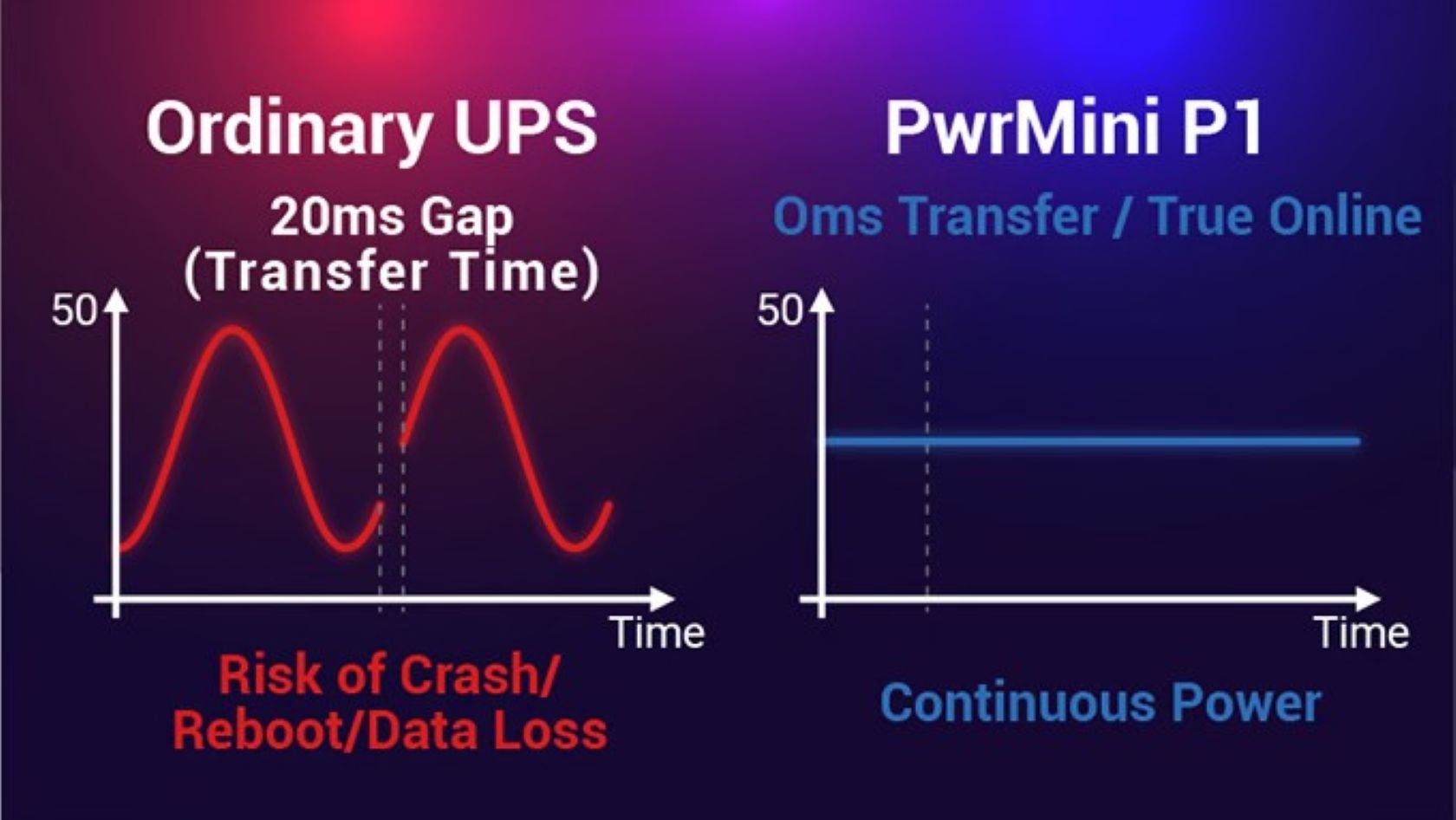
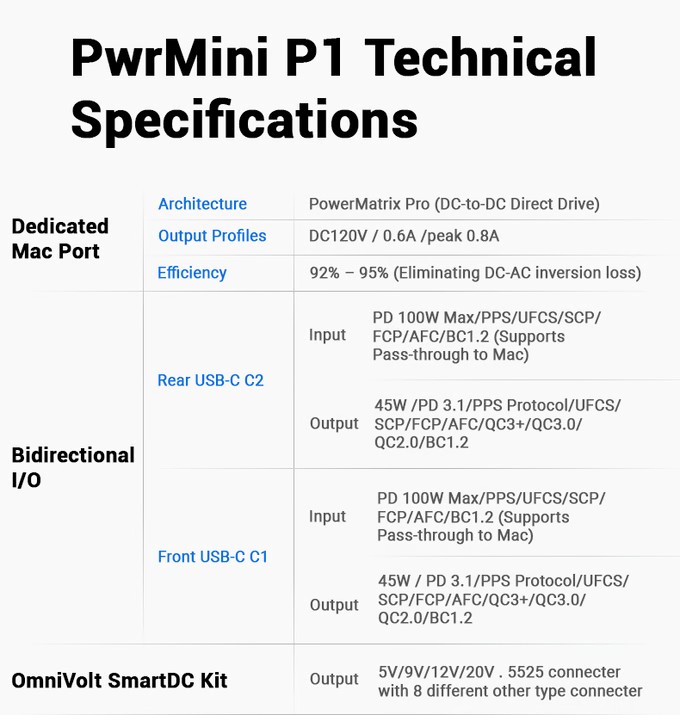
The UPS functionality is technically far more exciting. Unlike standard backups, which switch over with a short delay (approx. 10 ms) during a power outage, the PwrMini P1, according to its marketing campaign, operates as a "True Online UPS." The Mac Mini is continuously powered via the internal battery bus, which is intended to eliminate voltage spikes and switchover times. This should prevent interference with the NVMe SSD or the processor.
The startup also promises that the UPS hub operates significantly more efficiently than comparable alternatives. With a comparable battery (92.5 Wh), the Mac Mini should be able to run considerably longer. Around eight hours of normal operation should be possible.
Price and availability
Backers who contribute $259 to the Kickstarter campaign are promised the emergency power supply starting in June. For an additional fee of $20, a docking station is included.
It’s also important to note that with crowdfunding, there is some risk involved. For example, the product may not work as advertised or may not make it to market at all. The developers openly admit that they have just made significant changes to the mainboard and the BMS chip. The P1 is currently in the prototype stage. Whether the promises regarding thermal performance, the button’s feel, and the DC input will actually work as smoothly in the finished production model remains to be seen.
Source(s)
 Add as a preferred source on Google