




Intel CPU prices expected to rise by 10% as memory surge puts new pressure on PC costs
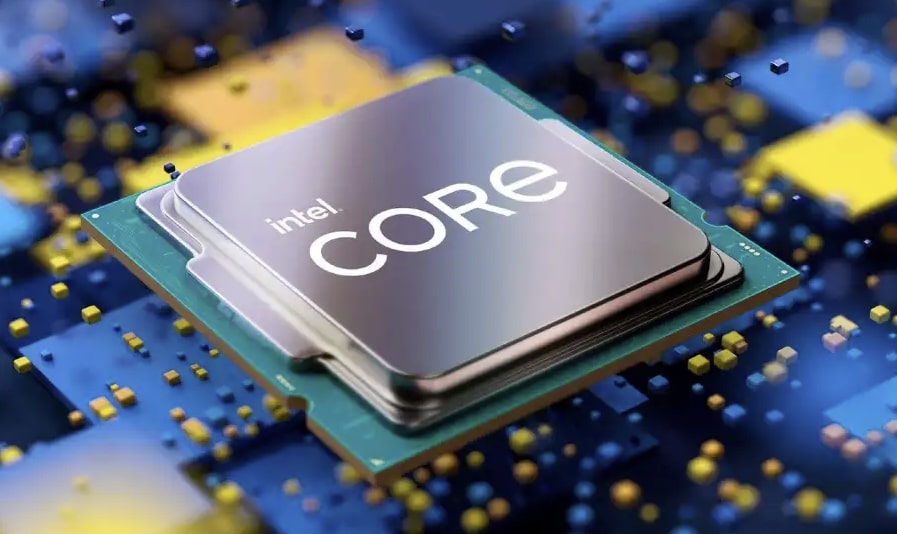
Intel has been pretty active in recent weeks with new Core Ultra processor announcements across laptop and desktop segments. Alongside these launches, the company is now reportedly moving to adjust pricing on its existing PC CPU lineup. According to a report from Korean publication ETNews, Intel has informed major customers that it will increase PC CPU prices by around 10% starting later this month. The adjustment will apply to a wide range of its mainstream processor lineup, rather than a single segment. The reported increase applies at the OEM level, meaning PC manufacturers will pay more for CPUs, with no confirmation yet of changes to official retail or MSRP pricing.
The report links the price hike to rising costs across the semiconductor supply chain. In particular, memory prices have surged sharply over the past few months - this is driven by increased demand tied to AI infrastructure and data center expansion. Naturally, this has created supply imbalances across multiple sectors of the industry. More and more capacity is now being directed toward AI-related components rather than consumer PC parts.
CPU pricing plays a key role in overall PC manufacturing costs. The industry sources cited in the report add that Intel currently holds roughly 70% share of the PC CPU market, meaning any pricing change has a direct (and noticeable) impact on OEM margins. AMD and Qualcomm are also expanding their footprint in this market. Regardless, Intel is still the dominant supplier.
Additionally, the cost pressure is not limited to processors. We all know memory prices have been rising at an unprecedented rate - market data is indicating increases of up to 180% quarter-on-quarter. Separate market research data shows that CPUs and memory combined could account for as much as 58% of a notebook’s bill of materials, particularly in mainstream laptops around the $900 segment, according to TrendForce.
As a result, PC manufacturers may face tighter margins as input costs rise, since the report also stated that continued component inflation could lead to higher end-user pricing depending on how much of the cost increase is passed on, particularly in the notebook segment.
Source(s)
 Add as a preferred source on Google


