




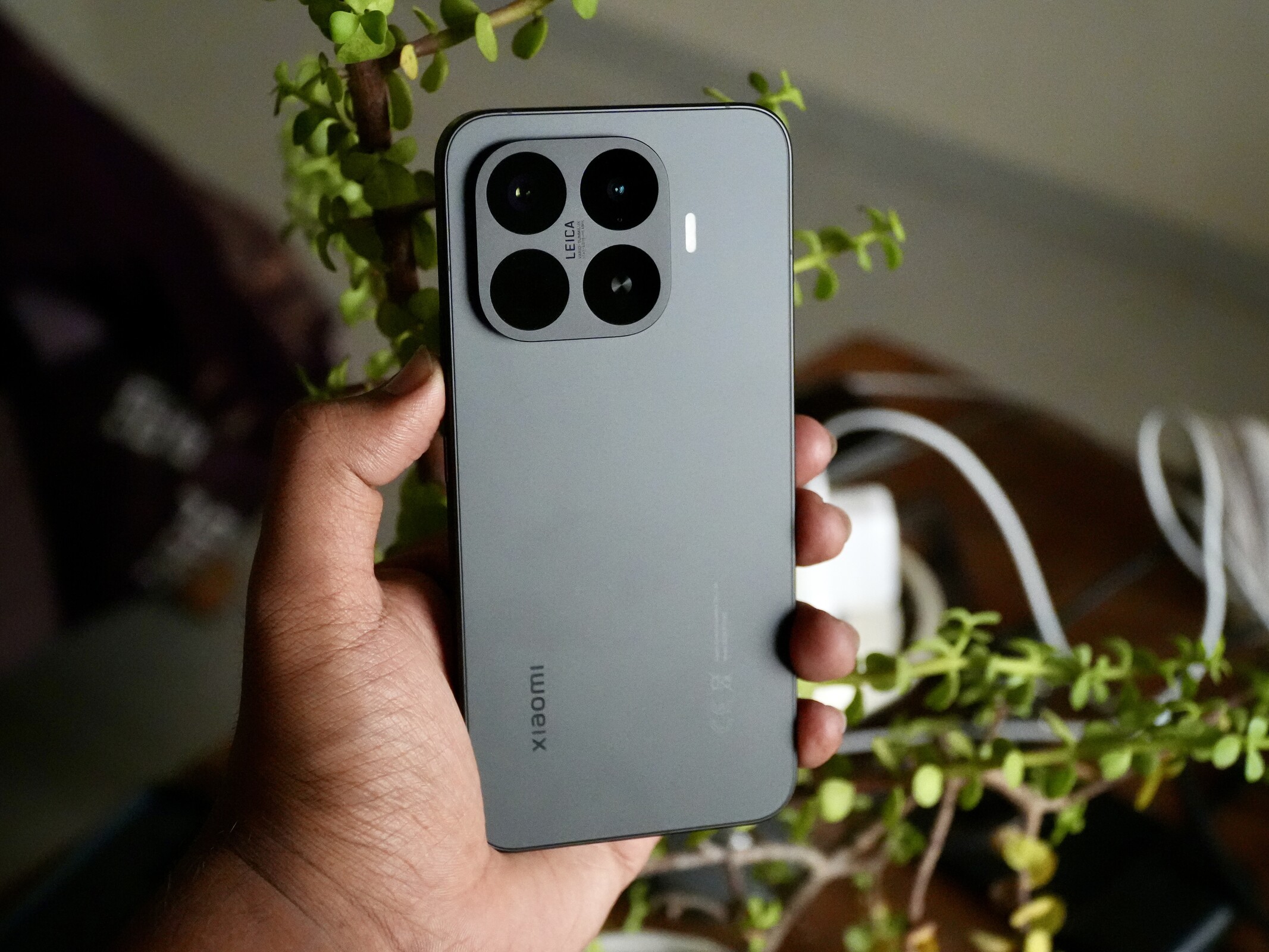
Xiaomi's €899 flagship phone is so good, it's hard to ignore
Abhinav Fating 👁 Published 🇩🇪 🇪🇸 ...
When I reviewed the Xiaomi 15T Pro last year, I said that Xiaomi really did a solid job with this phone. Now, the company brings a successor, the Xiaomi 17T Pro, which is more powerful and better than the last generation's model. Xiaomi’s T-series devices are known for their performance and camera capabilities while offering flagship-like features at a slightly lower price than premium flagships, and the latest Xiaomi 17T Pro is no different.
Are there any upgrades? Yes, Xiaomi’s latest generation T-series flagship smartphone brings meaningful upgrades both inside and out. More about it in the design and performance section. One thing I can confidently say is that the phone offers a solid a package but can it take on the competition, such as the Samsung Galaxy S26 Plus, the Google Pixel 10 Pro, or the Motorola Signature? I used the Xiaomi 17T Pro for almost a week to find out.
A design that gets better with every generation
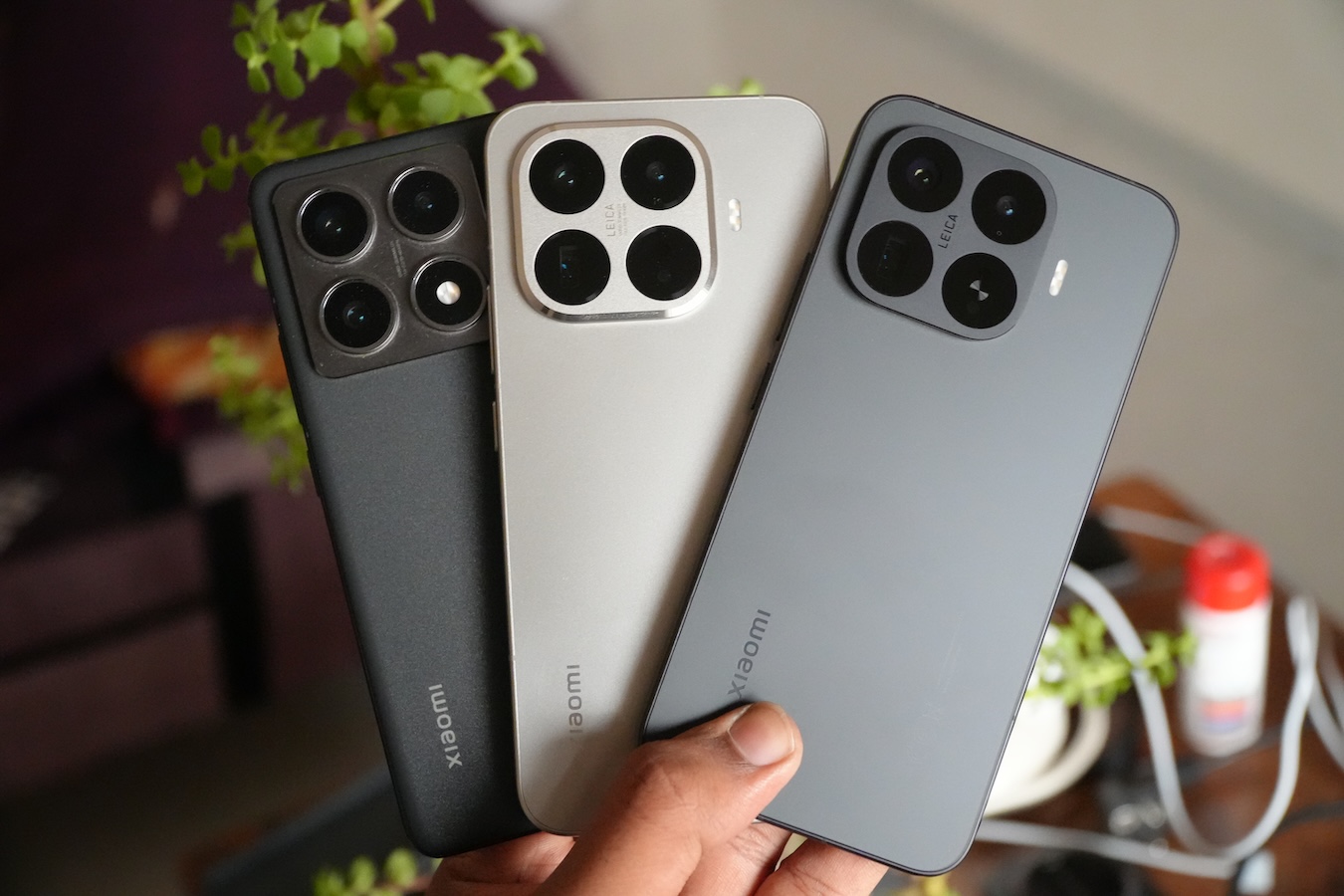
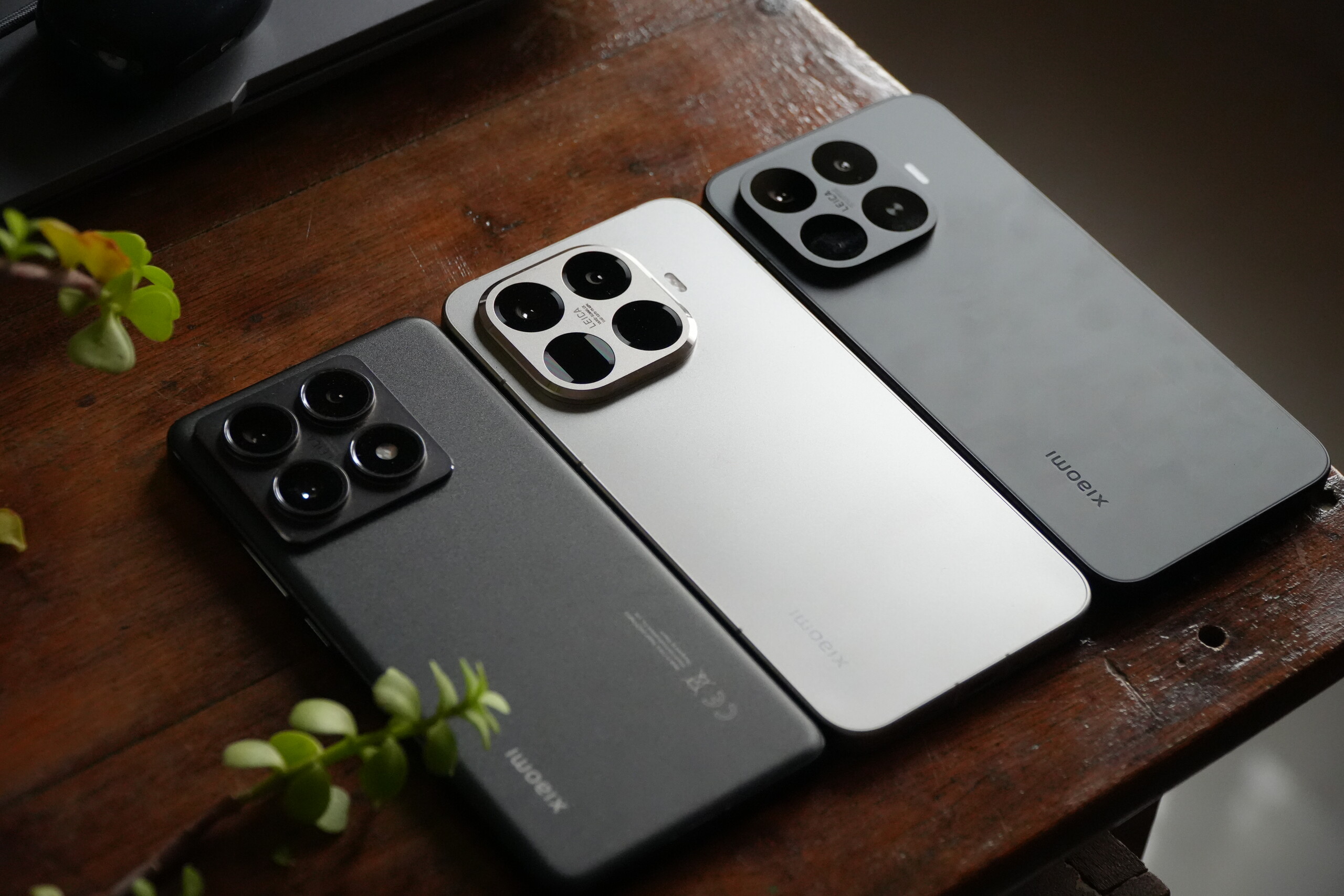
This year’s Xiaomi 17T Pro looks more refined and premium compared to the last two generations of T-series smartphones. No, I'm not saying it for the sake of saying it. I’ve tested both the Xiaomi 15T Pro and the Xiaomi 14T Pro smartphones myself. Considering that, the latest look of the device looks more premium. However, the design overhaul isn’t major compared to the last generation; the changes are more subtle but easily noticeable.
This time around Xiaomi has slightly tweaked the camera island design. Xiaomi ditched the chamfered edges design from the last generation, replacing it with a simple squarish camera island with curved edges and a metallic finish. Another major change is the smartphone is now slightly thicker and heavier than its predecessor, and Xiaomi has a really good reason for that. Xiaomi packs a bigger battery in the phone than before.
The Xiaomi 17T Pro measures 162.2 x 77.5 x 8.25 mm (6.38 x 3 x 0.32 inches) and weighs around 219 grams (0.48 lbs). For context, the Xiaomi 15T Pro comes in at 7.9 mm (0.31 inches) and 210 grams (0.46 lbs). You get the 6M13 aluminum build with a glass fiber back that feels premium in the hand. In comparison, the Motorola Signature feels sleek, while the Samsung Galaxy S26+ has a very basic look.
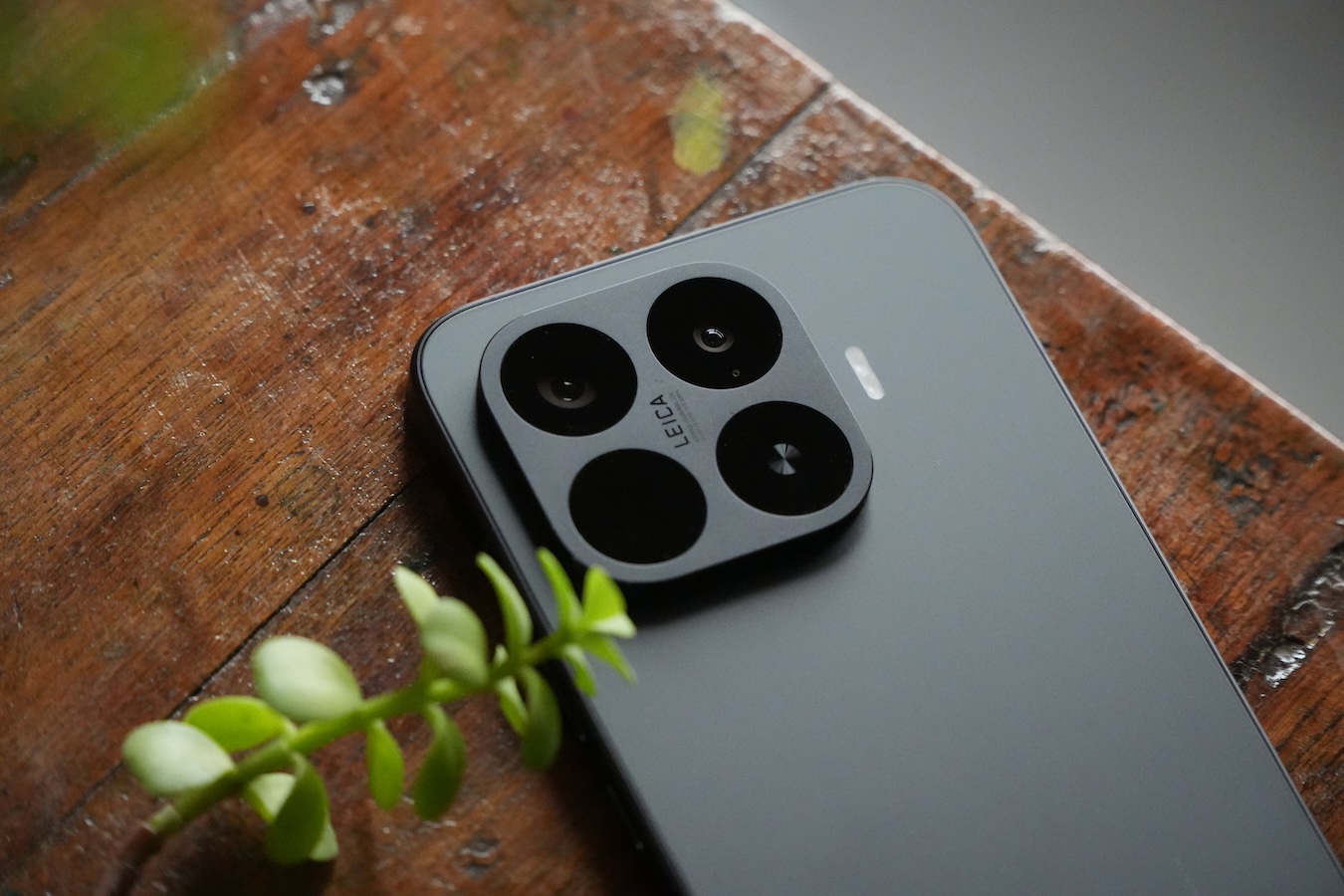
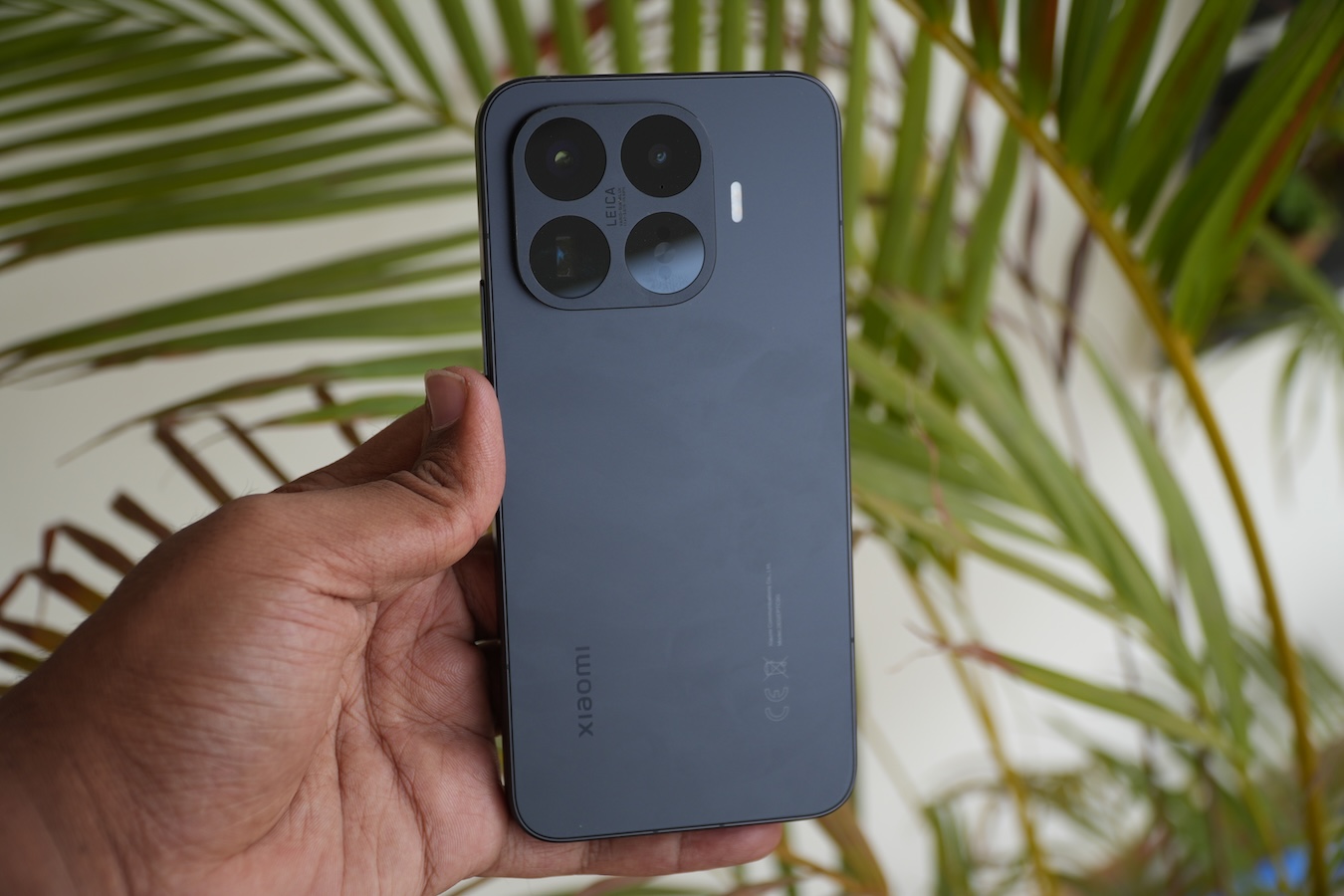
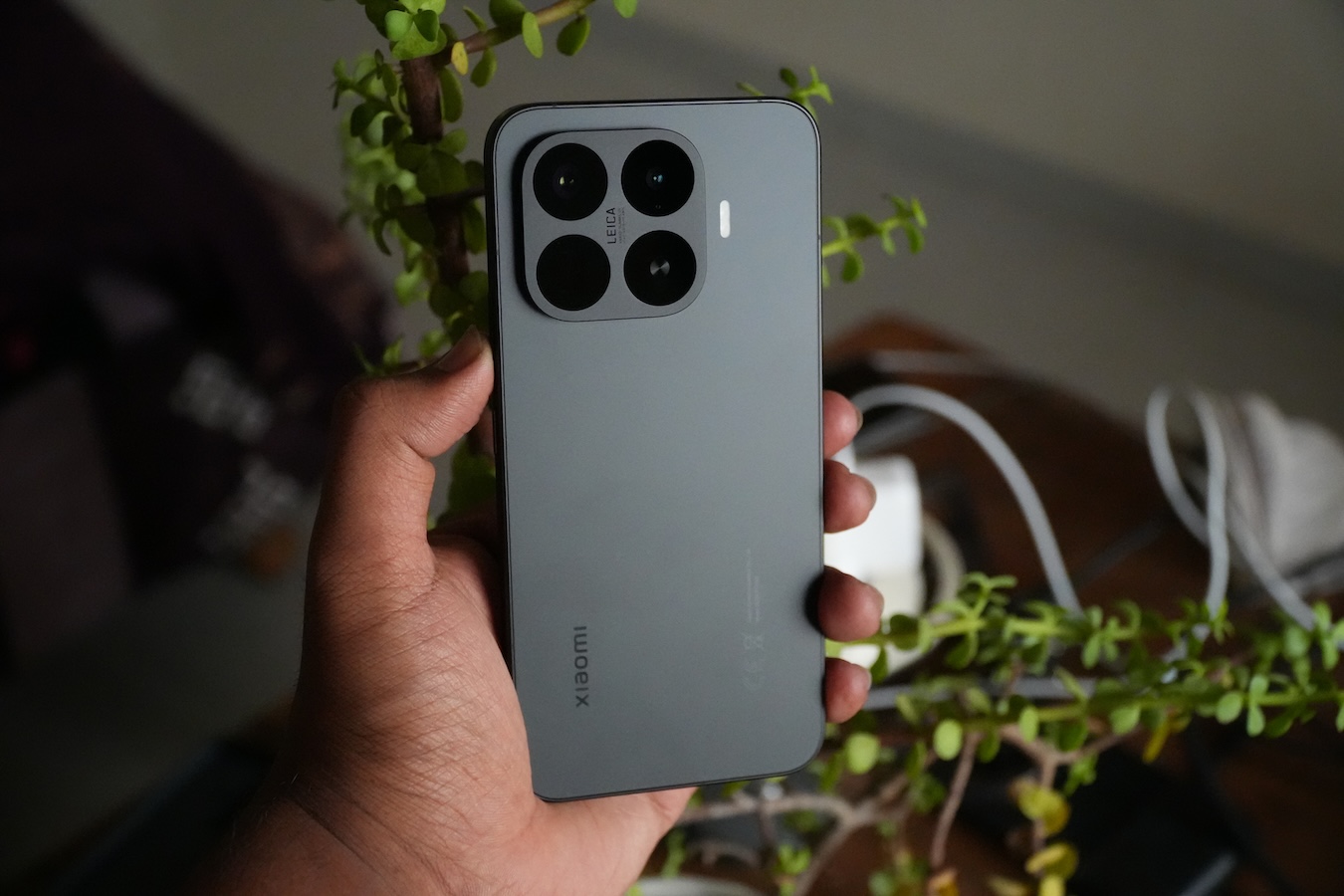
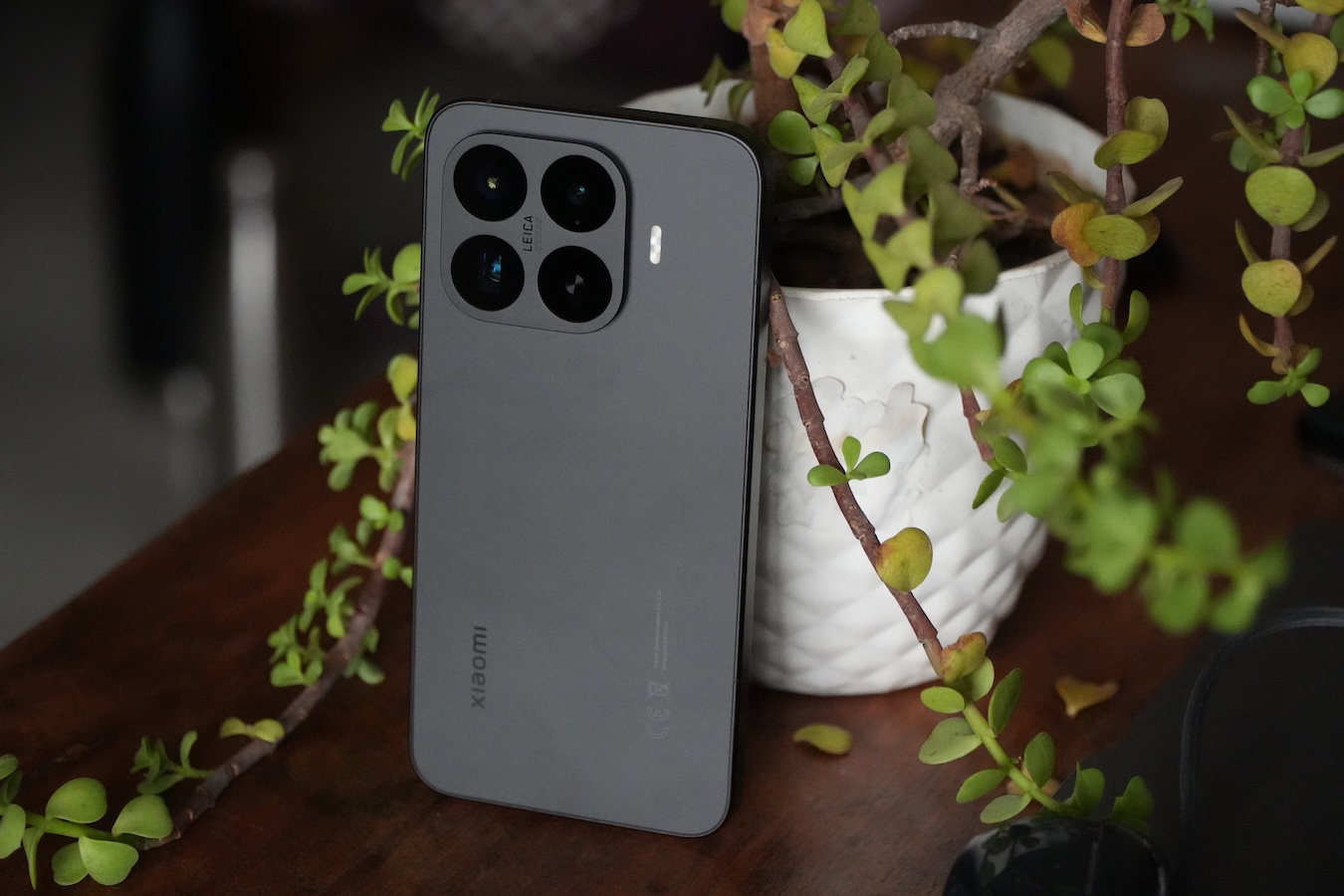
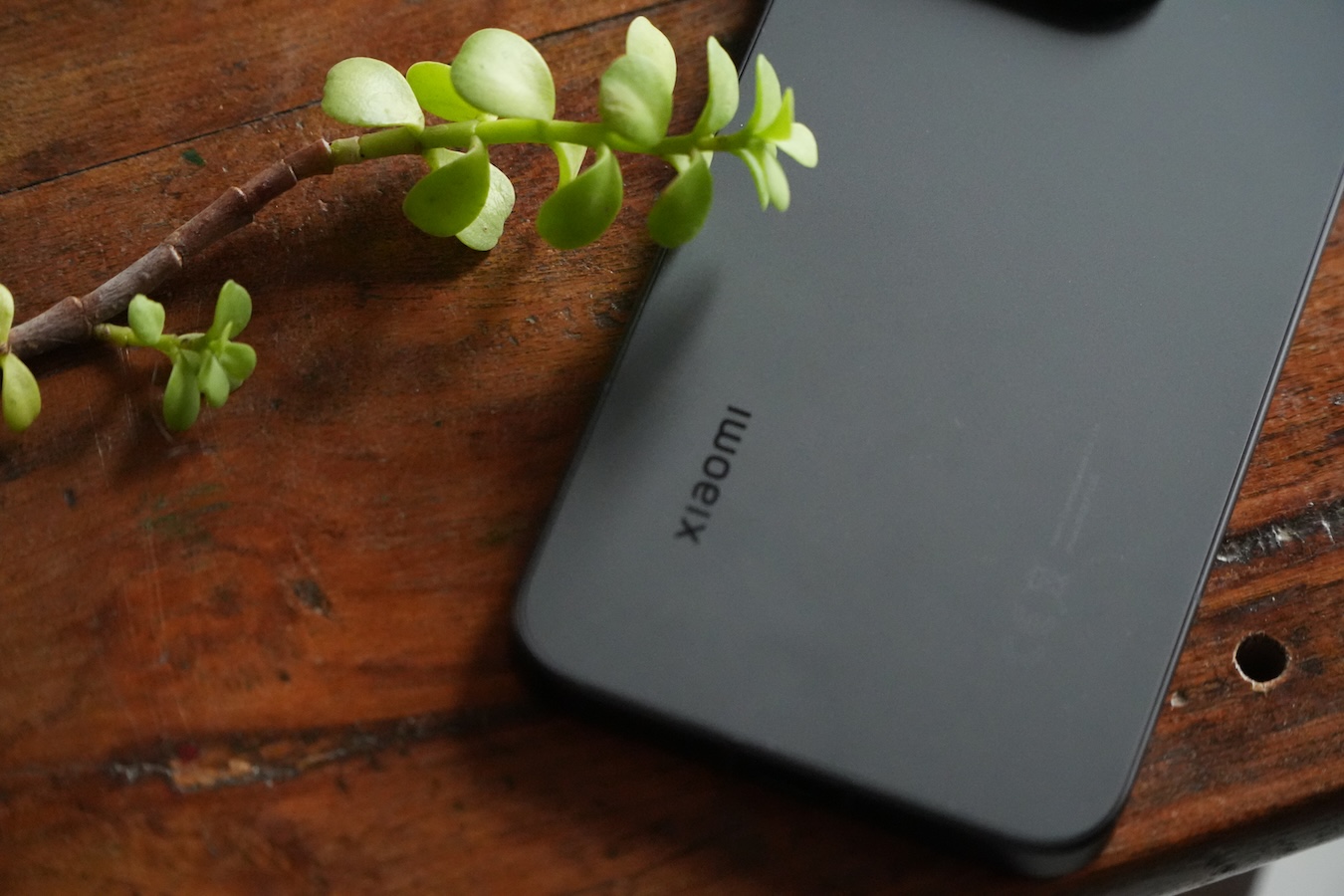
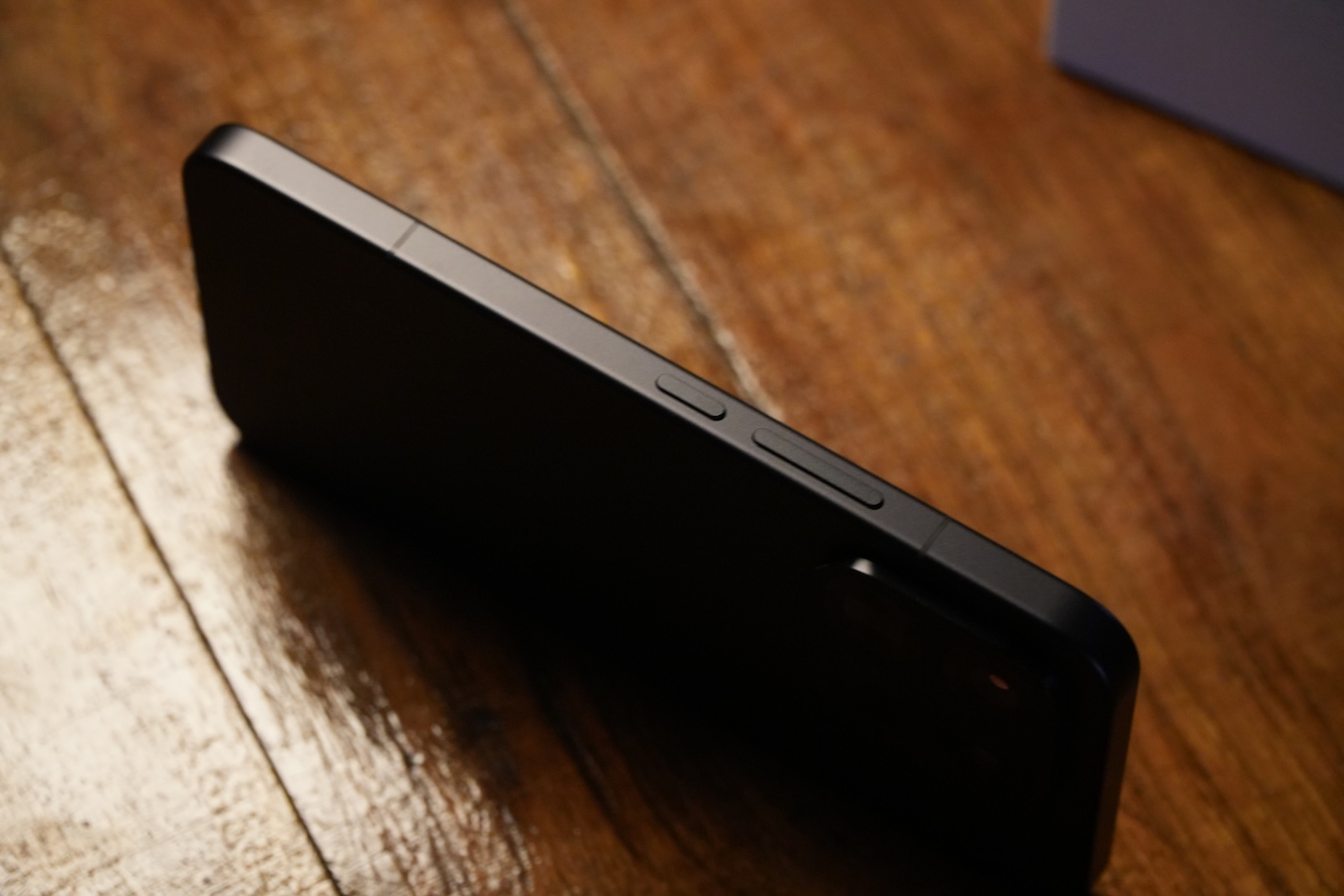
The black finish on the Xiaomi 17T Pro looks mesmerizing. Though, if you ask me, I really liked the new deep violet shade, which looks far better than the mainstream blacks and whites. Plus, you can buy the device in a deep blue colorway too. The device is IP68 rated, which means it can survive prolonged submersion in water, so there’s no fear of dust and water damage. In comparison, the Motorola Signature has IP68 and IP69 water resistance ratings. Well, you notice the camera bump is huge; that further translated to a wobble on a flat surface, particularly in the top right corner.
You’ll love the large display
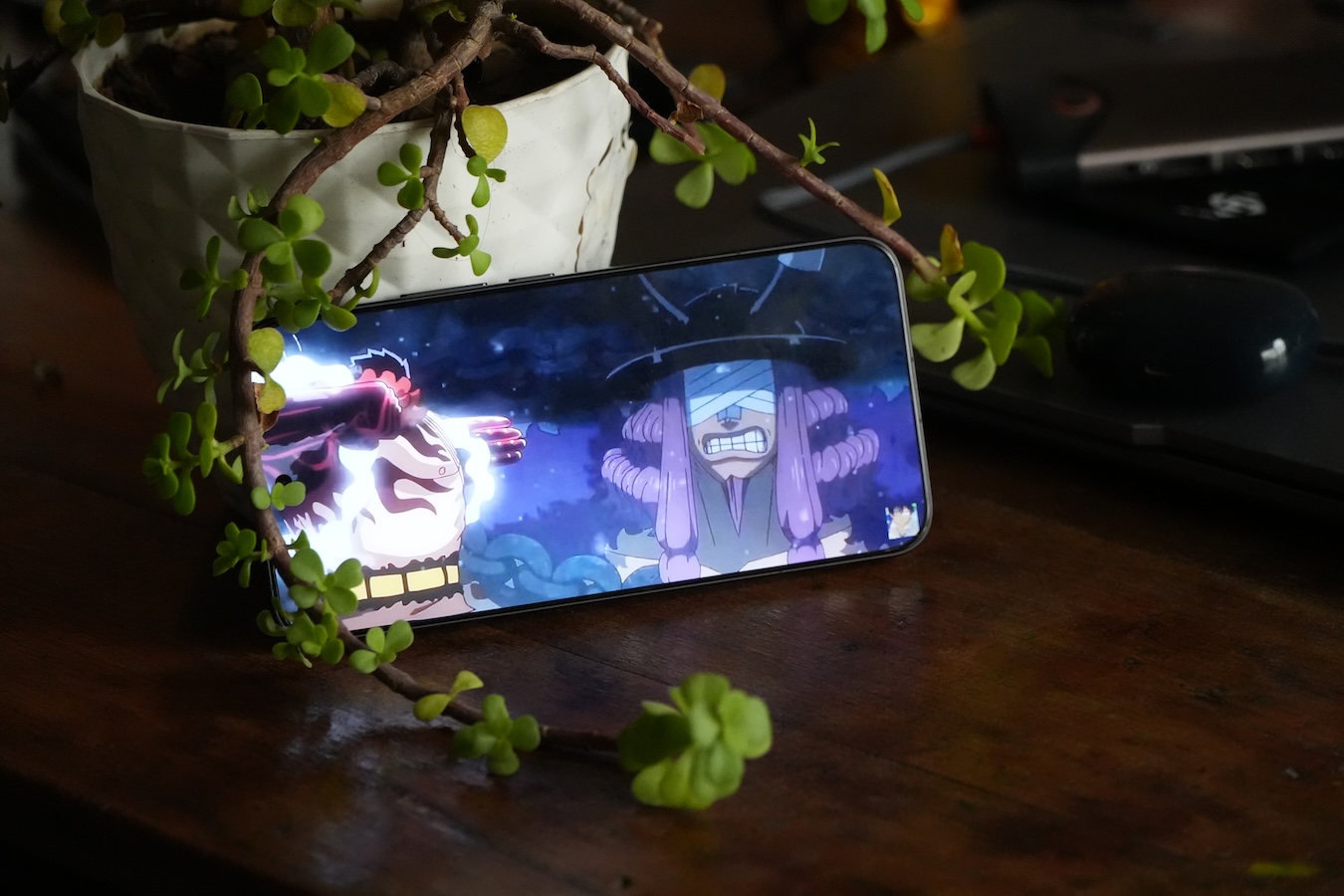
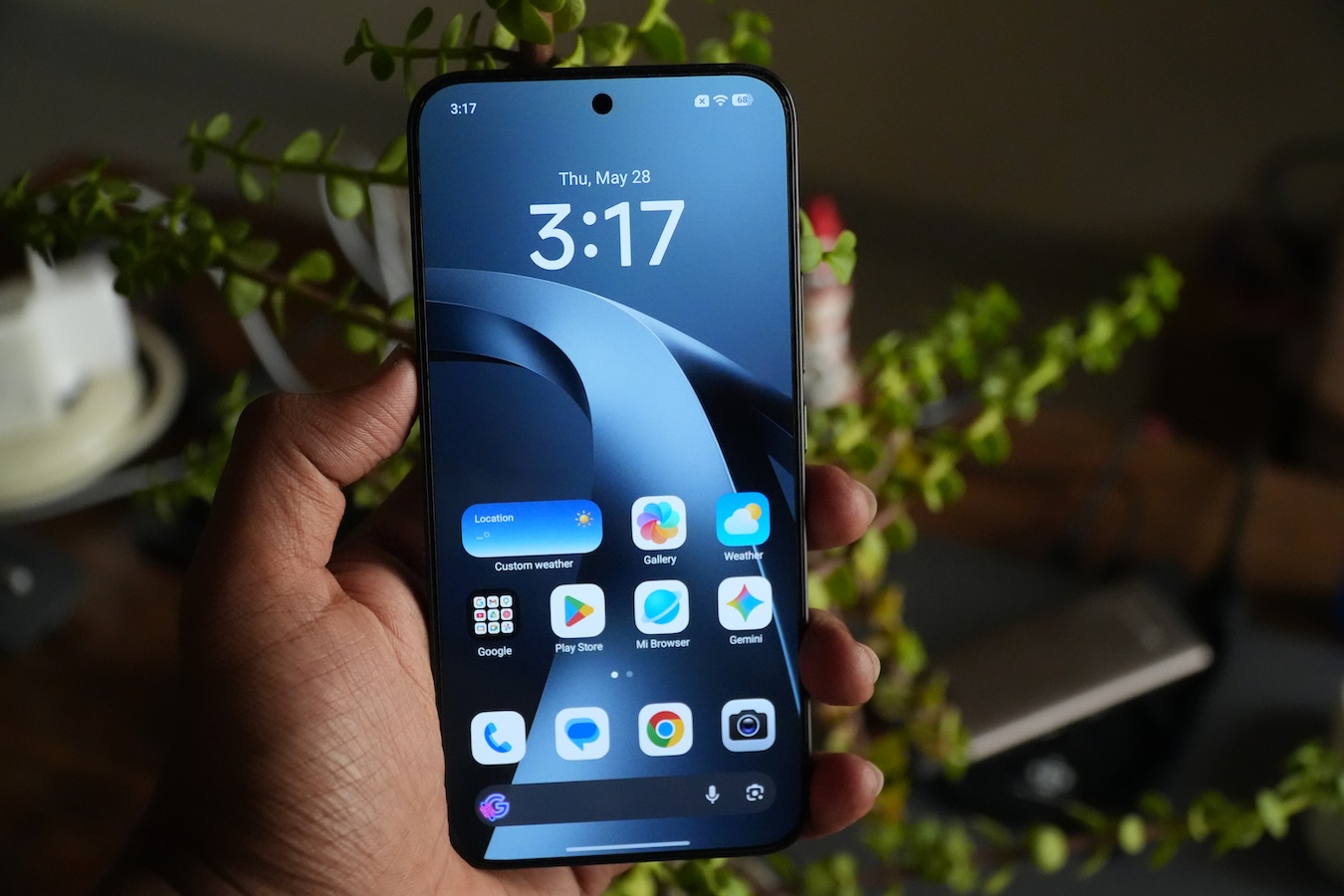
The phone has a 6.83-inch panel, which is the largest compared to its immediate rivals, such as the Samsung Galaxy S26+, the Google Pixel 10 Pro, and the Motorola Signature. According to Xiaomi, the AMOLED panel delivers a resolution of 2772 x 1280 with a 144 Hz refresh rate and 3,500 nits of peak brightness for HDR content, which is a step up from the 3,200 nits of the 15T Pro.
There’s Corning Gorilla Glass 7i protection on top, protecting the screen from accidental falls and scratches. The screen produces sharp, vivid, and bright colors and offers an enjoyable content-consumption experience. The phone feels snappy and fluid in regular use, thanks to the 144 Hz refresh rate. The display is quite bright even under the sunlight; watching Instagram reels and reading ebooks—both indoors and outdoors—was a great experience. In comparison, I liked the Samsung Galaxy S26+ phone’s screen, which offers excellent color vibrancy and contrast levels, whereas the Xiaomi phone’s tuning felt a bit muted.
Reliable internals and bigger battery
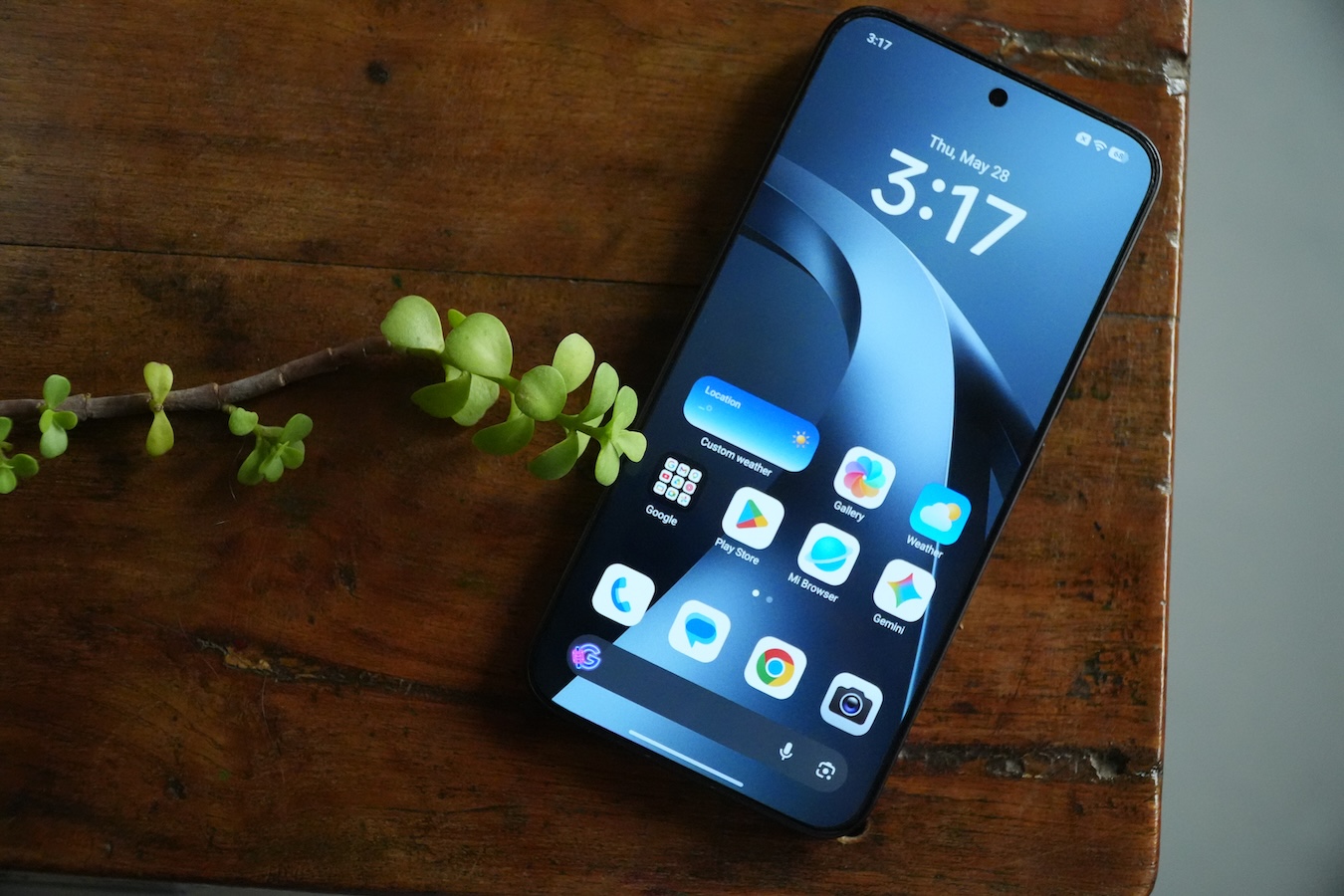
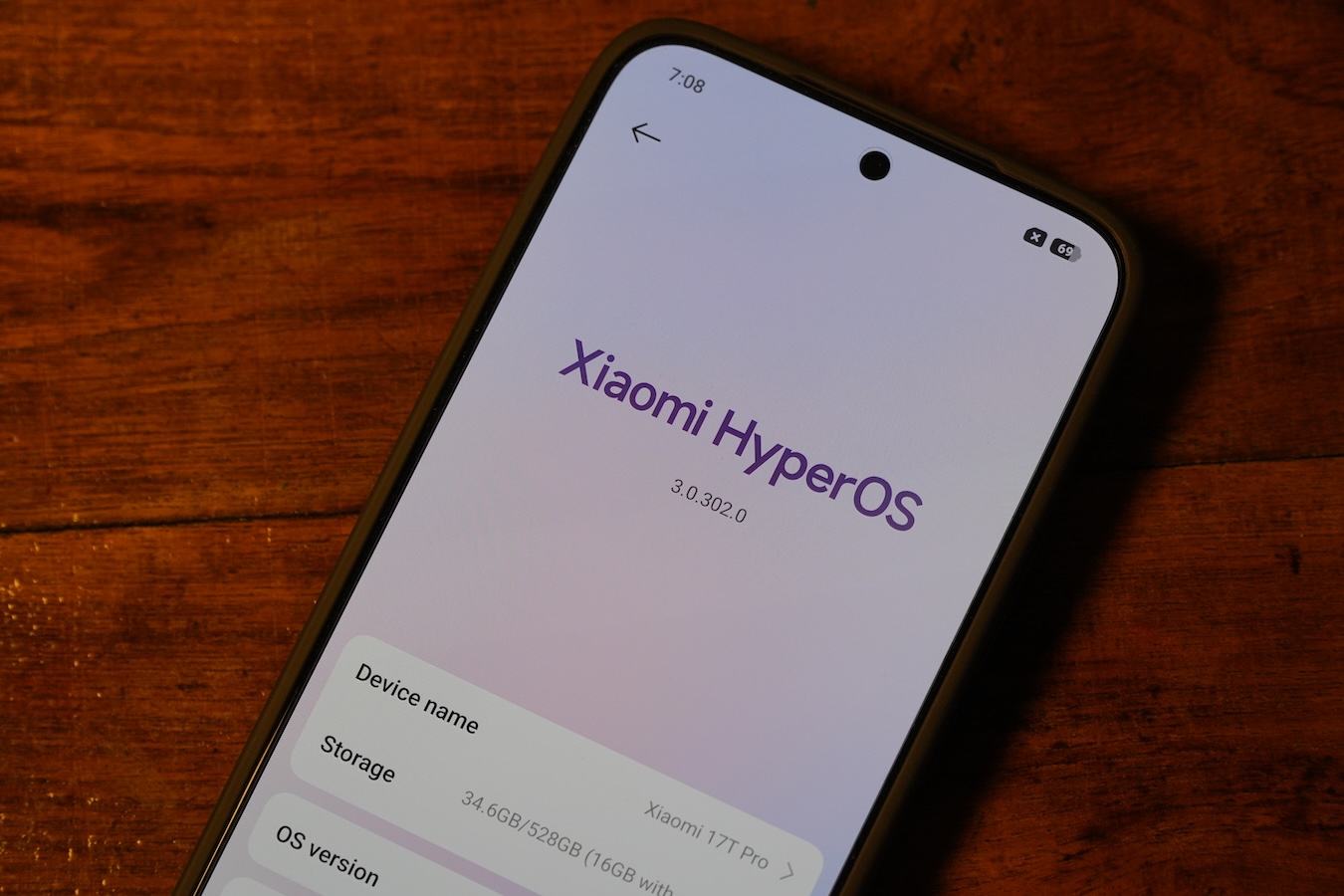
Switching over to internals, the Xiaomi 17T Pro is powered by a MediaTek Dimensity 9500 processor paired with 12 GB of RAM. In my six-day testing period, the device was smooth, fast, responsive, and easy to use. I did play a few games, namely PUBG Mobile, Clash Royale, and Genshin Impact on the phone, and the performance was phenomenal. There were no lags or stuttering issues whatsoever.
Ah, yes, in India's blazing summer heat, the device heats up noticeably fast. Xiaomi offers only a 12 GB RAM option for the 17T Pro, and while I would’ve liked 16 GB, that’s about the only quibble I have on the hardware configuration. Otherwise, everything is perfect here.
Xiaomi has promised five major Android updates and six years of security updates. The update policy isn’t as good as the S26+ and Pixel 10 Pro’s 7-year update cycles. However, you do get long-term security update support, which is a great addition.
The battery capacity of the latest generation T-series smartphone is bigger than before. The Xiaomi 17T Pro packs a 7,000 mAh SI-C battery (a step up from 5,500 mAh of the Xiaomi 15T Pro) and supports 100 W wired, 50 W wireless, and 22.5 W reverse-wired charging. In comparison, the phone offers a higher battery capacity than its rivals, such as the Galaxy S26+ and the Motorola Signature, with 5,000 mAh and 5,200 mAh battery capacities, respectively.
The phone lasted me an entire day even with heavy use, mostly gaming, scrolling, streaming, and taking videos and photos. You can expect the phone to get you through a day and a half even with heavy usage.
Versatile cameras
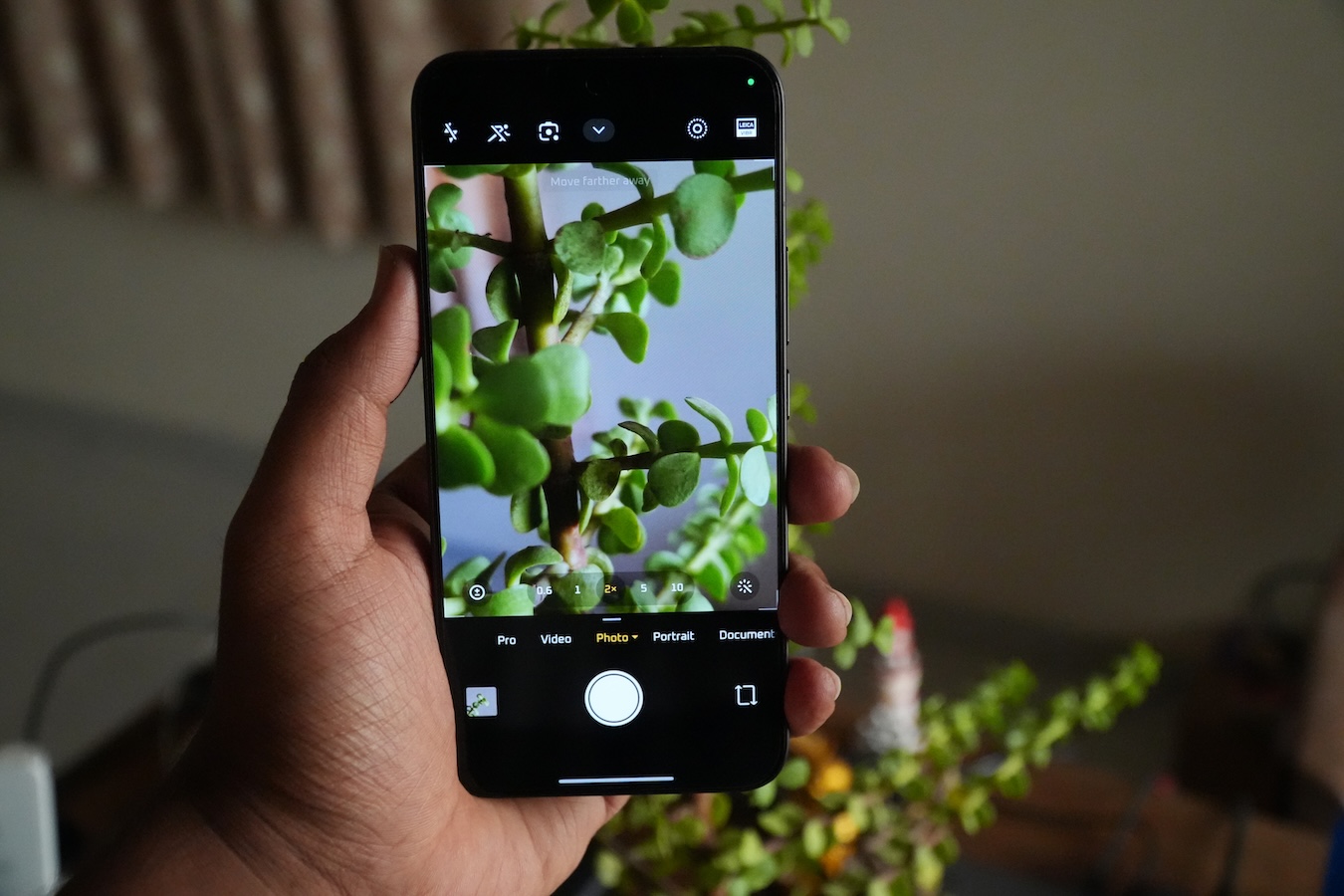
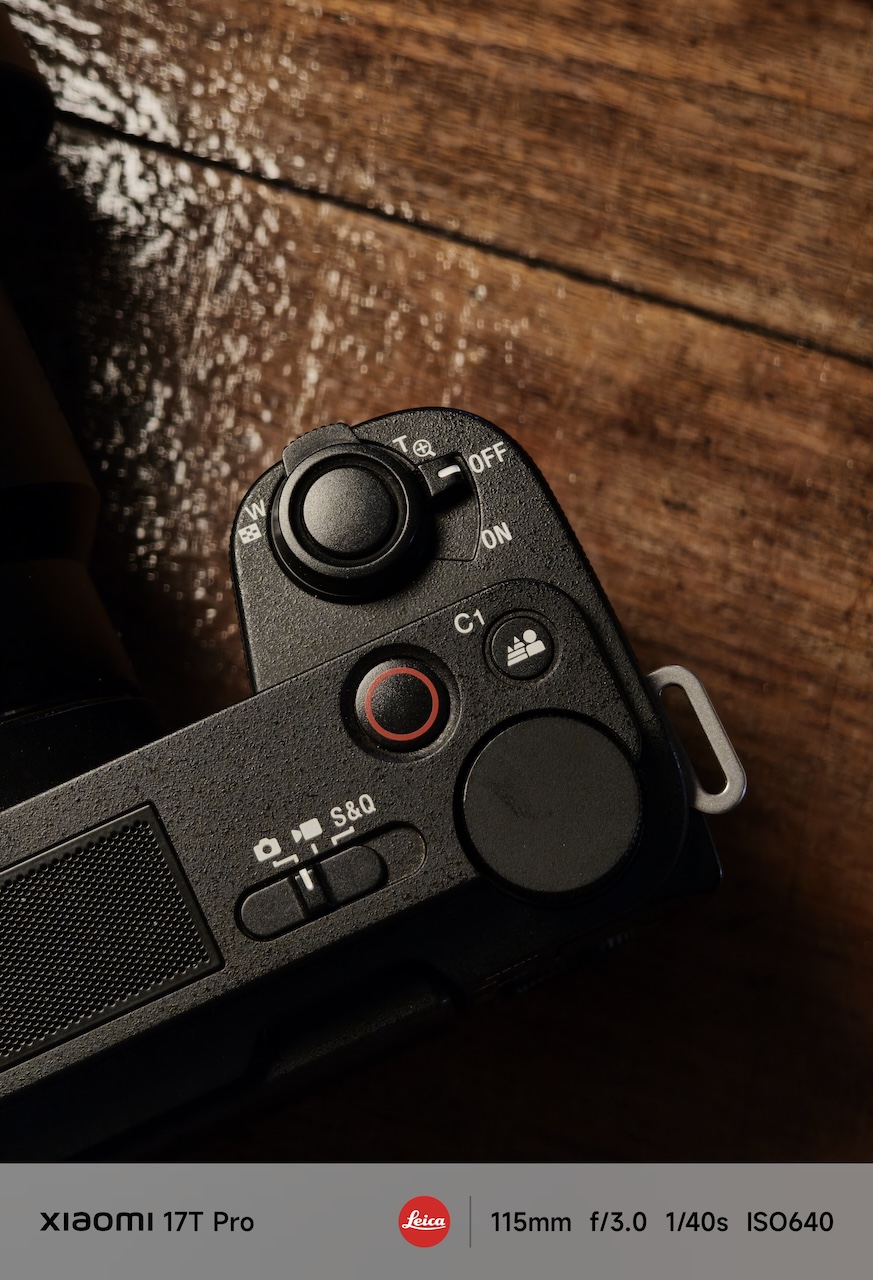
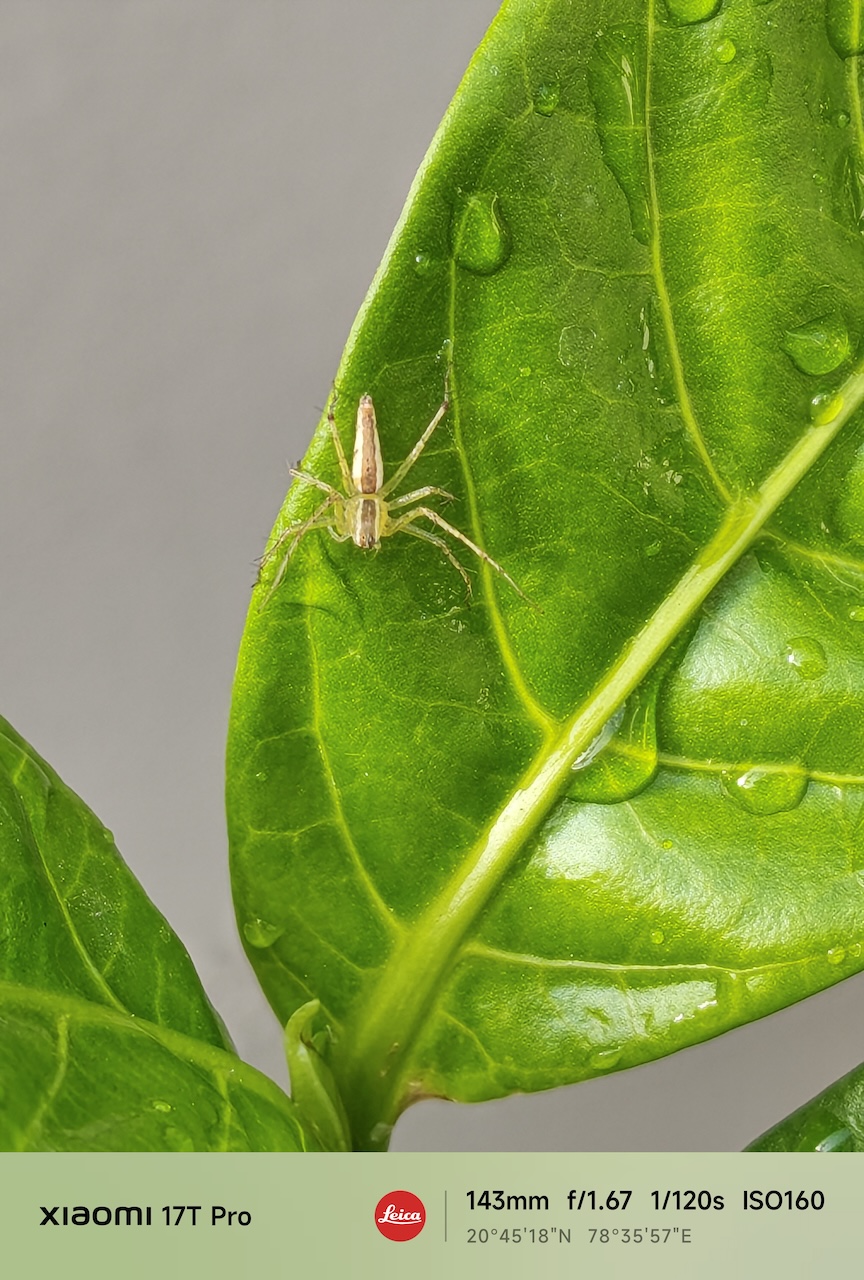
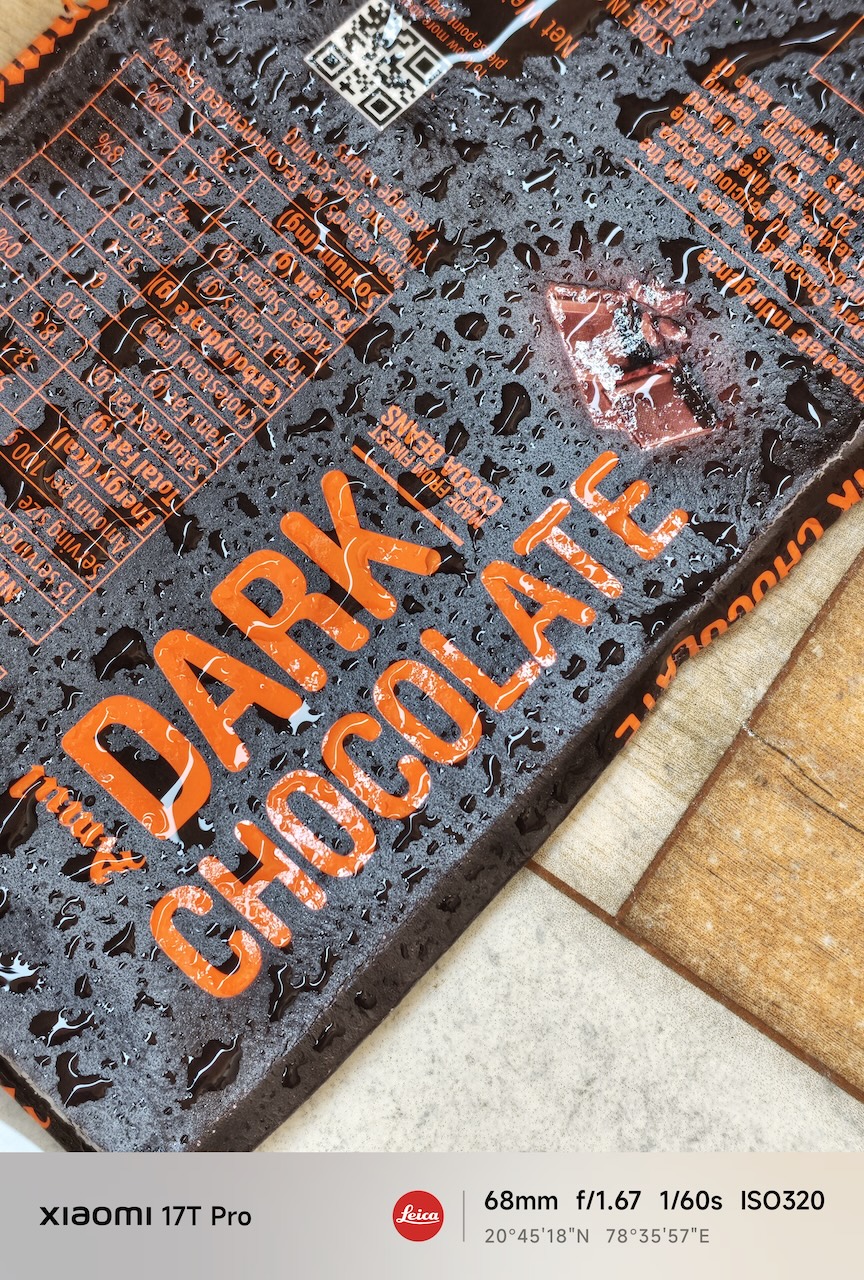
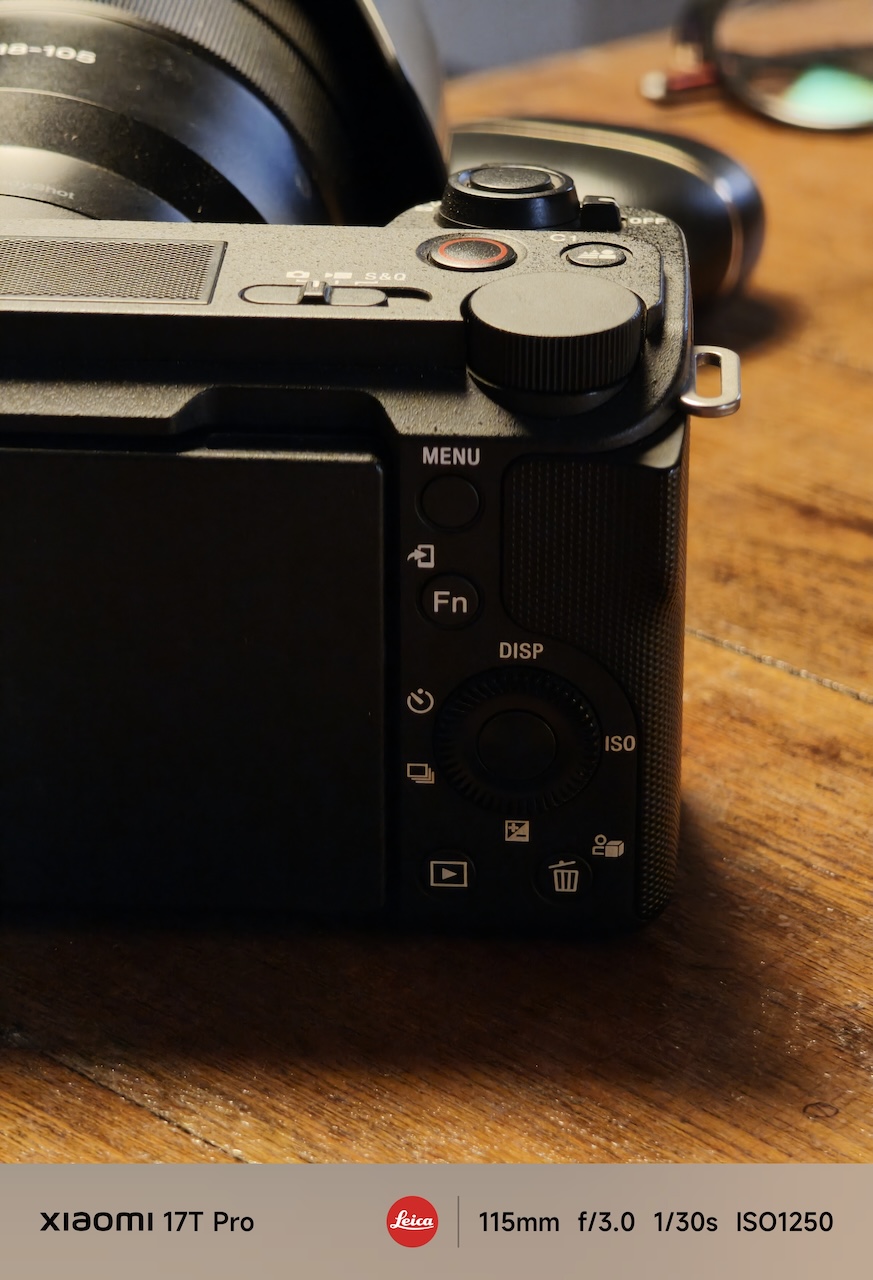
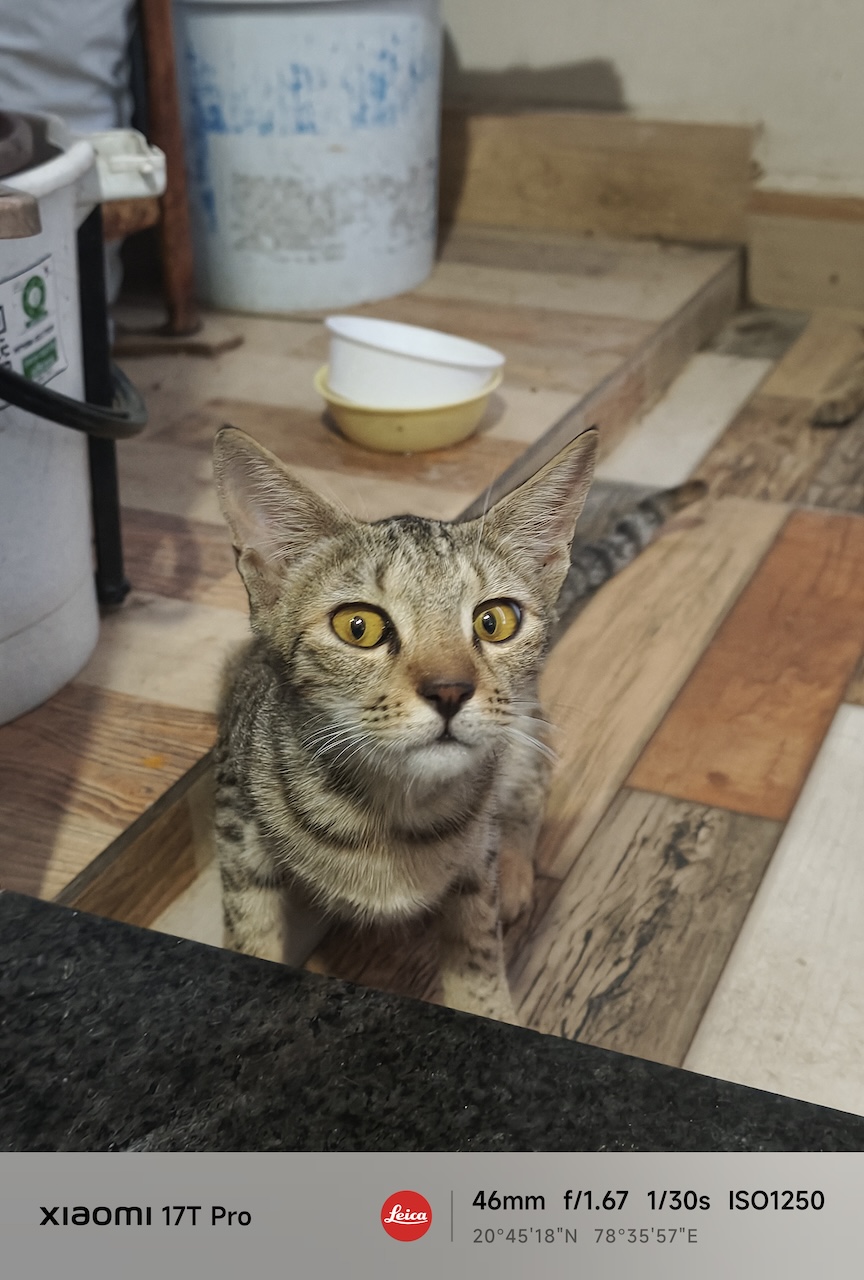
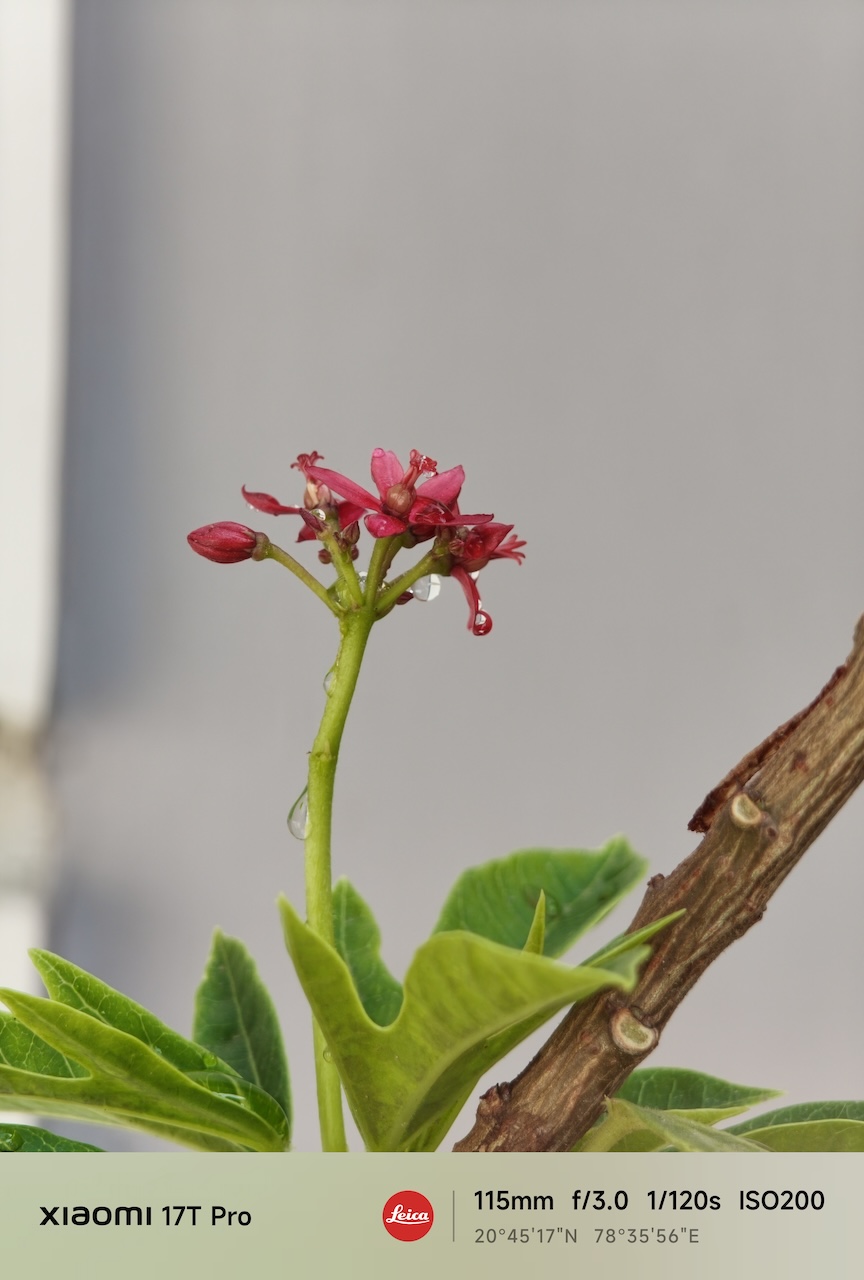
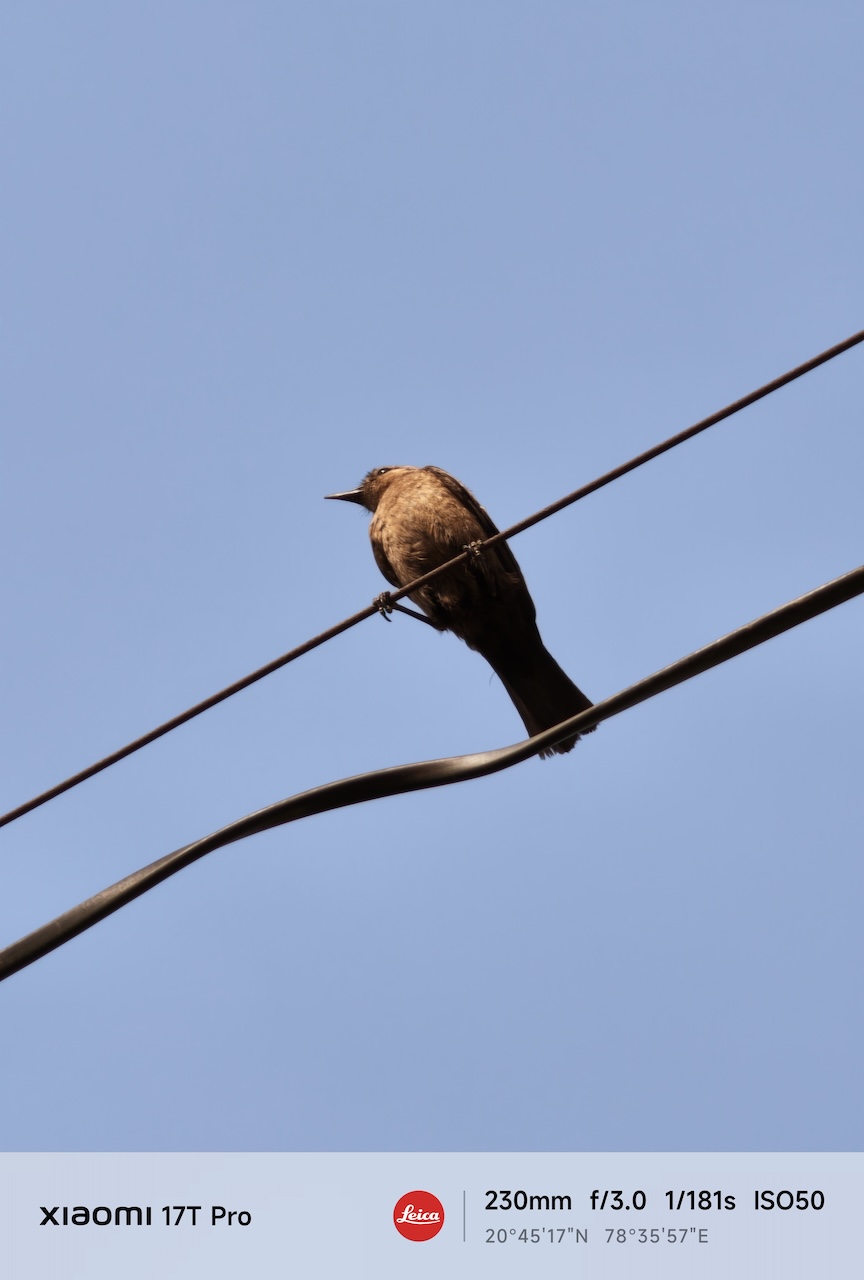
The cameras of the Xiaomi 17T Pro are really as good as the Xiaomi 17; you get a 50 MP OIS-enabled Light Fusion 950 sensor, and it’s joined by a 50 MP telephoto lens with 5x optical zoom and a 12 MP wide-angle lens instead of 50 MP. The phone’s main camera and tele lenses do a great job, capturing really good photos while retaining a great level of detail, a wide dynamic range, and good contrast.
Colors look balanced, accurate, and quite natural. I really liked the Leica’s color science. The low-light performance of the phone is actually better than before. It does a great job in low-lighting conditions, delivering good shots without overbrightening the image. There are dozens of Leica-approved color styles to play with, my favorite of which remains the black and white high-contrast color style. It’s quite appealing for punchy monochrome street photography.
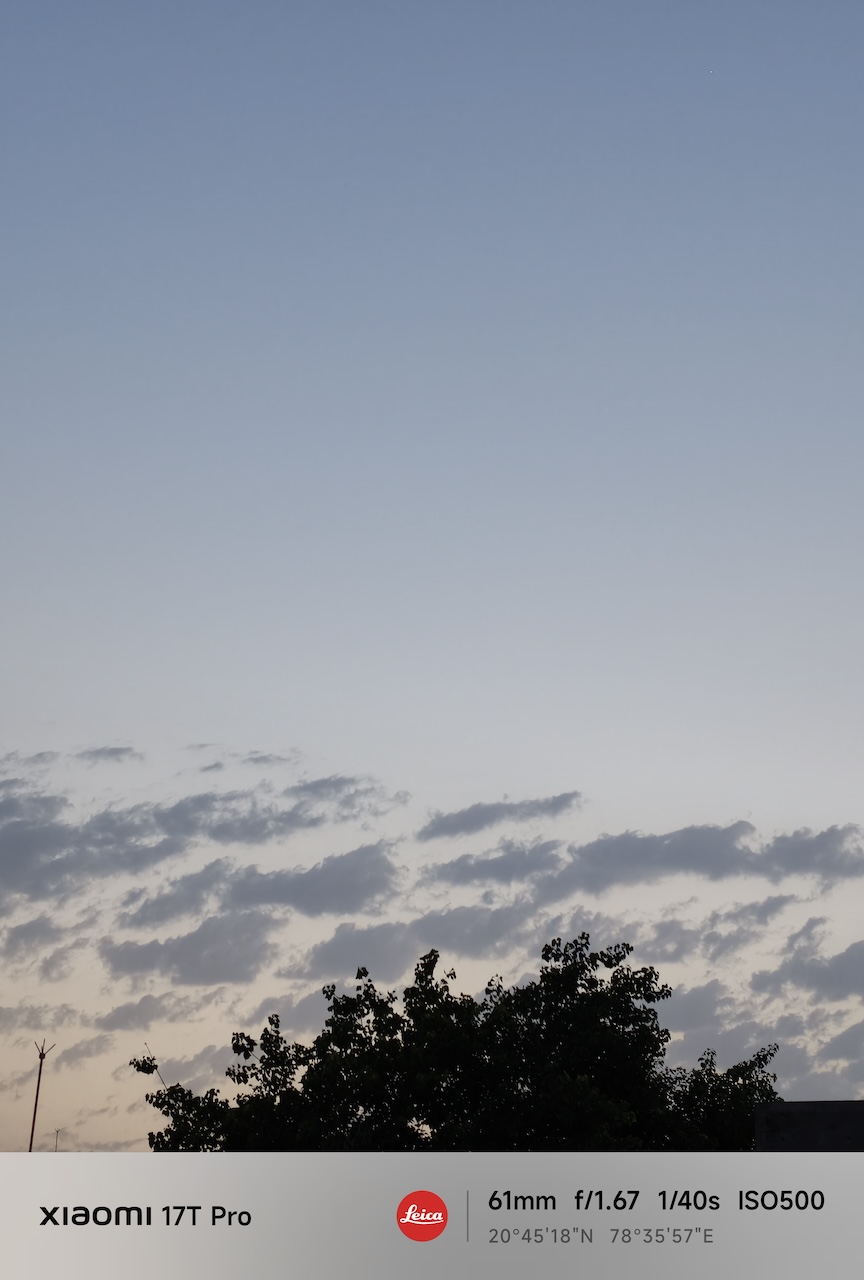
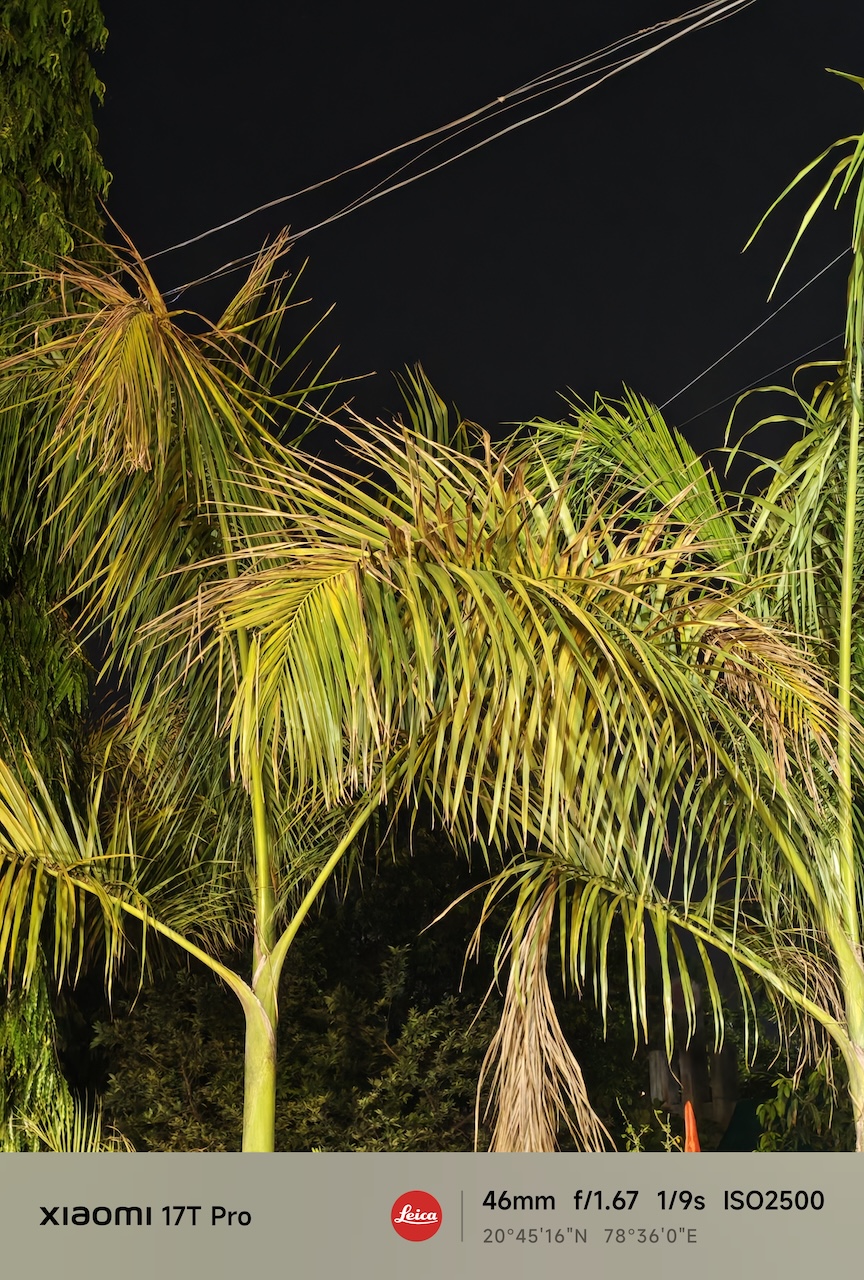
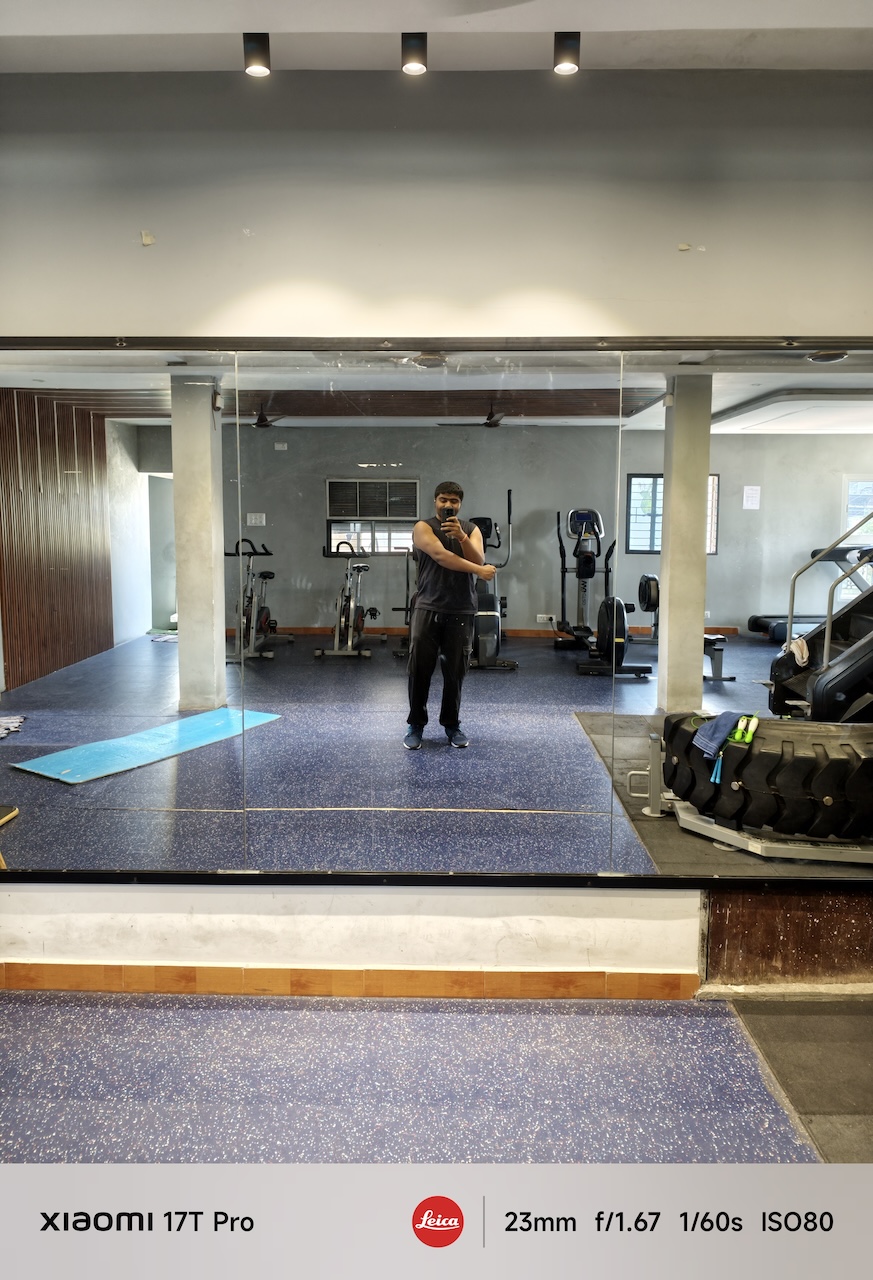
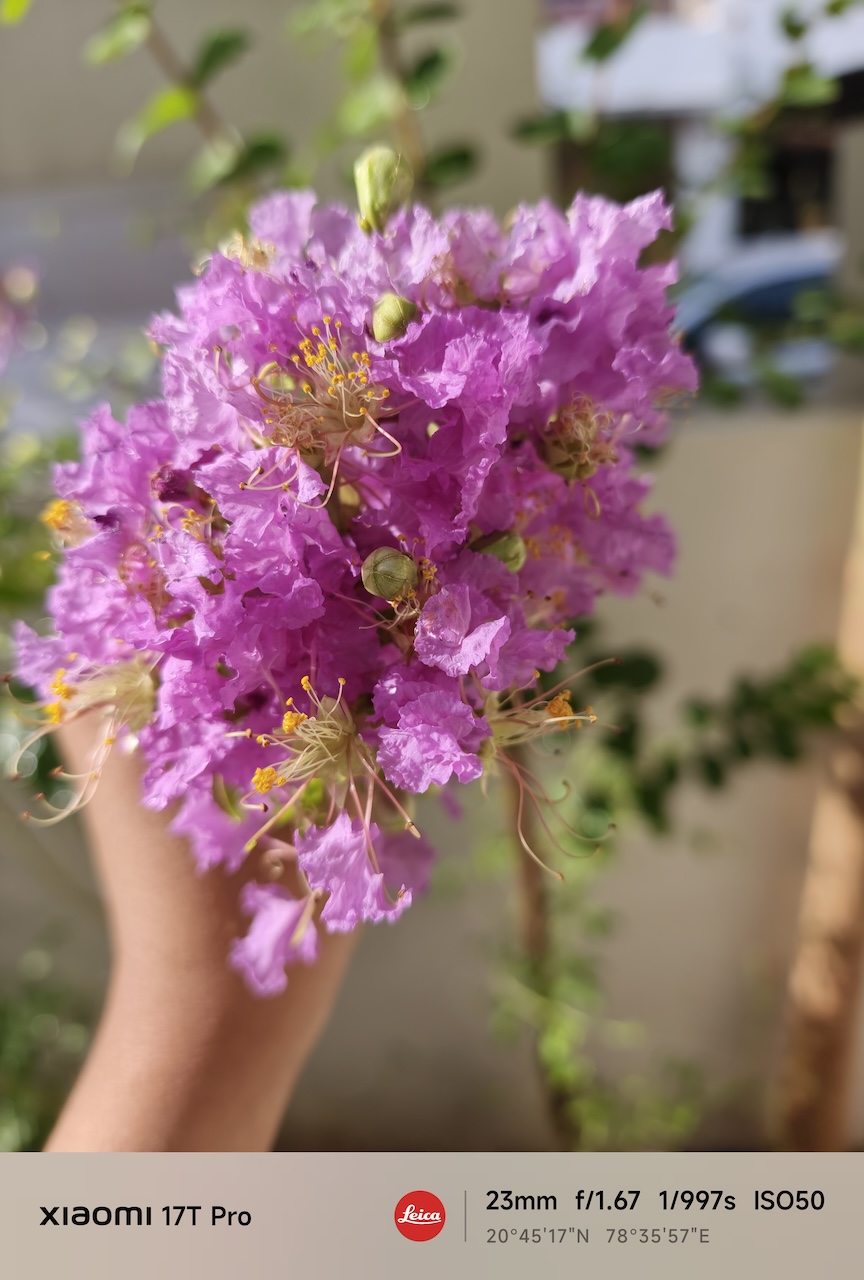
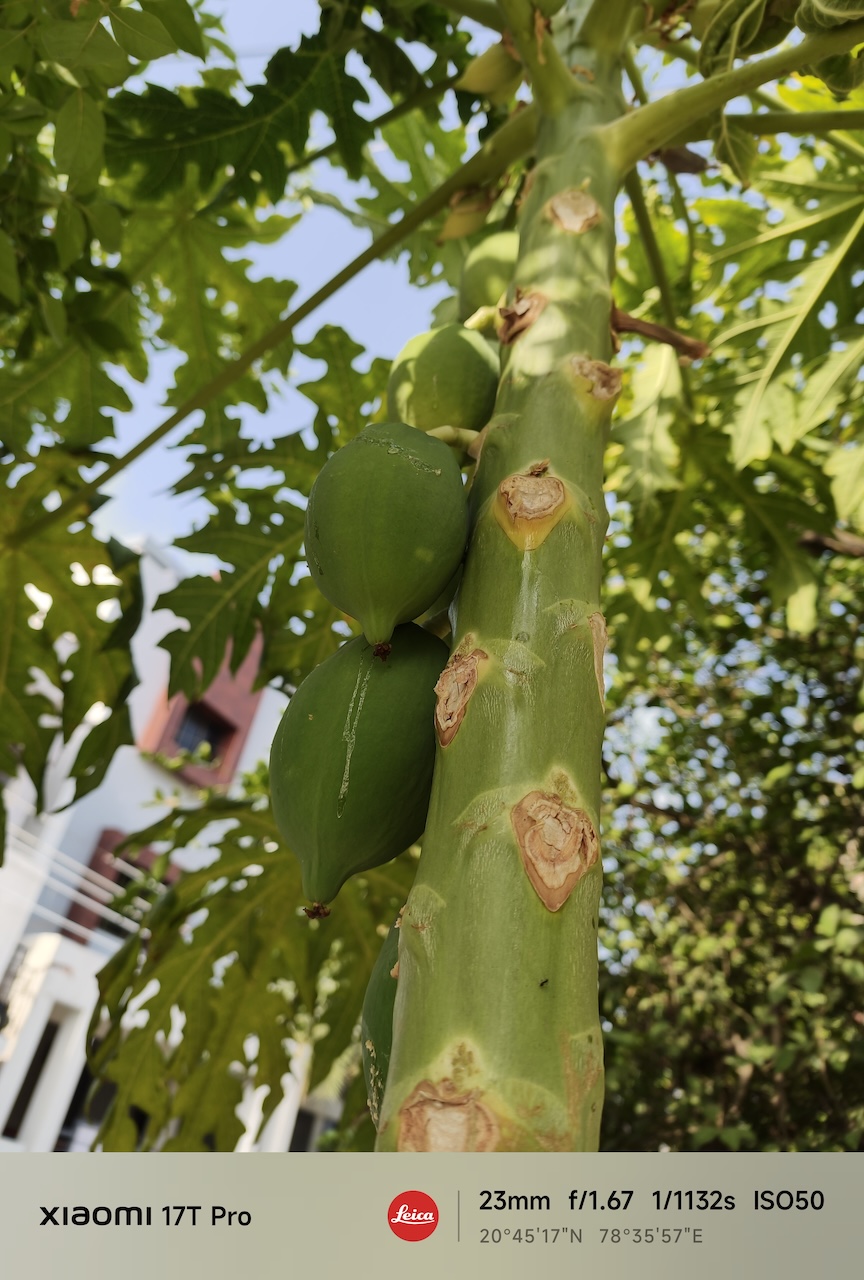
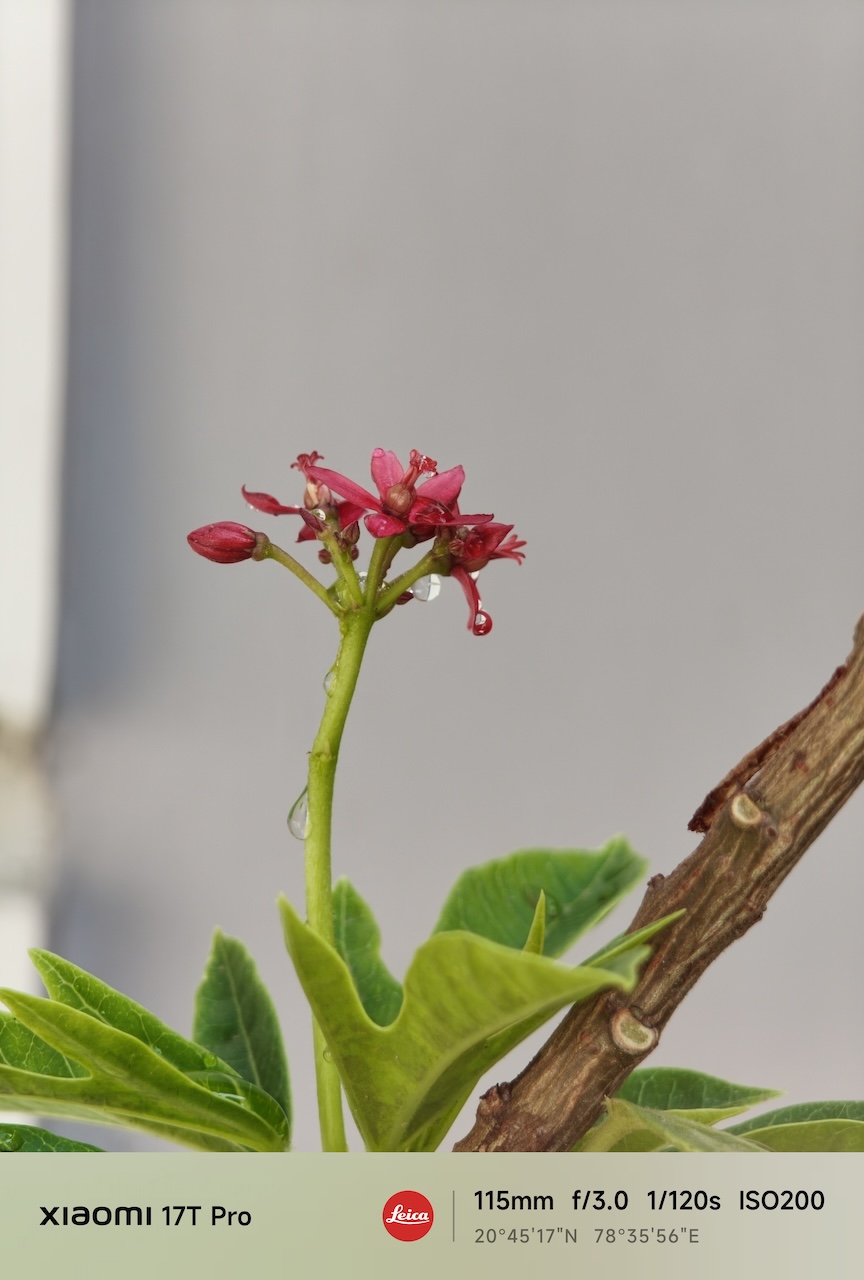
Another new addition is the Leica Live Moment. I found this feature super interesting. It is basically live photos and guess what? It works across all three lenses and also supports various Leica color profiles. It’s worth mentioning that the ultra-wide lens of the phone is strictly average and I would’ve liked a better module on the phone.
Is the Xiaomi 17T Pro really a good choice?
Yes, it is. If you want a bigger battery, a large screen, a better in-hand feel, powerful performance, versatile cameras, and solid software support, the Xiaomi 17T Pro stands out as a compelling alternative to the Samsung Galaxy S26+, the Pixel 10 Pro, and the Motorola Signature smartphones—there's no doubt about it. Considering that most of its competitors still offer relatively small battery capacities, the Xiaomi phone simply makes more sense for users who want the phone with a large battery.
The Xiaomi 17T Pro now starts at €899 for the 12 GB + 256 GB model. The smartphone delivers in many areas, though it's not perfect. For detailed performance insights, stay tuned for our Xiaomi 17T Pro in-depth review.
 Add as a preferred source on Google


