




E Ink launches Kaleido 4 colour e-paper with video playback at up to 18fps
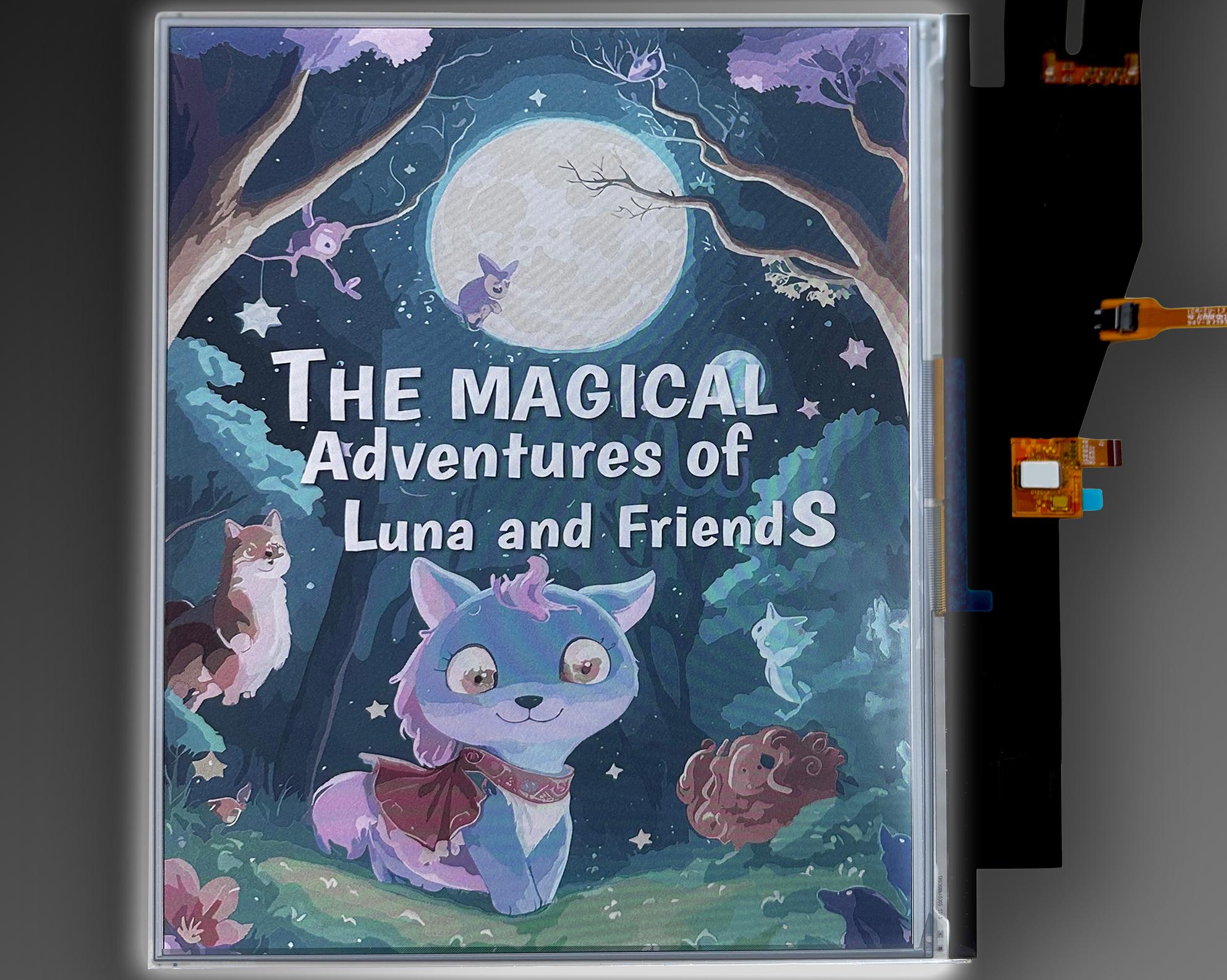
E Ink has announced Kaleido 4, the latest version of its color e-paper platform, promising a wider color range, brighter whites, and smoother motion than the generation it replaces. The Taiwan-based display maker announced the technology on 15 October and named Hanvon Technology’s M10C II smart notebook as the first product to use it.
According to E Ink, Kaleido 4 doubles the color gamut volume of Kaleido 3 to more than 40K. White reflectance is up 15%, and contrast has improved by 50% compared with the previous generation. The company says new algorithms also allow the panel to play video at up to 18fps. E-paper screens have historically refreshed far more slowly than LCD and OLED panels.
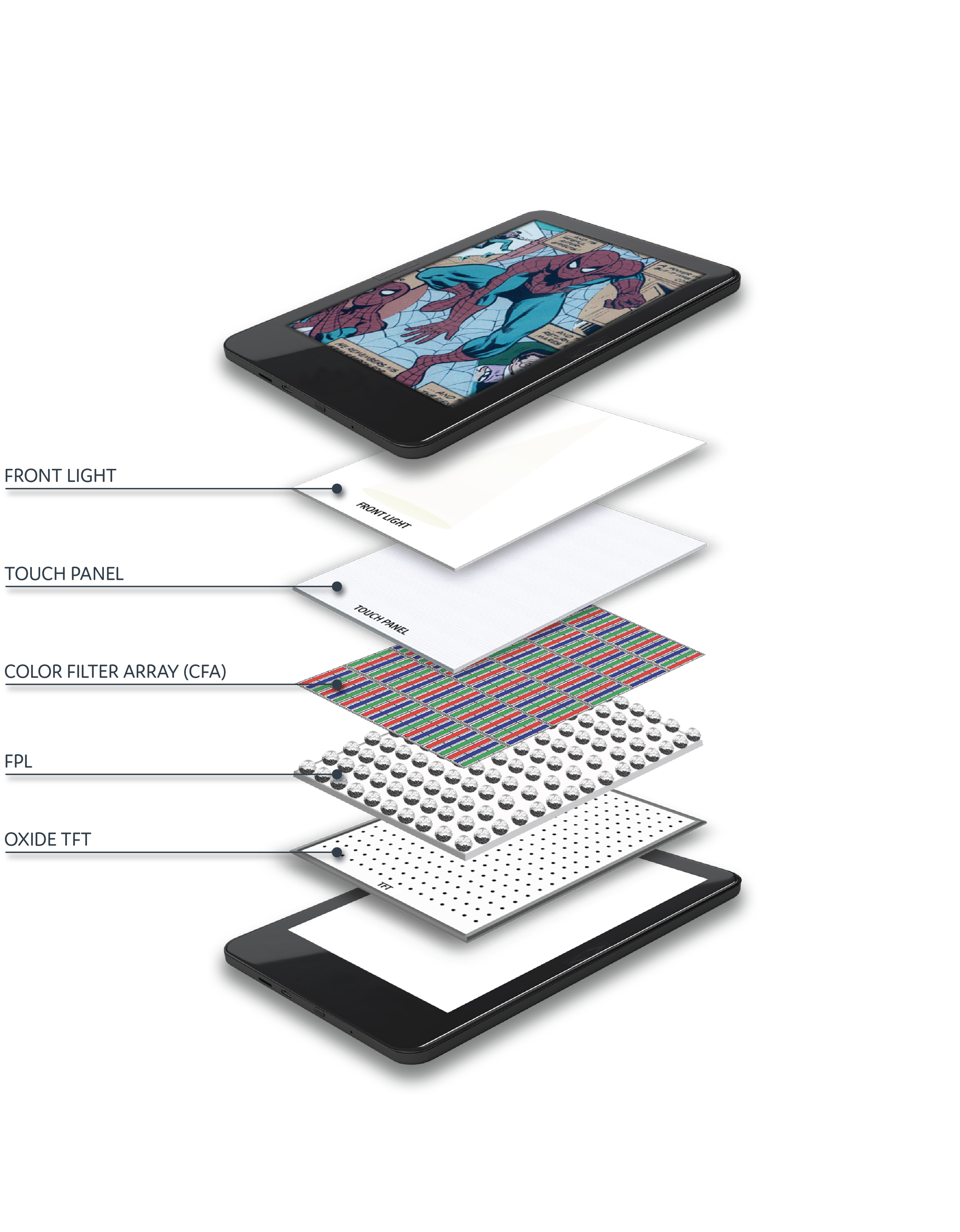
Kaleido 4 also introduces an oxide thin-film transistor (TFT) backplane, which E Ink says supports higher driving voltages and faster screen refreshes. Amazon has previously said it made a similar oxide backplane change to the Kaleido display in its original Kindle Colorsoft.
E Ink is aiming the upgrade at the changing mix of content on e-paper devices, which now extends beyond e-books to color PDFs, PowerPoint slides, data charts, educational illustrations, and engineering drawings. The company says the improvements let Kaleido 4 present images, charts, presentations, and videos with greater clarity while reducing visible graininess.
“Color ePaper needs to deliver more than simply ‘color,’” said Johnson Lee, Chairman and CEO of E Ink. Lee said the company was pleased to work with Hanvon on the first Kaleido 4 product and that the partnership would broaden the use of color e-paper in professional reading, learning, and mobile office settings.
Kaleido is the color e-paper technology behind devices from e-reader brands including Amazon, Kobo and Boox. The panels create color by placing a color filter array over E Ink’s black-and-white ink particles, an approach that keeps refresh times relatively quick. Reviewers have noted that text on Kaleido 3 screens looks softer than on monochrome displays.
E Ink’s Gallery 3 technology, used in the reMarkable Paper Pro, relies on colored pigments instead and produces richer images at the cost of slower refreshes. Kaleido 3 offers 300ppi in black and white and 150ppi in color, according to E Ink, and the company has not published resolution figures or panel sizes for Kaleido 4.
The Hanvon M10C II combines Kaleido 4 with the company’s proprietary Enhanced Pressure Floating technology and T2000 timing controller. E Ink says the pairing delivers 27% faster page turning and scrolling on the device. A redesigned front light is intended to produce clearer, more natural color. The tablet’s wireless, battery-free pen supports 8,192 levels of pressure sensitivity, and its micro-etched tempered glass reduces glare and parallax while giving the writing surface a paper-like resistance.
Hanvon’s OCR, voice, and AI-powered office applications ship on the M10C II, along with cloud library syncing, ripple reduction, third-party app scaling, and optimized font rendering. Wang Jie, Vice President of Hanvon Technology, said the company had developed the display, refresh, handwriting, recording, and AI capabilities as a system rather than treating the launch as a simple screen upgrade.
He added that Hanvon wants to move color e-paper beyond reading and into work such as research and development, professional document review, meeting records, and mobile office use. The M10C II, which is currently sold only in China, is the only device officially confirmed to use Kaleido 4. E Ink’s announcement did not include pricing for the tablet or a timeline for other manufacturers to adopt the display.
Source(s)
 Add as a preferred source on Google


No comments for this article
