




Dark Souls Remastered reportedly runs on Pixel 11 Pro XL as DroidDeck fork adds experimental GPU support
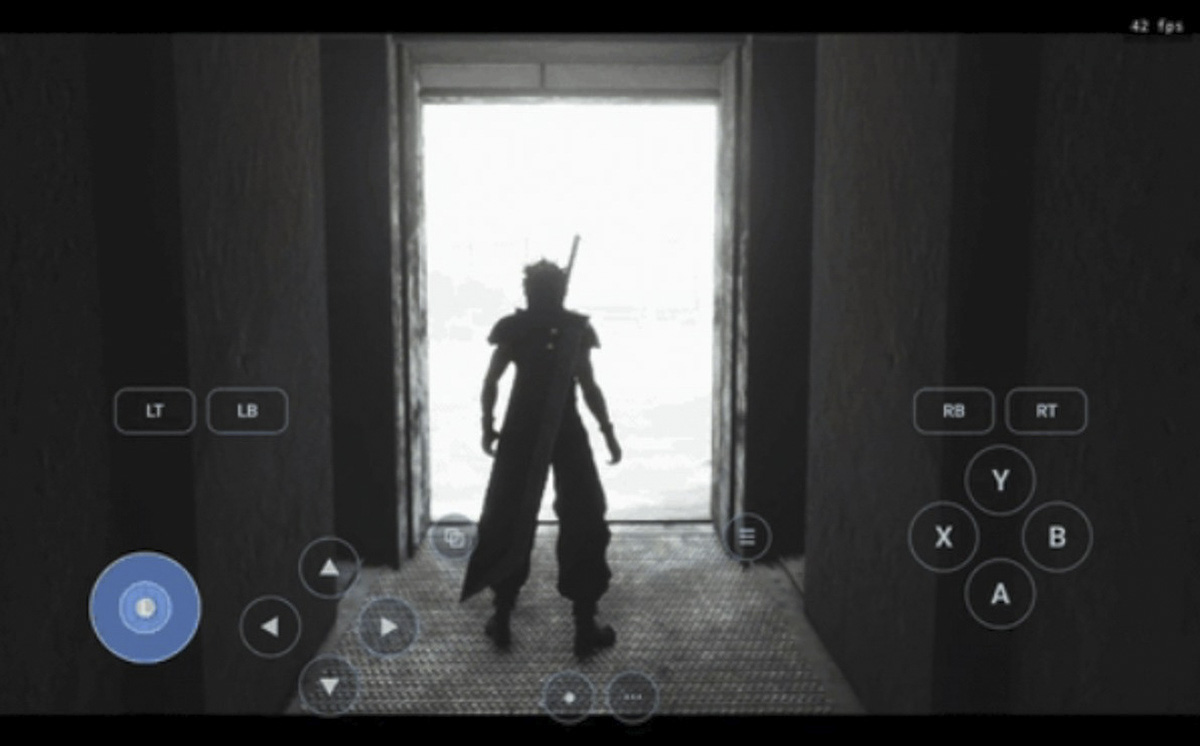
An experimental version of DroidDeck, the project bringing a SteamOS-style gaming environment to Android, has reportedly managed something its official release does not yet support: running a Windows PC game on Google's PowerVR-equipped Pixel hardware.
Developer William Allen, known on GitHub as wallentx, says he reached gameplay in Dark Souls Remastered on a Pixel 11 Pro XL using a modified version of DroidDeck and an experimental graphics profile. The result suggests a possible route beyond the project's established Adreno GPU support, although broader compatibility remains unverified.
How did Dark Souls Remastered reach a Pixel?
According to Allen's GitHub report, the experimental configuration uses a compatibility approach based on libhybris to help the Linux environment communicate with the phone's graphics driver.
The developer has tested two games so far. Dark Souls Remastered reached gameplay using an earlier, manually configured experimental profile. Tiny Combat Arena reportedly crashed during launch with standard settings but loaded and played using the experimental configuration.
An 11 October prerelease makes the graphics options clearer, allowing users to switch between Standard and Experimental modes. In a subsequent pull request, Allen reported that automated build and test checks had passed and confirmed that he had tested the resulting APK on his Pixel 11 Pro XL, successfully running both Dark Souls Remastered and Tiny Combat Arena.
There are also significant stability concerns. Allen reported a PowerVR GPU lock-up that caused a forced reboot, and broader performance and game compatibility remain unverified.
Separate Pixel 8 Pro experiment makes progress with Mali graphics
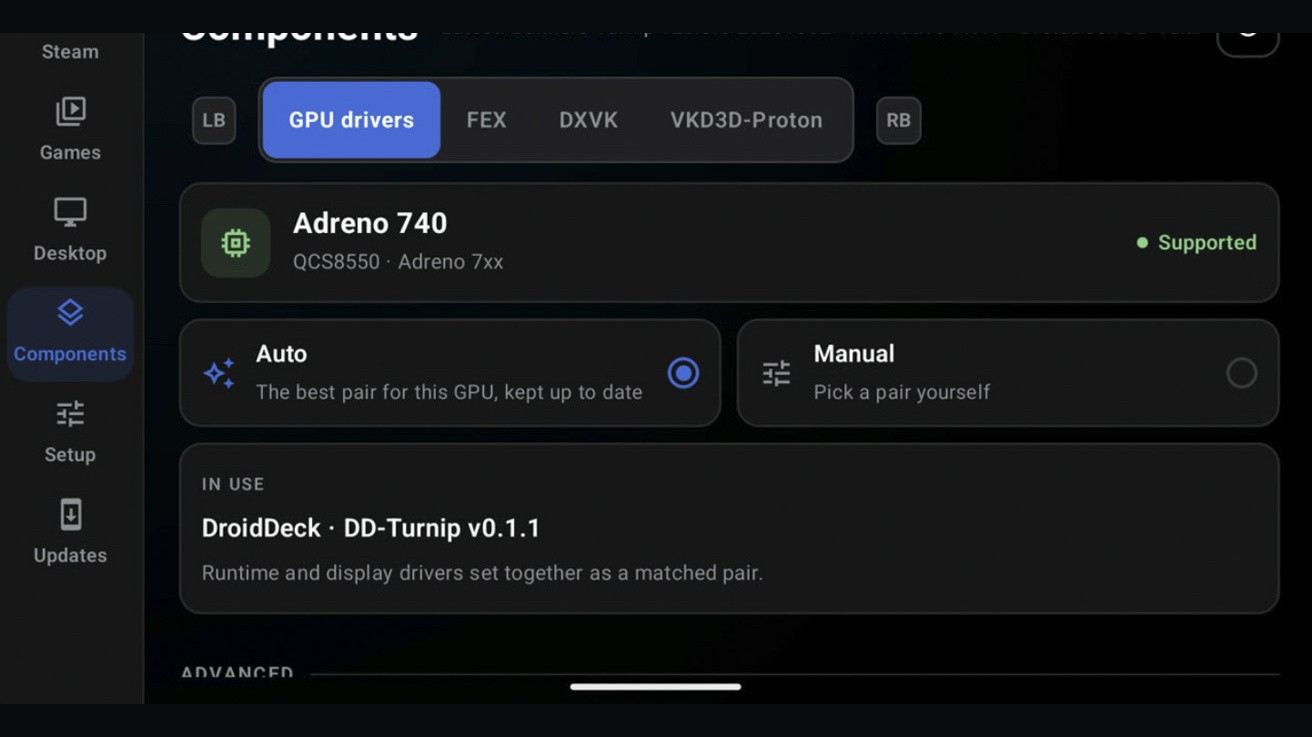
The PowerVR work is not the only attempt to bring DroidDeck to other GPU architectures. On 11 October, developer SPLATPLAYS published an experimental Mali/PanVK build targeting Tensor G3-powered Pixel 8, Pixel 8 Pro and Pixel 8a devices, with testing reported on the Pixel 8 Pro.
The developer reports that the desktop, input controls, Firefox and OpenGL applications work. Steam Big Picture, however, reaches a loading screen before returning to black.
Does this mean DroidDeck now supports non-Adreno Pixels? Not officially. Both developments involve independent experimental forks, and neither demonstrates dependable PC gaming across Google's Pixel range.
Nevertheless, the reported results offer a glimpse of how DroidDeck's hardware compatibility could develop beyond its existing Adreno-focused implementation. Allen has submitted the PowerVR changes to the main DroidDeck project through a pull request, although they remain under review and have not been merged.
Source(s)
- DroidDeck: Official GitHub repository
- GitHub: Developer discussion of non-Adreno graphics support and Pixel 11 Pro XL gameplay
- GitHub: Additional developer discussion and Pixel 8 Pro testing
- GitHub: Pixel 11 Pro XL experimental fork, 11 October release
- GitHub: Pixel 8 Pro Mali/PanVK experimental release
- DroidDeck pull request #570
 Add as a preferred source on Google


