




China aims to return Mars samples in 2031 while NASA’s mission remains in limbo
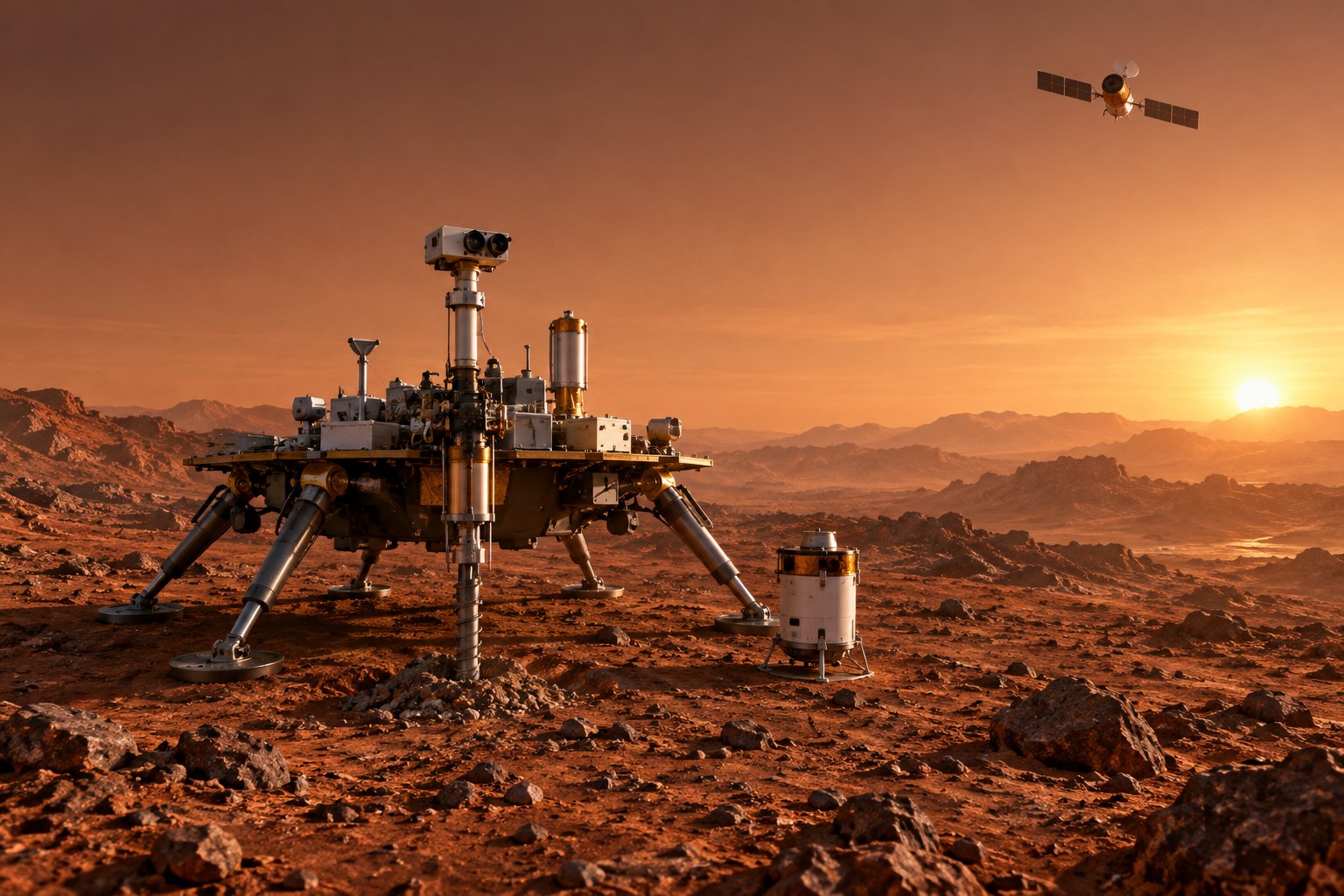
China is moving ahead with plans to return samples from Mars, with the Tianwen-3 mission currently scheduled to launch in 2028. The ambitious project could give China a chance to be the first country to bring Martian material back to Earth — potentially ahead of NASA’s Mars Sample Return effort, whose future remains uncertain.
Hou Zengqian, Tianwen-3’s chief scientist, recently told Chinese state media that the mission remains on track for a 2028 launch and a 2031 sample return. He said the project is moving into the prototyping stage, though significant technical challenges remain before the spacecraft can be considered ready for launch.
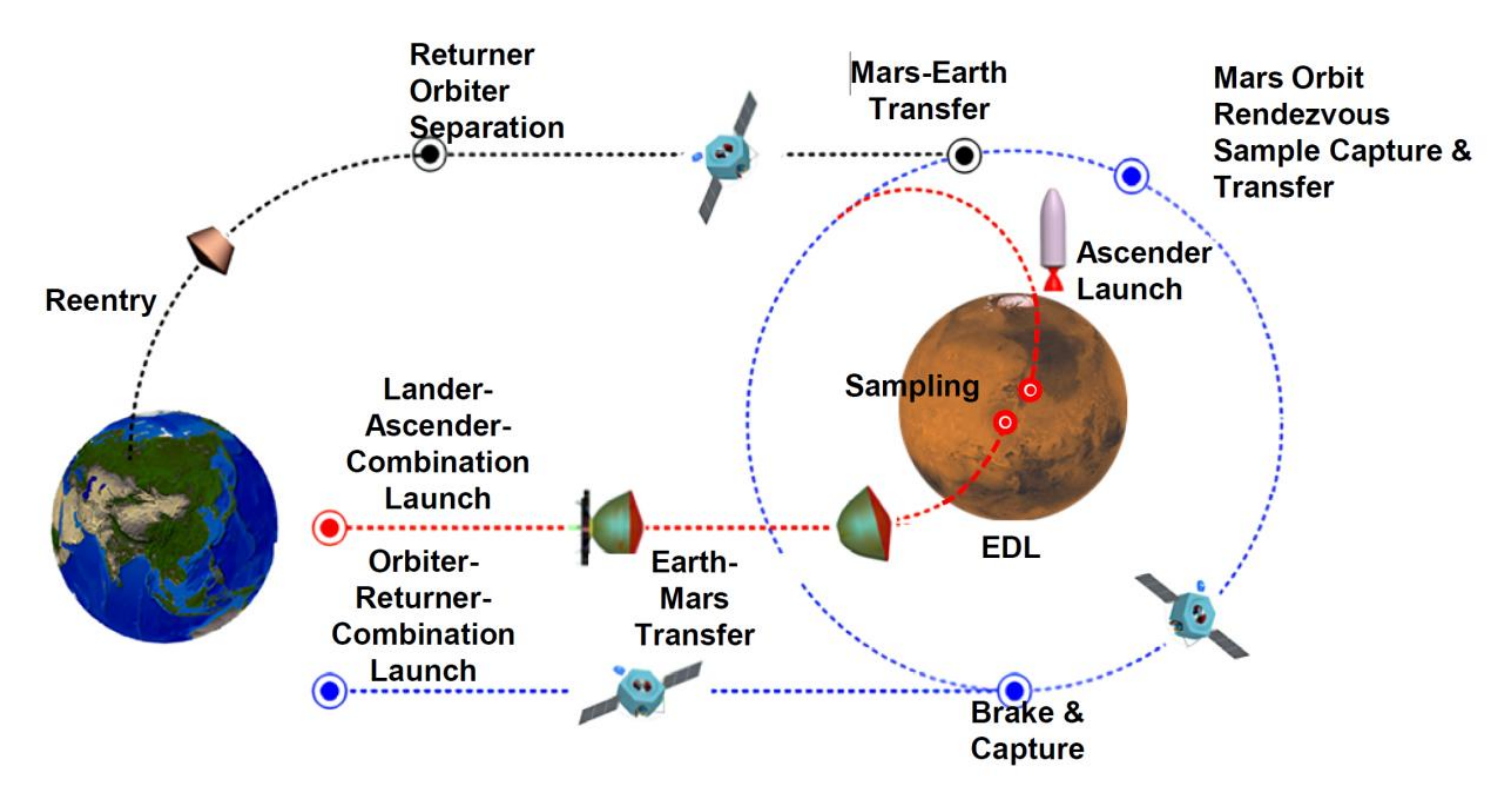
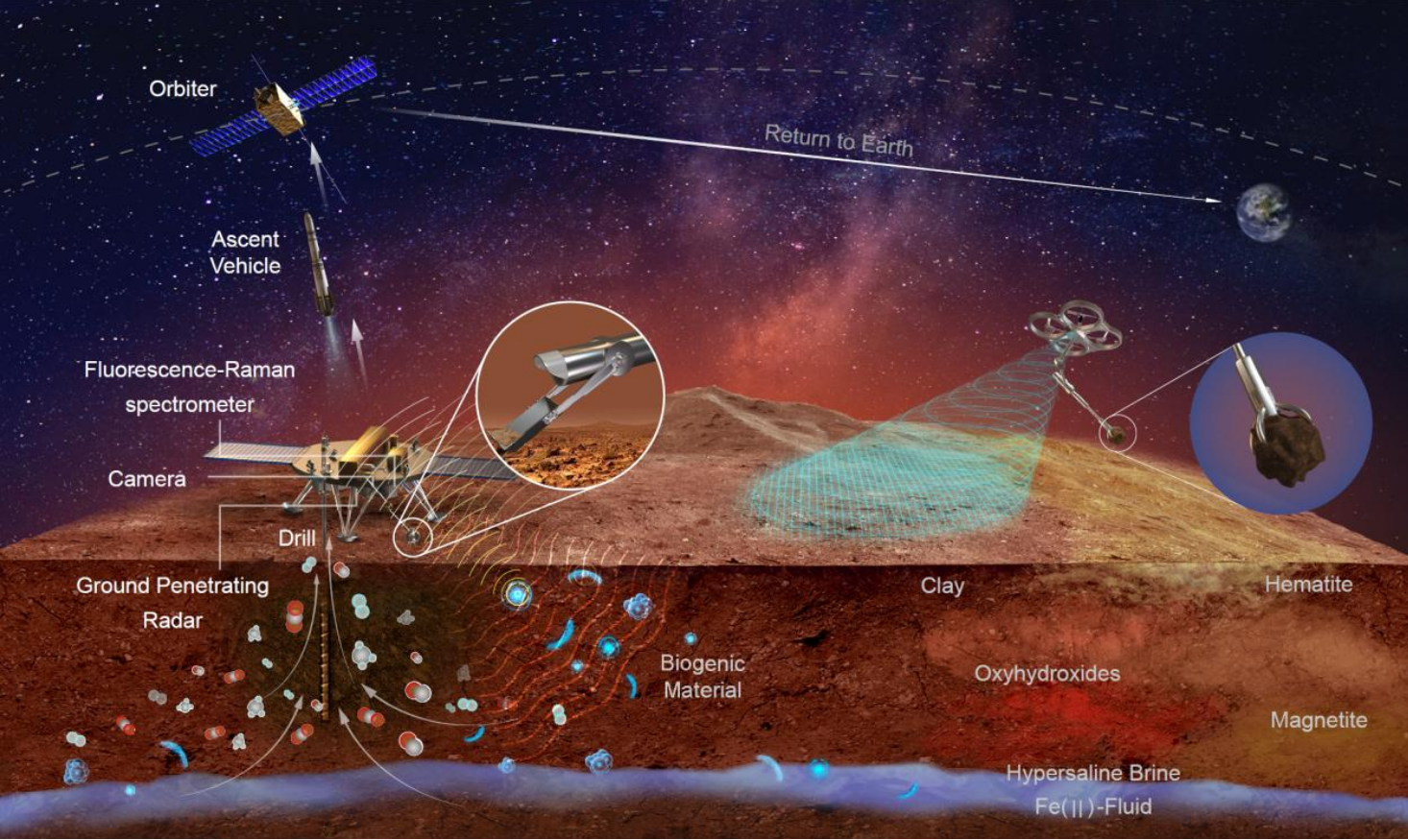
Tianwen-3 is designed to use two Long March 5 rockets: one carrying a lander and the other an orbiter. After reaching Mars, the stationary lander is expected to drill about seven feet into the surface, collect roughly 18 ounces (about 500 grams) of rock and soil, and launch the sample directly into Martian orbit. The orbiter would then capture the container and carry it back to Earth. The surface mission is expected to last about two months.
The approach is considerably simpler than NASA’s Mars Sample Return concept. NASA’s Perseverance rover has been collecting and storing Martian samples since its 2021 arrival, but the proposed return plan would require a separate retrieval mission to collect them, launch them from Mars and transfer them to another spacecraft for the journey home. Tianwen-3 would avoid a rover-based cache-retrieval phase by collecting and launching its own samples from a stationary lander.
That simpler architecture could reduce both technical complexity and cost, although returning material from Mars remains an extraordinarily difficult undertaking. NASA’s plan has faced estimates of between $7 billion and $11 billion, alongside concerns that costs could climb even higher. Funding uncertainty has left the return of Perseverance’s samples without a clear timetable.
Tianwen-3 is expected to search for evidence of past or present Martian life. A successful 2031 return would be a major scientific milestone for China and another significant moment in the growing U.S.-China competition in lunar and deep-space exploration.
Source(s)
 Add as a preferred source on Google


