




Cheaters in Wardogs: Do developers even stand a chance anymore?
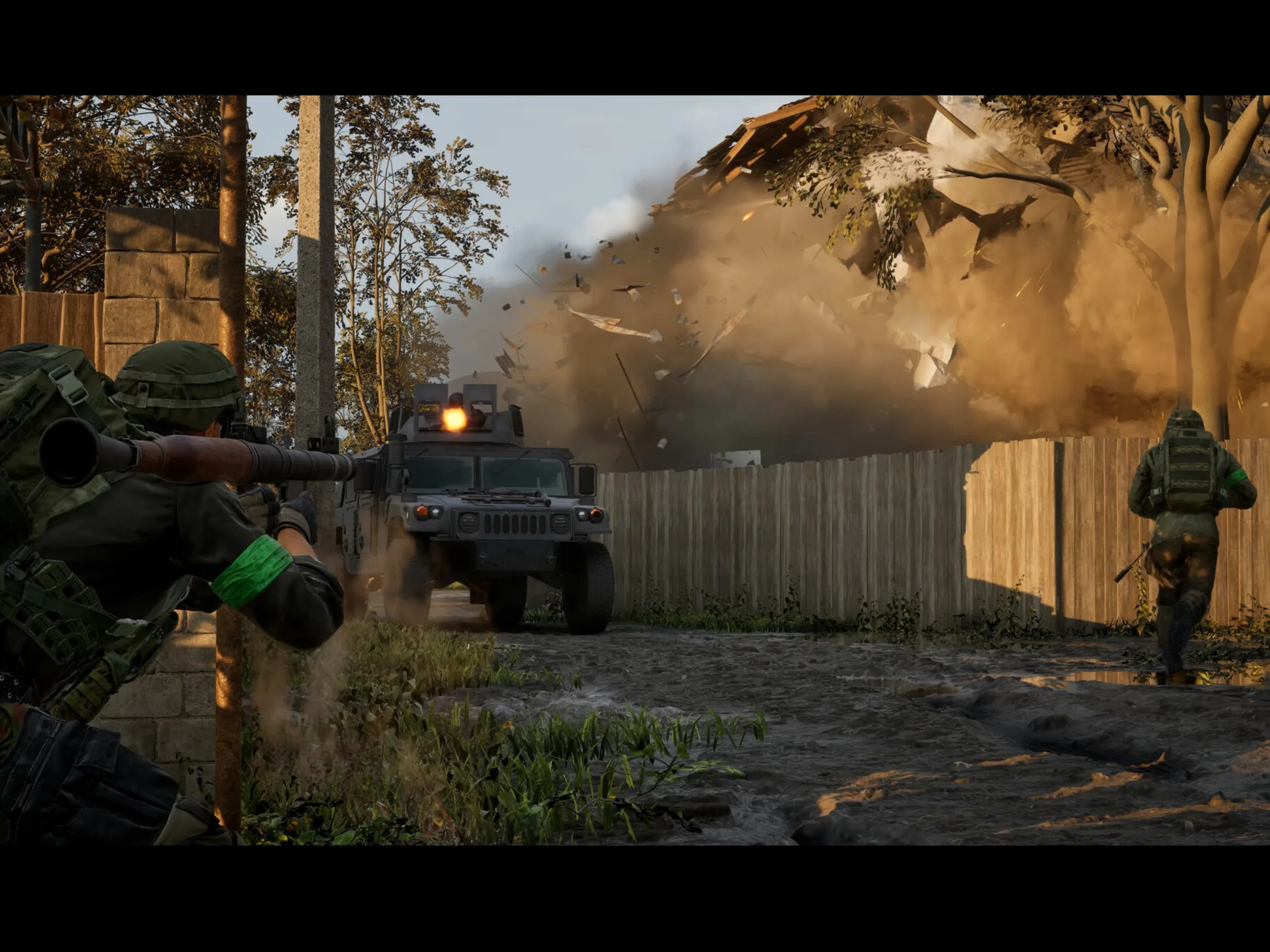
The Reddit thread that sparked the discussion already has a rather telling title: “Wardogs has shown me that no matter how good the devs are? Hacking is becoming worse.” What makes it particularly interesting is that the thread's creator, u/Guitarshredder_1996, explicitly praises the Wardogs developers. That makes his observation all the more sobering: Despite an apparently highly committed team, the number of suspicious players has reportedly increased significantly over the past few days. The biggest problem isn't even blatant aimbots, but rather more subtle tools such as wallhacks or recoil control.
The result is a growing sense of uncertainty. Several users say they can barely tell whether an unusually good opponent simply outplayed them or whether they actually encountered a cheater. After all, not everything that looks suspicious necessarily involves cheating: Footsteps, markers, strong map knowledge or legitimate shots through certain surfaces can quickly create the wrong impression. At the same time, subtly used cheats are difficult to identify with certainty.
For many players, the real problem is therefore less the individual cheater and more the resulting loss of trust. Some longtime FPS players say they now largely avoid competitive multiplayer games and instead prefer single-player, PvE or private co-op experiences. Surprisingly, Wardogs itself receives relatively little criticism. Several players even report that obviously suspicious users were removed from matches within minutes after being reported by multiple players.
However, this paints a rather sobering picture. Even a committed team like Bulkhead can apparently only contain cheating rather than prevent it entirely. The technological arms race with cheat providers therefore remains an ongoing problem.
Cheating as an endless game of cat and mouse
In the discussion, cheats are no longer associated solely with individual hobby programmers. Instead, many Reddit users point to commercial providers, subscription models, private communities and hardware-based cheats. This creates a permanent game of cat and mouse: As soon as one method is detected and blocked, cheat developers look for another way around it – after all, many of these services are now backed by commercial business models.
Even particularly intrusive anti-cheat systems do not permanently solve the problem in the eyes of the community. Riot Vanguard is repeatedly mentioned as a comparatively effective approach, although it comes with kernel-level access, privacy concerns and potential hardware or Linux compatibility issues. Tougher measures such as hardware bans, identity verification or cross-platform bans are also discussed, but quickly raise similar concerns.
Overall, the thread therefore raises a fairly fundamental question: What options do developers even have left to effectively combat cheaters? The community doesn't arrive at a clear answer. What does become apparent, however, is just how much even the suspicion of cheating can undermine trust in competitive multiplayer games.
 Add as a preferred source on Google


No comments for this article
