




Apple's shift to OLED could end the Mini LED era for premium laptops
A new report from Counterpoint indicates that global notebook display shipments are expected to drop 5 percent in 2026. This contraction follows a period of growth in 2025 and can be largely attributed to rising memory costs, which is plaguing the industry right now. As components like RAM and SSDs become more and more expensive, laptop manufacturers are forced to adjust their hardware configurations and pricing strategies to keep their margins intact.
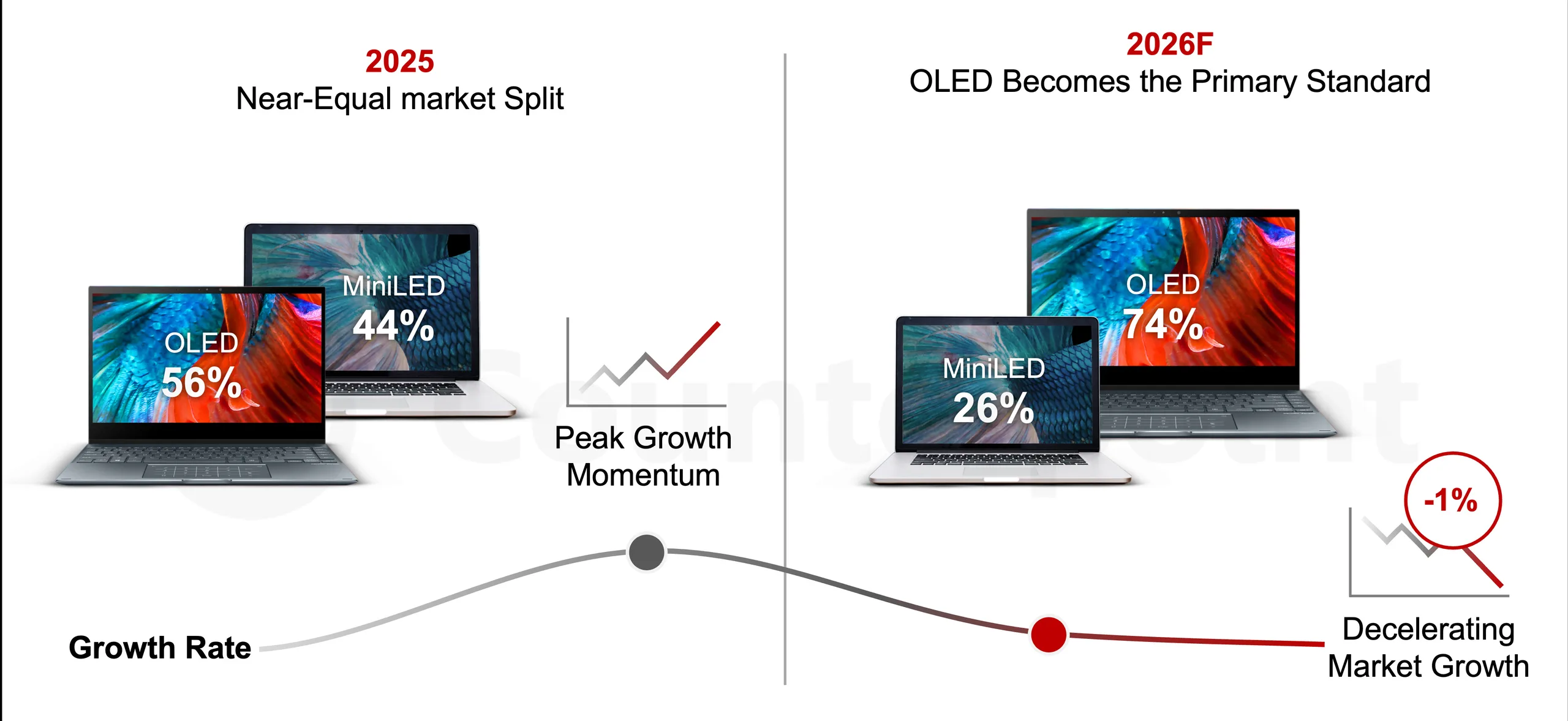
While the market activity as a whole seems to be slowing down, the premium display segment will see a major change soon, as per the report. OLED notebook shipments are projected to grow by 33 percent next year - unlike Mini LED tech, which is expected to see a 43 percent decline in shipments as brands are moving away from the aging backlight system in favor of self-emissive panels.
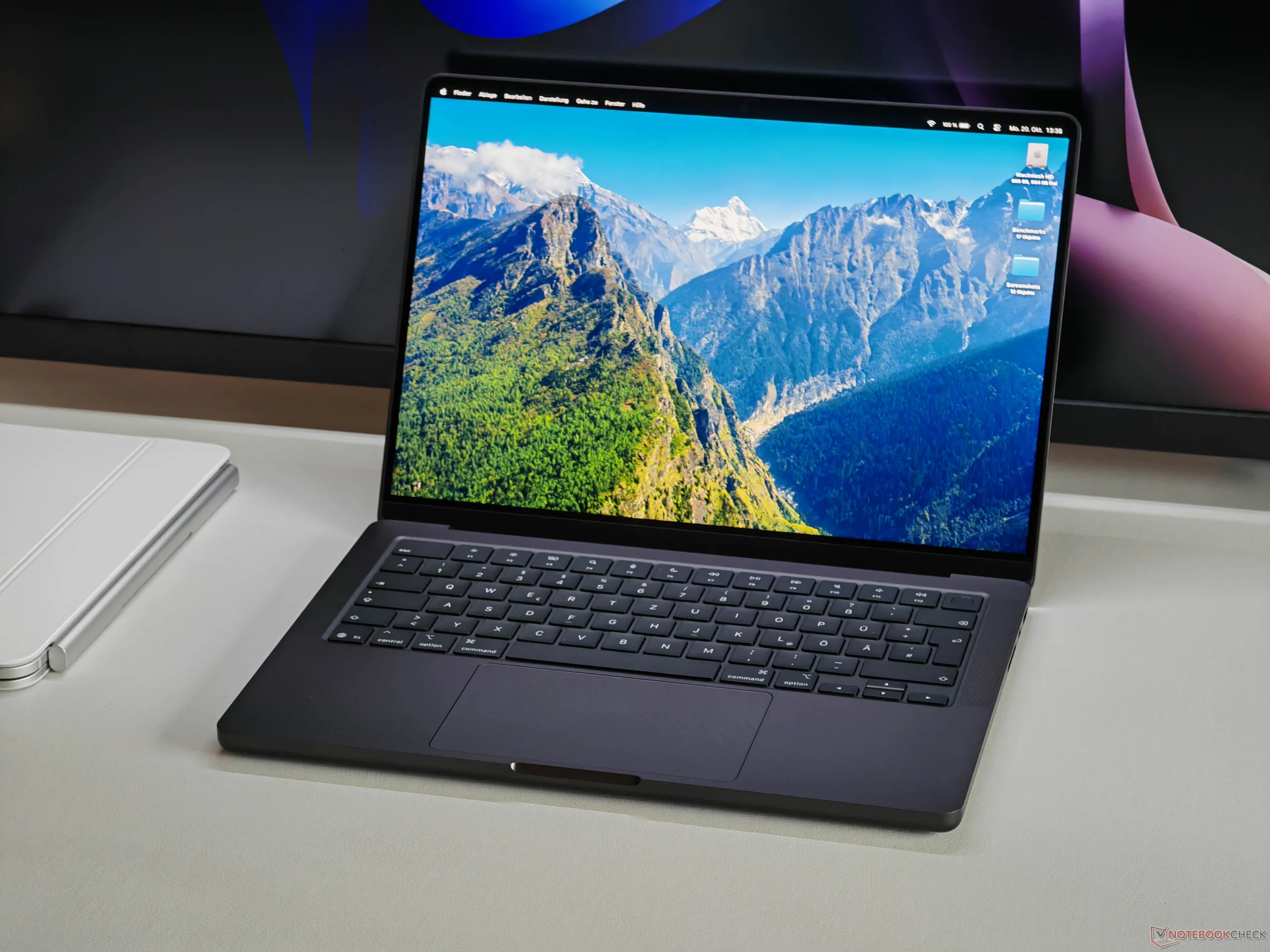
Apple is the one of the major catalysts for this transition. The company is expected to adopt OLED panels for its next-generation MacBook Pro (the M5 variant is curr. $1,799 on Amazon) models, which will effectively spell the decline of Mini LEDs in the company's higher-end products. Also, this will likely promote the adoption of OLED panels across the wider industry, since competitors will try to match the hardware standards set by the Mac ecosystem, Counterpoint says.
Despite all this enthusiasm for new screen tech, the report does mention that the industry will eventually see a normalization phase. Advanced displays overall will likely see a 1 percent dip in 2026. This combo of hardware refresh cycles and AI-enabled software may sustain some demand in the short term, but high component prices is still one of the biggest hurdles right now - for volume growth, that is.
Source(s)
 Add as a preferred source on Google


