




4 GB and 6 GB GDDR7 chips could finally break the VRAM bottleneck on narrow-bus GPUs
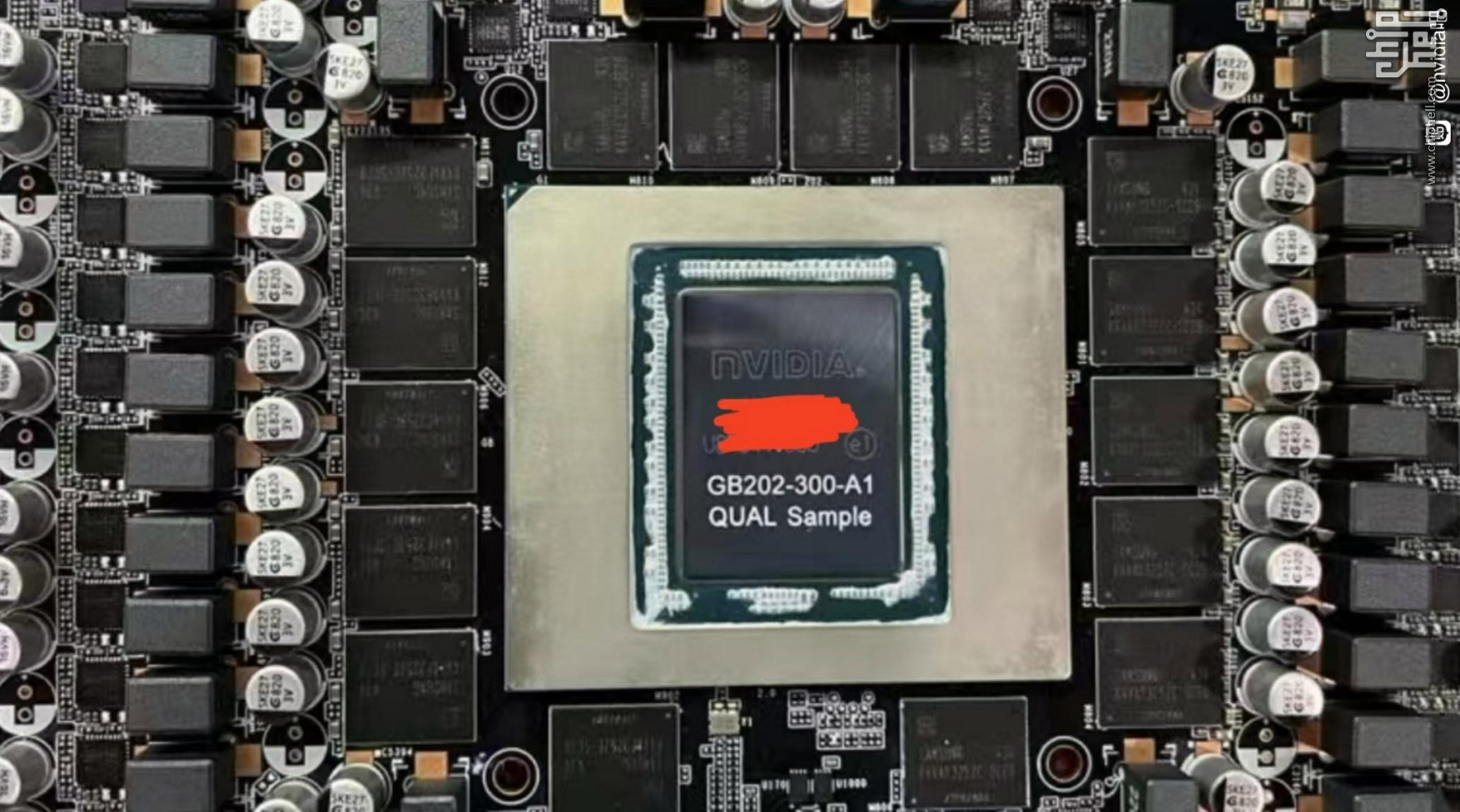
Graphics cards could receive a substantial increase in memory capacity over the next couple of years without requiring wider memory buses. According to well-known leaker Golden Pig Upgrade, 4 GB and 6 GB GDDR7 memory chips are expected to become available in either 2027 or 2028.
Most consumer GDDR7 graphics cards currently use 2 GB (16 Gb) memory chips. Higher-density 3 GB modules are already available, although their adoption has been limited on high-end SKUs such as the RTX 5090 laptop.
Moving to 4 GB and eventually 6 GB chips could dramatically expand the configurations available to GPU manufacturers without changing the underlying memory bus. A 128-bit graphics card using four memory packages could offer 16 GB with 4 GB chips or up to 24 GB with 6 GB chips. Likewise, eight 4 GB packages on a 256-bit interface would yield 32 GB, while 6 GB chips would increase that figure to 48 GB.
| Memory bus | Packages | 2 GB chips | 3 GB chips | 4 GB chips | 6 GB chips |
|---|---|---|---|---|---|
| 128-bit | 4 | 8 GB | 12 GB | 16 GB | 24 GB |
| 192-bit | 6 | 12 GB | 18 GB | 24 GB | 36 GB |
| 256-bit | 8 | 16 GB | 24 GB | 32 GB | 48 GB |
| 384-bit | 12 | 24 GB | 36 GB | 48 GB | 72 GB |
| 512-bit | 16 | 32 GB | 48 GB | 64 GB | 96 GB |
Those are possible configurations that could potentially be used on upcoming graphics cards. Nevertheless, denser chips could be particularly useful at the lower end of the market, where narrow 128-bit interfaces have heretofore made large VRAM capacities comparatively awkward or expensive to implement, but only when market conditions stabilise.
VideoCardz claims, citing sources familiar with partner supply chains, that today’s 3 GB GDDR7 chips remain particularly expensive and that their price has contributed to delays surrounding the rumoured RTX 5050 9 GB and RTX 50 Super refresh. The publication suggests that 4 GB chips could eventually become the more practical option for mainstream products, while 6 GB packages may initially make more sense for workstation and other high-memory GPUs.
Timing could make the new memory densities relevant to more than one GPU generation. Golden Pig Upgrade only places their availability somewhere within 2027 or 2028, so there is no confirmation that Nvidia’s GeForce RTX 60 series, AMD’s next Radeon generation or any particular graphics card will actually use them. Still, the development raises the possibility that the familiar combination of narrow memory buses and relatively modest VRAM capacities may become considerably less restrictive over the next few years.
Source(s)
Golden Pig Upgrade on Weibo
via Videocardz
 Add as a preferred source on Google


No comments for this article
