




Verdict on the Oppo Find N6
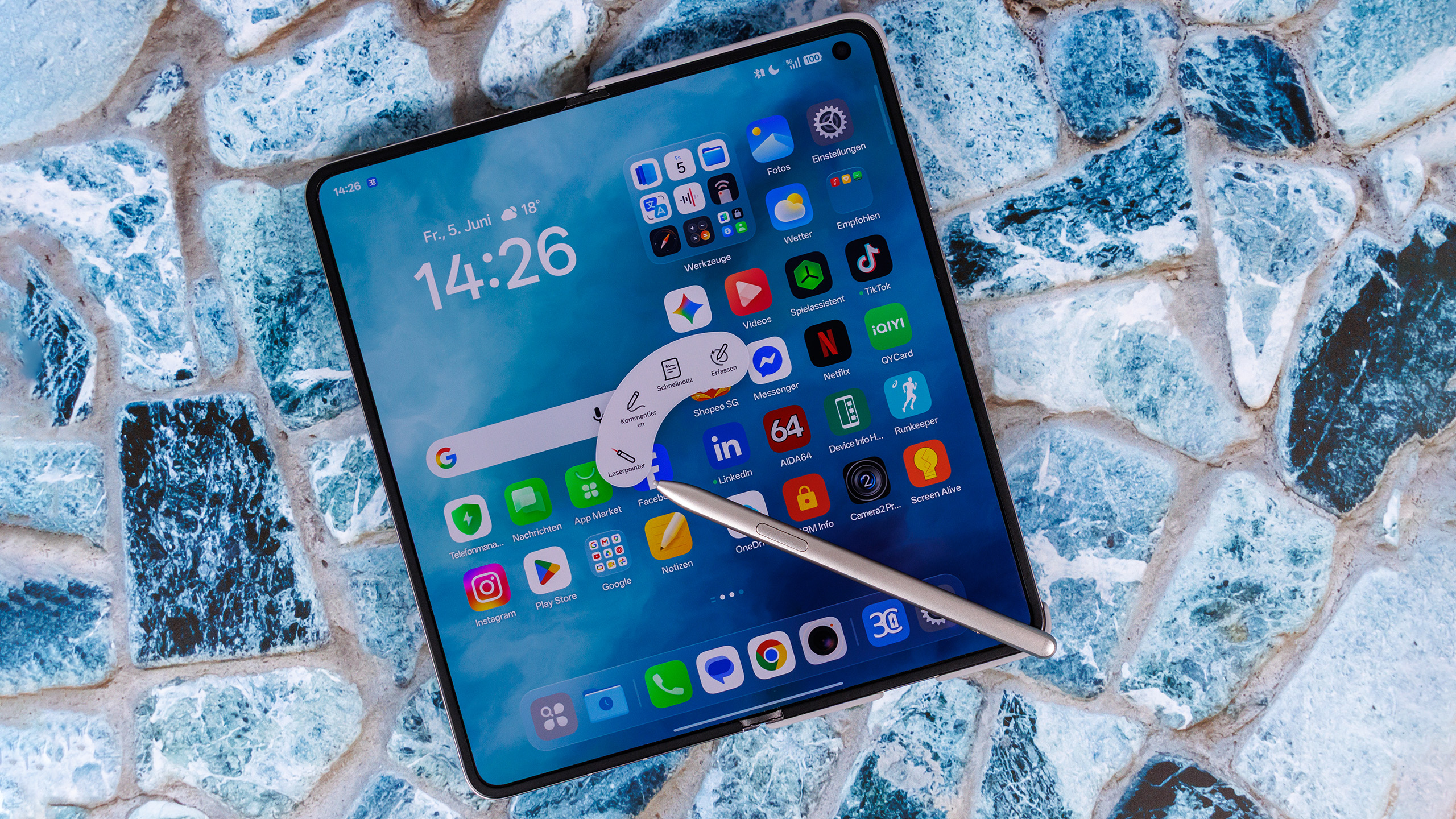
The Oppo Find N6 shows just how far foldables have come. In particular, the almost invisible hinge and the display crease that is now practically imperceptible are clear highlights and make the device much more suitable for everyday use. The build quality, slimmer format and long battery life also make the device very pleasant to use.
In terms of performance, the Find N6 delivers very high speeds thanks to the Snapdragon 8 Elite Gen 5, but it throttles significantly under sustained load. Overall, the camera is among the best in the foldable segment, with the main and telephoto lenses impressing in particular, while the ultra-wide-angle lens is weaker. The display offers strong colours and good brightness, although it does not reach the peak values stated in the datasheet. Points of criticism remain the rather weak speakers, the lack of full dust-protection certification, and limited repairability and sustainability information.
Pros
Cons
Price and availability
Oppo has not announced an official RRP for the Find N6 in Europe, as the device is not officially available in the region. Nevertheless, it is offered via Amazon, including by Oppo itself, although at a fairly high price. The global model is also available from retailers such as ProShop and Gomibo, while the Chinese model can be imported via TradingShenzhen. Availability, prices and warranty terms may vary by region.

- $1,349.25Samsung Galaxy Z Fold7 Cell Phone, 256GB AI Smartphone, Unlocked Android, AI Photo Edits, Large Screen, Long Battery Life, 2025, US 1 Yr Manufacturer Warranty, Blue Shadow
- $1,223.31Google Pixel 10 Pro Fold - Unlocked Smartphone with Gemini - Moonstone - 256 GB
- $1,159.00Samsung Galaxy S26 Ultra, Unlocked Android Smartphone, 512GB, Privacy Display, Galaxy AI, AI Camera, Super Fast Charging 3.0, Durable Battery, 2026, US 1 Year Warranty, Cobalt Violet
Table of Contents
- Verdict on the Oppo Find N6
- Oppo Find N6 specifications
- Case: not thinner, but narrower and crease-free
- Features: with Oppo AI Pen and Snap Key
- Software: Find N6 will receive Android 21
- Communication and GNSS: Oppo Find N6 with 5G and Wi-Fi 7
- Phone functions and voice quality
- Cameras: only one lens on the N6 shows weakness
- Accessories and warranty: power adapter included
- Input devices and operation: AI Pen with genuine added value
- Foldable display: bright and accurate panel in the Find N6
- Cover display: higher brightness
- Performance: Snapdragon 8 Elite Gen 5 for the Oppo Find N6
- Emissions: Find N6 throttles heavily
- Battery life: foldable with 6,000 mAh
- Notebookcheck overall rating
- Possible alternatives at a glance
With the Oppo Find N6, the successor to the Find N5, the manufacturer continues to develop its foldable concept and noticeably improves key weaknesses of its predecessor. In particular, the redesigned hinge results in a much flatter display crease and a generally more robust feel in everyday use.
At the same time, the device is slimmer and lighter, which makes it easier to handle when folded. Oppo has also upgraded performance, using current high-end hardware that delivers more speed and efficiency. This is complemented by an improved camera, which should benefit especially in difficult lighting conditions, as well as optimised software for better multitasking on the large inner display.
Oppo Find N6 specifications
Case: not thinner, but narrower and crease-free
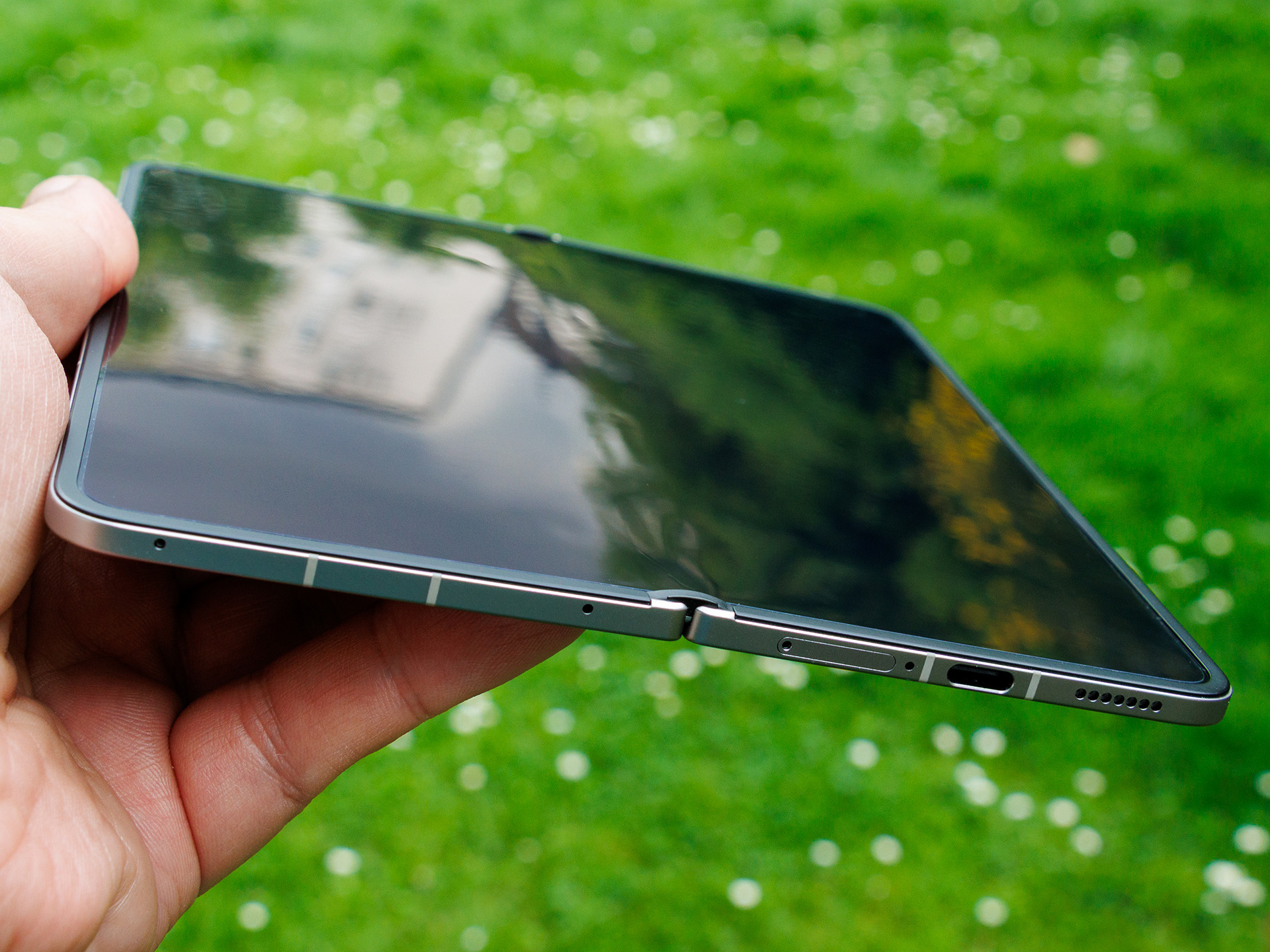
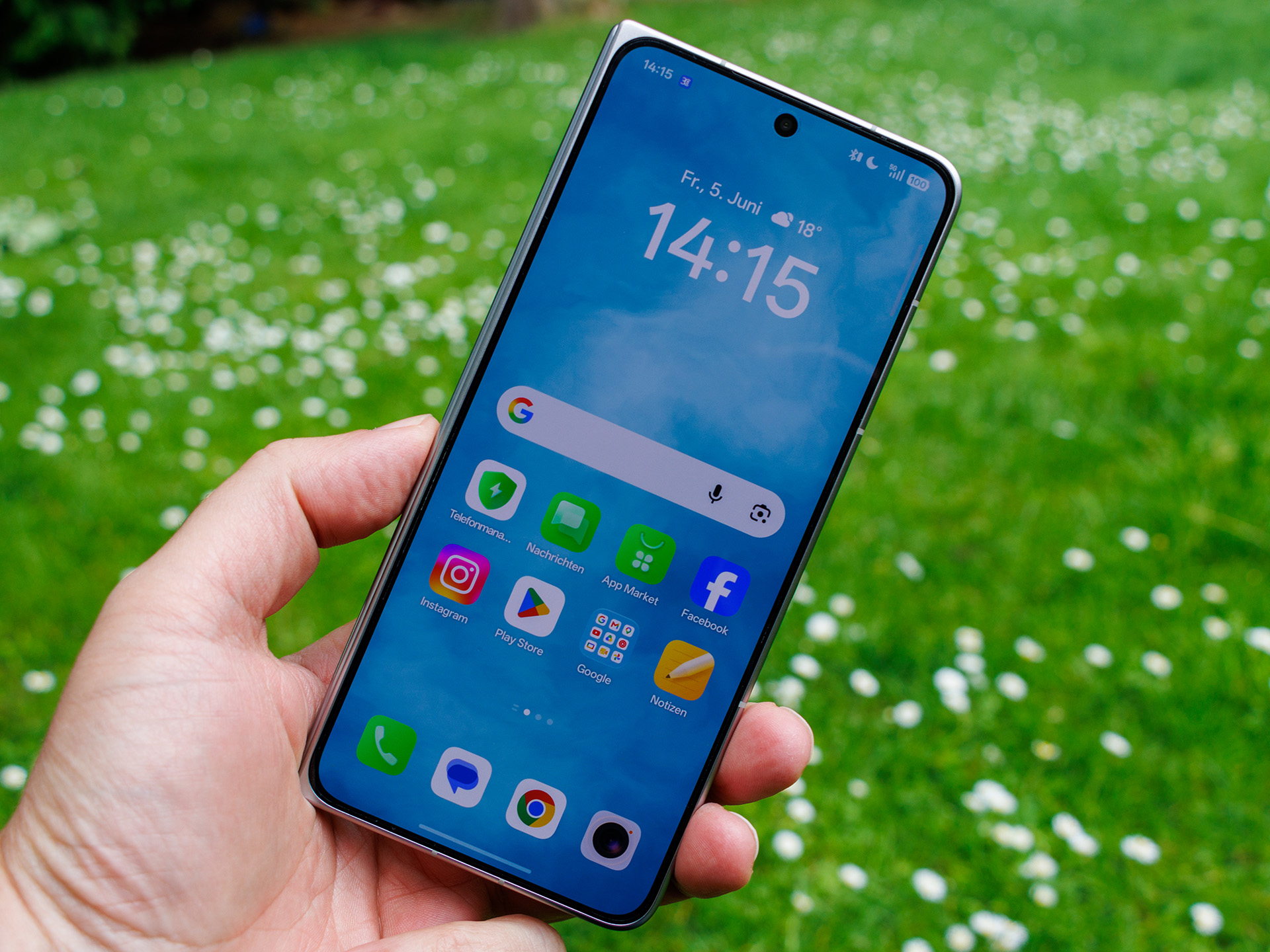
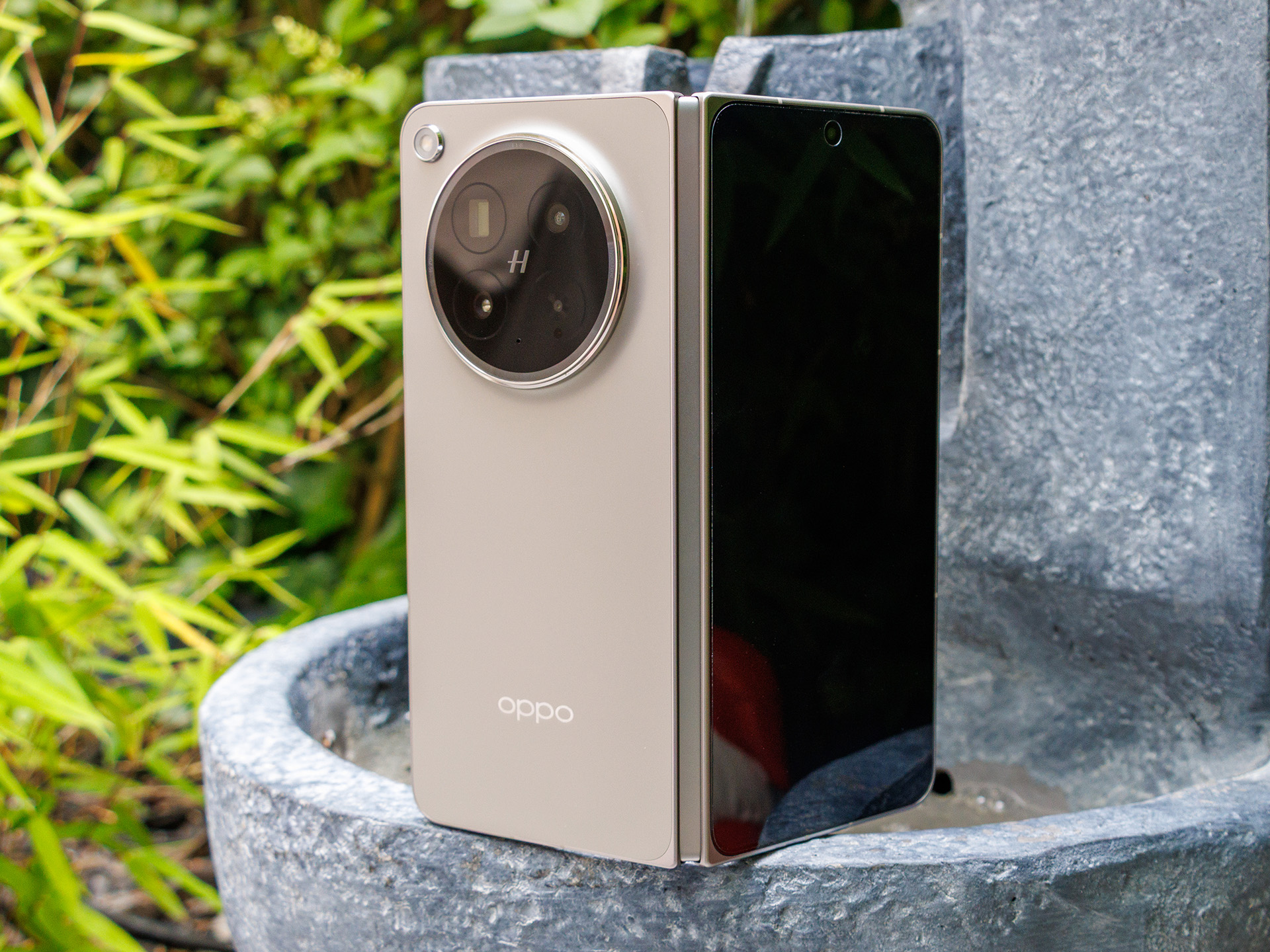
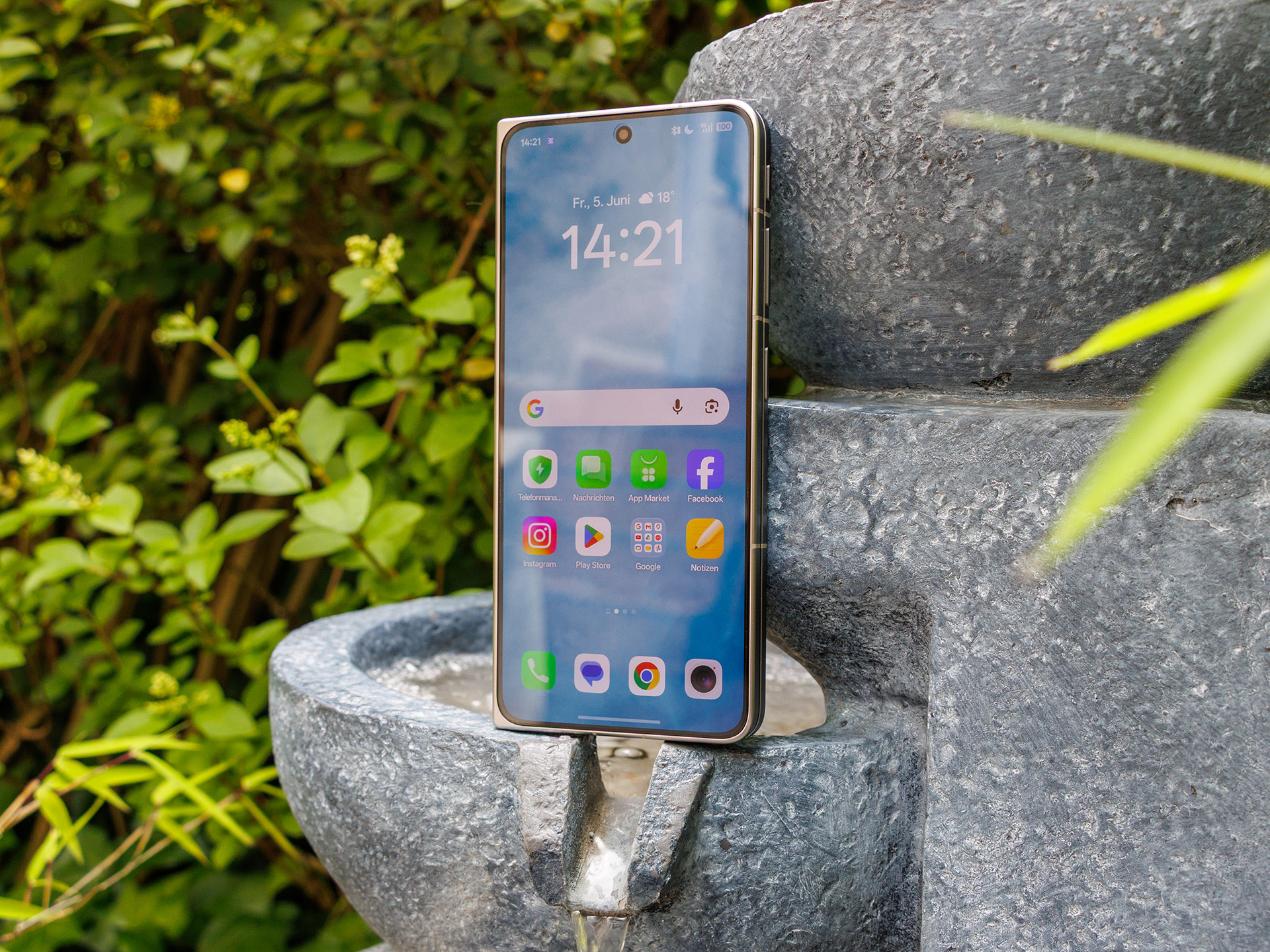
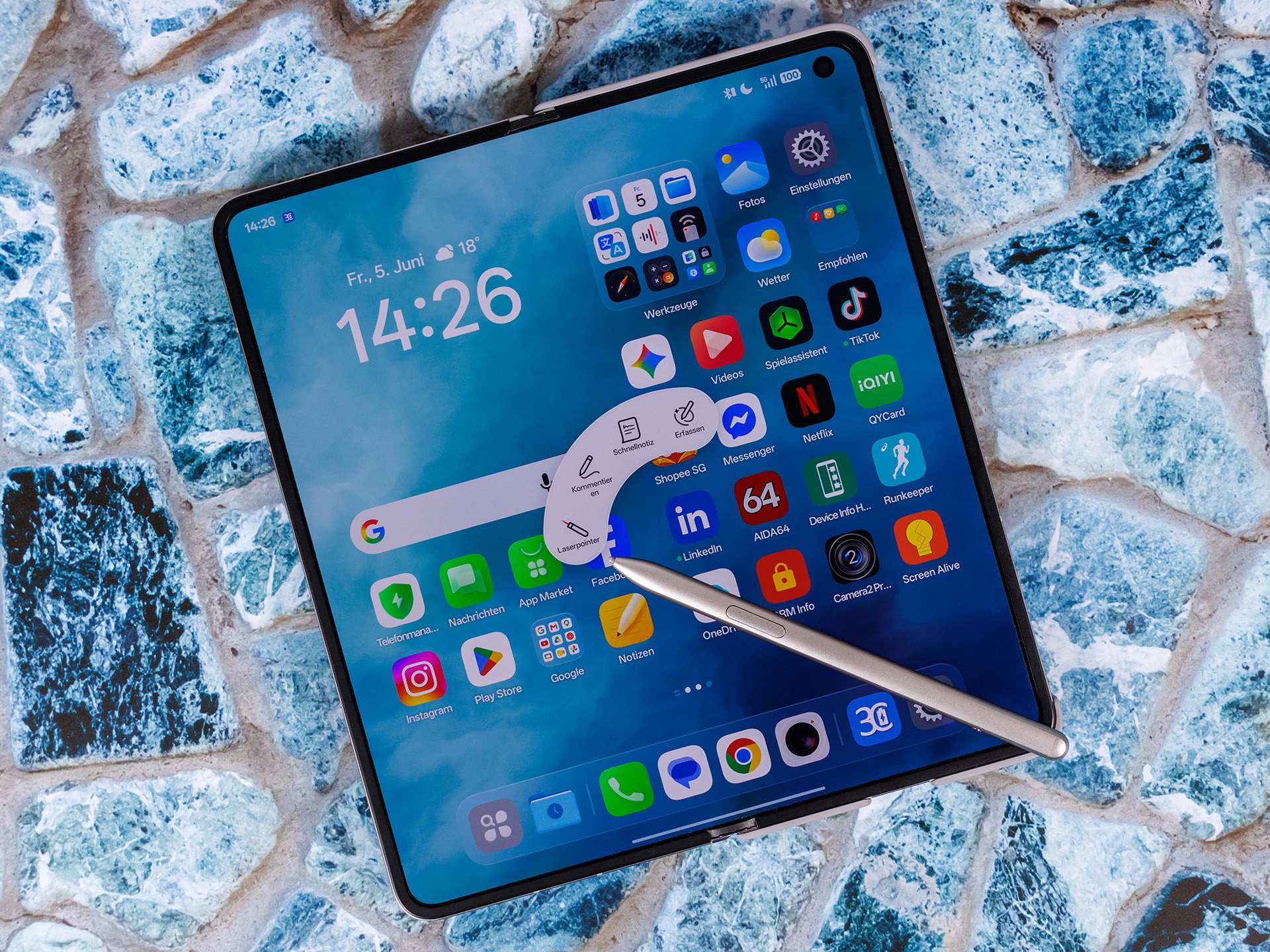
Externally, the Oppo Find N6 has changed only minimally compared with its predecessor and remains one of the thinnest foldables. However, it is slightly narrower and shorter. The foldable display’s crease creates a real wow effect, as it is practically non-existent. It can still be faintly seen by eye in certain lighting conditions. Haptically, it cannot be felt when gently swiping across the screen; only those who press more firmly on the display can feel the fold edge. This remains unchanged even after weeks of use.
The foldable smartphone's build quality is very good. The gaps are tight and even. When attempting to twist it in the unfolded state, the Find N6 can creak slightly, but otherwise it feels very stable. It is waterproof in accordance with IP59, but is not fully protected against dust ingress.
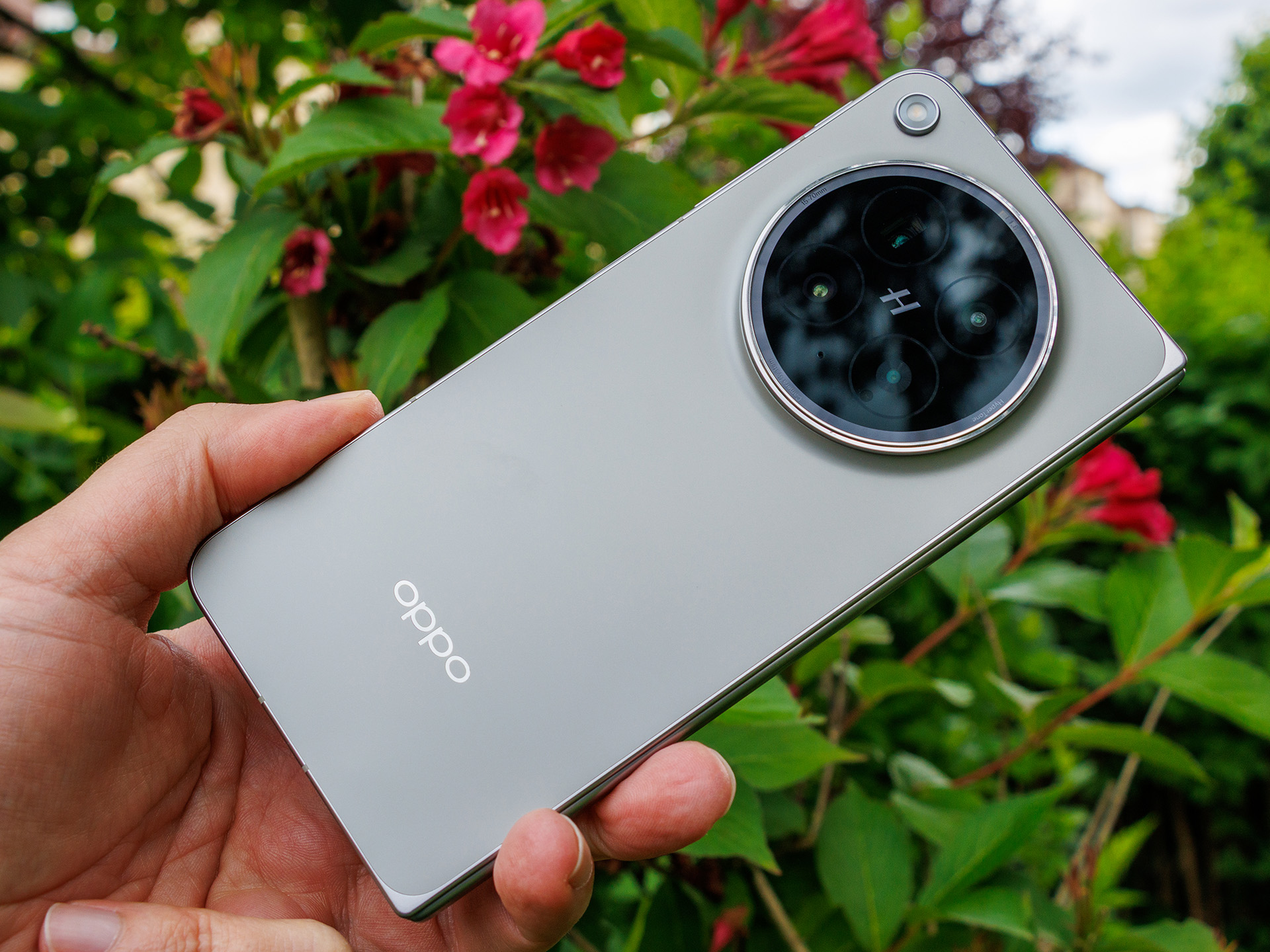
The Oppo Find N6 is available in Stellar Titanium and Blossom Orange.
Features: with Oppo AI Pen and Snap Key
The Oppo Find N6's feature set is impressive and, alongside fast USB 3.2 with image output, also includes an infrared blaster, which can be used as a remote control for numerous devices. However, UWB is not on board, and we also miss a barometer among the sensors.
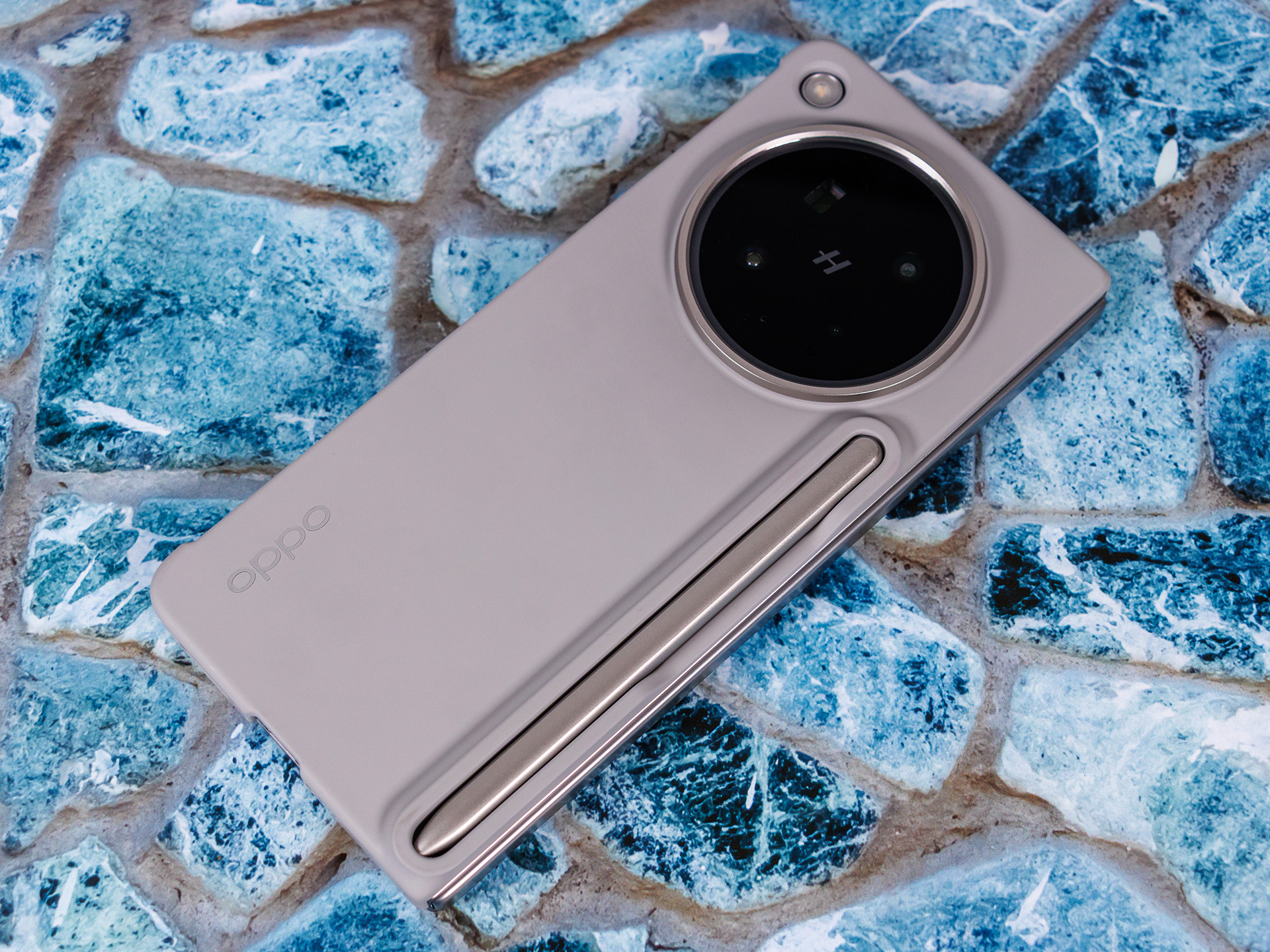
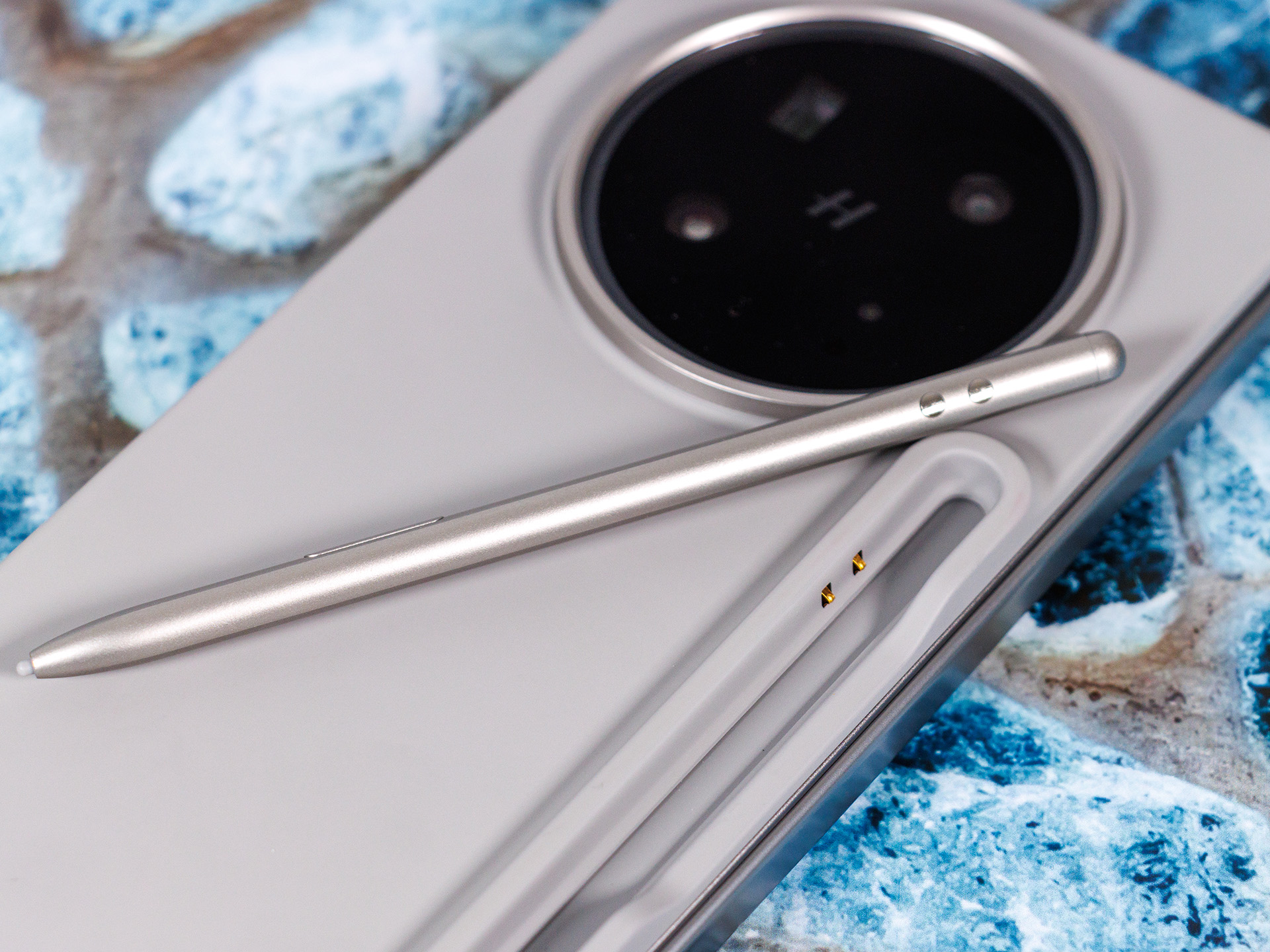
Oppo provides a dedicated Snap Key, which has a similar function to the Action button on the iPhone, but is linked to Mind Space. This is an AI-supported content hub. The AI Pen is also optionally available.
Software: Find N6 will receive Android 21
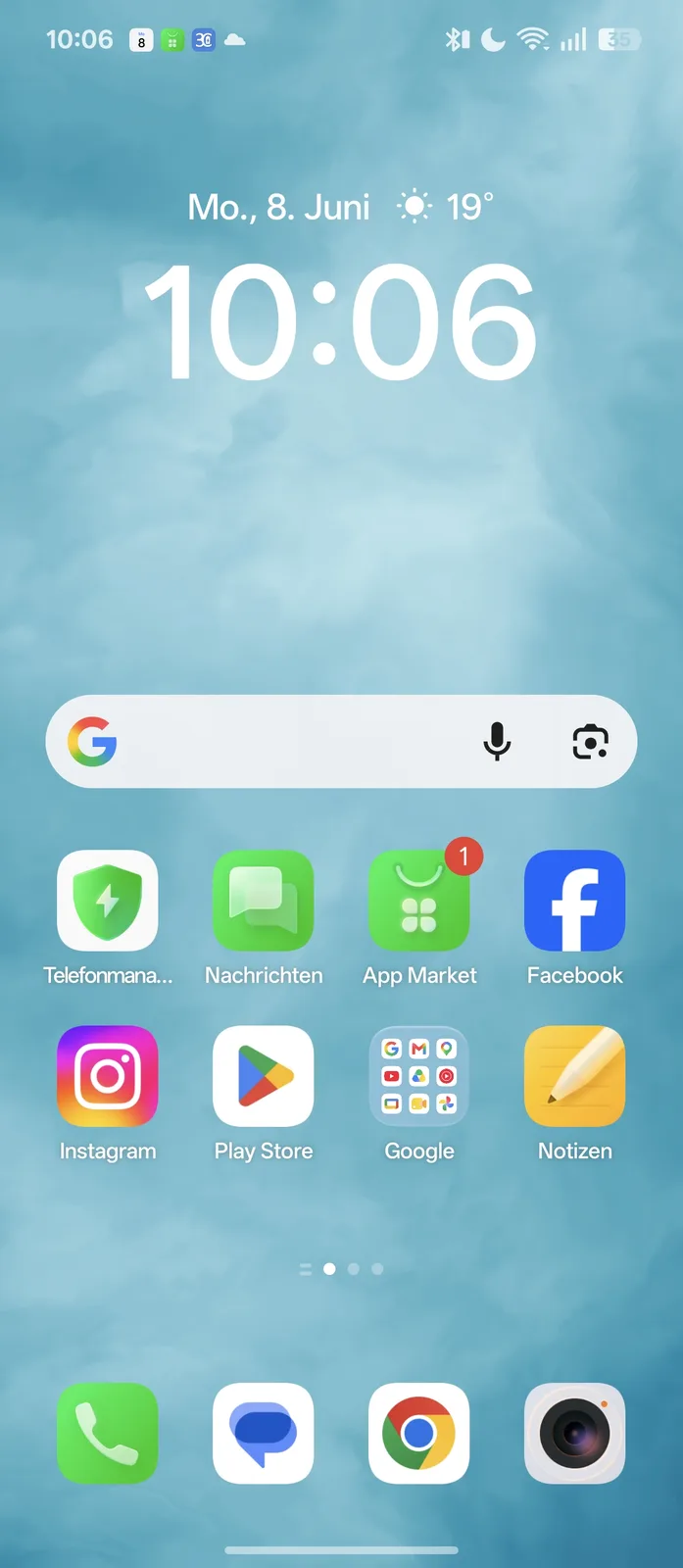
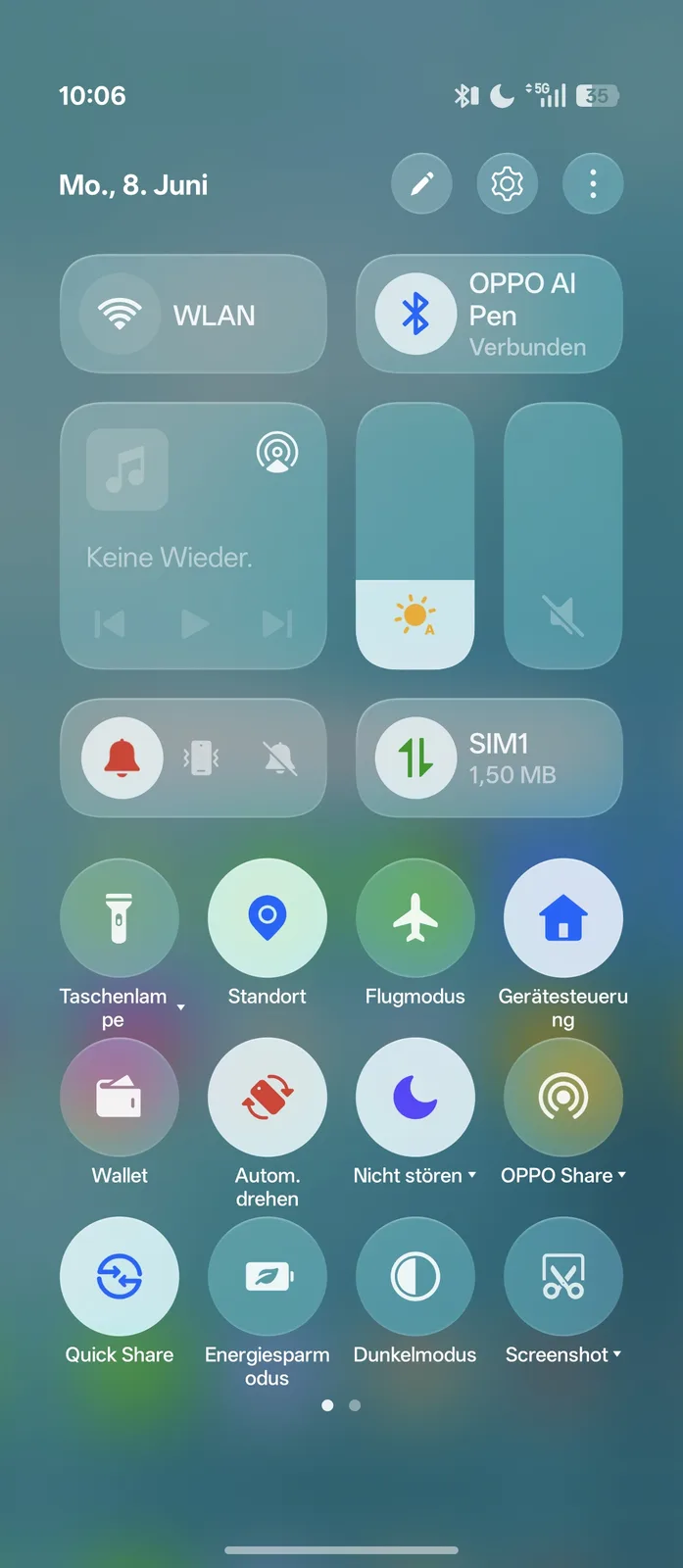
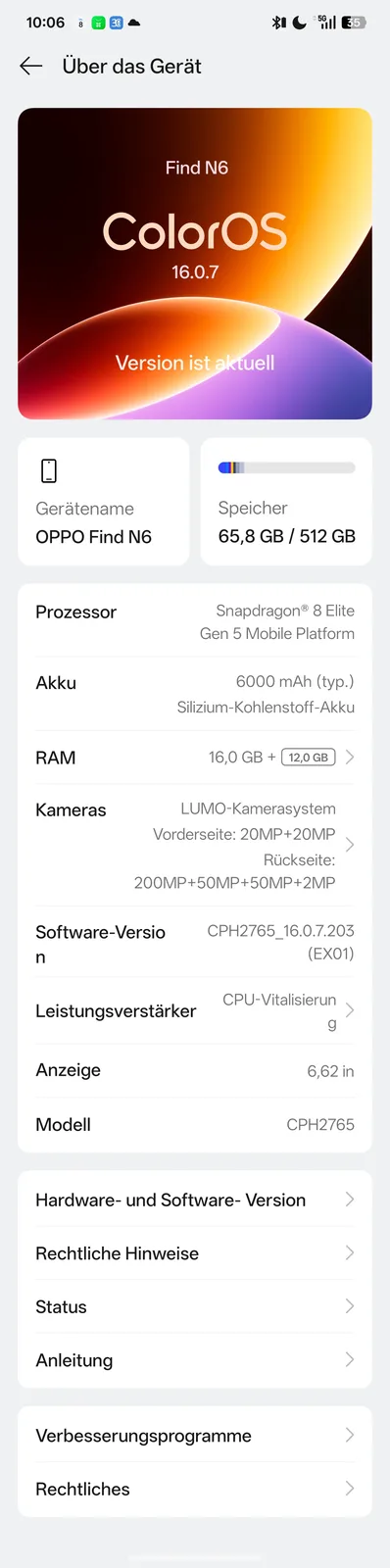
The Oppo Find N6 ships with Google Android 16 and ColorOS 16. It will receive system updates for five years and security patches for a further year.
Oppo does pre-install a few third-party apps such as Netflix and Facebook, but these can be uninstalled.
Sustainability
Oppo provides information on sustainability on its website, but does not publish reports for individual products.
The Find N6 comes in fairly large packaging that is largely free of plastic, although it is shrink-wrapped in film. The foldable is not intended to be repaired by users.
Communication and GNSS: Oppo Find N6 with 5G and Wi-Fi 7
The Oppo smartphone offers broad frequency coverage for mobile communications and leaves nothing to be desired when it comes to Wi-Fi. With Wi-Fi 7, including the 6 GHz band, the Find N6 not only delivers high speeds but also shows stable transfer rates in our test.
| Networking | |
| Oppo Find N6 | |
| iperf3 transmit AXE11000 | |
| iperf3 receive AXE11000 | |
| iperf3 transmit AXE11000 6GHz | |
| iperf3 receive AXE11000 6GHz | |
| Samsung Galaxy Z Fold7 | |
| iperf3 transmit AXE11000 6GHz | |
| iperf3 receive AXE11000 6GHz | |
| Honor Magic V5 | |
| iperf3 transmit AXE11000 6GHz | |
| iperf3 receive AXE11000 6GHz | |
| Oppo Find N5 | |
| iperf3 transmit AXE11000 | |
| iperf3 receive AXE11000 | |
| Huawei Mate X7 | |
| iperf3 transmit AXE11000 | |
| iperf3 receive AXE11000 | |
| Average 802.11 a/b/g/n/ac/ax/be | |
| iperf3 transmit AXE11000 | |
| iperf3 receive AXE11000 | |
| iperf3 transmit AXE11000 6GHz | |
| iperf3 receive AXE11000 6GHz | |
| Average of class Smartphone | |
| iperf3 transmit AXE11000 | |
| iperf3 receive AXE11000 | |
| iperf3 transmit AXE11000 6GHz | |
| iperf3 receive AXE11000 6GHz | |
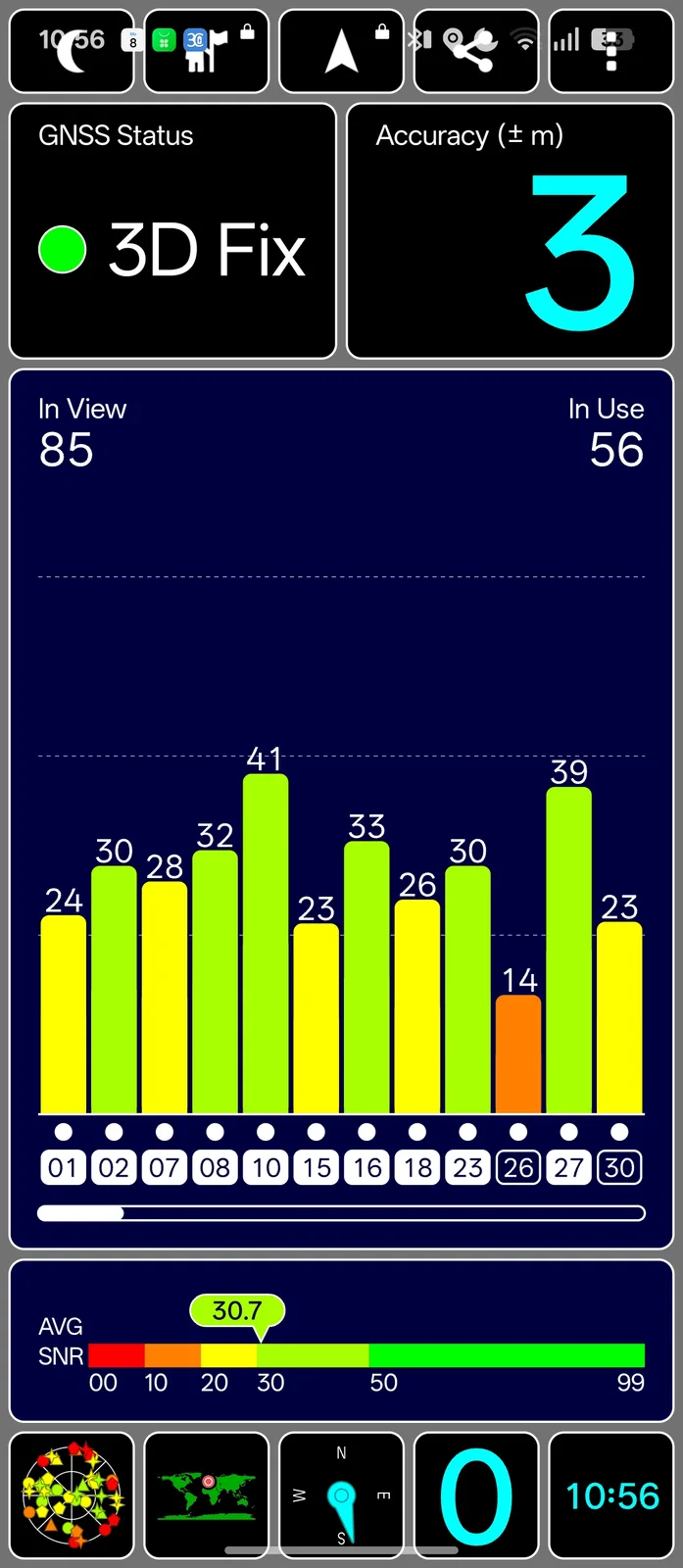
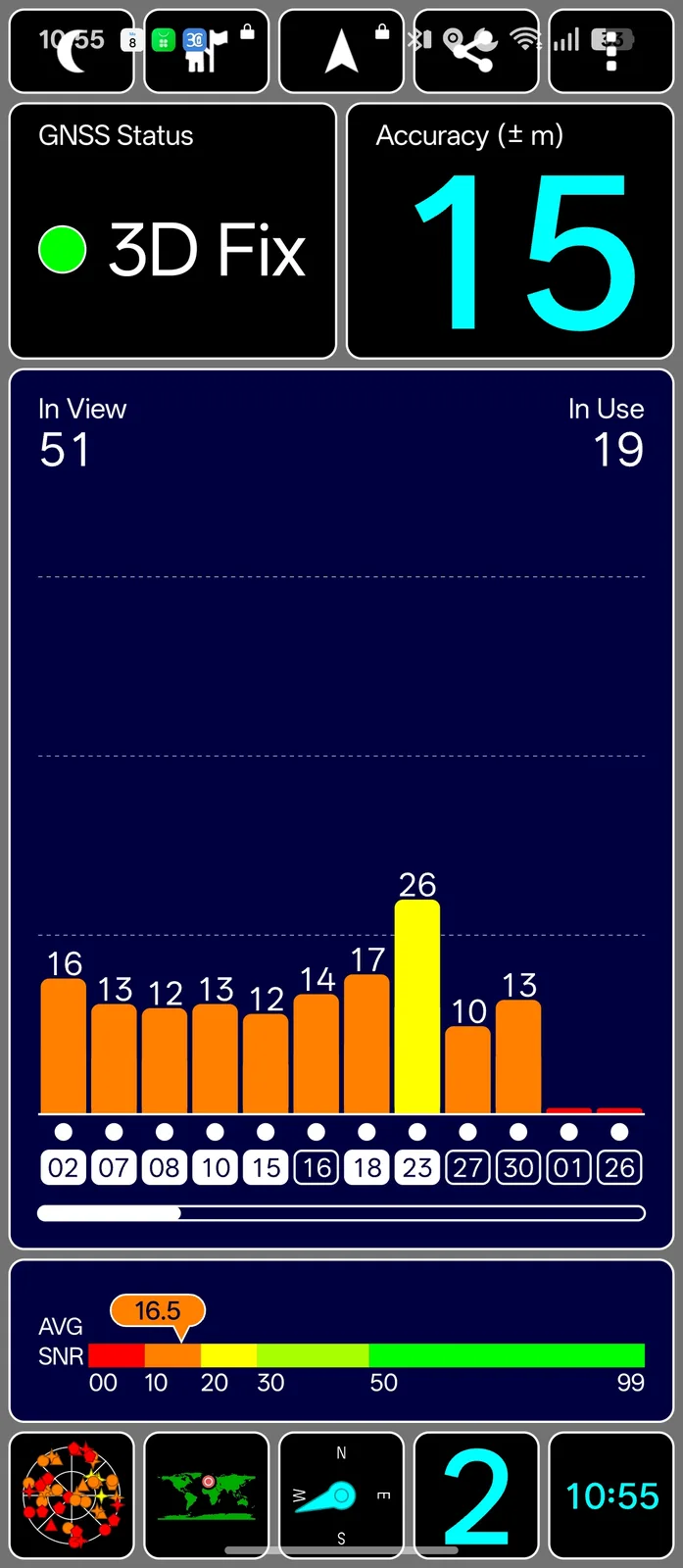
The Oppo Find N6 achieves a satellite fix very quickly outdoors. Indoors, it takes a little longer, but positioning is still fairly accurate.
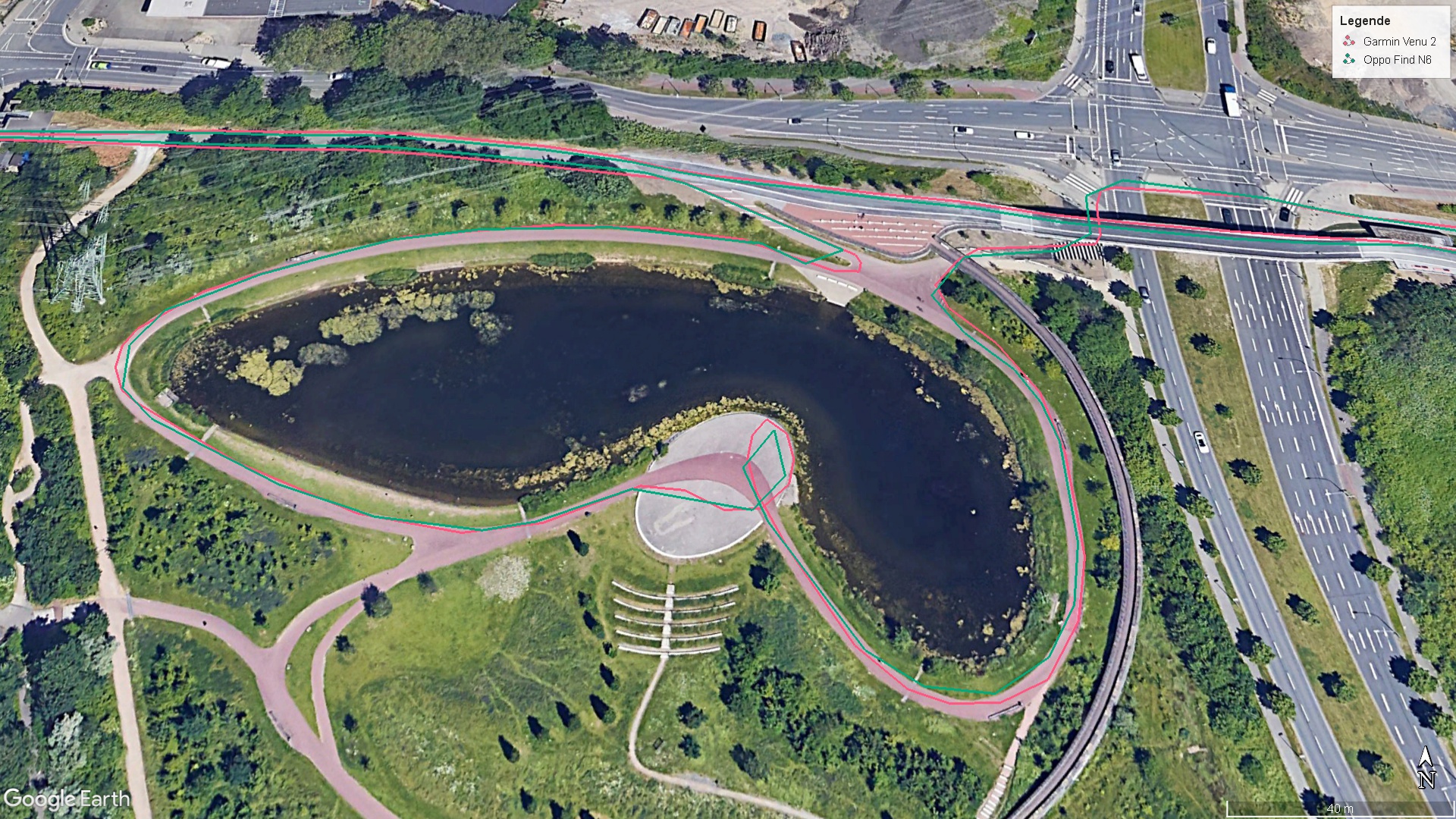
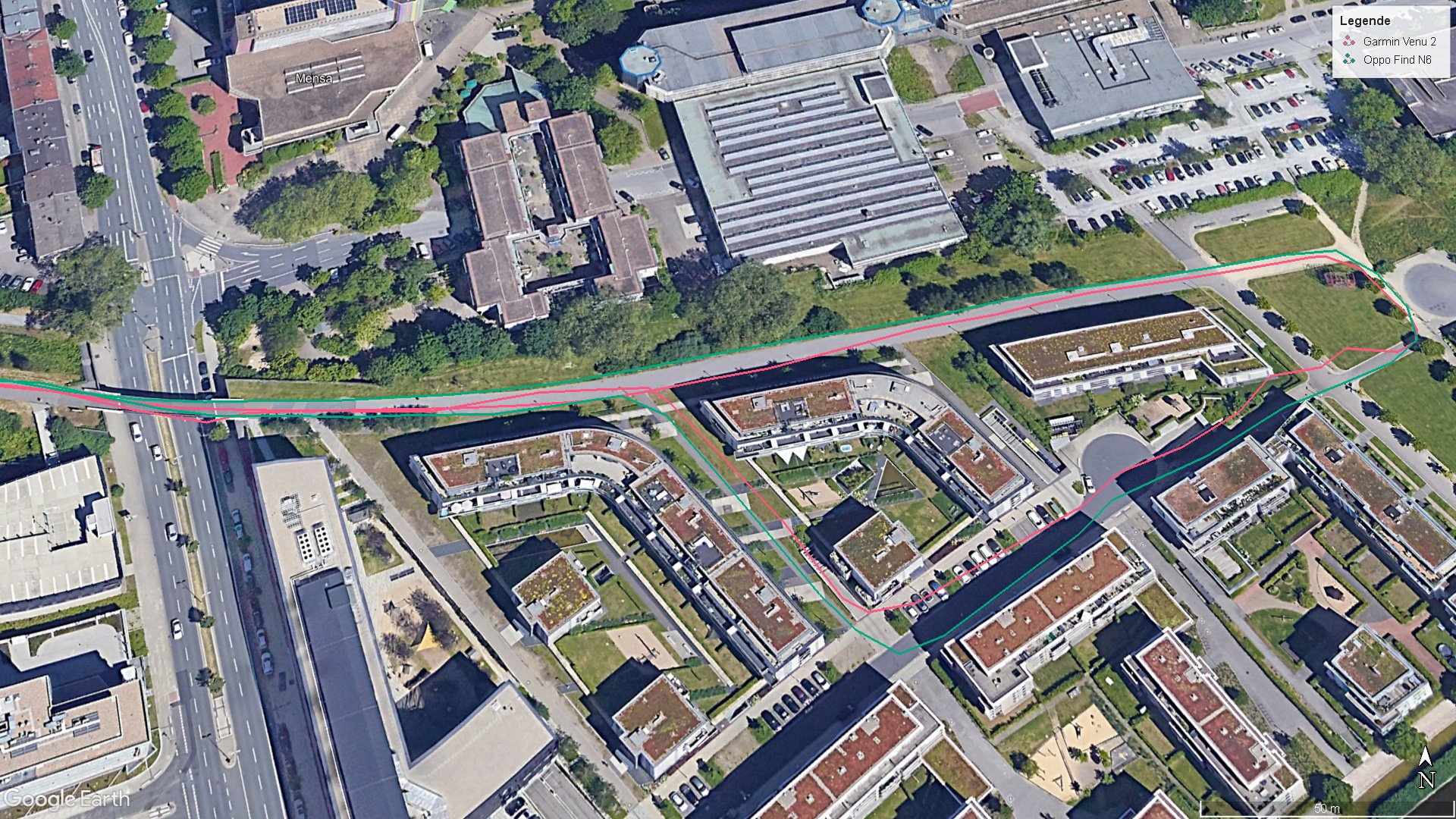
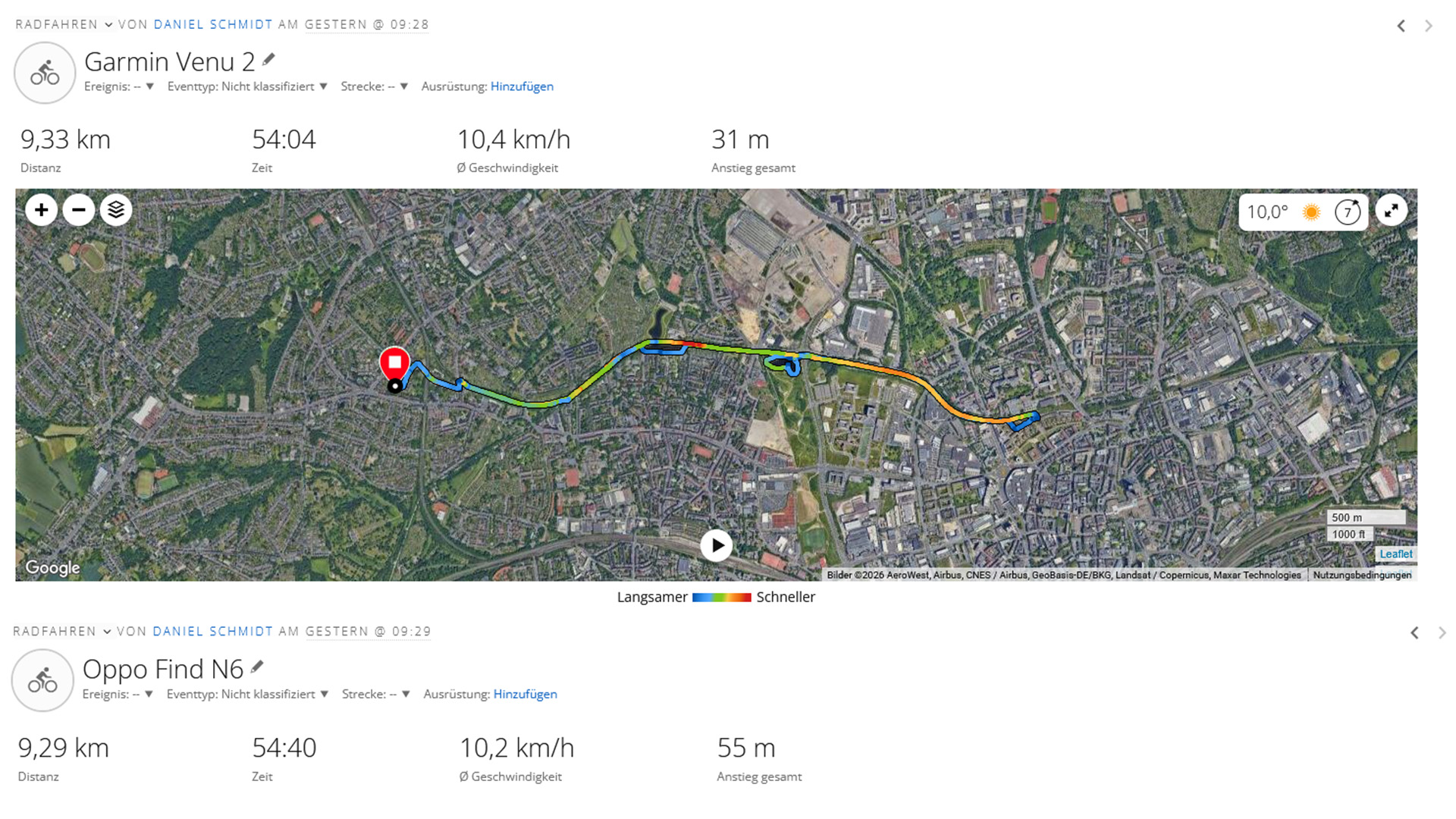
To better assess positioning performance, we took the foldable smartphone with us on a bike ride and compared it with the Garmin Venu 2. It is noticeable that the Find N6 does not query its own position quite as frequently, but is still more accurate between buildings. Overall, this is a good performance.
Phone functions and voice quality
We liked the Oppo Find N6's voice quality in our test. When held to the ear, calls sound natural on both sides, and background noise is also filtered out well. In speaker mode, the user's voice sounds somewhat constricted, but it still allows for a decent call experience.
Cameras: only one lens on the N6 shows weakness

The Find N6’s two front cameras deliver decent results in daylight. In dim lighting, this quickly affects the level of detail, but since the main camera can also be used for selfies, this is not too serious. Videos can be recorded in Ultra HD at 30 FPS.
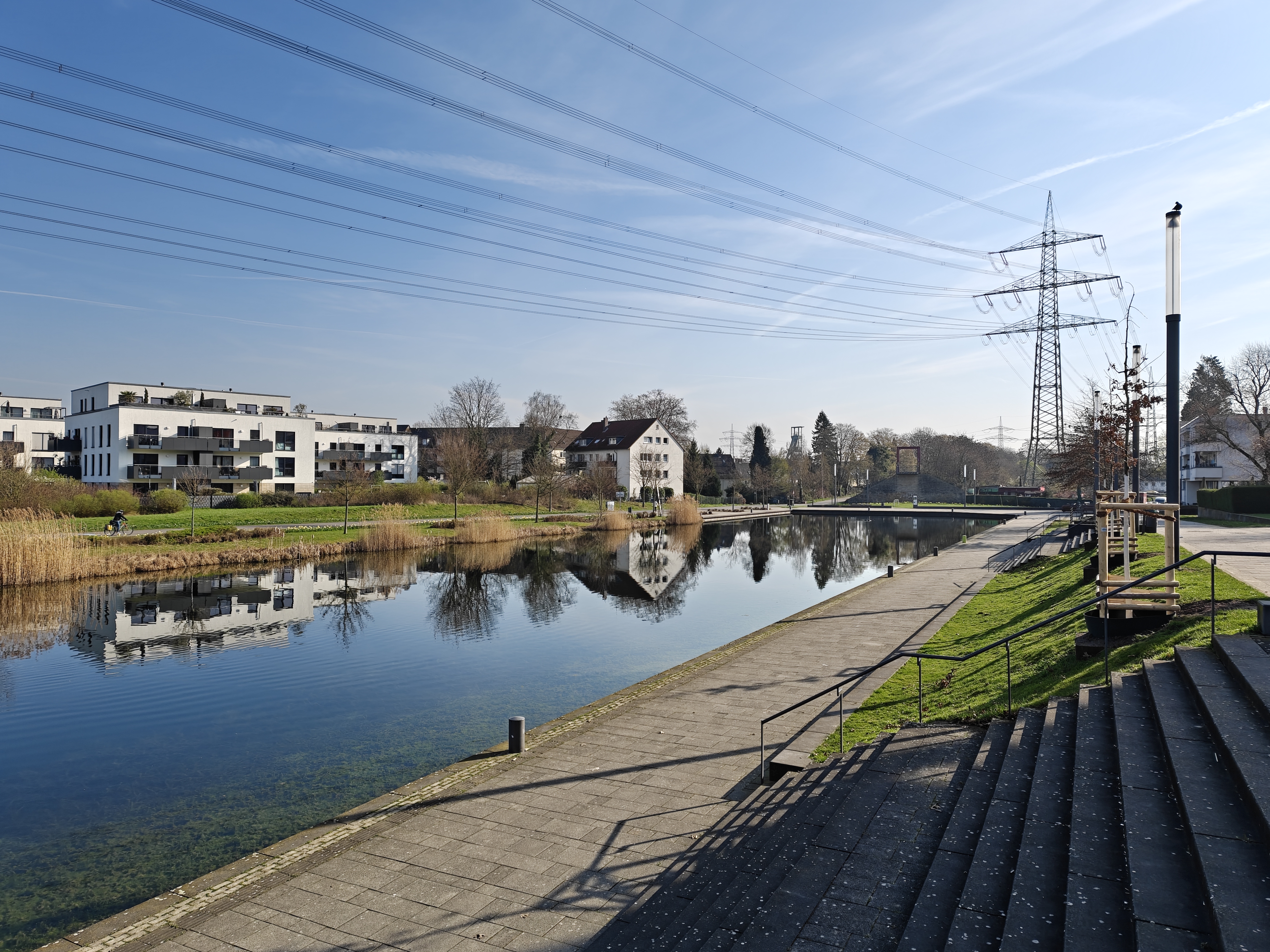
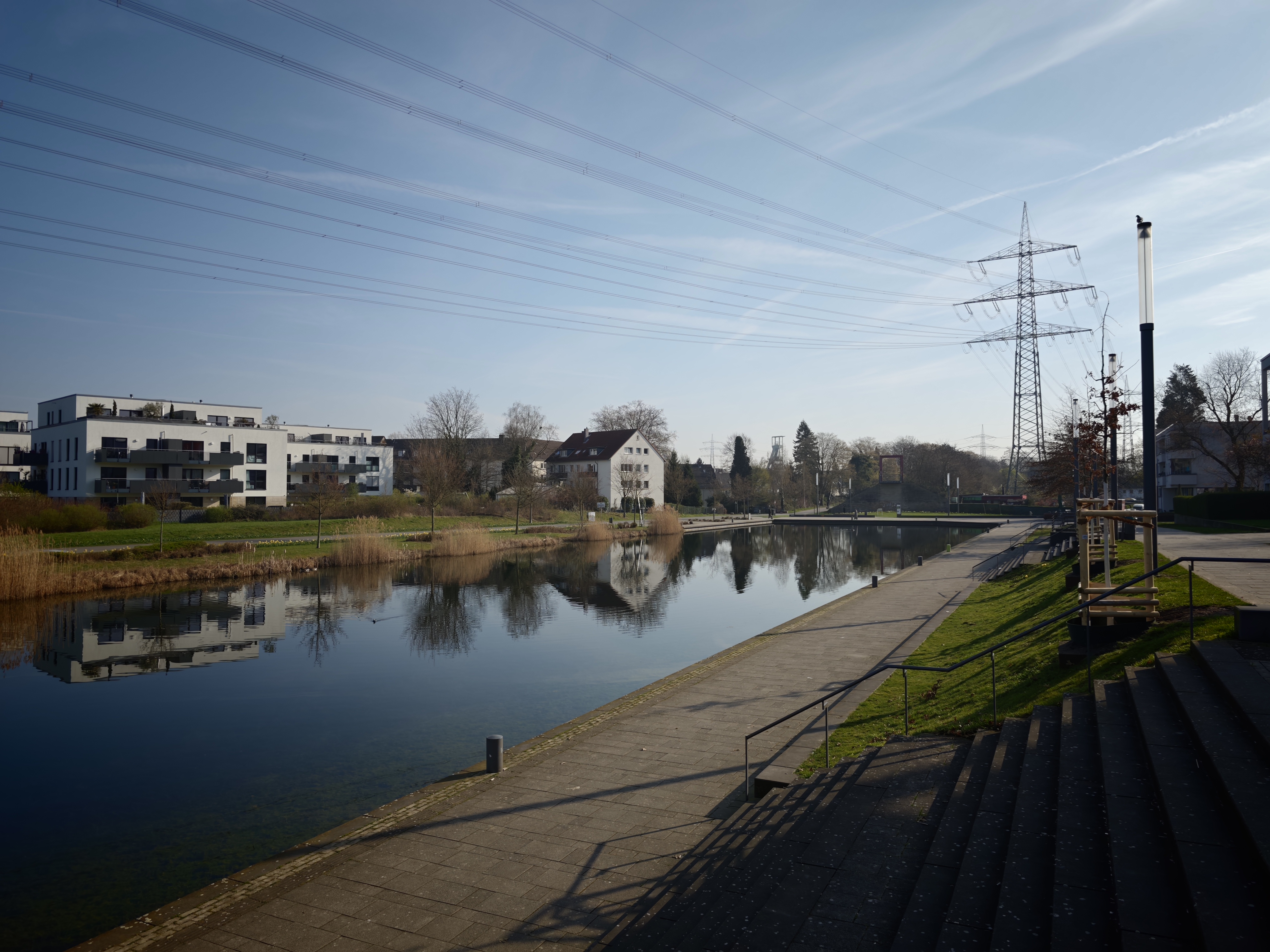
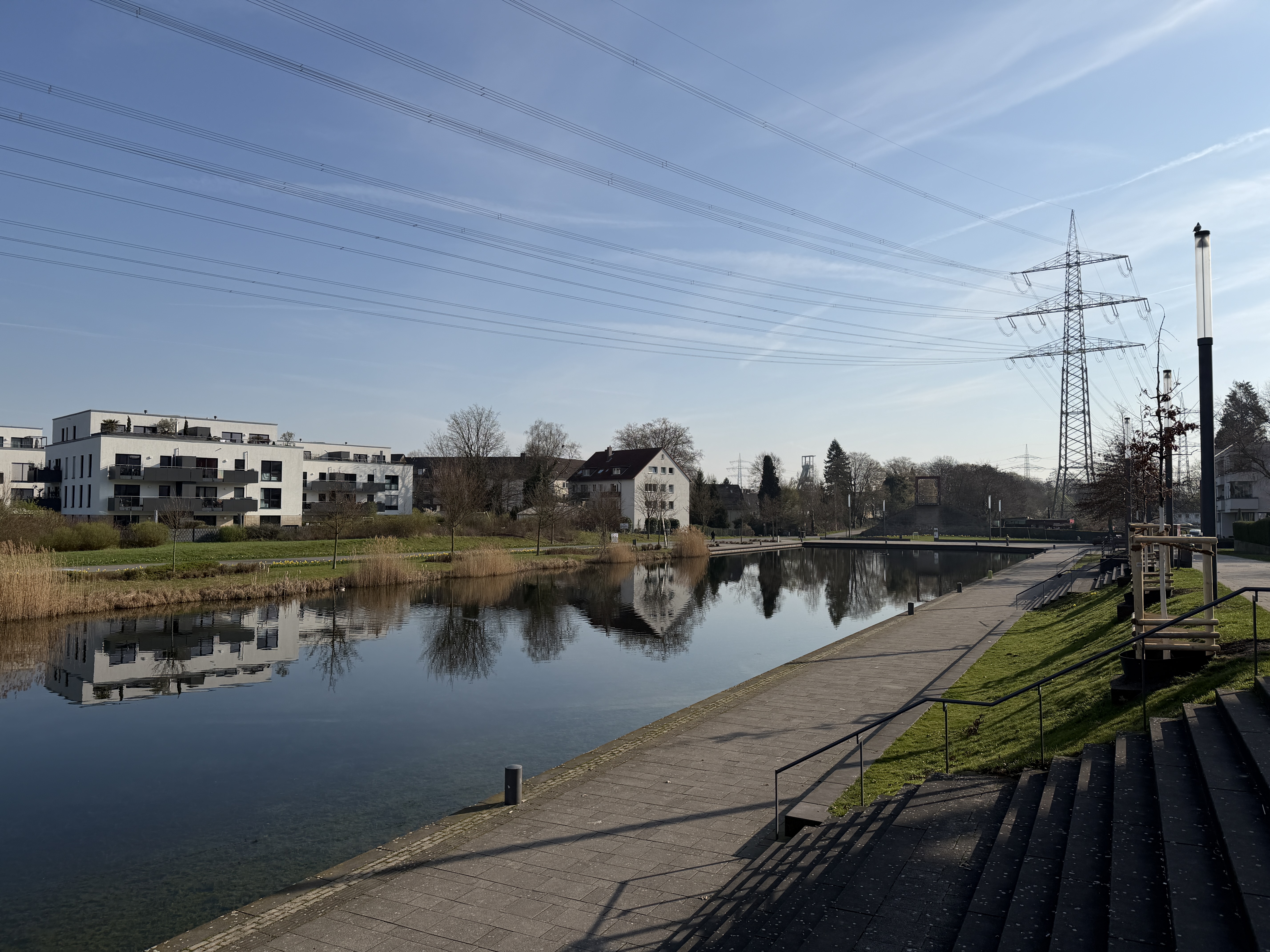
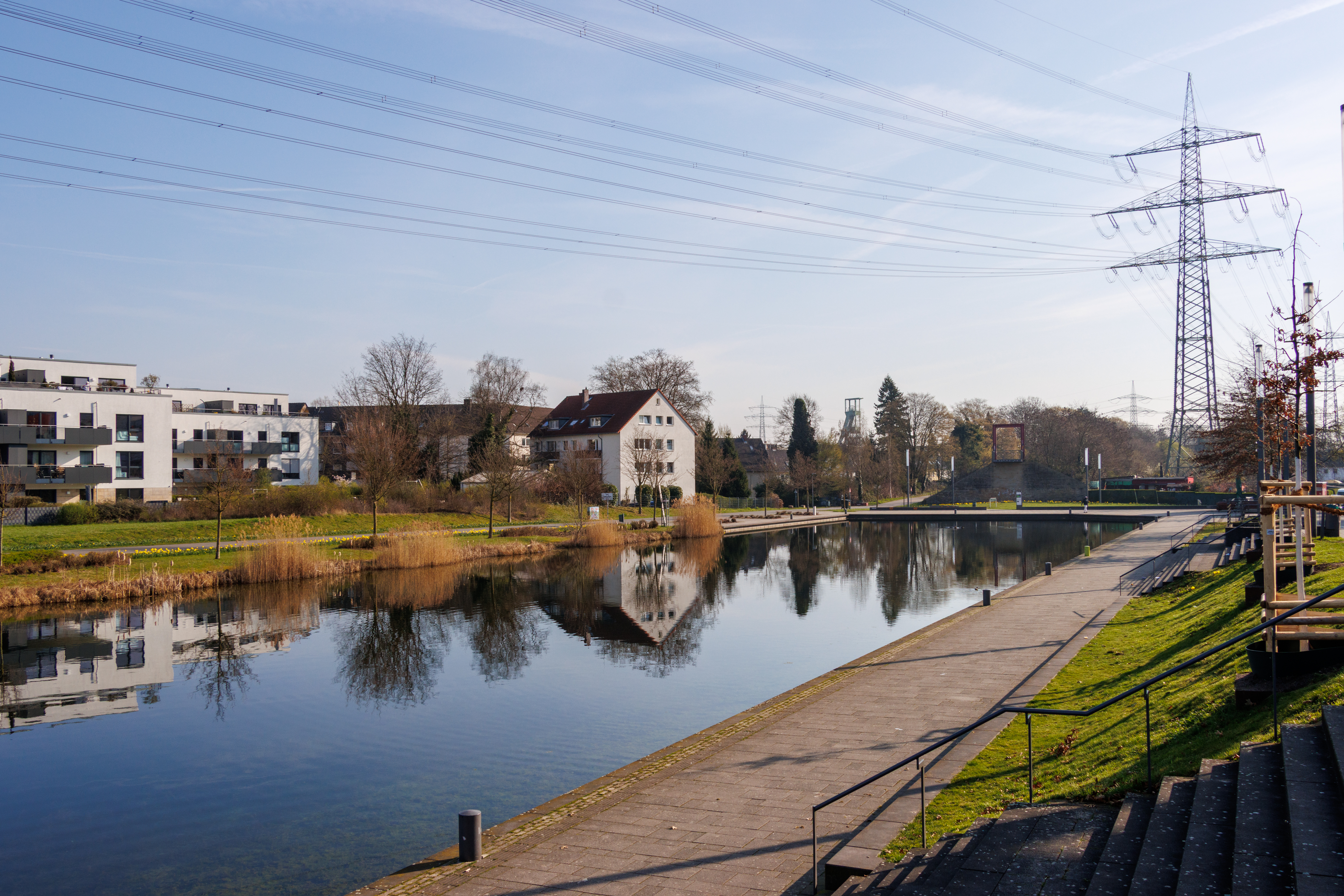
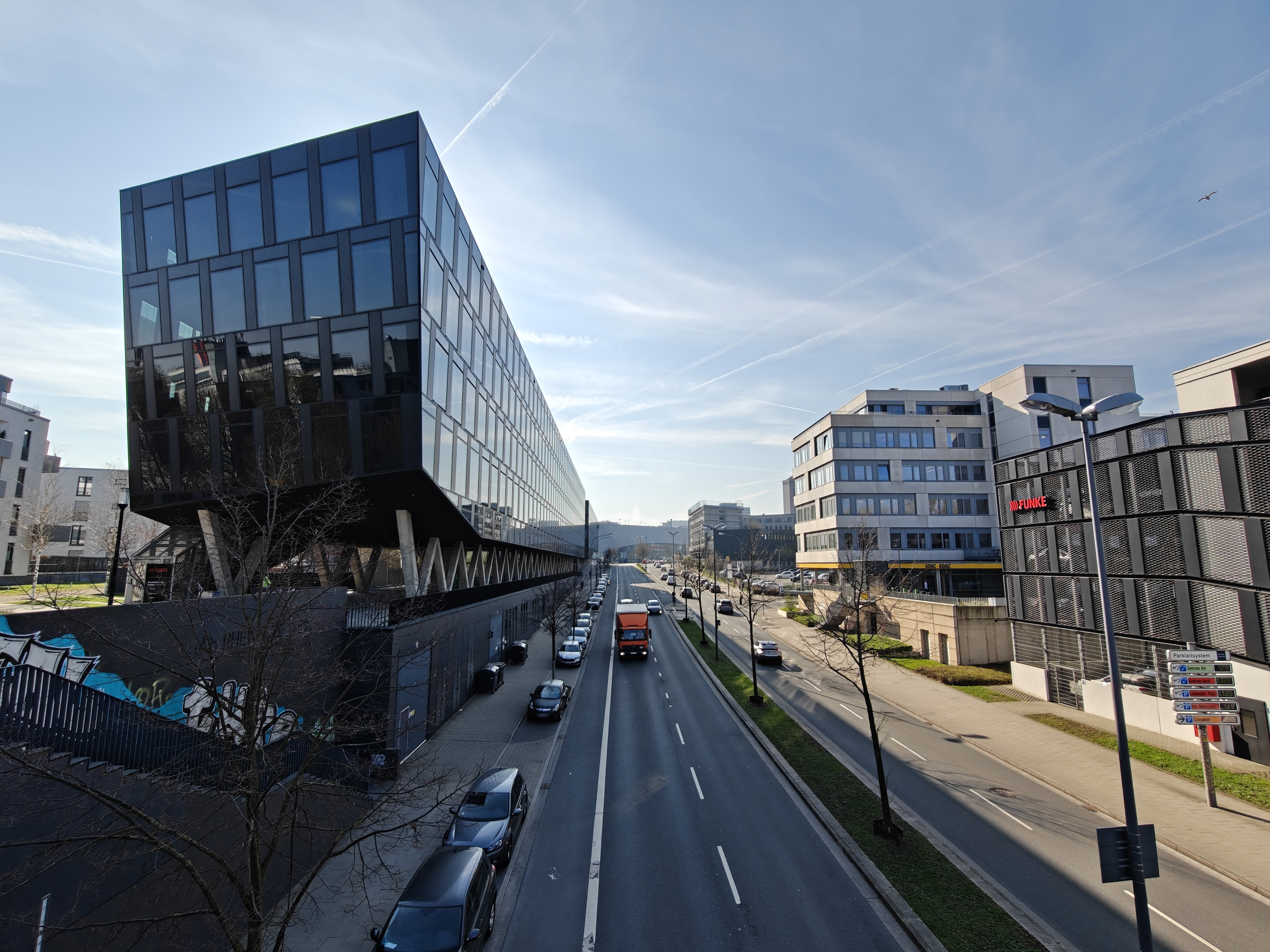
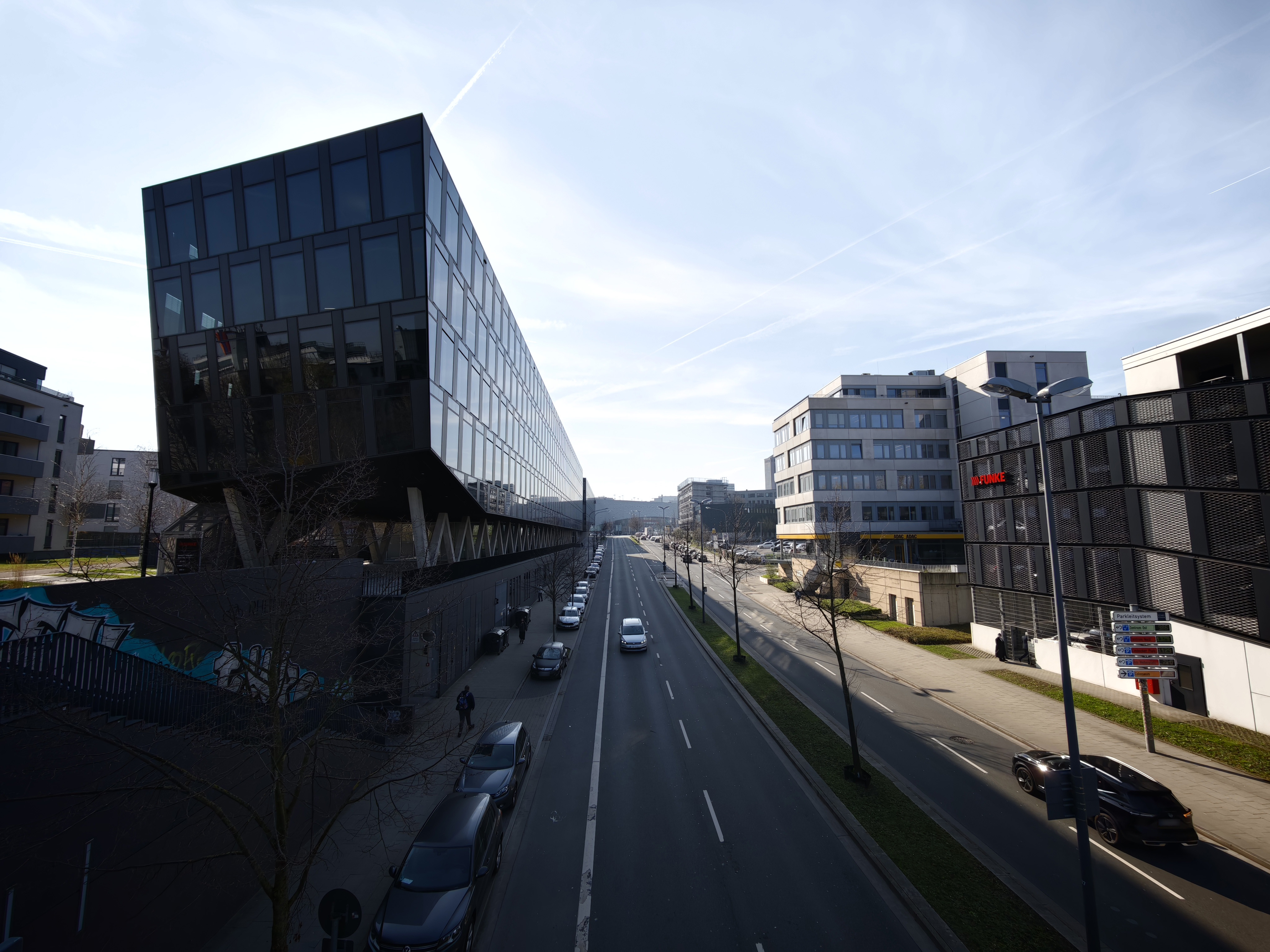
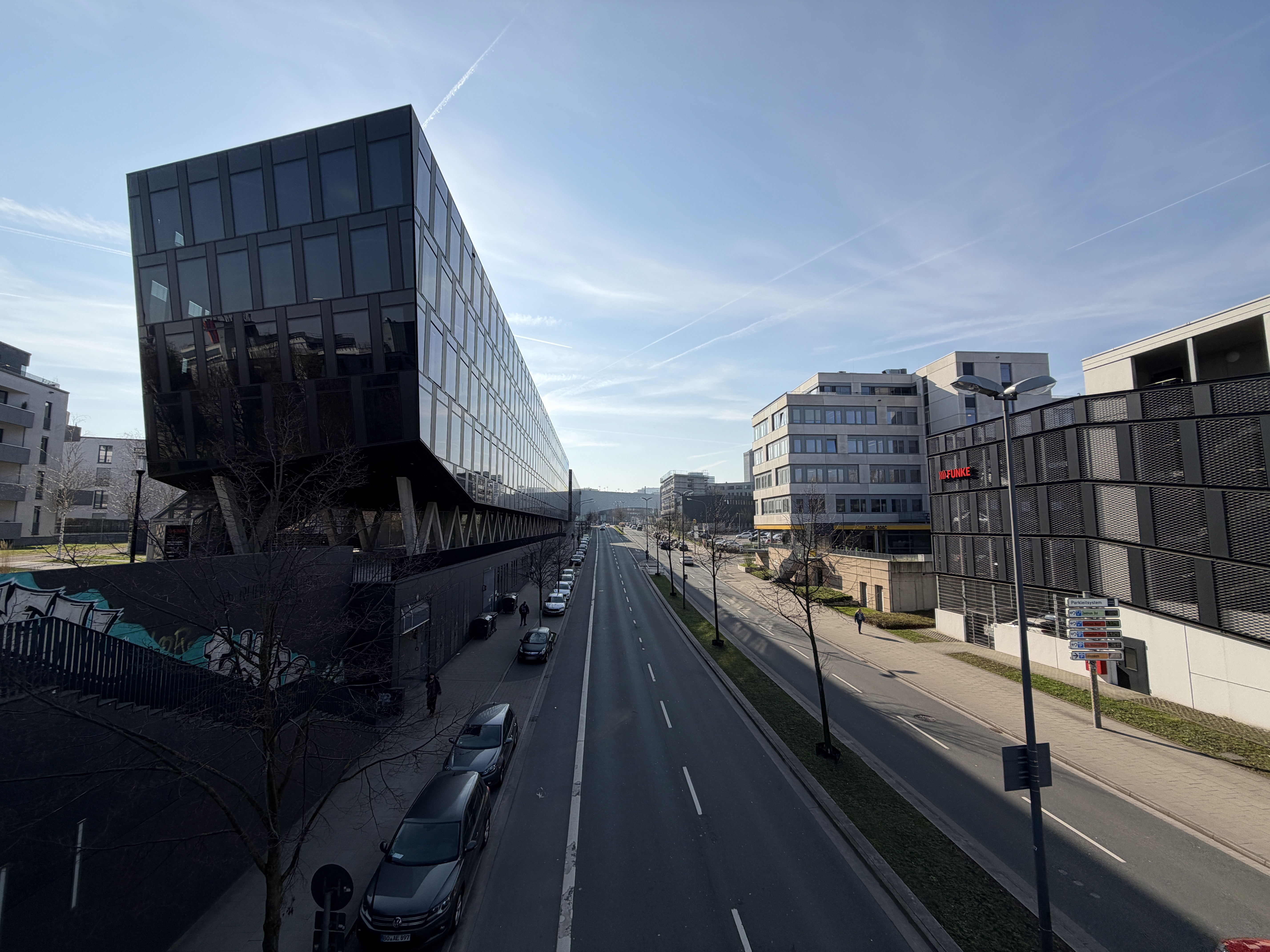
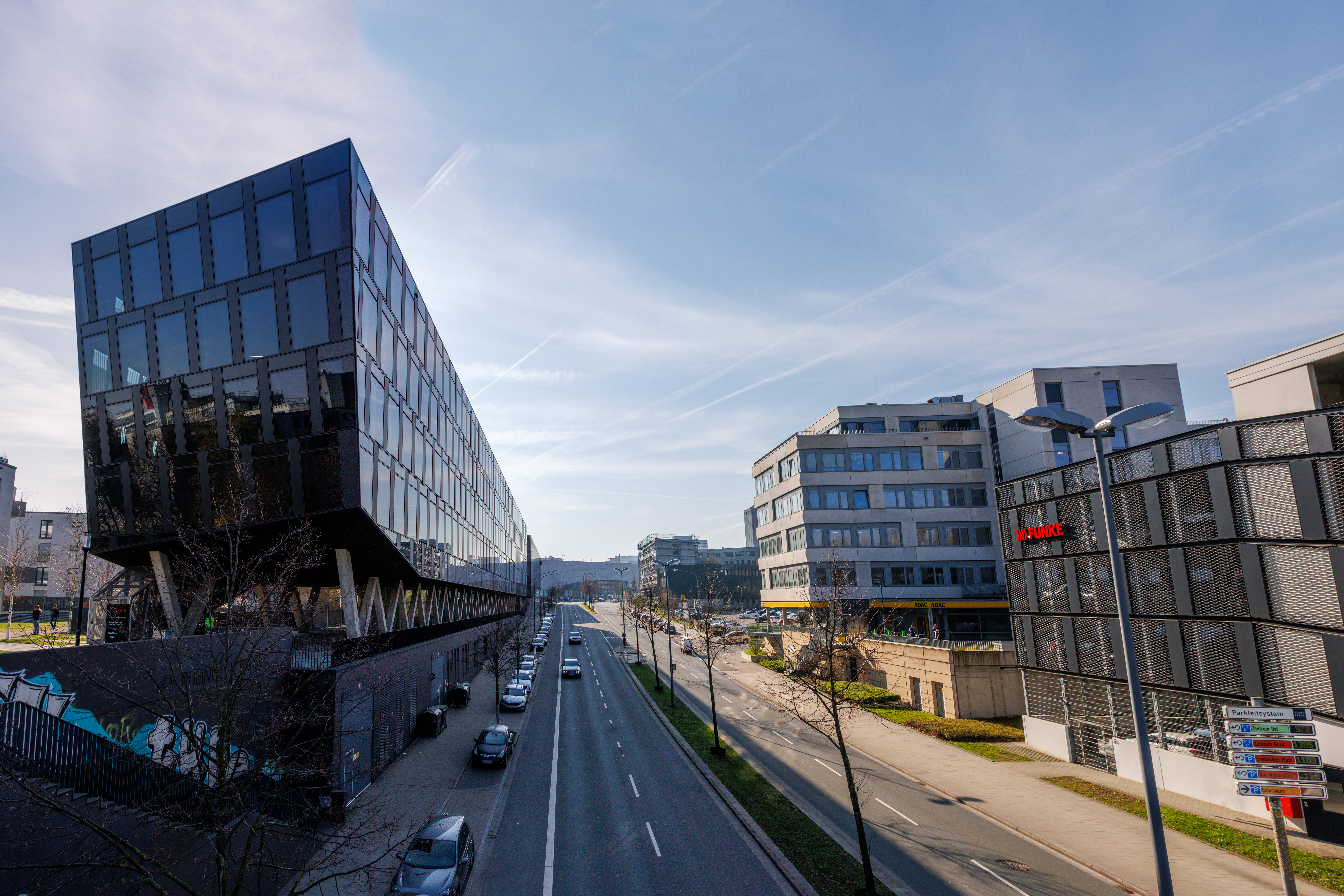
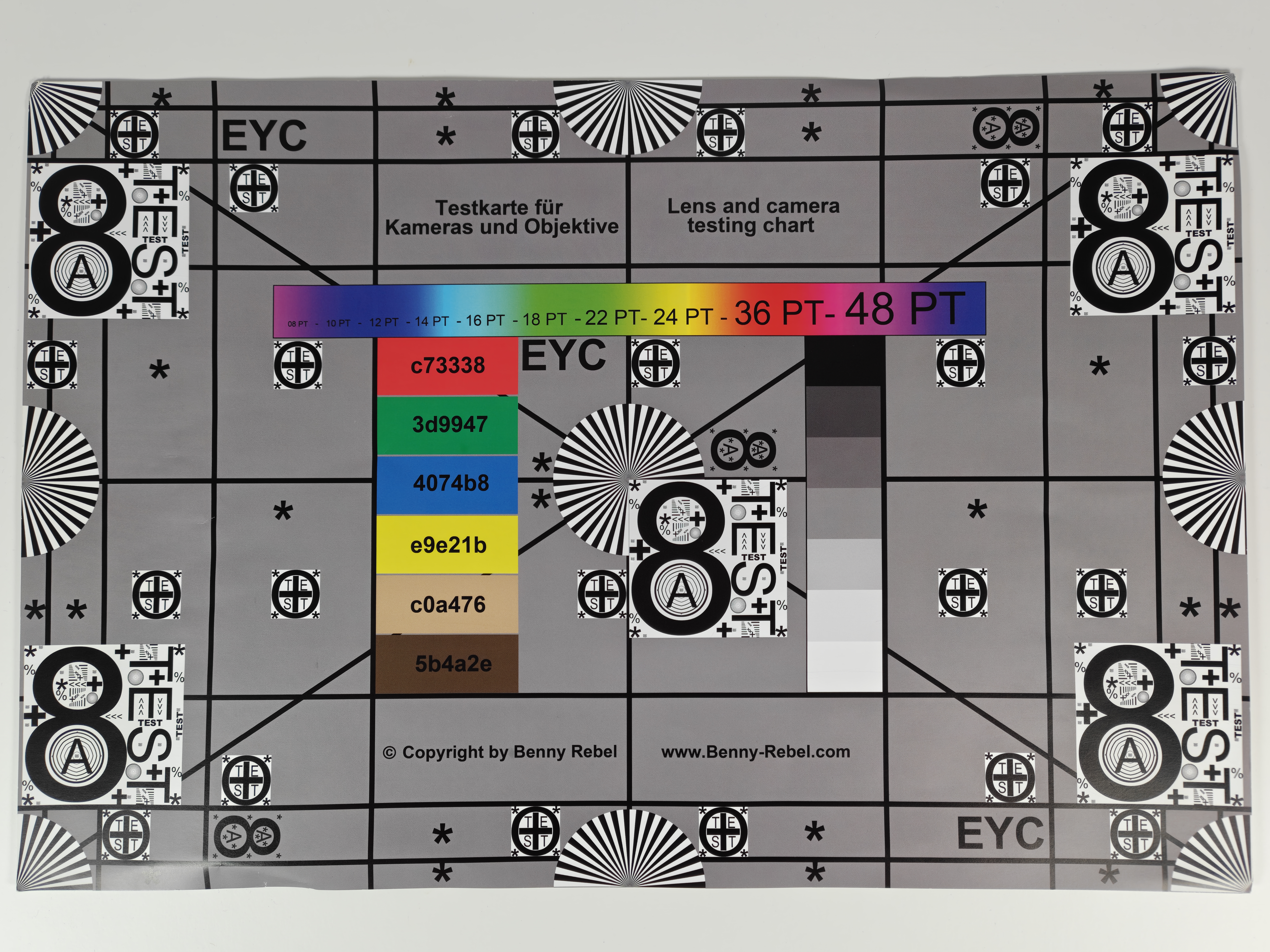
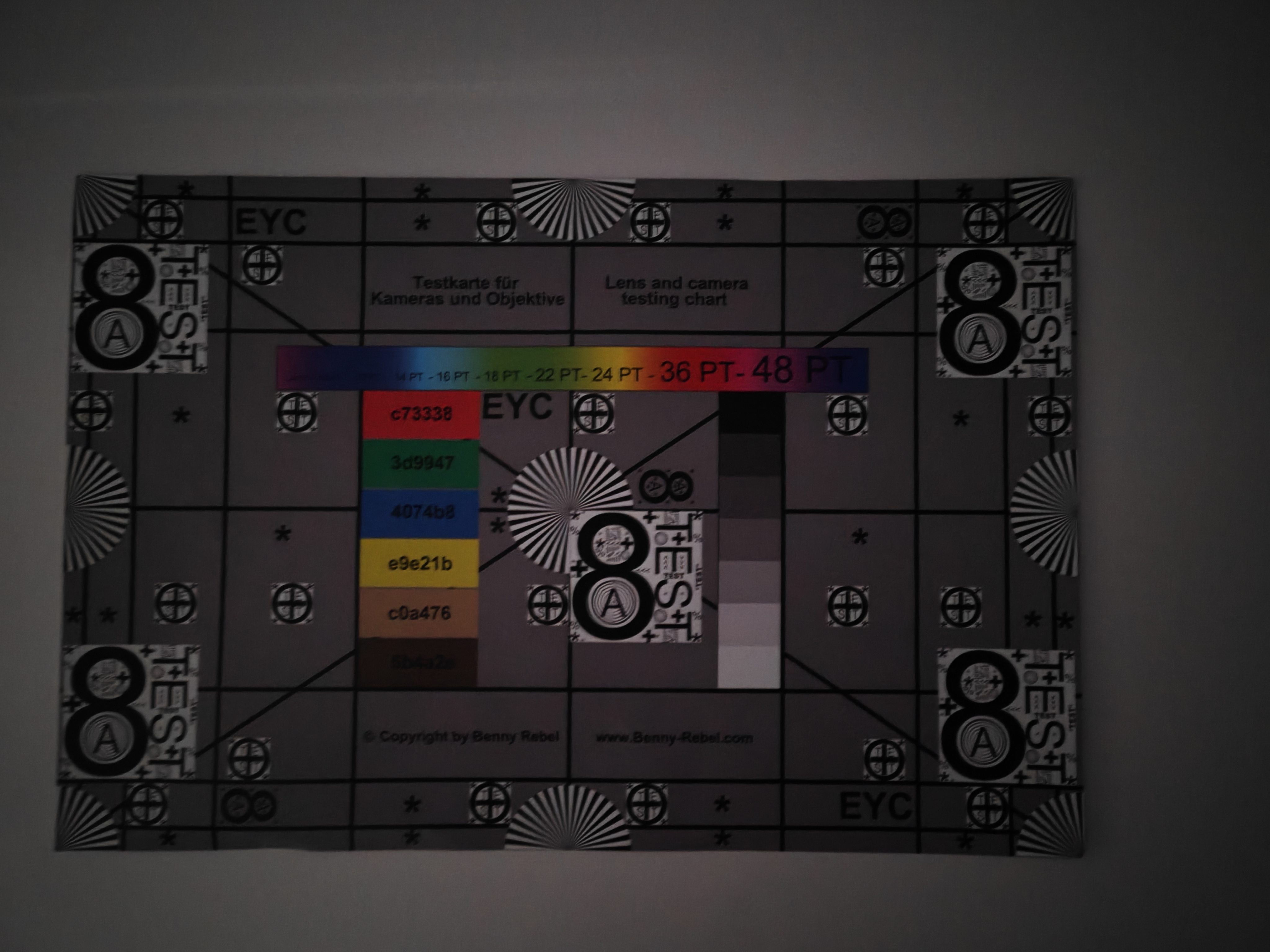
The rear setup impresses with a strong main camera, which was also developed in cooperation with Hasselblad. Even in low light, it still produces attractive shots, and a Master mode is implemented for ambitious users. The zoom also delivers good results up to 6x magnification, while a maximum 120x digital zoom is possible. Only the ultra-wide-angle lens disappoints a little, as it shows visible aberrations towards the edges and has only shallow depth of field. Nevertheless, the Find N6 certainly offers one of the best camera setups in a foldable.
Videos can be recorded in Ultra HD at up to 120 FPS. Those who need more frames per second will find them in slow-motion mode, although compromises have to be made in terms of resolution at 240 FPS in Full HD and 480 FPS in HD.
Image comparison
Choose a scene and navigate within the first image. One click changes the position on touchscreens. One click on the zoomed-in image opens the original in a new window. The first image shows the scaled photograph of the test device.
HauptkameraHauptkameraUltraweitwinkel5-facher ZoomLow-Light
















Accessories and warranty: power adapter included
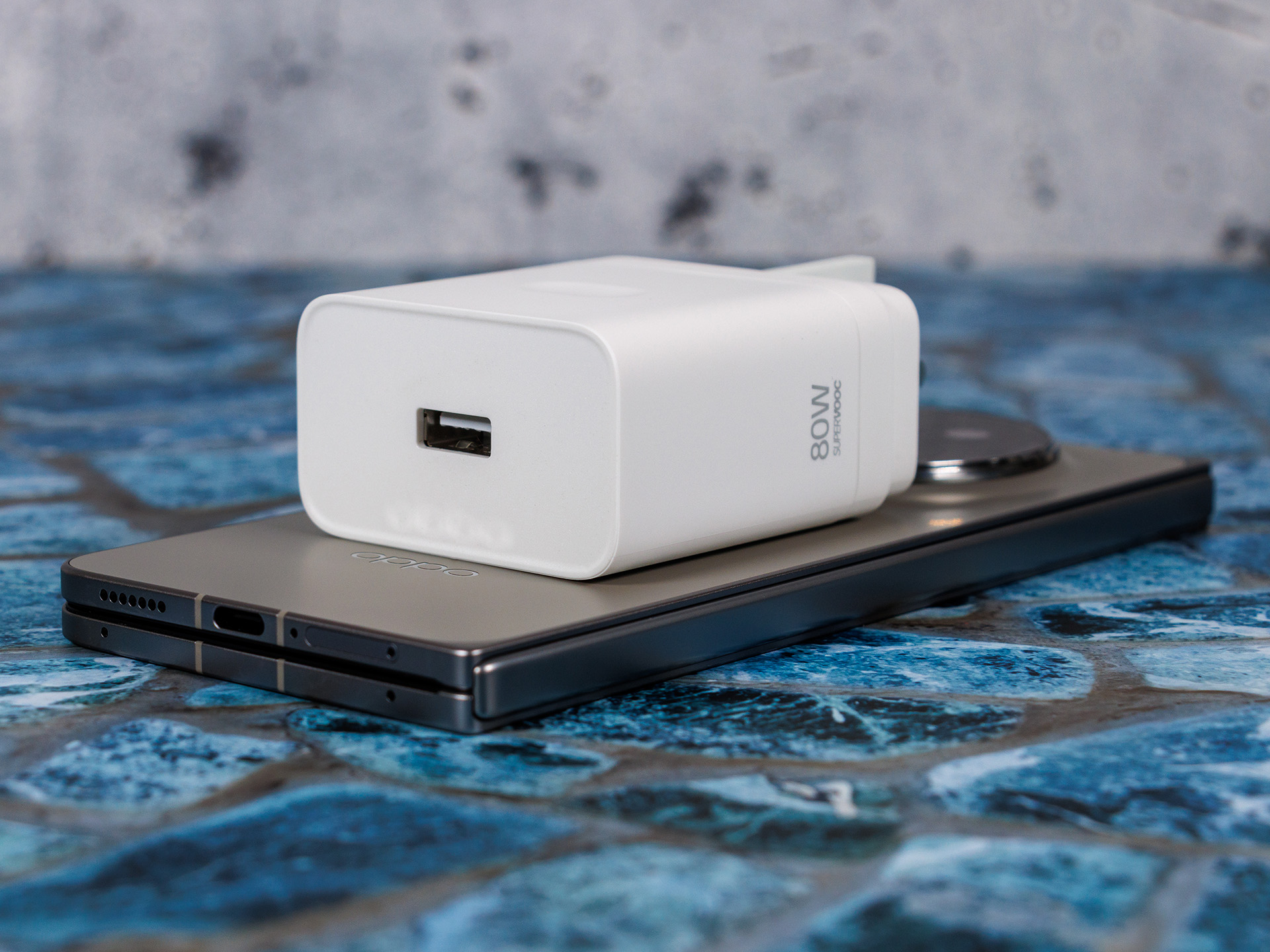
As the Oppo Find N6 is not officially sold in Europe, an 80-watt power adapter is included in the box. The scope of delivery also includes a protective case, a USB cable (Type-A to Type-C) and a SIM tool. The Oppo AI Pen is optionally available.
The international warranty is 12 months, while the seller's statutory warranty rights apply regardless.
Input devices and operation: AI Pen with genuine added value
The Oppo Find N6's screens have good gliding properties and implement inputs precisely. The highlight is the foldable display. Not because it is foldable, but because the crease is practically neither visible nor perceptible to the touch.
Biometric security is handled by a capacitive fingerprint sensor in the power button, which unlocks the smartphone quickly and offers high recognition rates. However, the button density on the right-hand side is very high, as the volume rocker and Snap Key are also located there. The latter is positioned very high up, which means we almost always have to adjust our grip to reach it.
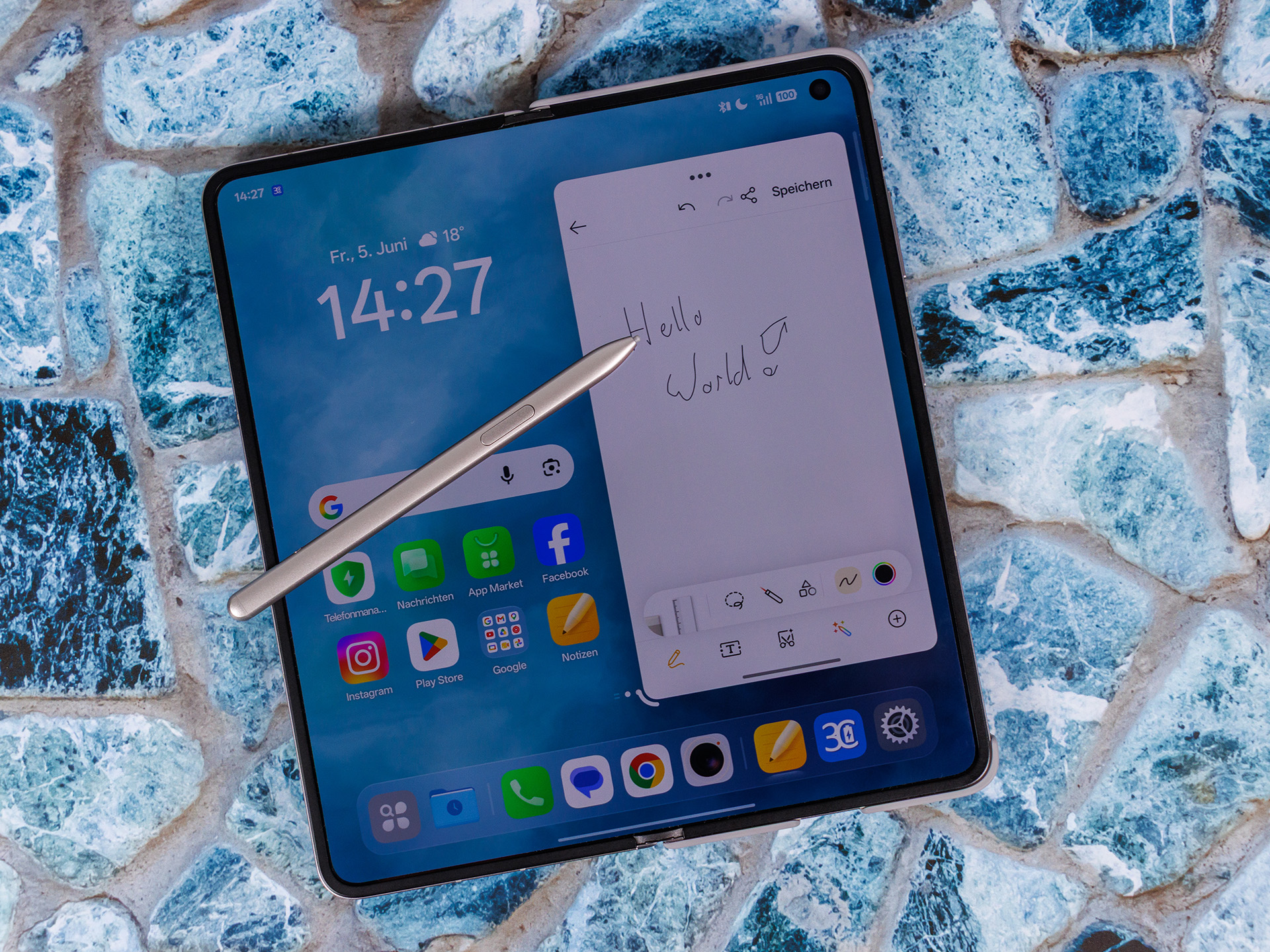
The optional AI Pen is a smart input stylus with Bluetooth. It sits fairly well in the hand and offers a pleasant writing feel. It has a wide range of functions and can also interact with Oppo's Mind AI. However, it cannot be used as a remote control.



Foldable display: bright and accurate panel in the Find N6
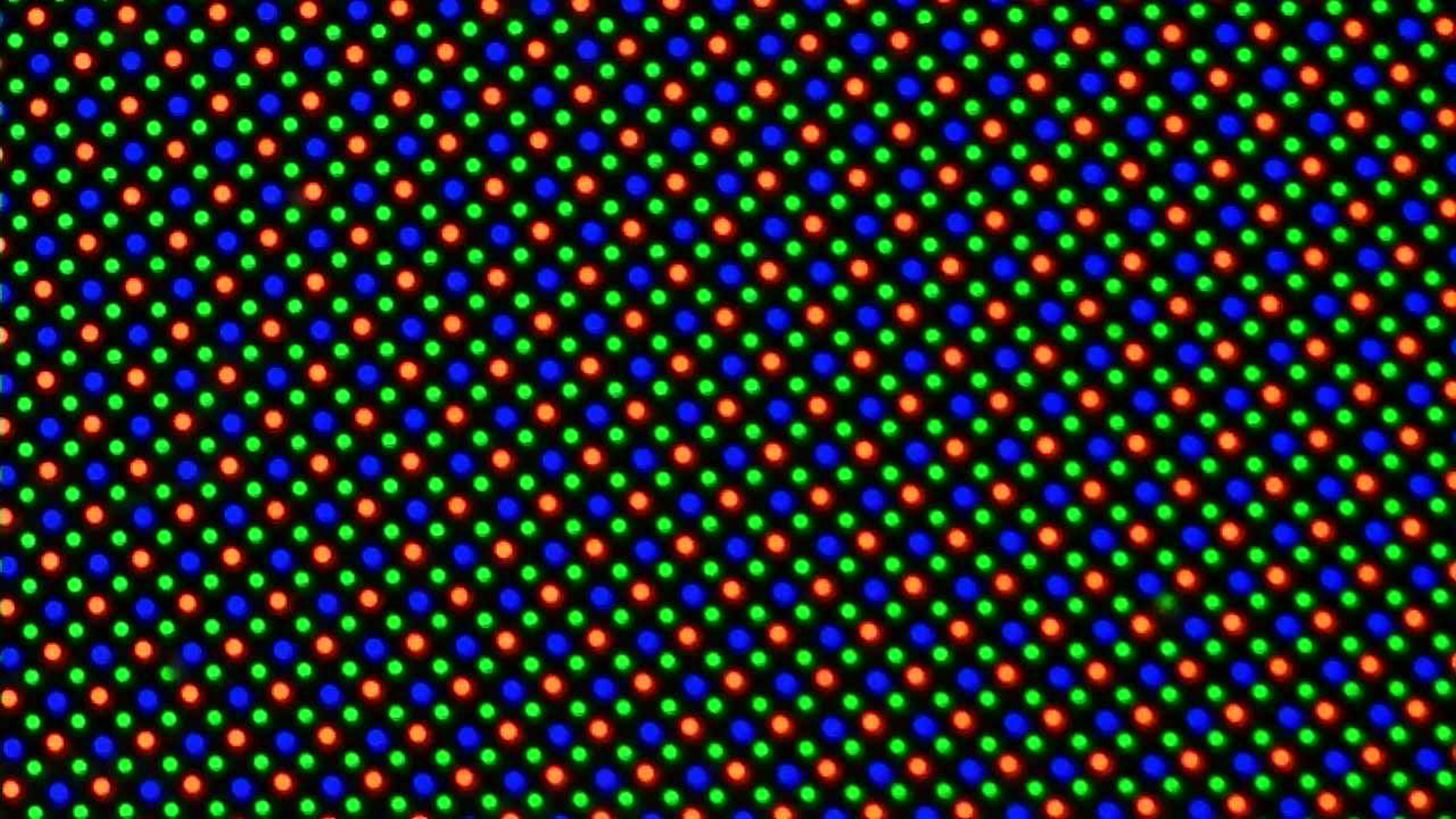
The 8.12-inch inner display uses LTPO technology and can adjust its refresh rate between 1 and 120 Hz. Nominally, the panel is said to reach up to 2,500 cd/m², but unfortunately this is not achieved in our test.
With manual brightness control, we measured 586 cd/m², while with the sensor activated on a white background, the centre of the screen reaches 1,179 cd/m². With smaller white areas, we measured up to only 1,697 cd/m².
Both displays use high-frequency PWM dimming at 2,160 Hz, which our measurements confirm. However, we also detected baseline flickering at 180 Hz. This is comparatively high-frequency, so most sensitive users should not experience any discomfort.
| |||||||||||||||||||||||||
Brightness Distribution: 98 %
Center on Battery: 1179 cd/m²
Contrast: ∞:1 (Black: 0 cd/m²)
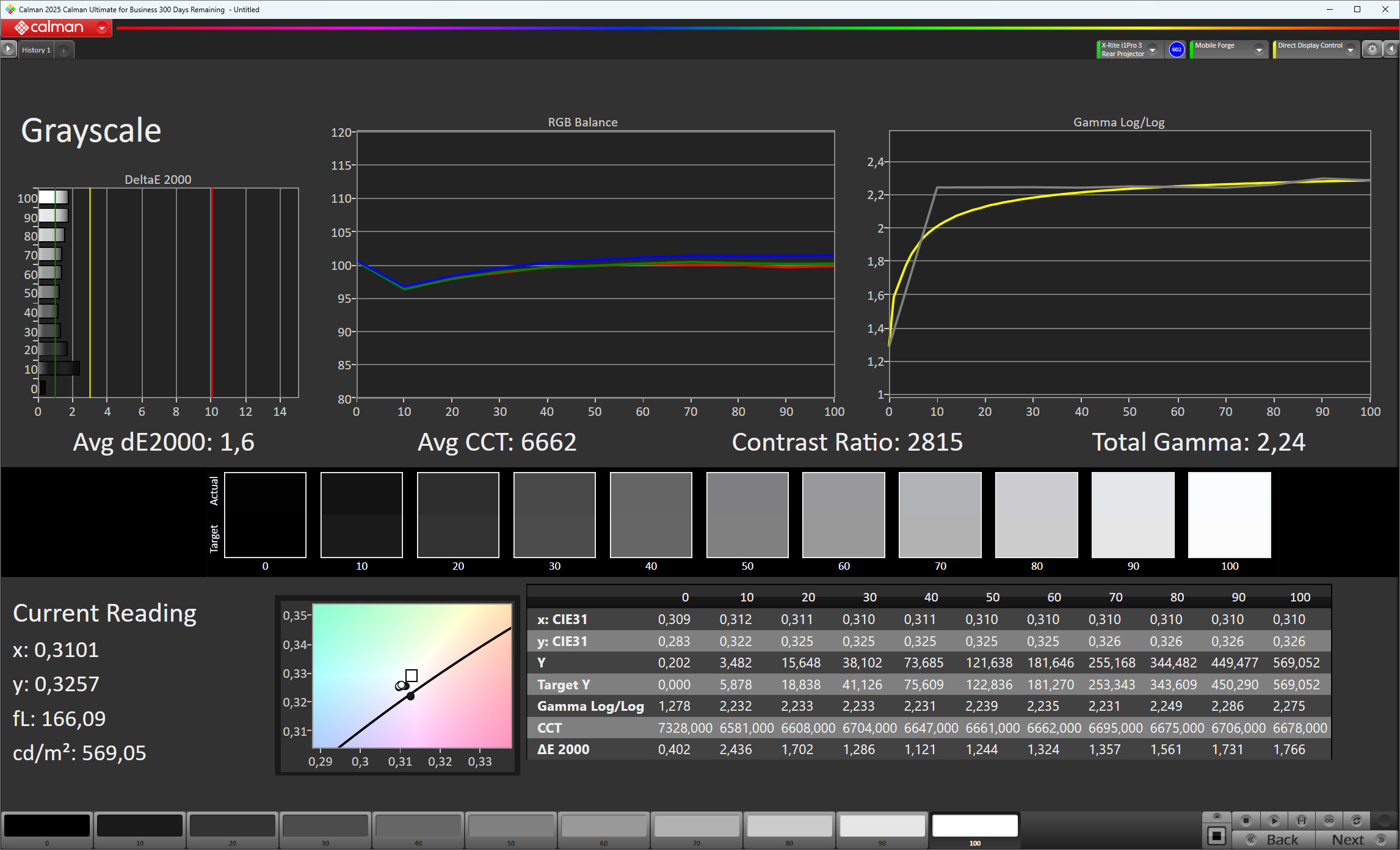
ΔE ColorChecker Calman: 1.6 | ∀{0.5-29.43 Ø4.73}
ΔE Greyscale Calman: 1.6 | ∀{0.09-98 Ø4.97}
99.3% sRGB (Calman 2D)
Gamma: 2.24
CCT: 6662 K
| Oppo Find N6 OLED, 2480x2248, 8.1" | Samsung Galaxy Z Fold7 Dynamic AMOLED 2X, 2184x1968, 8" | Honor Magic V5 OLED, 2352x2172, 8" | Huawei Mate X7 OLED, 2416x2210, 8" | Oppo Find N5 AMOLED, 2480x2248, 8.1" | |
|---|---|---|---|---|---|
| Screen | -15% | 23% | -10% | -7% | |
| Brightness middle (cd/m²) | 1179 | 1311 11% | 1330 13% | 1005 -15% | 1240 5% |
| Brightness (cd/m²) | 1184 | 1307 10% | 1357 15% | 1021 -14% | 1179 0% |
| Brightness Distribution (%) | 98 | 95 -3% | 93 -5% | 97 -1% | 91 -7% |
| Black Level * (cd/m²) | |||||
| Colorchecker dE 2000 * | 1.6 | 2.4 -50% | 0.7 56% | 1.4 13% | 1.36 15% |
| Colorchecker dE 2000 max. * | 2.9 | 3.4 -17% | 2 31% | 3.1 -7% | 3.06 -6% |
| Greyscale dE 2000 * | 1.6 | 2.2 -38% | 1.2 25% | 2.2 -38% | 2.4 -50% |
| Gamma | 2.24 98% | 2.03 108% | 2.25 98% | 2.25 98% | 2.239 98% |
| CCT | 6662 98% | 6413 101% | 6596 99% | 6890 94% | 6353 102% |
* ... smaller is better
| Display / APL18 Peak Brightness | |
| Samsung Galaxy Z Fold7 | |
| Huawei Mate X7 | |
| Oppo Find N6 | |
| Honor Magic V5 | |
| Display / HDR Peak Brightness | |
| Honor Magic V5 | |
| Samsung Galaxy Z Fold7 | |
| Oppo Find N6 | |
| Huawei Mate X7 | |
Screen Flickering / PWM (Pulse-Width Modulation)
| Screen flickering / PWM detected | 180 Hz Amplitude: 14.43 % Secondary Frequency: 2000 Hz | 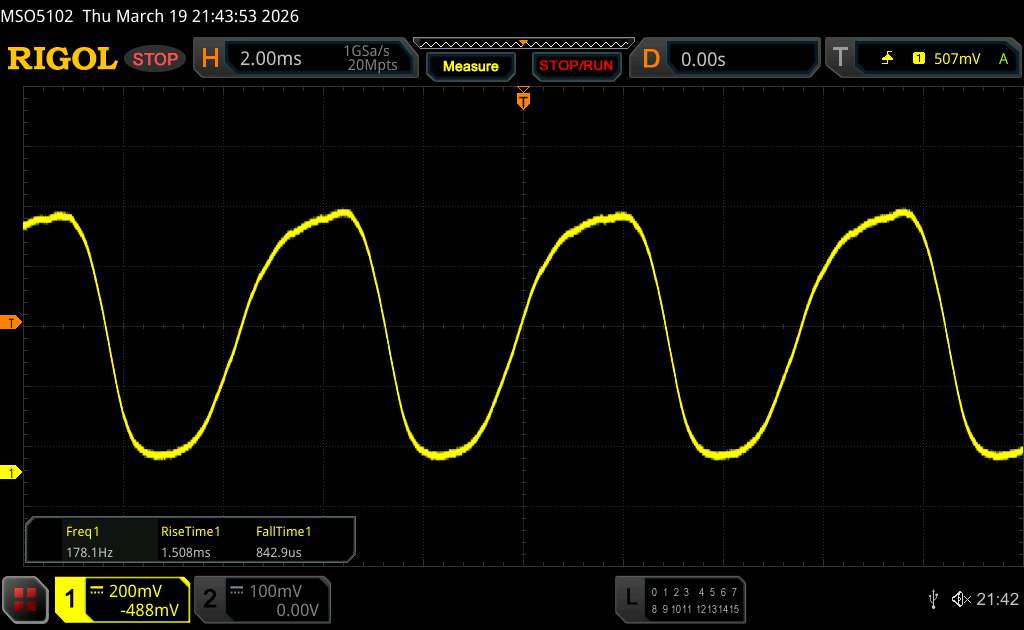 | |
The display backlight flickers at 180 Hz (worst case, e.g., utilizing PWM) . The frequency of 180 Hz is relatively low, so sensitive users will likely notice flickering and experience eyestrain at the stated brightness setting and below. In comparison: 52 % of all tested devices do not use PWM to dim the display. If PWM was detected, an average of 7810 (minimum: 5 - maximum: 343500) Hz was measured. | |||
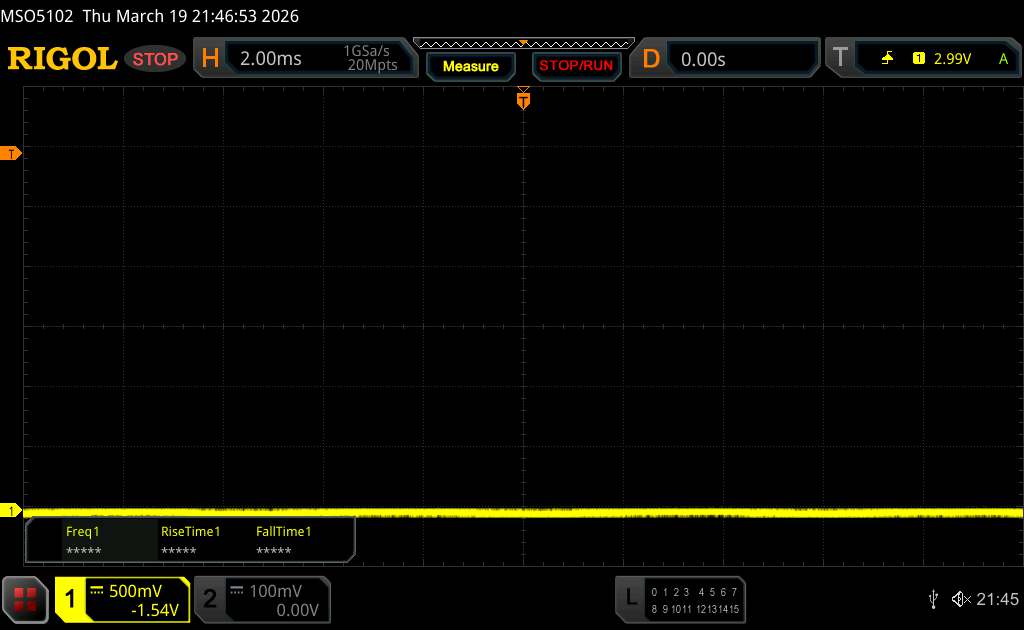
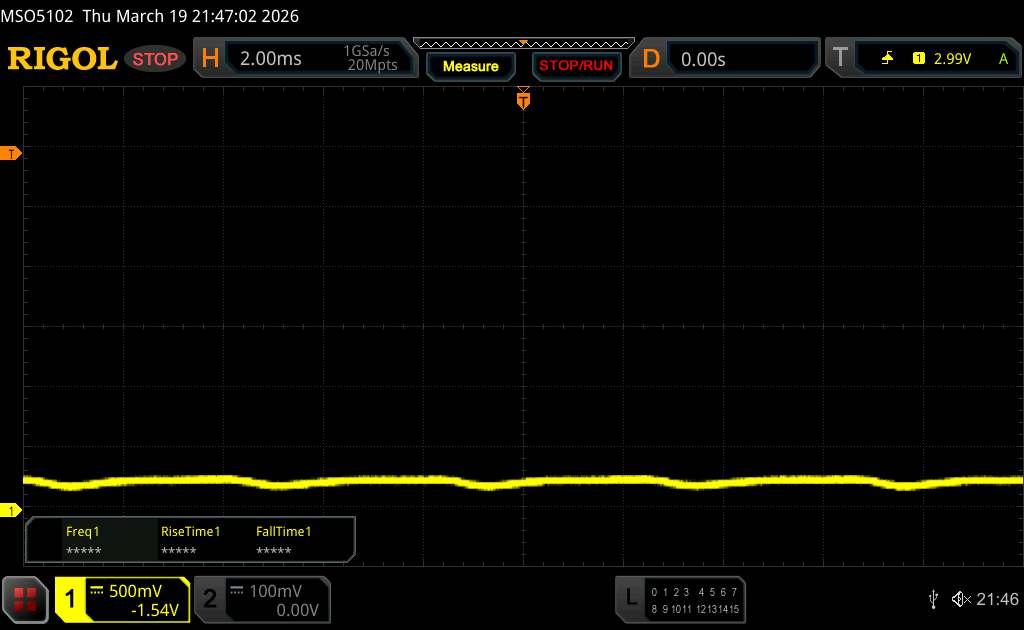
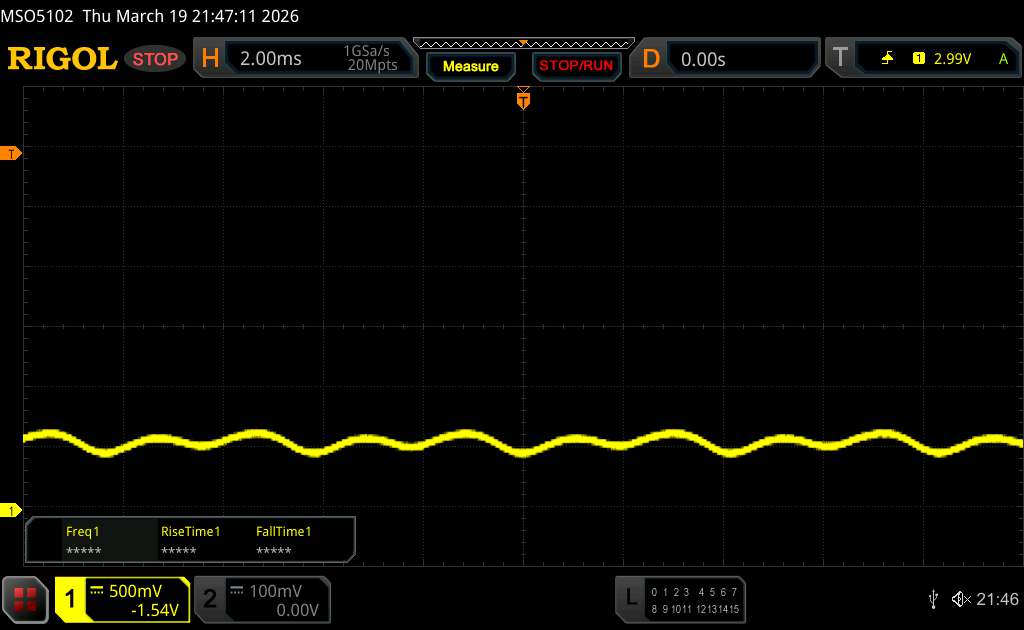
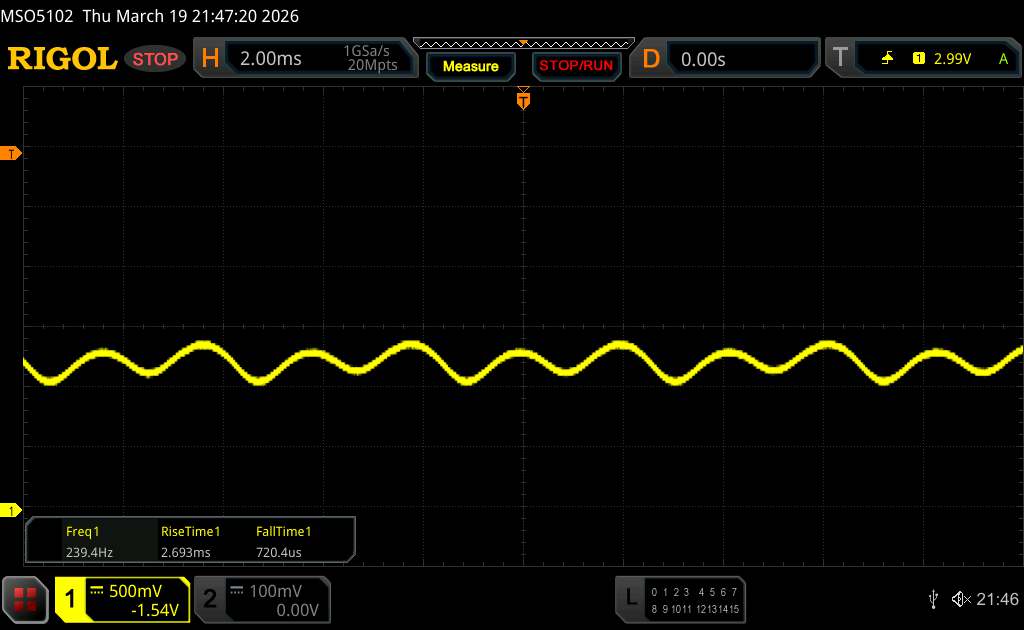
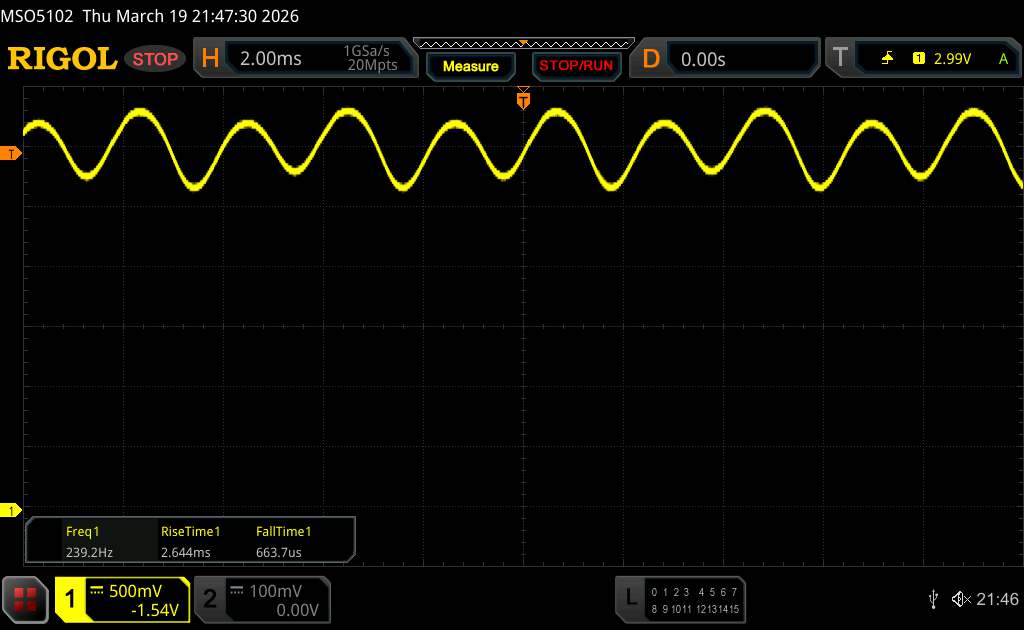
Measurement series with fixed zoom level and different brightness settings (The amplitude curve at minimum brightness looks flat, but this is due to the scaling. The info box shows the enlarged version of the amplitude at minimum brightness)
White balance and color reproduction are at a natural level, provided the Natural profile and Warm color temperature are selected in the settings. Otherwise, the display is cooler.


Display Response Times
| ↔ Response Time Black to White | ||
|---|---|---|
| 1.05 ms ... rise ↗ and fall ↘ combined | ↗ 0.539 ms rise | 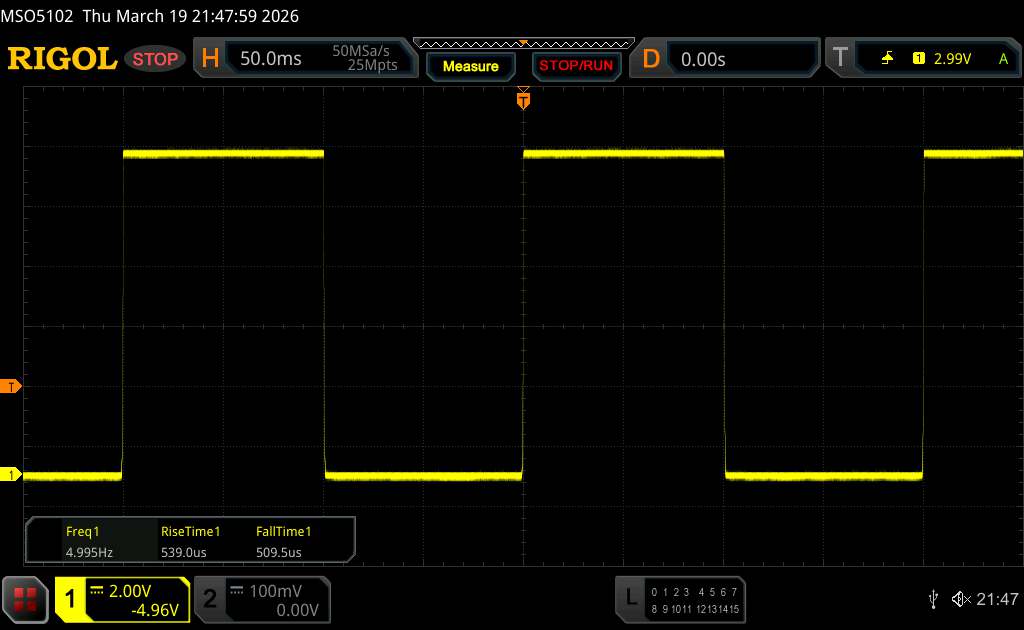 |
| ↘ 0.5095 ms fall | ||
| The screen shows very fast response rates in our tests and should be very well suited for fast-paced gaming. In comparison, all tested devices range from 0.1 (minimum) to 240 (maximum) ms. » 5 % of all devices are better. This means that the measured response time is better than the average of all tested devices (19.9 ms). | ||
| ↔ Response Time 50% Grey to 80% Grey | ||
| 0.52 ms ... rise ↗ and fall ↘ combined | ↗ 0.3165 ms rise | 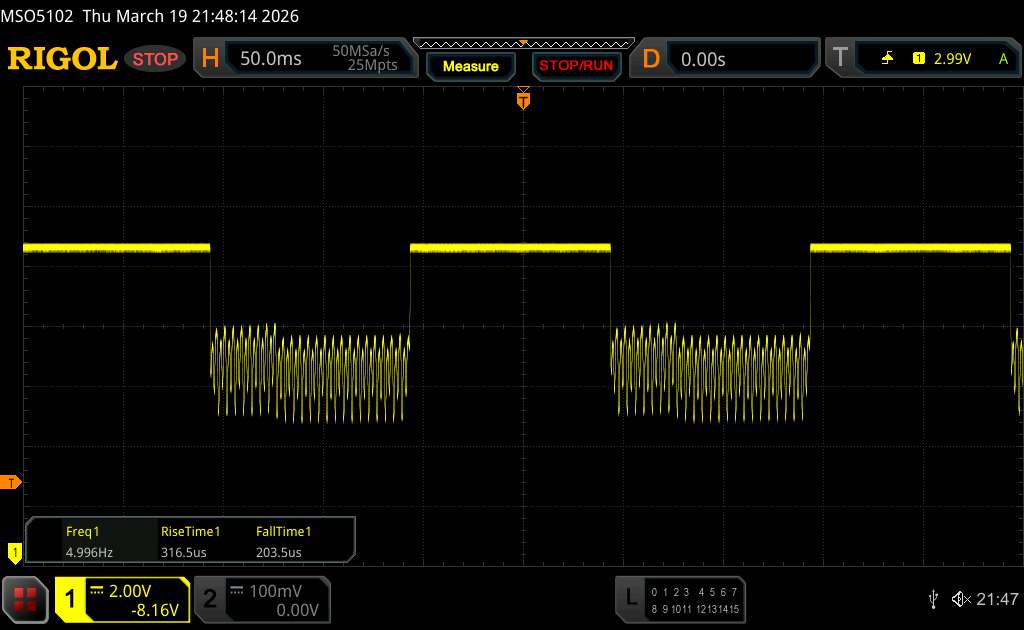 |
| ↘ 0.2035 ms fall | ||
| The screen shows very fast response rates in our tests and should be very well suited for fast-paced gaming. In comparison, all tested devices range from 0.165 (minimum) to 636 (maximum) ms. » 1 % of all devices are better. This means that the measured response time is better than the average of all tested devices (31.1 ms). | ||
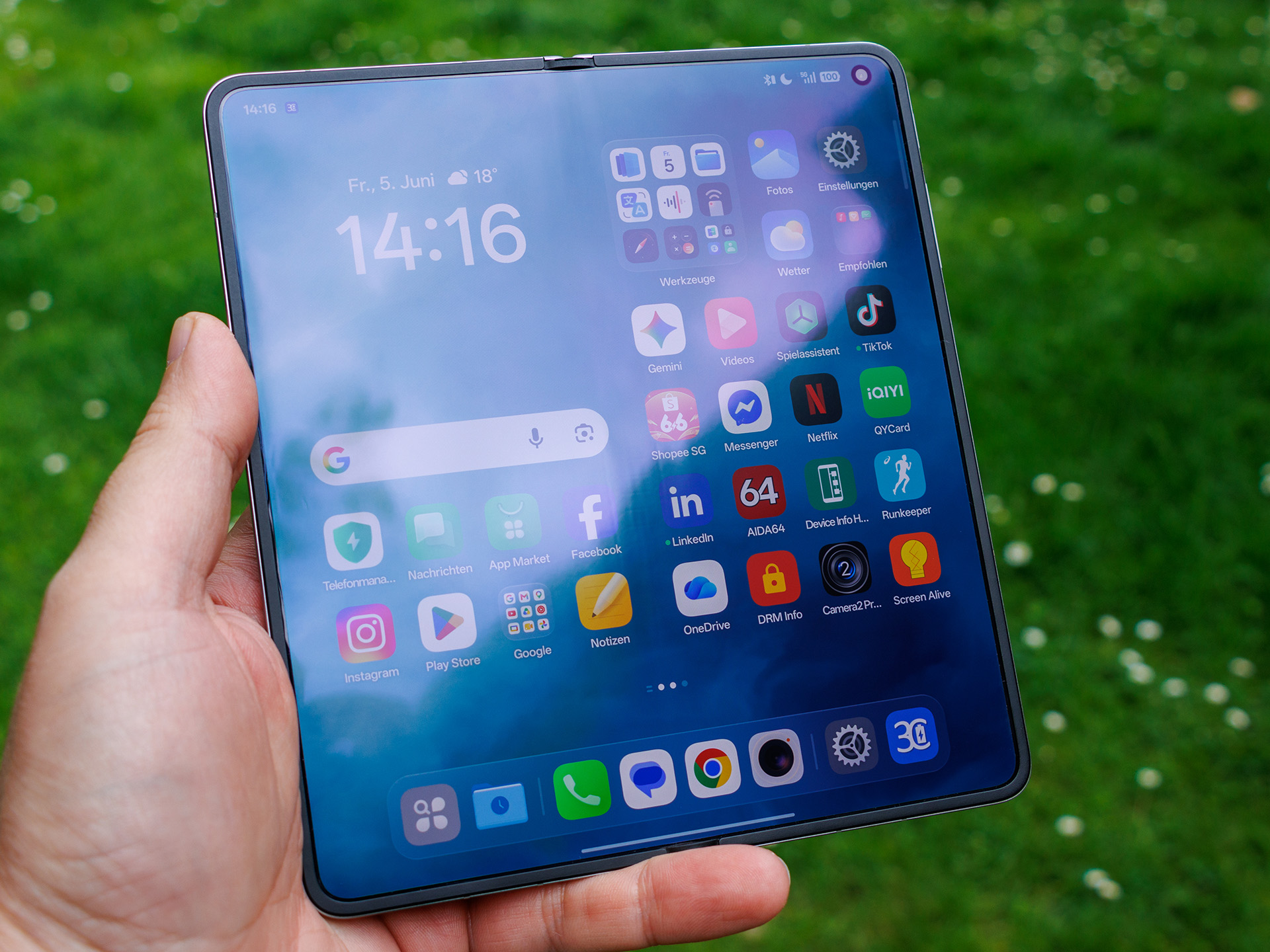
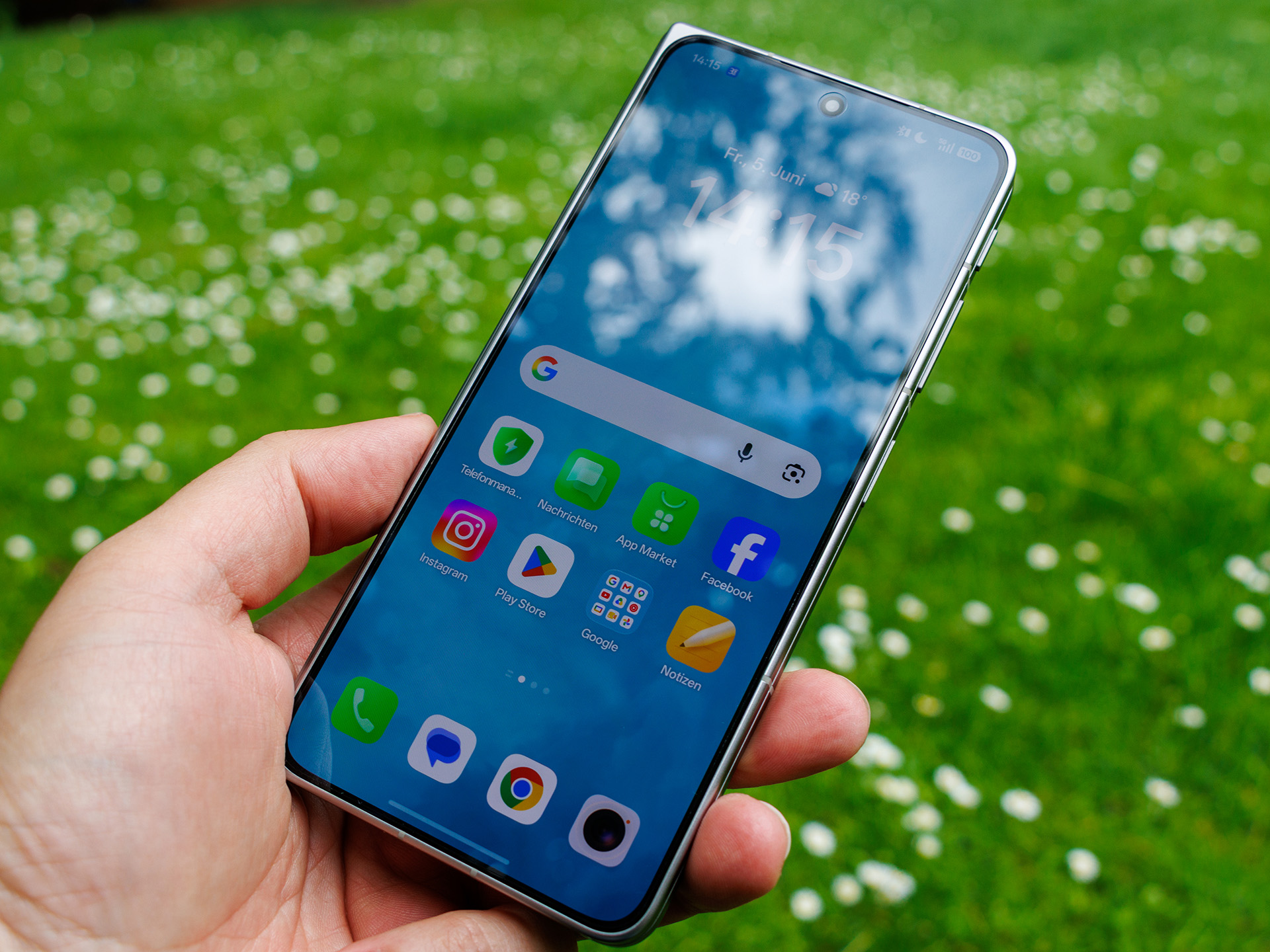
Outdoors, the Oppo Find N6's main display remains easy to read as long as it is not too sunny.
Viewing-angle stability is good. At shallow viewing angles, the image becomes slightly cooler and loses some brightness.

Cover display: higher brightness
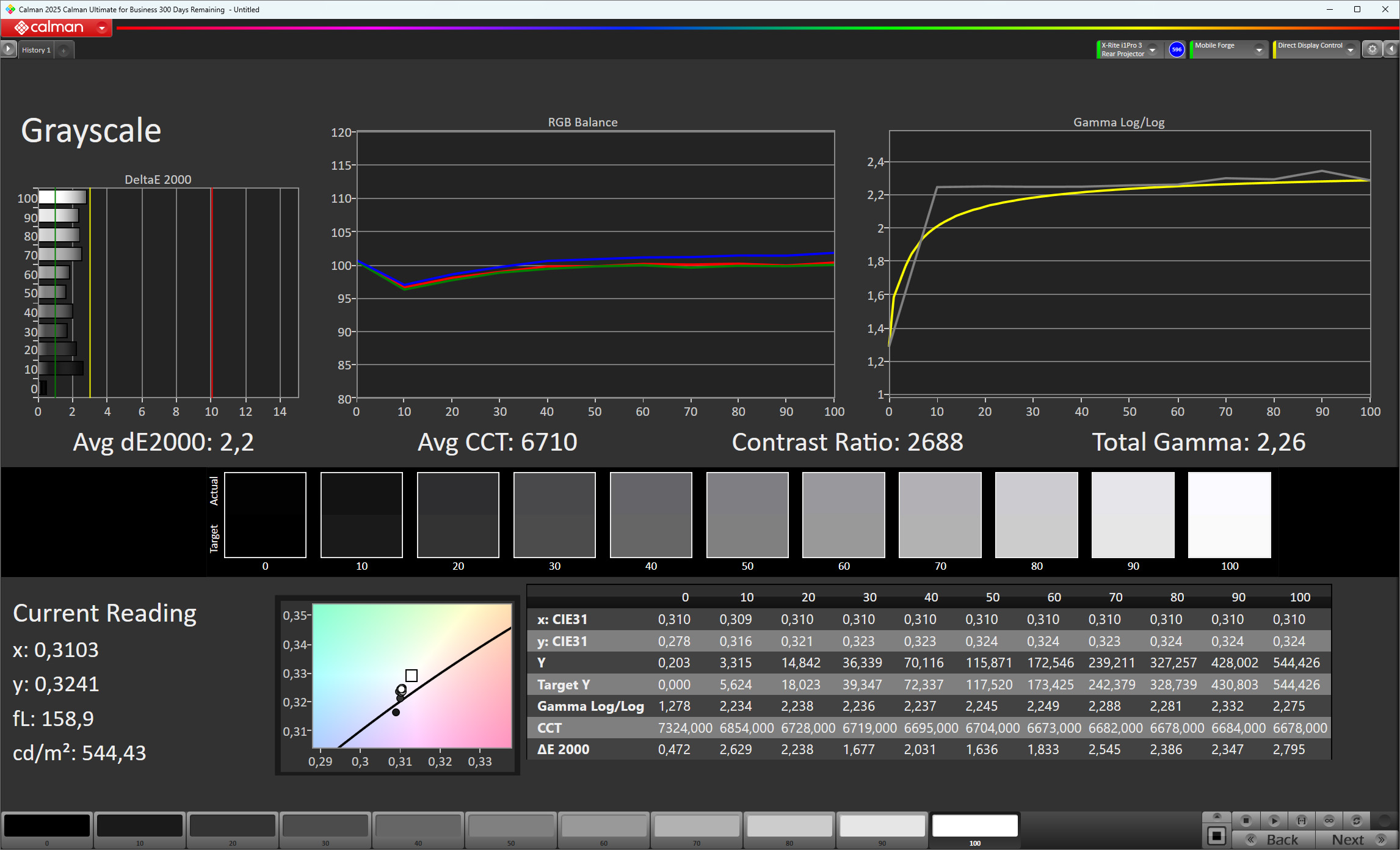
The cover display is technically similar, but comes from BOE and is said to be able to reach up to 3,500 cd/m². Unfortunately, this was not achieved in the test. We only achieved 2,000 cd/m² during HDR playback.
| Oppo Find N6 OLED, 2616x1140, 6.6" | Honor Magic V5 OLED, 2376x1060, 6.4" | Samsung Galaxy Z Fold7 Dynamic AMOLED 2X, 2520x1080, 6.5" | Oppo Find N5 2616x1140, 6.6" | Huawei Mate X7 OLED, 2444x1080, 6.5" | |
|---|---|---|---|---|---|
| Screen | |||||
| Brightness middle (cd/m²) | 1180 | 1701 | 1348 | 1358 | 1572 |
| Brightness (cd/m²) | 1175 | 1691 | 1346 | 1328 | 1570 |
| Brightness Distribution (%) | 97 | 97 | 94 | 96 | 96 |
| Black Level * (cd/m²) | |||||
| Colorchecker dE 2000 * | 1.5 | 0.7 | 2.2 | 1.14 | 1.1 |
| Colorchecker dE 2000 max. * | 2.7 | 2 | 2.9 | 2.21 | 3.1 |
| Greyscale dE 2000 * | 2.2 | 1.7 | 2.3 | 1.5 | 4.1 |
| Gamma | 2.26 97% | 2.22 99% | 2.04 108% | 2.213 99% | 2.26 97% |
| CCT | 6710 97% | 6396 102% | 6461 101% | 6504 100% | 6980 93% |
* ... smaller is better
| Display / APL18 Peak Brightness | |
| Huawei Mate X7 | |
| Samsung Galaxy Z Fold7 | |
| Honor Magic V5 | |
| Oppo Find N6 | |
| Display / HDR Peak Brightness | |
| Honor Magic V5 | |
| Huawei Mate X7 | |
| Samsung Galaxy Z Fold7 | |
| Oppo Find N6 | |
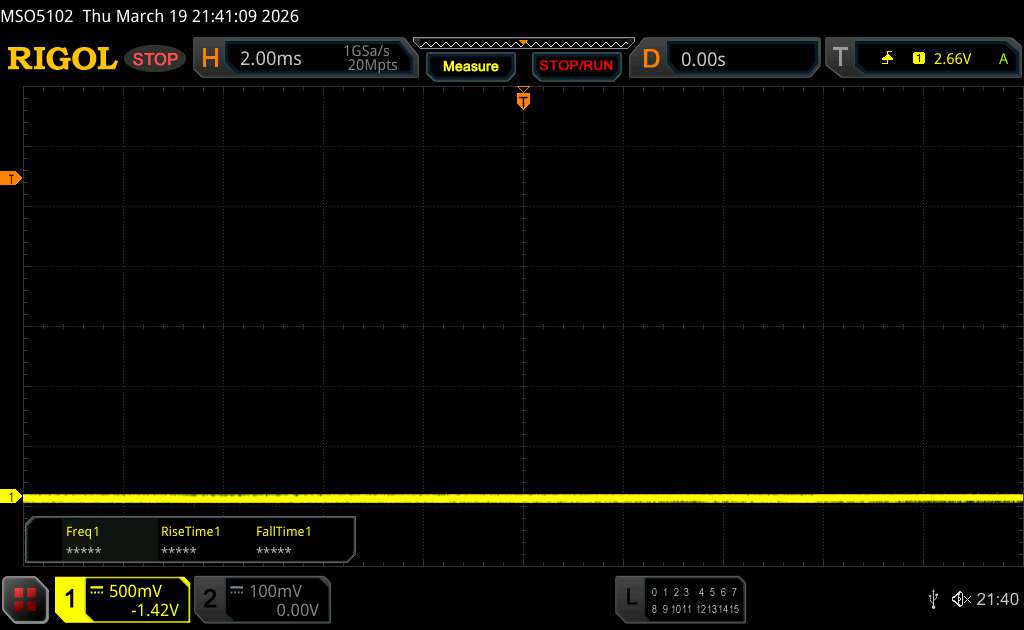
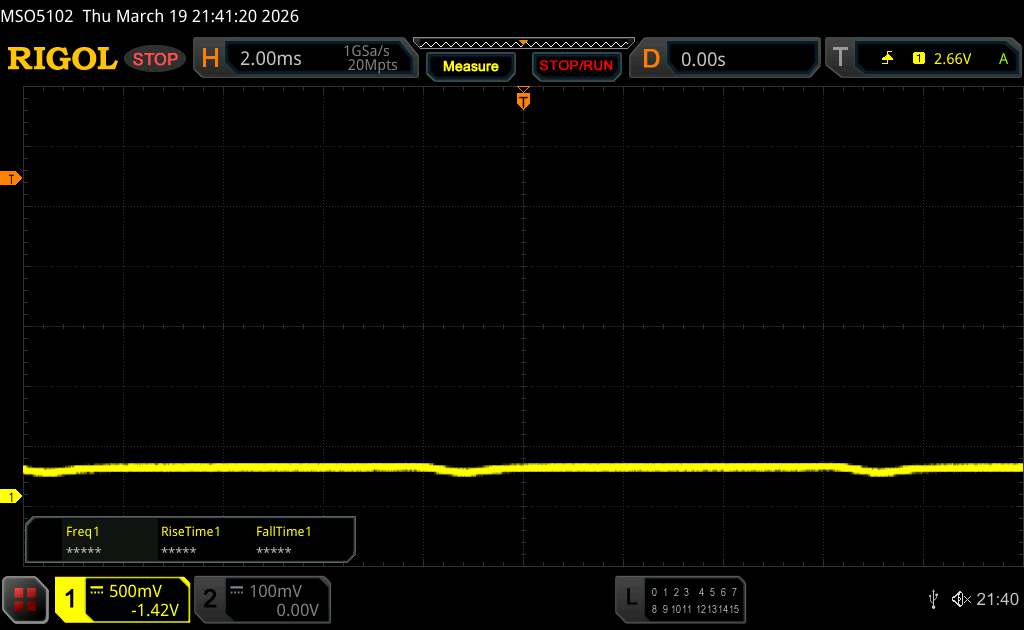
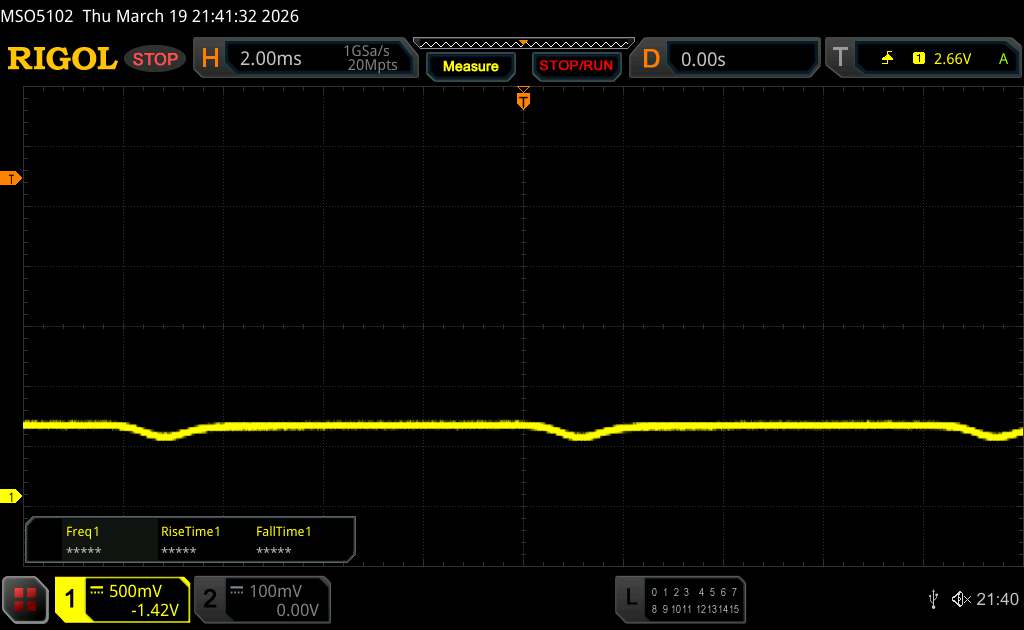
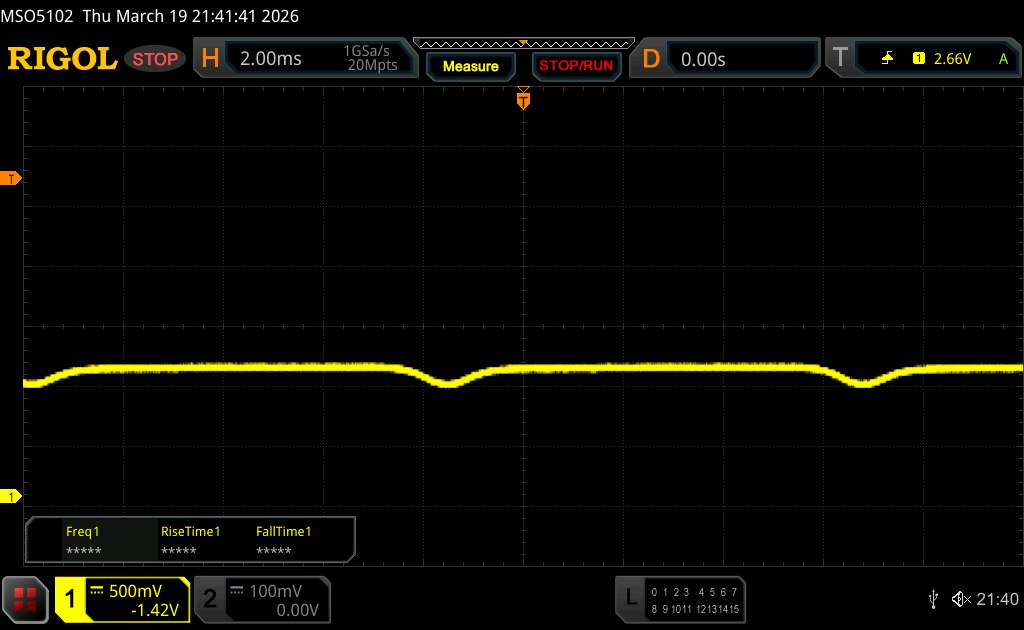
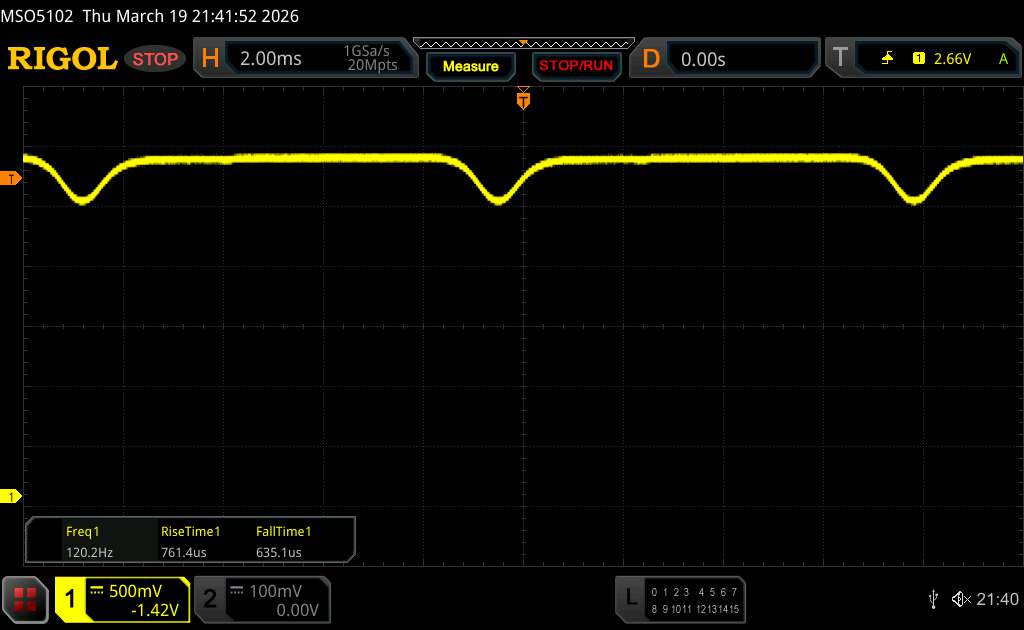
Measurement series with fixed zoom level and different brightness settings (The amplitude curve at minimum brightness looks flat, but this is due to the scaling. The info box shows the enlarged version of the amplitude at minimum brightness)



Performance: Snapdragon 8 Elite Gen 5 for the Oppo Find N6
The Oppo Find N6 uses the Snapdragon 8 Elite Gen 5 with 16 GB of LPDDR5x RAM. Performance is excellent across the board, even though the foldable is one of the slower smartphones with this SoC.
| PCMark for Android - Work 3.0 | |
| Average Qualcomm Snapdragon 8 Elite Gen 5 (9790 - 28557, n=12) | |
| Average of class Smartphone (4507 - 28557, n=157, last 2 years) | |
| Oppo Find N5 | |
| Oppo Find N6 | |
| Huawei Mate X7 | |
| UL Procyon AI Inference for Android - Overall Score NNAPI | |
| Average Qualcomm Snapdragon 8 Elite Gen 5 (10671 - 24002, n=9) | |
| Average of class Smartphone (3769 - 81594, n=115, last 2 years) | |
| Oppo Find N5 | |
| Huawei Mate X7 | |
| AImark - Score v3.x | |
| Average of class Smartphone (293 - 307528, n=92, last 2 years) | |
| Average Qualcomm Snapdragon 8 Elite Gen 5 (774 - 2381, n=7) | |
| Huawei Mate X7 | |
| Oppo Find N5 | |
| AI Benchmark - Score V6 | |
| Oppo Find N6 | |
| Average Qualcomm Snapdragon 8 Elite Gen 5 (1098 - 22780, n=8) | |
| Oppo Find N5 | |
| Average of class Smartphone (55.6 - 22780, n=82, last 2 years) | |
| Huawei Mate X7 | |
The integrated Adreno 840 supports all modern graphics APIs and offers very good performance.
GFXBench (DX / GLBenchmark) 2.7: T-Rex Onscreen | 1920x1080 T-Rex Offscreen
GFXBench 3.0: on screen Manhattan Onscreen OGL | 1920x1080 1080p Manhattan Offscreen
GFXBench 3.1: on screen Manhattan ES 3.1 Onscreen | 1920x1080 Manhattan ES 3.1 Offscreen
GFXBench: on screen Car Chase Onscreen | 1920x1080 Car Chase Offscreen | on screen Aztec Ruins High Tier Onscreen | 2560x1440 Aztec Ruins High Tier Offscreen | on screen Aztec Ruins Normal Tier Onscreen | 1920x1080 Aztec Ruins Normal Tier Offscreen | 3840x2160 4K Aztec Ruins High Tier Offscreen
| 3DMark / Wild Life Extreme Unlimited | |
| Oppo Find N6 | |
| Oppo Find N5 | |
| Honor Magic V5 | |
| Samsung Galaxy Z Fold7 | |
| Huawei Mate X7 | |
| 3DMark / Wild Life Extreme | |
| Oppo Find N6 | |
| Samsung Galaxy Z Fold7 | |
| Honor Magic V5 | |
| Oppo Find N5 | |
| Huawei Mate X7 | |
| 3DMark / Wild Life Unlimited Score | |
| Oppo Find N6 | |
| Samsung Galaxy Z Fold7 | |
| Honor Magic V5 | |
| Oppo Find N5 | |
| Huawei Mate X7 | |
| 3DMark / Solar Bay Score | |
| Oppo Find N6 | |
| Oppo Find N5 | |
| Huawei Mate X7 | |
| 3DMark / Solar Bay Unlimited Score | |
| Oppo Find N5 | |
| Oppo Find N6 | |
| Huawei Mate X7 | |
| 3DMark / Steel Nomad Light Unlimited Score | |
| Oppo Find N6 | |
| Oppo Find N5 | |
| Samsung Galaxy Z Fold7 | |
| Honor Magic V5 | |
| Huawei Mate X7 | |
| 3DMark / Steel Nomad Light Score | |
| Oppo Find N6 | |
| Honor Magic V5 | |
| Samsung Galaxy Z Fold7 | |
| Oppo Find N5 | |
| Huawei Mate X7 | |
| GFXBench (DX / GLBenchmark) 2.7 / T-Rex Onscreen | |
| Oppo Find N5 | |
| Huawei Mate X7 | |
| Oppo Find N6 | |
| GFXBench (DX / GLBenchmark) 2.7 / T-Rex Offscreen | |
| Oppo Find N6 | |
| Oppo Find N5 | |
| Huawei Mate X7 | |
| GFXBench 3.0 / Manhattan Onscreen OGL | |
| Oppo Find N5 | |
| Huawei Mate X7 | |
| Oppo Find N6 | |
| GFXBench 3.0 / 1080p Manhattan Offscreen | |
| Oppo Find N6 | |
| Oppo Find N5 | |
| Huawei Mate X7 | |
| GFXBench 3.1 / Manhattan ES 3.1 Onscreen | |
| Oppo Find N5 | |
| Oppo Find N6 | |
| Huawei Mate X7 | |
| GFXBench 3.1 / Manhattan ES 3.1 Offscreen | |
| Oppo Find N6 | |
| Oppo Find N5 | |
| Huawei Mate X7 | |
| GFXBench / Car Chase Onscreen | |
| Oppo Find N5 | |
| Oppo Find N6 | |
| Huawei Mate X7 | |
| GFXBench / Car Chase Offscreen | |
| Oppo Find N6 | |
| Oppo Find N5 | |
| Huawei Mate X7 | |
| GFXBench / Aztec Ruins High Tier Onscreen | |
| Samsung Galaxy Z Fold7 | |
| Honor Magic V5 | |
| Oppo Find N6 | |
| Oppo Find N5 | |
| Huawei Mate X7 | |
| GFXBench / Aztec Ruins High Tier Offscreen | |
| Oppo Find N6 | |
| Oppo Find N5 | |
| Honor Magic V5 | |
| Samsung Galaxy Z Fold7 | |
| Huawei Mate X7 | |
| GFXBench / Aztec Ruins Normal Tier Onscreen | |
| Samsung Galaxy Z Fold7 | |
| Oppo Find N5 | |
| Honor Magic V5 | |
| Oppo Find N6 | |
| Huawei Mate X7 | |
| GFXBench / Aztec Ruins Normal Tier Offscreen | |
| Oppo Find N6 | |
| Oppo Find N5 | |
| Samsung Galaxy Z Fold7 | |
| Honor Magic V5 | |
| Huawei Mate X7 | |
| GFXBench / 4K Aztec Ruins High Tier Offscreen | |
| Oppo Find N6 | |
| Honor Magic V5 | |
| Samsung Galaxy Z Fold7 | |
| Oppo Find N5 | |
| Huawei Mate X7 | |
| Jetstream 2 - 2.0 Total | |
| Honor Magic V5 (Chrome 139) | |
| Samsung Galaxy Z Fold7 (Chrome 139) | |
| Average Qualcomm Snapdragon 8 Elite Gen 5 (70.1 - 409, n=9) | |
| Average of class Smartphone (59.7 - 423, n=131, last 2 years) | |
| Oppo Find N5 (Chrome 135) | |
| Speedometer 2.0 - Result 2.0 | |
| Average Qualcomm Snapdragon 8 Elite Gen 5 (229 - 624, n=4) | |
| Oppo Find N5 (Chrome 135) | |
| Average of class Smartphone (49.3 - 733, n=94, last 2 years) | |
| Speedometer 3 - Score 3.0 | |
| Average Qualcomm Snapdragon 8 Elite Gen 5 (14.4 - 31.4, n=7) | |
| Huawei Mate X7 (Chrome 145) | |
| Oppo Find N5 (Chrome 135) | |
| Average of class Smartphone (3.06 - 45.5, n=106, last 2 years) | |
| WebXPRT 4 - Overall | |
| Average Qualcomm Snapdragon 8 Elite Gen 5 (102 - 278, n=10) | |
| Oppo Find N5 (Chrome 135) | |
| Huawei Mate X7 (Chrome 145) | |
| Average of class Smartphone (56 - 306, n=116, last 2 years) | |
| Oppo Find N6 (Chrome 147) | |
| Octane V2 - Total Score | |
| Average Qualcomm Snapdragon 8 Elite Gen 5 (47984 - 126661, n=12) | |
| Oppo Find N6 (Chrome 147) | |
| Average of class Smartphone (2800 - 126661, n=161, last 2 years) | |
| Huawei Mate X7 (Chrome 145) | |
| Oppo Find N5 (Chrome 135) | |
| Mozilla Kraken 1.1 - Total | |
| Average of class Smartphone (257 - 28190, n=139, last 2 years) | |
| Oppo Find N5 (Chrome 135) | |
| Huawei Mate X7 (Chrome 145) | |
| Oppo Find N6 (Chrome 147) | |
| Average Qualcomm Snapdragon 8 Elite Gen 5 (284 - 799, n=16) | |
* ... smaller is better
| Oppo Find N6 | Samsung Galaxy Z Fold7 | Honor Magic V5 | Oppo Find N5 | Huawei Mate X7 | Average 512 GB UFS 4.1 Flash | Average of class Smartphone | |
|---|---|---|---|---|---|---|---|
| AndroBench 3-5 | -33% | -20% | -27% | 25% | -12% | -40% | |
| Sequential Read 256KB (MB/s) | 3861.06 | 4080.35 6% | 3870.06 0% | 3437.47 -11% | 4365.76 13% | 3635 ? -6% | 2253 ? -42% |
| Sequential Write 256KB (MB/s) | 3531.83 | 2239.55 -37% | 3360.06 -5% | 3251.98 -8% | 4112.78 16% | 3164 ? -10% | 1928 ? -45% |
| Random Read 4KB (MB/s) | 446.52 | 403.69 -10% | 279.8 -37% | 269.51 -40% | 463.43 4% | 413 ? -8% | 309 ? -31% |
| Random Write 4KB (MB/s) | 637.68 | 51.23 -92% | 391.94 -39% | 339.32 -47% | 1071.05 68% | 491 ? -23% | 361 ? -43% |
Emissions: Find N6 throttles heavily
Temperature
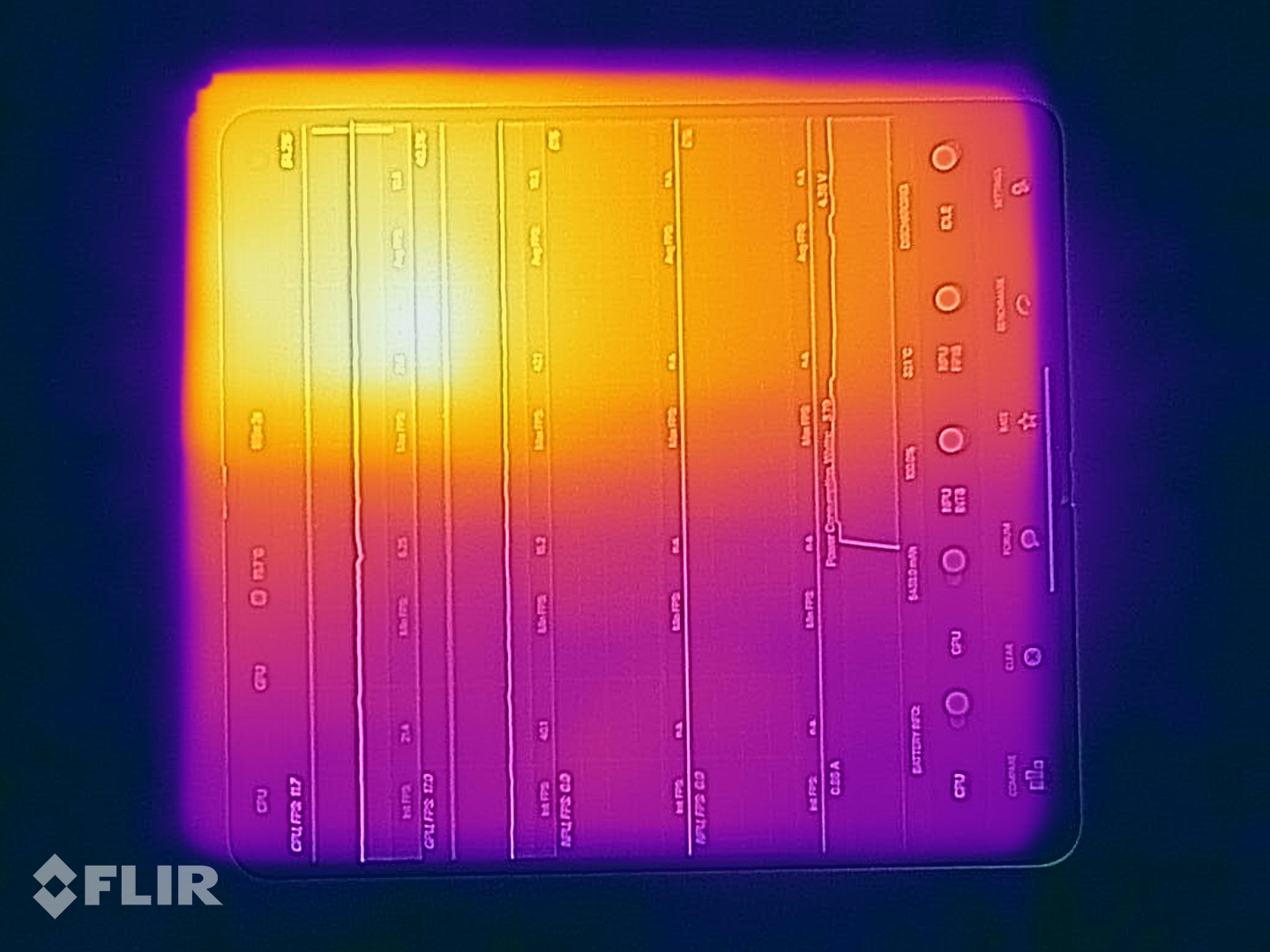
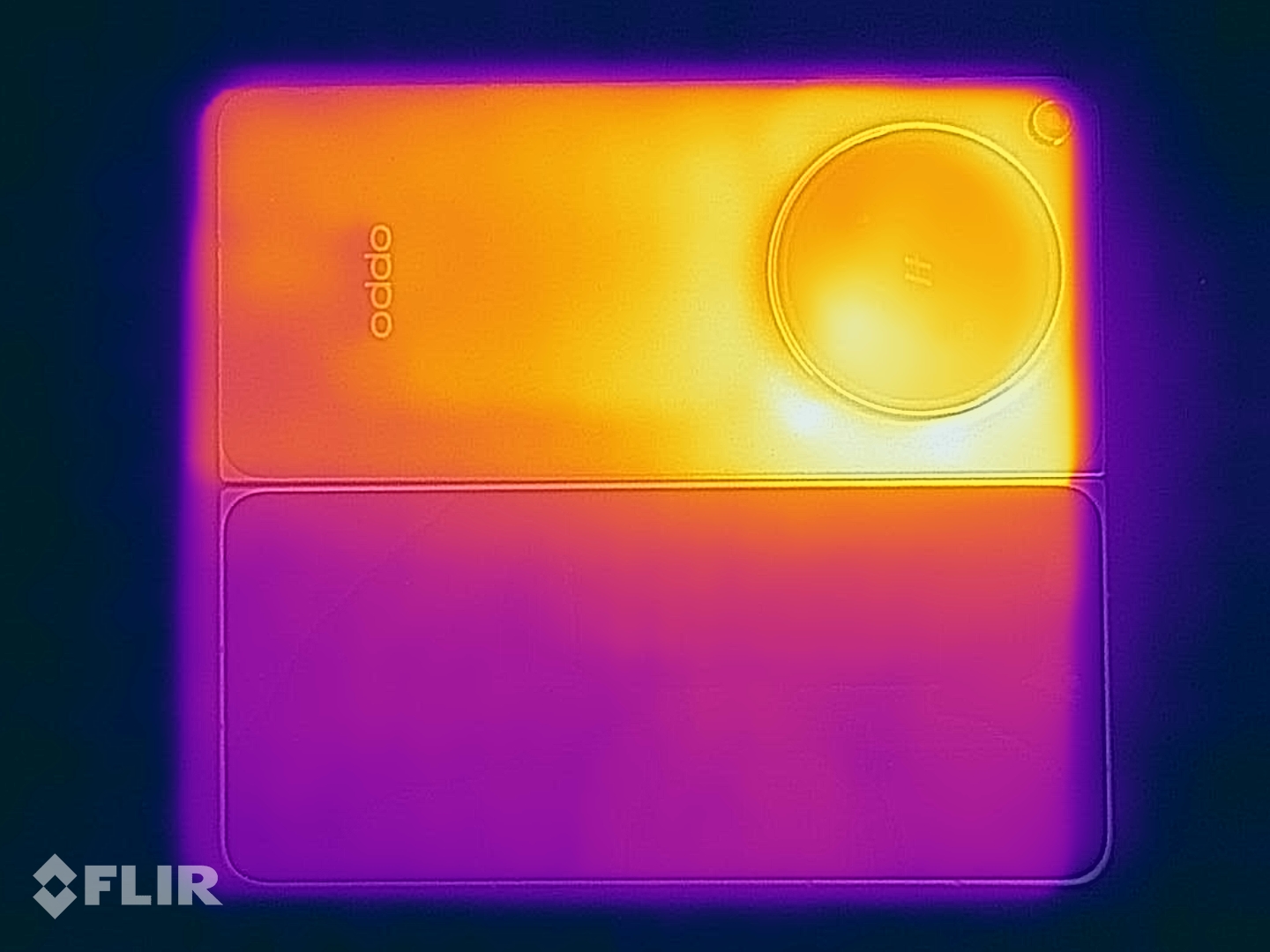
The surface temperatures are unremarkable, but the SoC throttles heavily under sustained load.
(-) The maximum temperature on the upper side is 48.3 °C / 119 F, compared to the average of 35.3 °C / 96 F, ranging from 21.9 to 247 °C for the class Smartphone.
(-) The bottom heats up to a maximum of 46.3 °C / 115 F, compared to the average of 34 °C / 93 F
(+) In idle usage, the average temperature for the upper side is 26.2 °C / 79 F, compared to the device average of 32.9 °C / 91 F.
3DMark stress tests
| 3DMark | |
| Wild Life Stress Test Stability | |
| Honor Magic V5 | |
| Oppo Find N5 | |
| Samsung Galaxy Z Fold7 | |
| Oppo Find N6 | |
| Huawei Mate X7 | |
| Wild Life Extreme Stress Test | |
| Huawei Mate X7 | |
| Oppo Find N5 | |
| Oppo Find N6 | |
| Solar Bay Stress Test Stability | |
| Oppo Find N5 | |
| Huawei Mate X7 | |
| Oppo Find N6 | |
| Steel Nomad Light Stress Test Stability | |
| Huawei Mate X7 | |
| Oppo Find N5 | |
| Samsung Galaxy Z Fold7 | |
| Honor Magic V5 | |
| Oppo Find N6 | |
Speakers
The two speakers offer rather thin sound and come across as quite constricted, with bass barely discernible. Overall, the audio is very treble-heavy.
Oppo Find N6 audio analysis
(+) | speakers can play relatively loud (85.5 dB)
Bass 100 - 315 Hz
(-) | nearly no bass - on average 18.7% lower than median
(±) | linearity of bass is average (10.7% delta to prev. frequency)
Mids 400 - 2000 Hz
(±) | higher mids - on average 6.2% higher than median
(+) | mids are linear (6.2% delta to prev. frequency)
Highs 2 - 16 kHz
(±) | higher highs - on average 9.5% higher than median
(+) | highs are linear (4.5% delta to prev. frequency)
Overall 100 - 16.000 Hz
(±) | linearity of overall sound is average (20.8% difference to median)
Compared to same class
» 38% of all tested devices in this class were better, 9% similar, 54% worse
» The best had a delta of 11%, average was 34%, worst was 134%
Compared to all devices tested
» 56% of all tested devices were better, 8% similar, 36% worse
» The best had a delta of 4%, average was 24%, worst was 134%
Samsung Galaxy Z Fold7 audio analysis
(+) | speakers can play relatively loud (89.5 dB)
Bass 100 - 315 Hz
(-) | nearly no bass - on average 21.4% lower than median
(±) | linearity of bass is average (10% delta to prev. frequency)
Mids 400 - 2000 Hz
(±) | reduced mids - on average 5% lower than median
(+) | mids are linear (5.2% delta to prev. frequency)
Highs 2 - 16 kHz
(±) | higher highs - on average 5.9% higher than median
(+) | highs are linear (4.4% delta to prev. frequency)
Overall 100 - 16.000 Hz
(±) | linearity of overall sound is average (17.1% difference to median)
Compared to same class
» 10% of all tested devices in this class were better, 8% similar, 82% worse
» The best had a delta of 11%, average was 34%, worst was 134%
Compared to all devices tested
» 31% of all tested devices were better, 8% similar, 61% worse
» The best had a delta of 4%, average was 24%, worst was 134%
Battery life: foldable with 6,000 mAh
Power consumption
Power consumption is low. The Find N6 can be charged by cable at up to 80 watts, while wireless charging is possible at 50 watts.
| Off / Standby |   0.11 / 0.35 Watt 0.11 / 0.35 Watt |
| Idle |  0.79 / 1.6 / 1.66 Watt 0.79 / 1.6 / 1.66 Watt |
| Load |
10.75 / 11.31 Watt |
    
| |
Key:
min: ,
med: ,
max: Metrahit Energy | |
| Oppo Find N6 6000 mAh | Samsung Galaxy Z Fold7 4400 mAh | Honor Magic V5 5820 mAh | Oppo Find N5 5600 mAh | Huawei Mate X7 5525 mAh | Average Qualcomm Snapdragon 8 Elite Gen 5 | Average of class Smartphone | |
|---|---|---|---|---|---|---|---|
| Power Consumption | 11% | 15% | 1% | 14% | 11% | 7% | |
| Idle Minimum * (Watt) | 0.79 | 0.63 20% | 0.67 15% | 0.9 -14% | 0.53 33% | 0.813 ? -3% | 0.872 ? -10% |
| Idle Average * (Watt) | 1.6 | 1.48 7% | 1.31 18% | 1.4 13% | 1.53 4% | 1.283 ? 20% | 1.463 ? 9% |
| Idle Maximum * (Watt) | 1.66 | 1.55 7% | 1.48 11% | 1.9 -14% | 1.56 6% | 1.47 ? 11% | 1.65 ? 1% |
| Load Average * (Watt) | 10.75 | 7.2 33% | 7.97 ? 26% | 6.84 ? 36% | |||
| Load Maximum * (Watt) | 11.31 | 12.8 -13% | 11.3 ? -0% | 11.3 ? -0% |
* ... smaller is better
Power consumption: Geekbench (150 cd/m²)
Power consumption: GFXbench (150 cd/m²)
Battery life
At almost 18 hours, the Oppo Find N6 lasts a very long time in our practical Wi-Fi test.
| Battery runtime - WiFi v1.3 | |
| Oppo Find N6 | |
| Samsung Galaxy Z Fold7 | |
| Honor Magic V5 | |
| Oppo Find N5 | |
| Huawei Mate X7 | |
Notebookcheck overall rating
The Oppo Find N6 is a very mature foldable with an almost invisible display fold, strong camera and long battery life, which is somewhat slowed down by throttling under load and minor weaknesses in audio, sustainability and ultra-wide-angle camera despite good overall performance.
Oppo Find N6
- 06/08/2026 v8
Daniel Schmidt
 Total Sustainability Score:
 Possible alternatives at a glance
Image | Model / Review | Price | Weight | Drive | Display |
|---|---|---|---|---|---|
1. 86.4%  | Oppo Find N6 Qualcomm Snapdragon 8 Elite Gen 5 ⎘ Qualcomm Adreno 840 ⎘ 16 GB Memory, 512 GB UFS 4.x | Amazon: | 225 g | 512 GB UFS 4.1 Flash | 8.12" 2480x2248 412 PPI OLED |
2. 87.2%  | Samsung Galaxy Z Fold7 Qualcomm Snapdragon 8 Elite for Galaxy ⎘ Qualcomm Adreno 830 ⎘ 12 GB Memory, 256 GB UFS 4.x | Amazon: List Price: 2099€ | 215 g | 256 GB UFS 4.0 Flash | 8.00" 2184x1968 367 PPI Dynamic AMOLED 2X |
3. 88.1%  | Honor Magic V5 Qualcomm Snapdragon 8 Elite ⎘ Qualcomm Adreno 830 ⎘ 16 GB Memory, 512 GB UFS 4.x | Amazon: | 217 g | 512 GB UFS 4.1 Flash | 7.95" 2352x2172 403 PPI OLED |
4. 87%  | Oppo Find N5 Qualcomm Snapdragon 8 Elite ⎘ Qualcomm Adreno 830 ⎘ 12 GB Memory, 512 GB UFS 4.x | Amazon: 1. $1,349.25 Samsung Galaxy Z Fold7 Cell ... 2. $1,614.04 Google Pixel 10 Pro Fold - U... 3. $569.05 Google Pixel Fold - Unlocked... List Price: 1577€ | 229 g | 512 GB UFS 4.0 Flash | 8.12" 2480x2248 412 PPI AMOLED |
5. 85.4%  | Vivo X Fold 5 Qualcomm Snapdragon 8 Gen 3 ⎘ Qualcomm Adreno 750 ⎘ 16 GB Memory, 512 GB UFS 4.x | Amazon: 1. $439.99 Samsung Galaxy Z Fold 5 5G U... 2. $1,349.25 Samsung Galaxy Z Fold7 Cell ... 3. $1,223.31 Google Pixel 10 Pro Fold - U... List Price: 1300€ | 217 g | 512 GB UFS 4.1 Flash | 8.03" 2480x2200 413 PPI AMOLED LTPO |
6. 84.5%  | Huawei Mate X7 HiSilicon Kirin 9030 Pro ⎘ HiSilicon Maleoon 935 ⎘ 16 GB Memory, 512 GB UFS 4.x | Amazon: List Price: 2099€ | 236 g | 512 GB UFS 4.1 Flash | 8.00" 2416x2210 409 PPI OLED |
Transparency
The selection of devices to be reviewed is made by our editorial team. The test sample was provided to the author as a loan by the manufacturer or retailer for the purpose of this review. The lender had no influence on this review, nor did the manufacturer receive a copy of this review before publication. There was no obligation to publish this review. As an independent media company, Notebookcheck is not subjected to the authority of manufacturers, retailers or publishers.
This is how Notebookcheck is testing
Every year, Notebookcheck independently reviews hundreds of laptops and smartphones using standardized procedures to ensure that all results are comparable. We have continuously developed our test methods for around 20 years and set industry standards in the process. In our test labs, high-quality measuring equipment is utilized by experienced technicians and editors. These tests involve a multi-stage validation process. Our complex rating system is based on hundreds of well-founded measurements and benchmarks, which maintains objectivity. Further information on our test methods can be found here.
 Add as a preferred source on Google


