




iPhone 18 Pro price and release date tipped as Apple eats some memory costs to do what Google and Samsung did
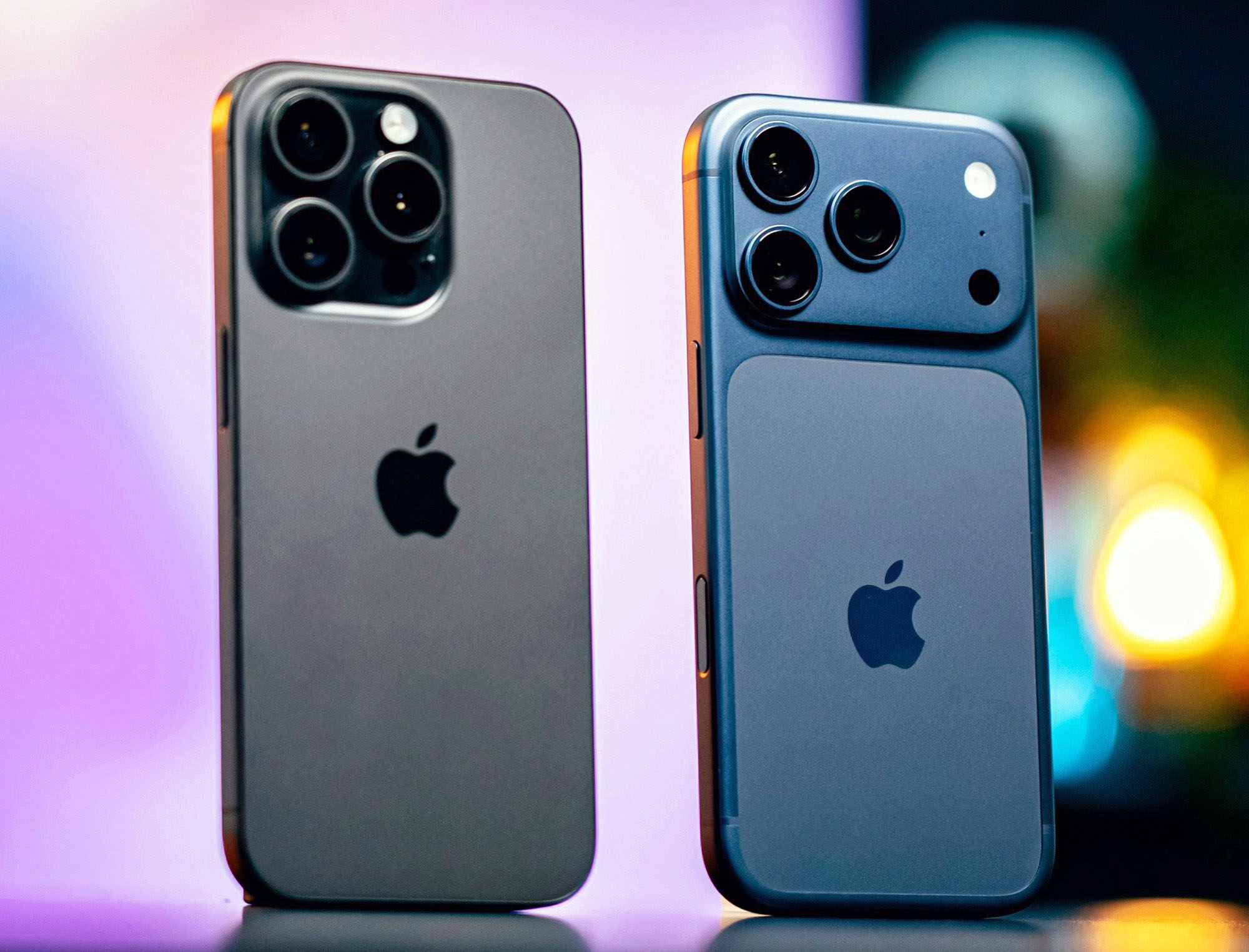
As many a rumor has reiterated lately, the iPhone 18 series may cost more than its predecessor when it lands in September. Apple is apparently weighing a price hike after both Samsung and Google raised their flagship phone prices by roughly $100 in response to surging memory and chip costs.
The iPhone's base price has been kept frozen for quite a while, even as Apple raised storage tiers and shifted costs elsewhere. That restraint has meant lagging specifications, though, especially for the base models, and is getting harder to justify.
DRAM and NAND flash prices have spiked due to AI data center demand, and TSMC's 2nm process, which will power the A20 Pro chip in the iPhone 18 Pro models, reportedly costs significantly more per unit than the 3nm process used for the A19 Pro. Not long ago, Apple already raised prices across most of its non-iPhone lineup by an average of 23%, with the MacBook Air up $200 and the Mac Studio up $500.
Apple iPhone 18 Pro price to expect
Gurman estimates that if Apple mirrors the roughly $100 hikes seen at Samsung and Google, the iPhone 18 Pro would land at $1,199, a 9% increase over the iPhone 17 Pro's $1,099 starting price. That would bring the 18 Pro in line with Samsung's Galaxy S26 Ultra, which is now available at a discount on Amazon for exactly the same tag, even though its direct competitor will be the iPhone 18 Pro Max, whose base price would likely start from $1,299.
Compared with past jumps, a $100 increase would make historical sense. Only the iPhone X's leap to $999 in 2017 was a 54% jump over the iPhone 8, but the first notchy phone was a whole different category, just like the first iPhone Fold that is expected to cost over $2,000 when it is announced on September 9.
Apple has preferred to protect its headline price and instead raise the base storage or trim margins, as it reportedly did with the iPhone 17. Gurman notes Apple has already warned investors about margin pressure this quarter, suggesting the company plans to absorb part of the increased component costs rather than pass all of it to buyers, while new payment plans are said to soften the sting for anyone in need of an iPhone upgrade.
Source(s)
 Add as a preferred source on Google


