


Xbox Nano Controller borrows a feature from Google's discontinued Stadia controller
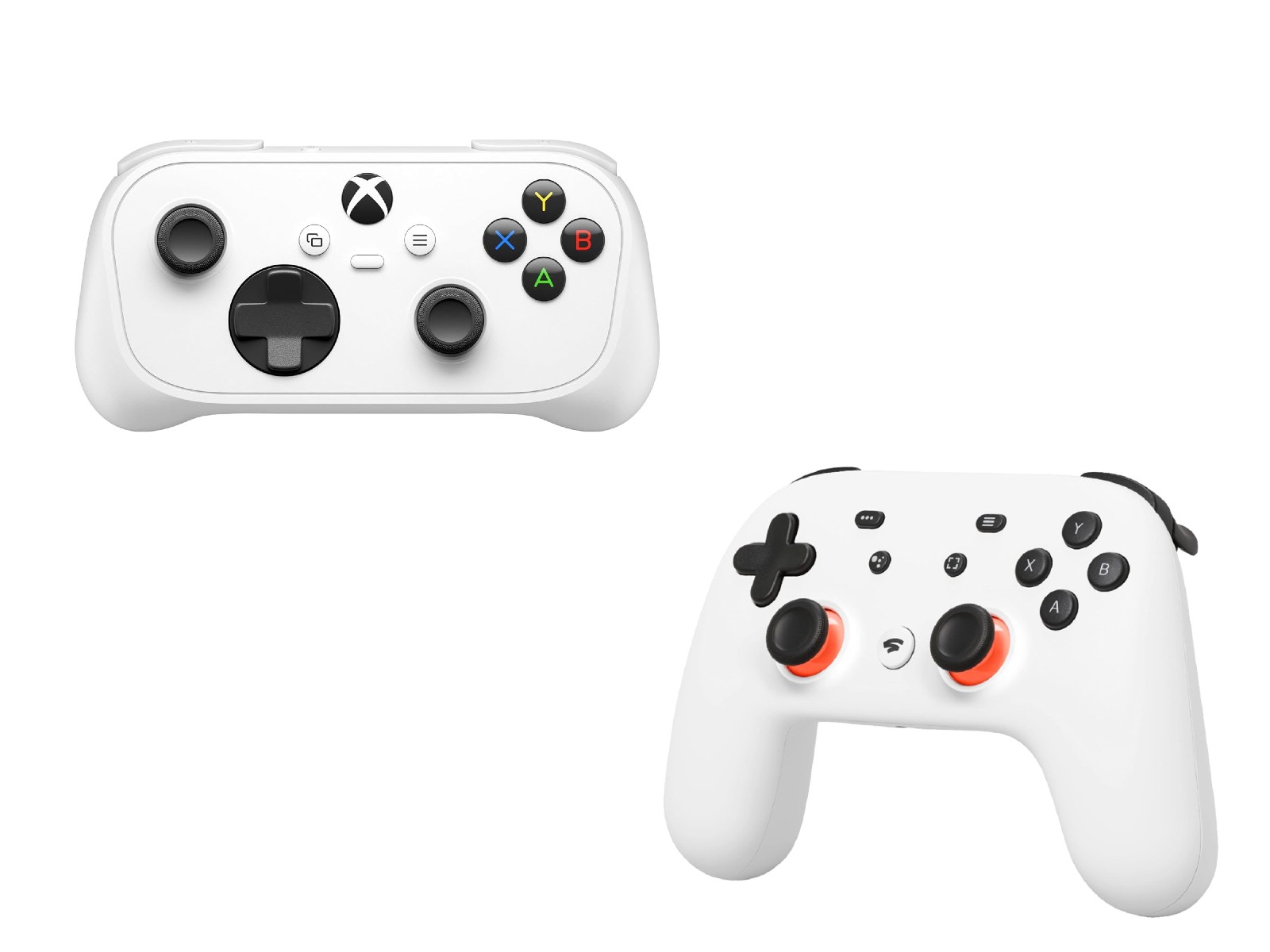
A few weeks ago, Xbox released a smaller version of the Xbox Wireless Controller. Called the Xbox Nano Controller, the $50 gaming accessory, which was available to pre-order after the announcement, has now been released. Xbox has now revealed a new feature of the controller, that appears to have been borrowed from Google's discontinued Stadia Controller.
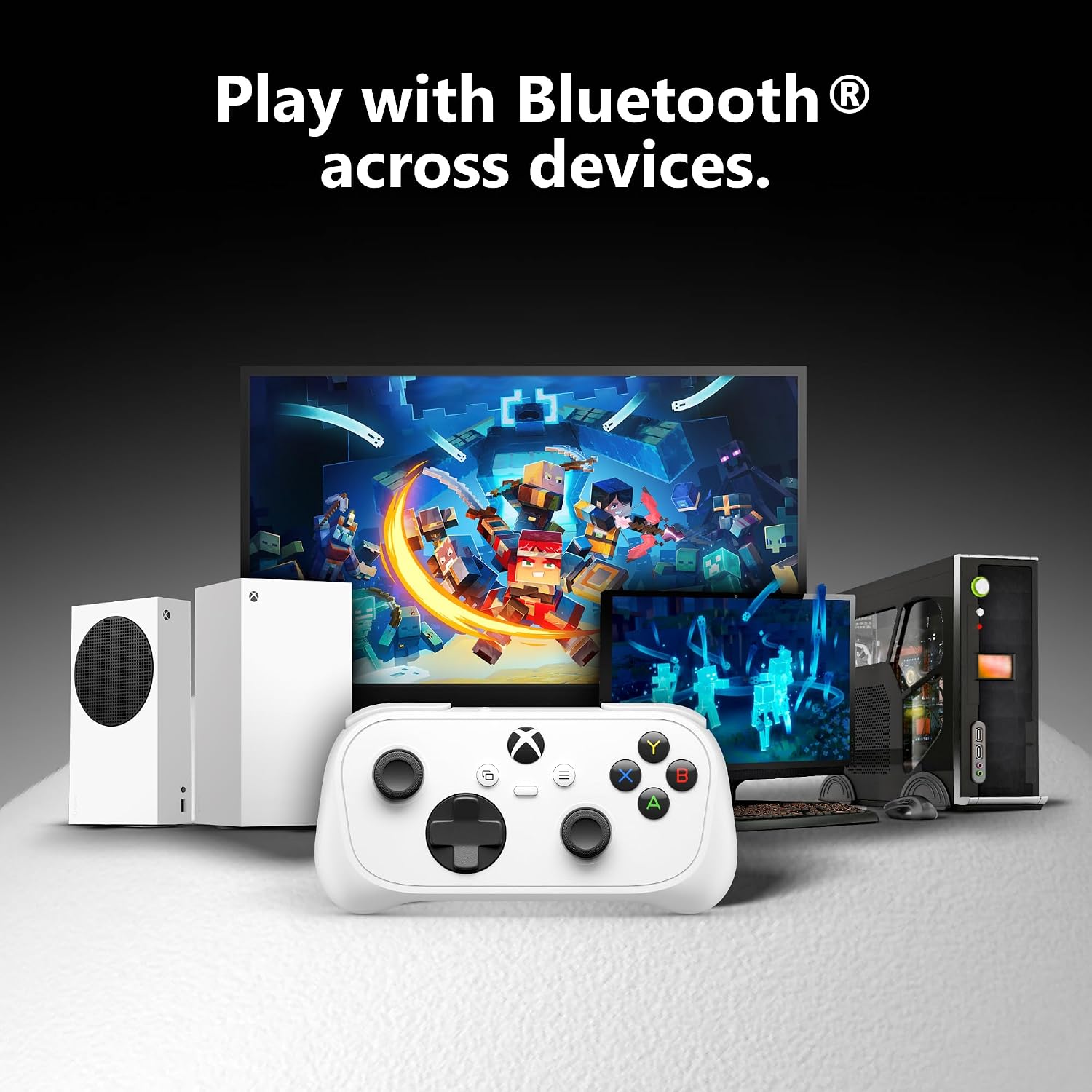
The Xbox Nano Controller is compatible with Xbox Consoles, Windows PCs, iOS and Android devices, and select smart TVs. It connects to Xbox consoles via the same wireless protocol used by its larger sibling, and to other devices via Bluetooth. Now, Xbox has revealed that the controller can also connect via Wi-Fi, instead of Bluetooth, when using Xbox Cloud Gaming. The feature is called Cloud Connect and it reduces input latency, compared to when connected via Bluetooth.
This is similar to the Stadia Controller's ability to connect to a Wi-Fi network when playing games on Stadia. Although, when Google shut down its game streaming service, it released a tool that let users enable Bluetooth connectivity on the controller, so they can use it with other devices.
Xbox says the feature is still in early testing, so it won't work with every cloud gaming experience yet. It is also available to users in the US only and works on supported smart TVs and the web.
To use Cloud Connect on the Xbox Nano Controller, you need the Xbox beta app on Android.; and if you are on PC, you need the Xbox Accessories app to set it up. Xbox also says users have to be enrolled to Xbox Insider to set up the feature via the PC app.
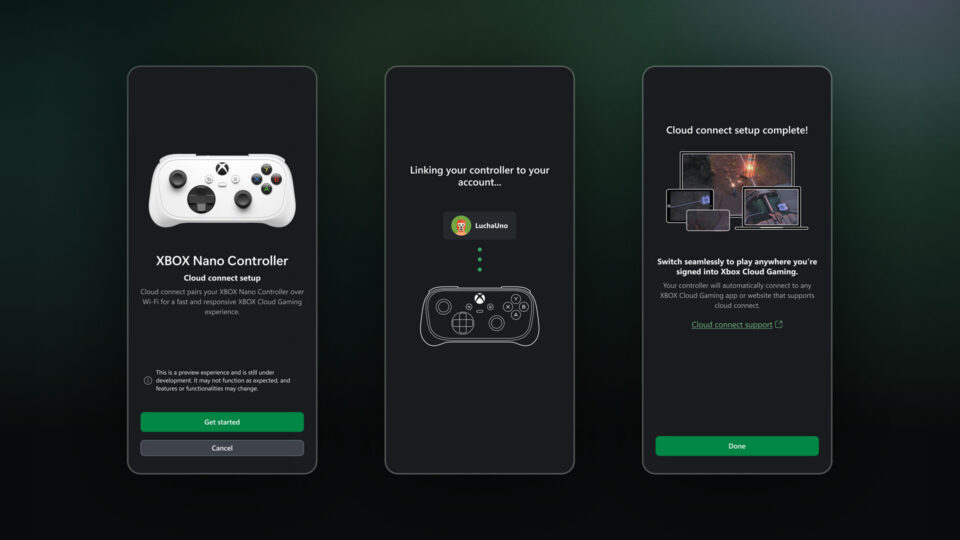
The app will guide you through the steps of connecting your controller to your Wi-Fi network. Once you are done, the controller's button light should show a heartbeat pattern. Launch Xbox Cloud gaming and sign in with the same Xbox account used during setup. The Xbox Nano Controller (available on Amazon) should work with cloud gaming apps such as via play.xbox.com or the Xbox app on LG TVs, Vidaa OS-powered TVs, Fire TV, and Meta Quest.
Source(s)
 Add as a preferred source on Google


