




World's most efficient EV covers 450+ miles on small 55 kWh VW battery to challenge Cybercab
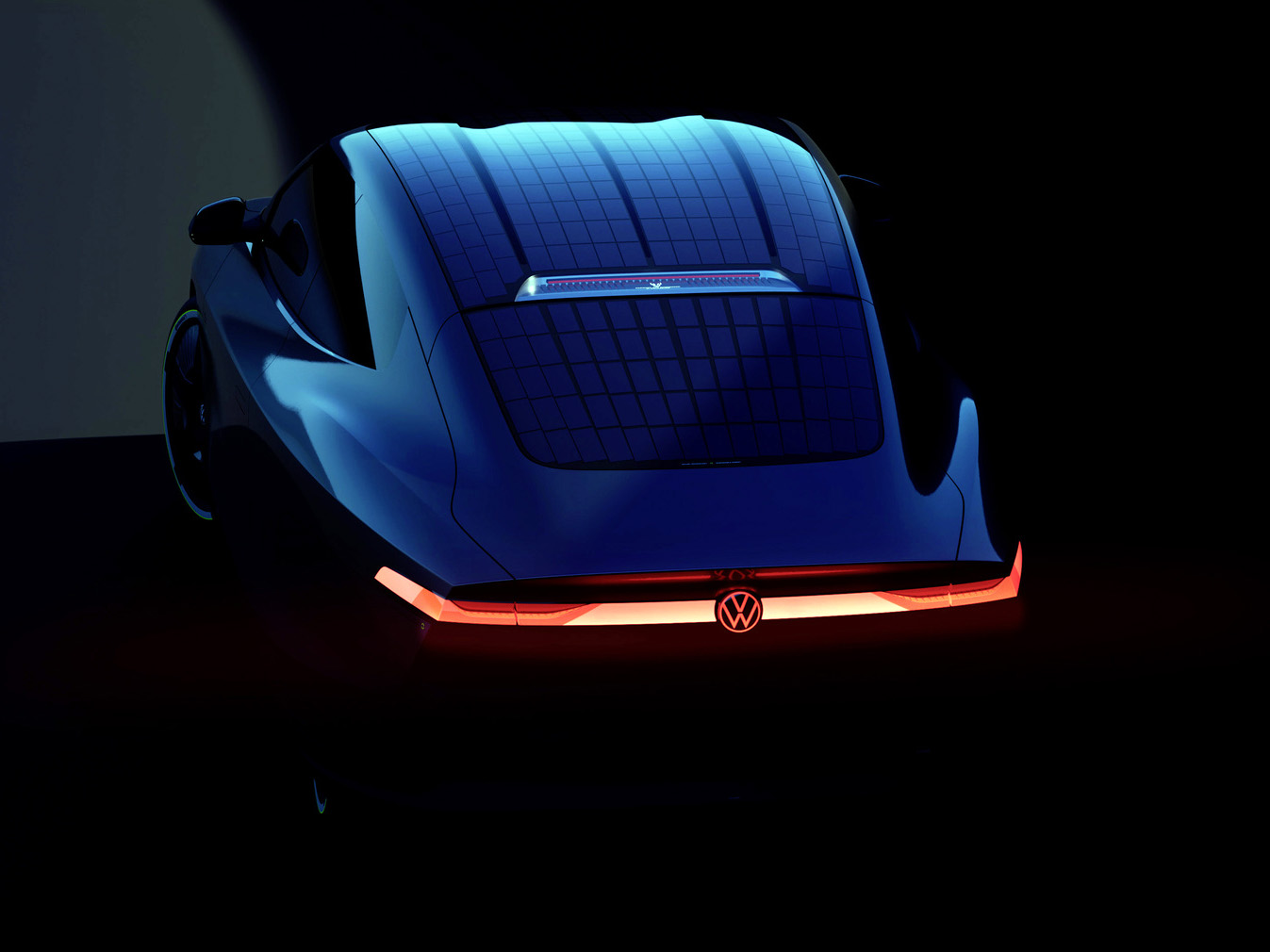
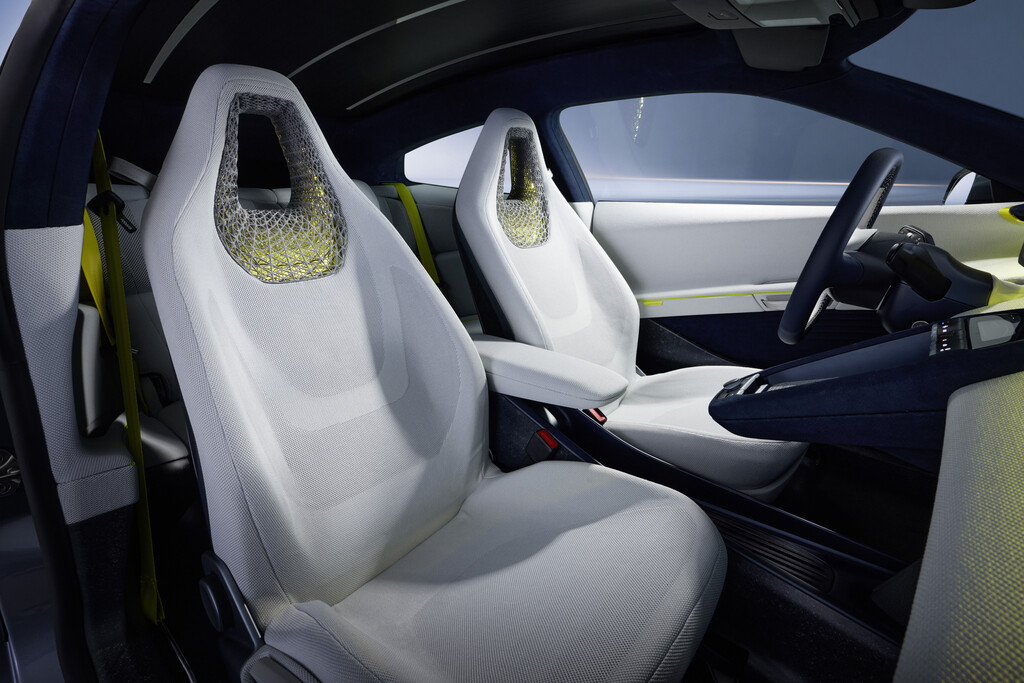
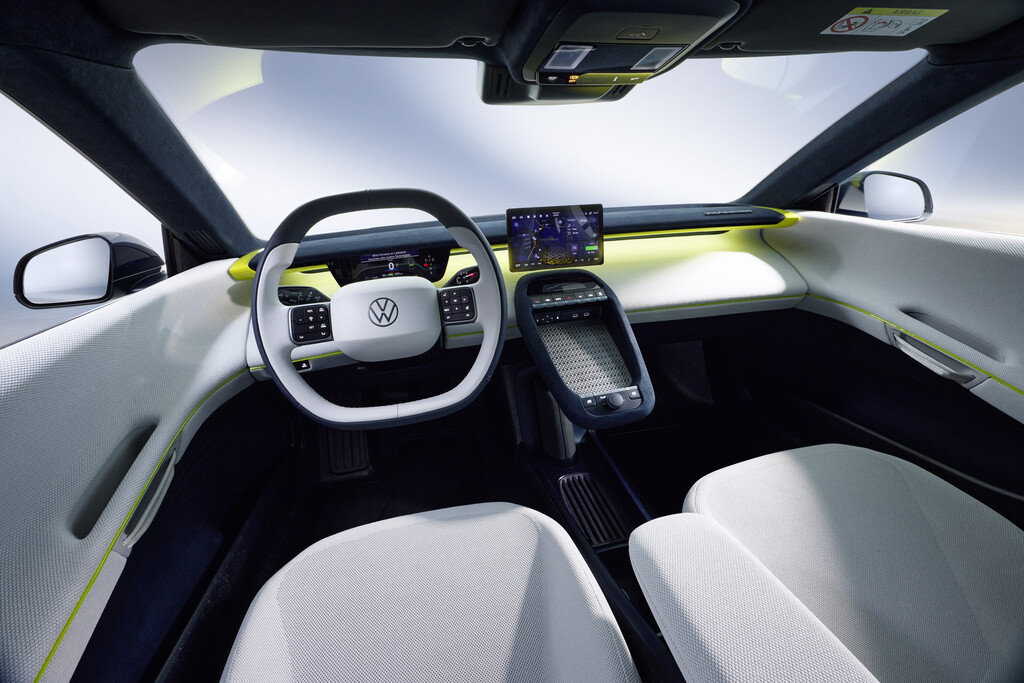
Volkswagen has a habit of beginning its most interesting engineering journeys with concept cars nobody gets to buy, and Mission Efficiency is the latest example.
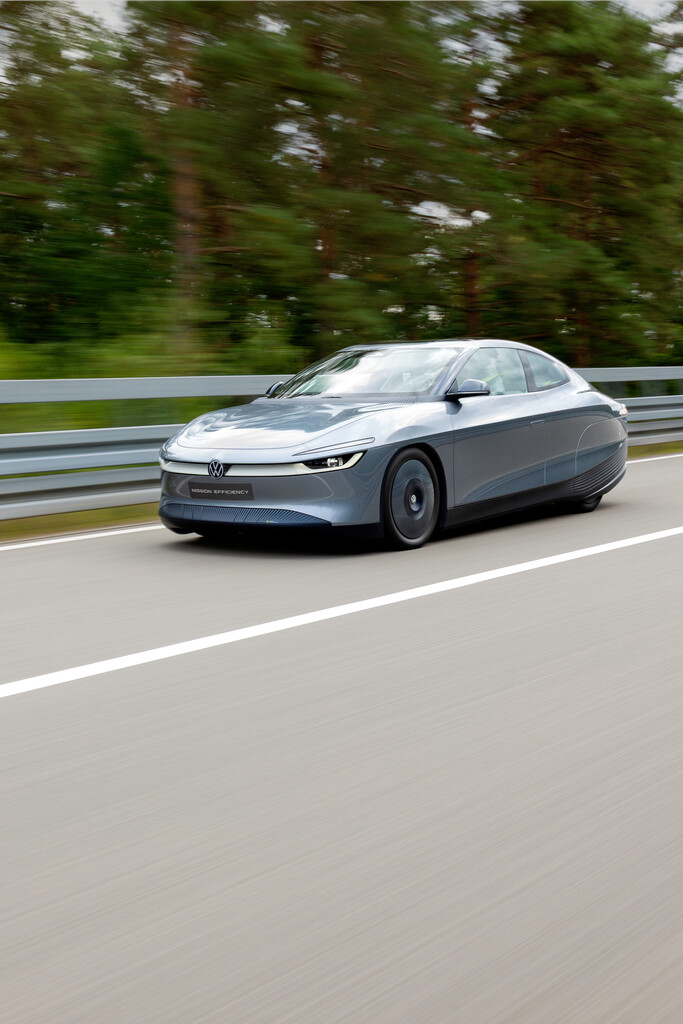
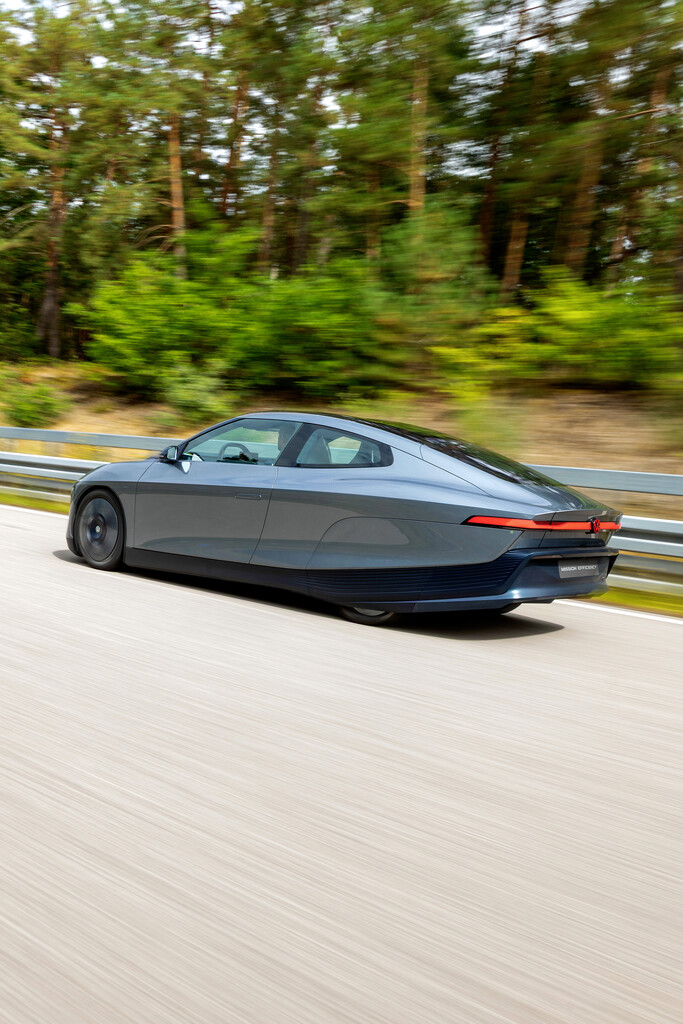
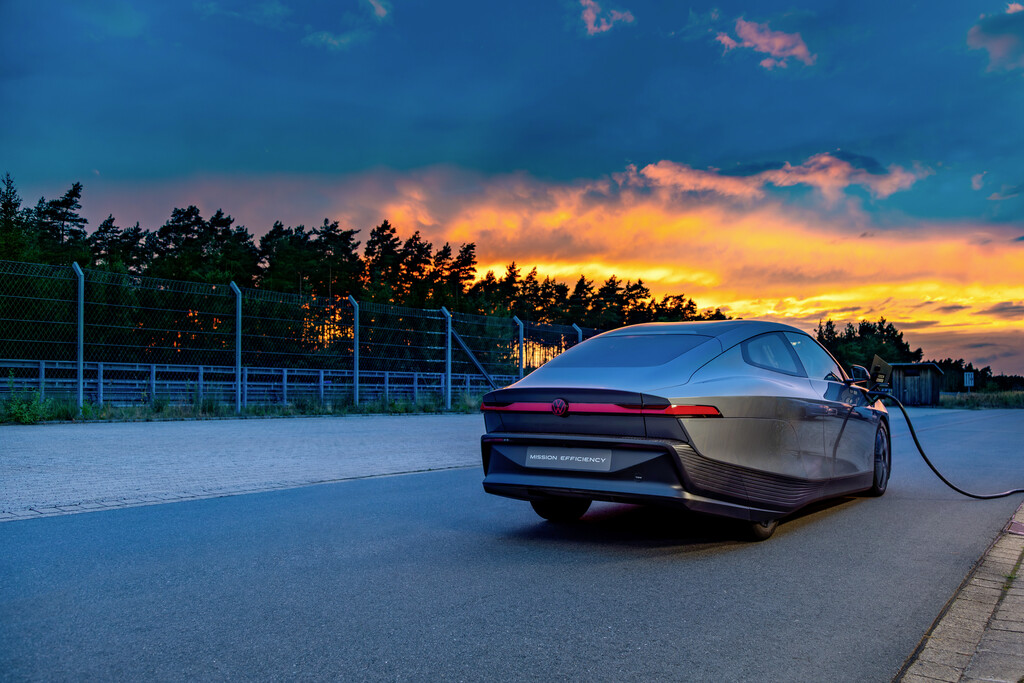
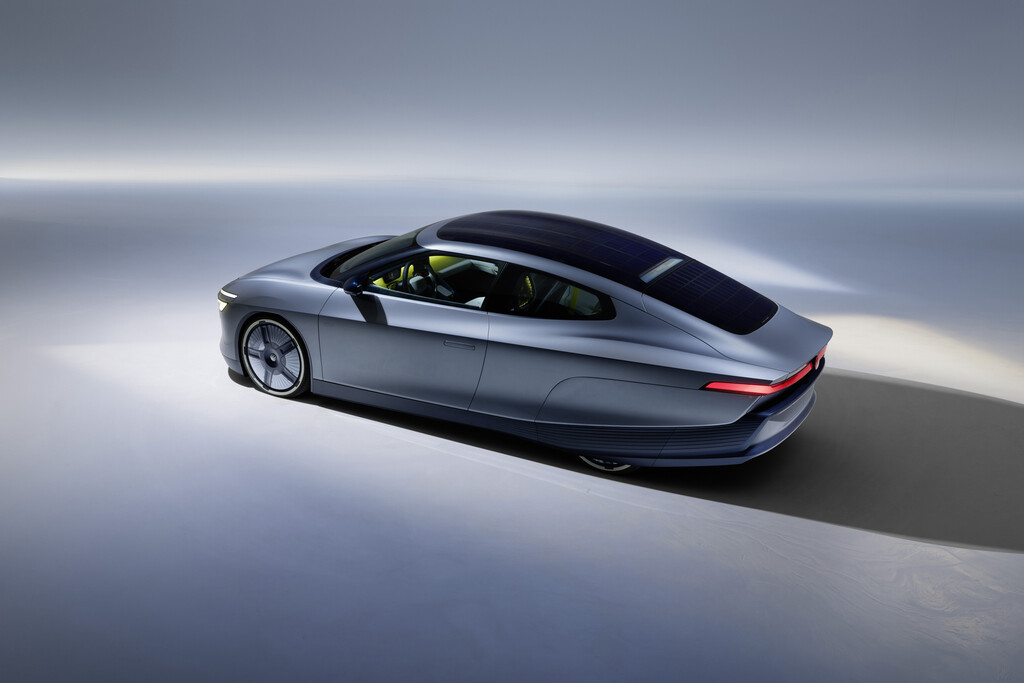
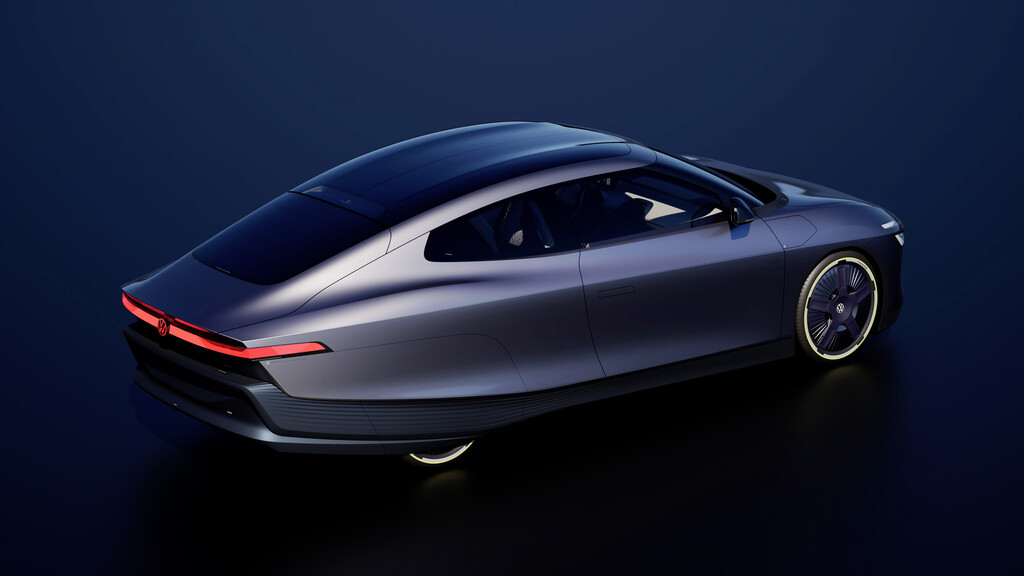
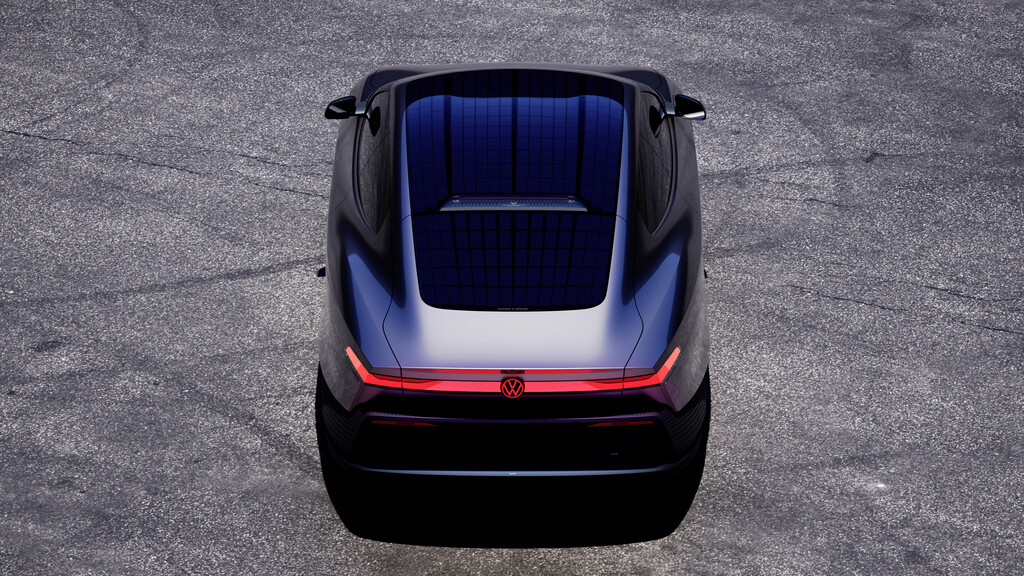
The teardrop coupe reveals a Tesla Cybercab competitor that walked away with three official records: a drag coefficient of just 0.158, an "ideal" consumption of 6.48 kWh/100 km at a steady 68 km/h, and, more impressively, a real-world figure of 6.89 kWh/100 km (7.51 kWh/100 km with charging losses included) across a 1,278 km drive. For comparison, under the European WLTP standard cycle, Tesla's Cybercab two-seater is expected to be equivalent to approximately 9.0 kWh per 100 km.
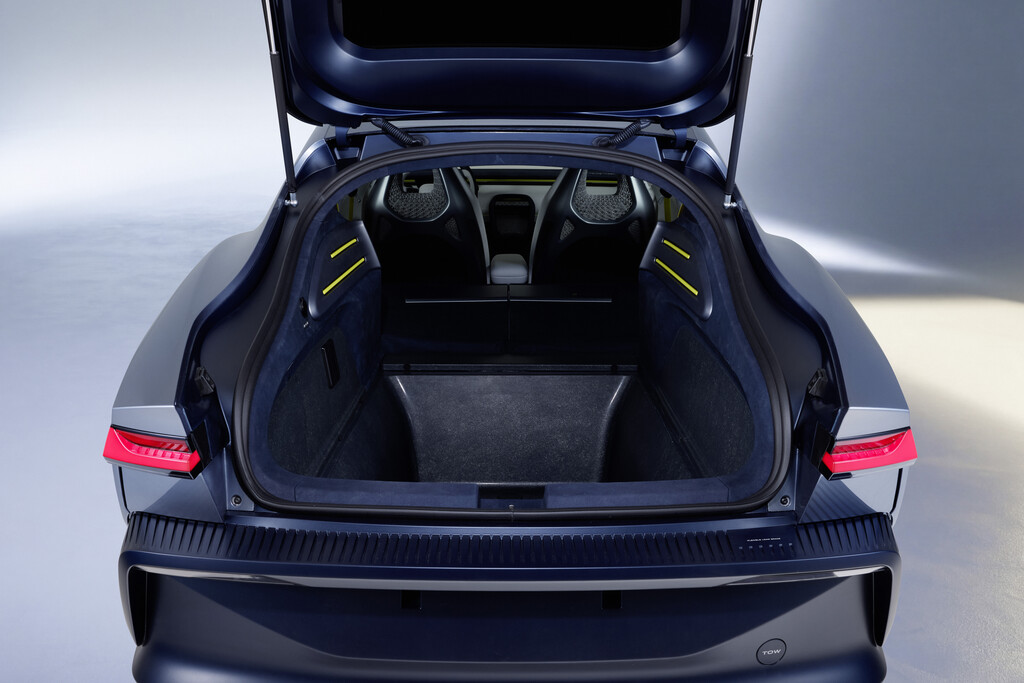
VW built it from parts you can already buy, as the 99 kW motor and the battery pack come straight out of the ID. Polo, riding on the same MEB+ platform that underpins the Polo and ID. Cross. There's no exotic drivetrain or handcrafted motor, which bodes well for any future mass production plans. What VW focused on was the slippery shape wrapped around production hardware, plus a few clever extras like patented rim deflectors, a 370 W solar roof, and a custom Continental tire tuned about 25 percent below the EU's strict Class A rolling resistance threshold.
World's most efficient electric cars
So how does that stack up against the current efficiency royalty? Mercedes set the bar a few years back with the Vision EQXX, another concept, which achieved 8.7 kWh/100 km on a real road trip from Sindelfingen to Cassis, at a drag coefficient of 0.17. Mission Efficiency beats both figures, and it does it without EQXX's exotic silicon-carbide electronics and aerospace materials.
Among production cars, the picture flips: Lucid's Air Pure remains the aerodynamic and efficiency benchmark you can actually order, with a 0.197 Cd and an EPA-rated 5.0 miles per kWh, which works out to roughly 12.4 kWh/100 km. Tesla's Model 3 RWD recently impressed testers by beating its own EPA number, landing around 21.7 kWh/100 miles (about 13.5 kWh/100 km) in real-world testing. Both are excellent for cars people can drive home today, but neither gets remotely close to VW's numbers.
The catch, of course, is that Mission Efficiency isn't for sale right now, while even Tesla's exotic Cybercab can be a fleet vehicle to those interested, but VW's Thomas Schäfer framing that this is "technology for the masses, not just for the few" matters more than the record plaques, as tech from this aerodynamic champ could trickle down to the next ID. Polo update, too.
 Add as a preferred source on Google


