




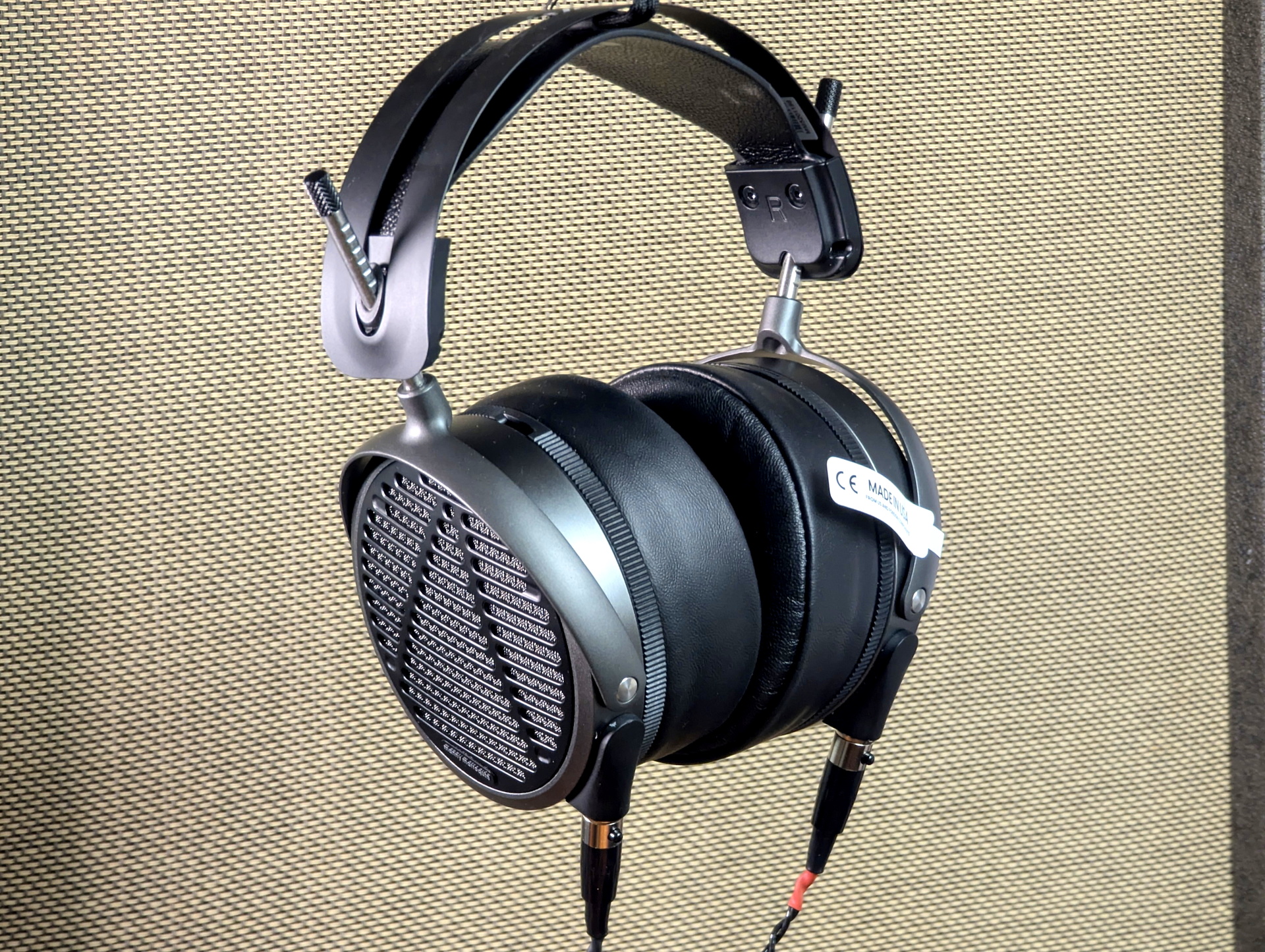
What does a $1,700 pair of headphones sound like? Hands-on with the Audeze MM-520 planar magnetic headphones
Audiophile unlocked.
I've tested quite a few headphones over the years, but I wanted to find out what a truly expensive pair feels and sounds like in comparison. Can you actually hear the difference without being a hardcore audiophile? I put the new Audeze MM-520, priced at $1,700, to the test.Christian Hintze (translated by Christian Hintze) Published 🇩🇪 🇳🇱 ...
Verdict – Absolute precision over bass punch
The Audeze MM-520 isn't for everyone. It's tuned with an exceptionally linear and natural midrange, making vocals sound remarkably lifelike. The premium headphones also impress across the highs and lows with outstanding clarity, rich detail, reduced compression, superior instrument separation, and an overall wider, more spacious soundstage.
That said, paying more doesn't automatically mean you'll prefer the more expensive headphones. What an audio engineer loves may initially disappoint the average listener. The bass is tight, analytical, and well-defined all the way into the lowest frequencies, but it lacks the punch and impact many people associate with a fun listening experience.
After spending time with the MM-520, I now understand what you're paying for compared to typical consumer headphones. With the right combination of hardware, software, and high-quality audio sources, the subtle differences become surprisingly obvious—even if that sounds a little paradoxical. In everyday listening environments, however, many of those differences can easily get lost, which is why less neutral headphones still have their place for more entertaining listening. The Audeze MM-520 excels when you're sitting down at home for a focused listening session, allowing you to immerse yourself in an exceptionally clear and accurate presentation of your music.
Pros
Cons
Audeze is a U.S.-based audio manufacturer that was acquired by Sony in 2023. Despite the acquisition, the company continues to develop premium headphones. The wired MM-520 is a high-end studio headphone designed for recording and mixing, featuring planar magnetic technology that sets it apart from conventional designs. We took a closer listen to this $1,700 audio device.
Design & build quality – Premium in every detail
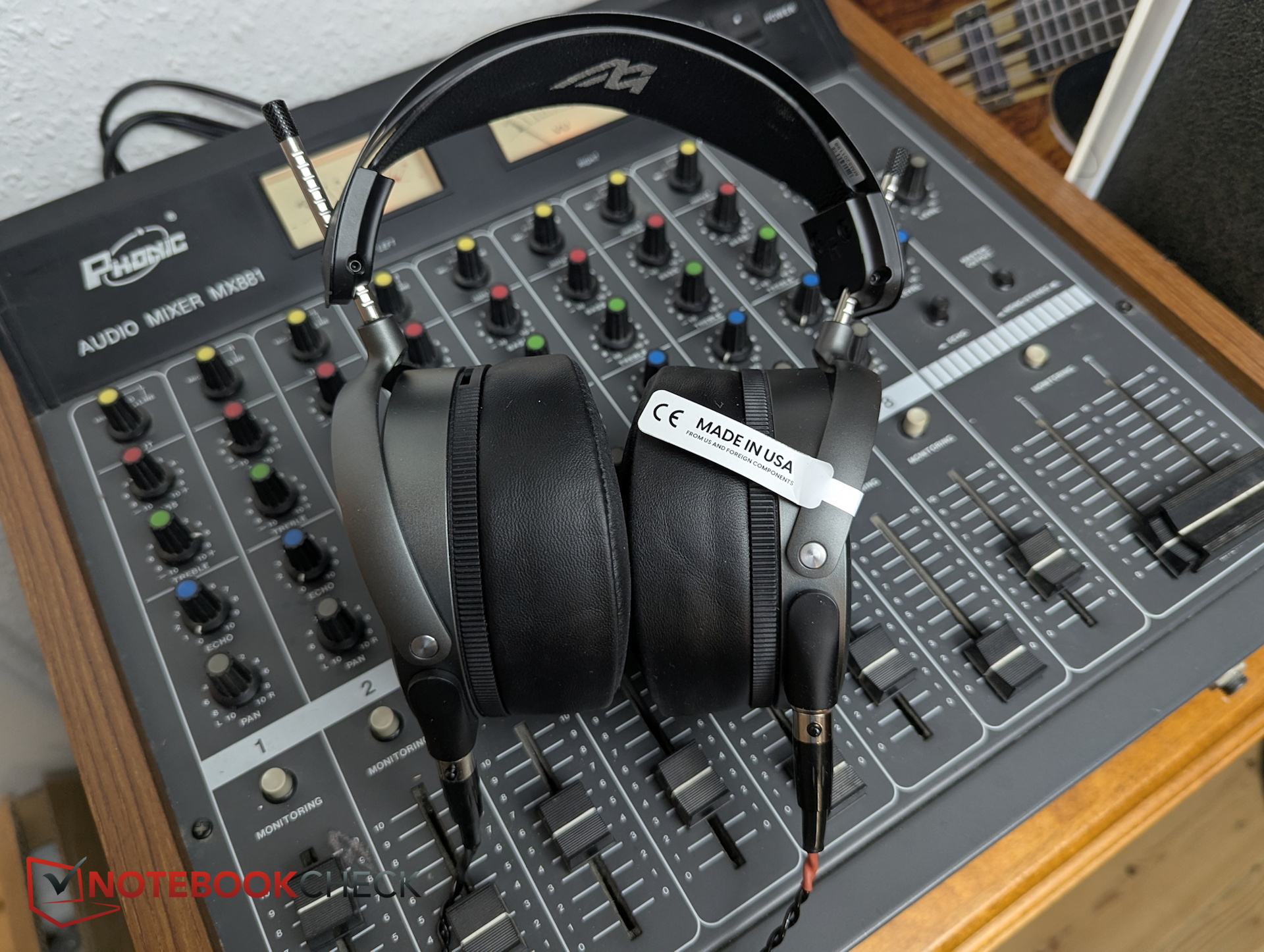
At this price point, flawless build quality is expected, and the MM-520 certainly delivers.
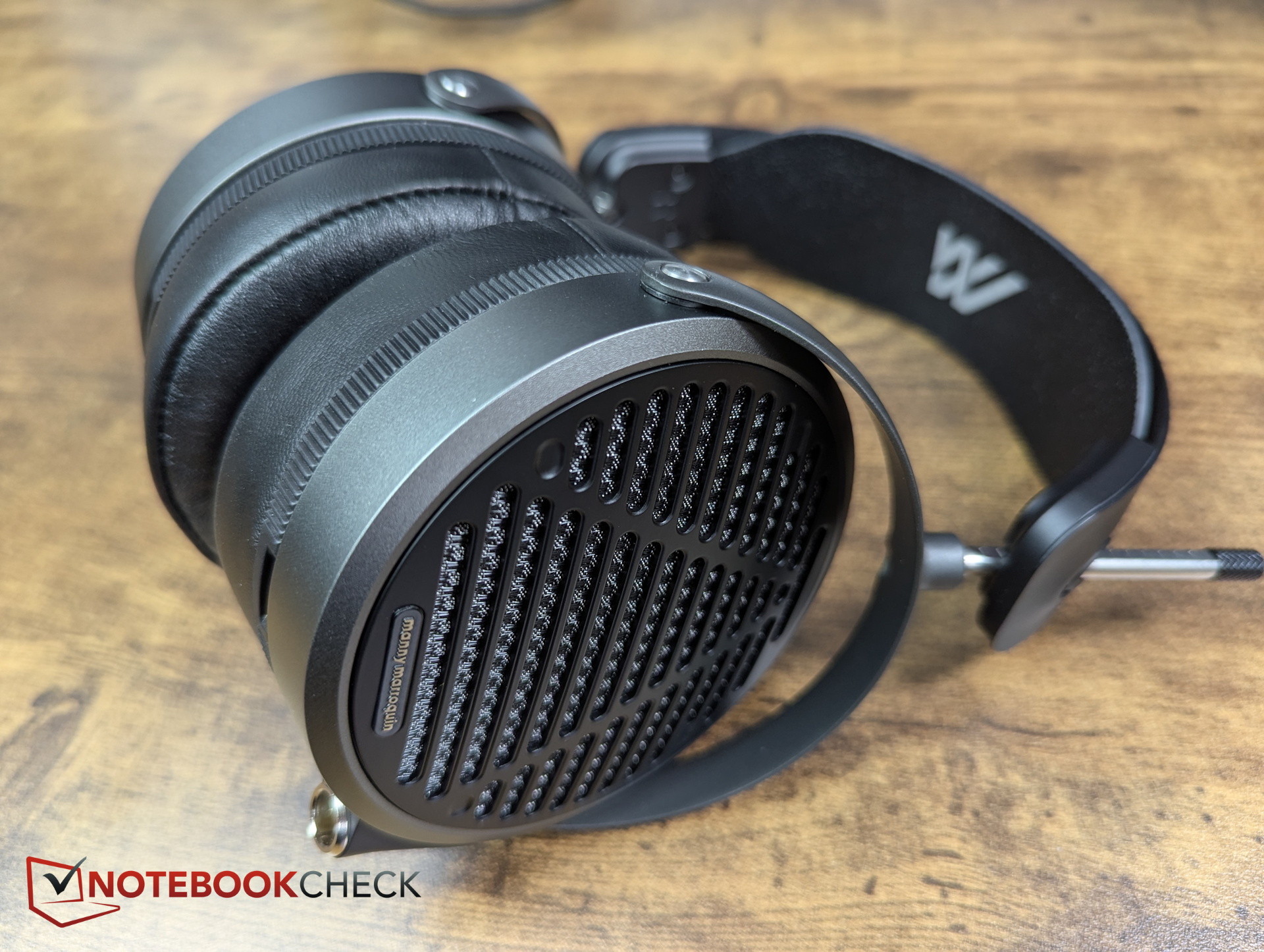
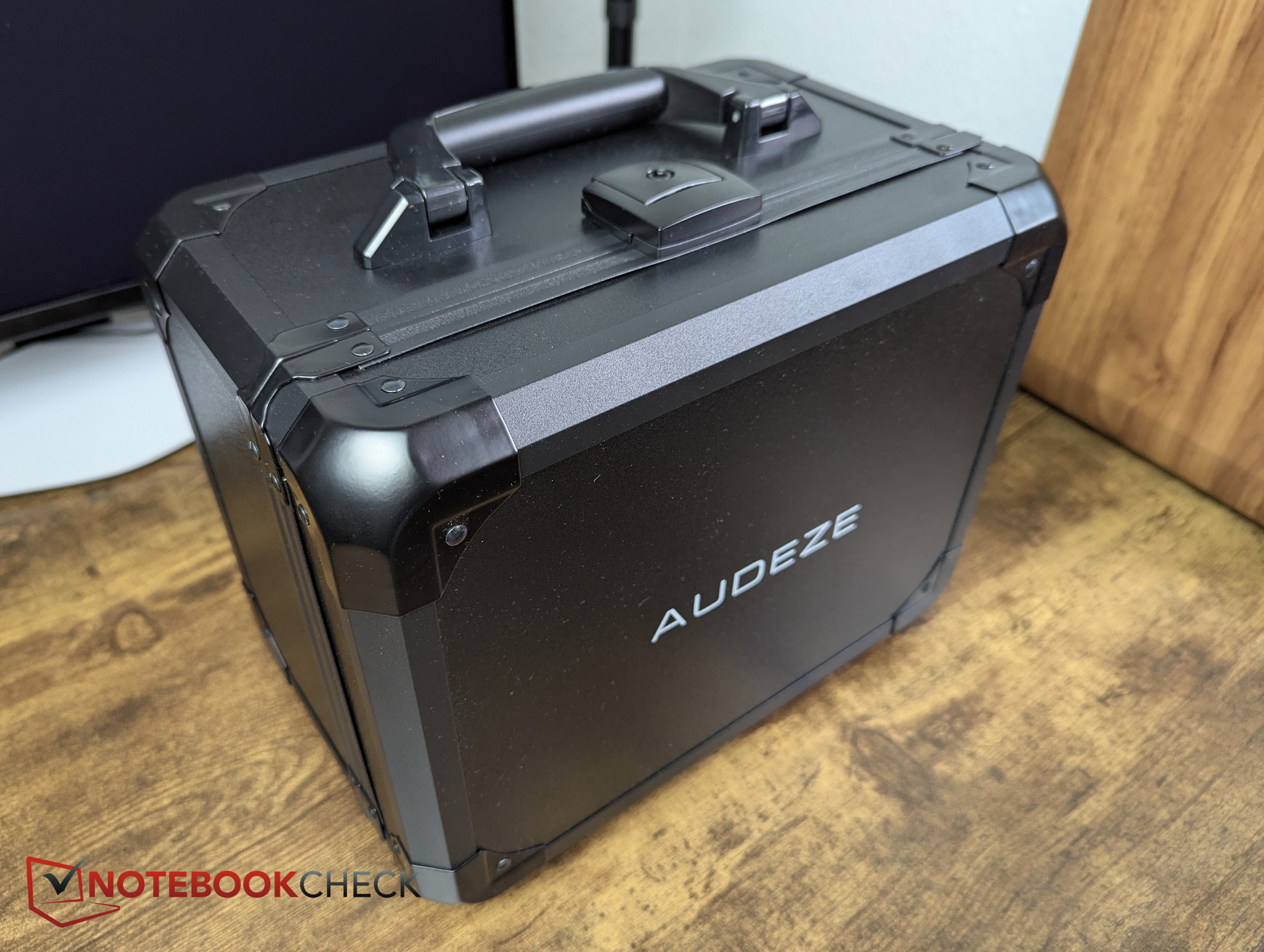
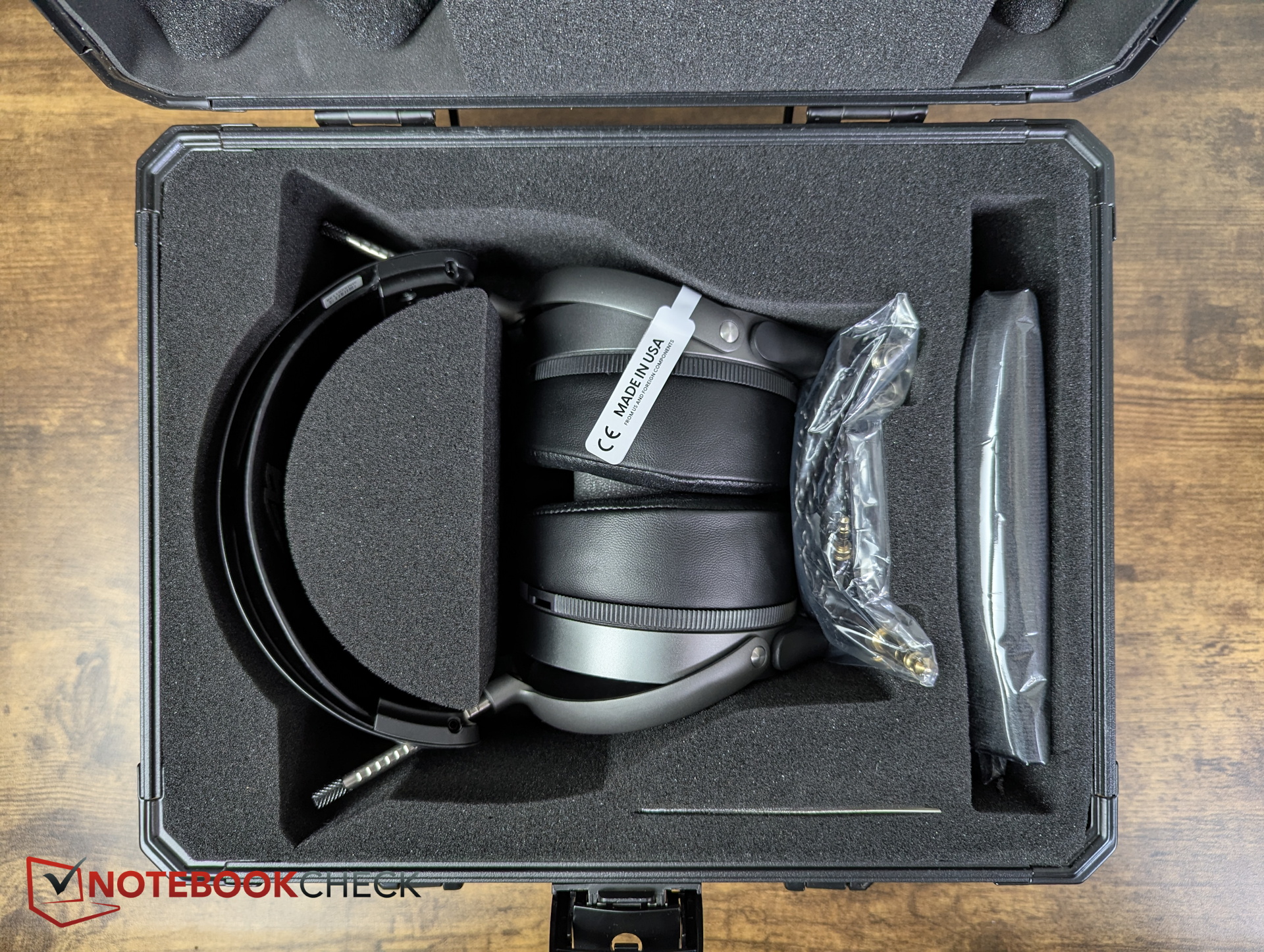
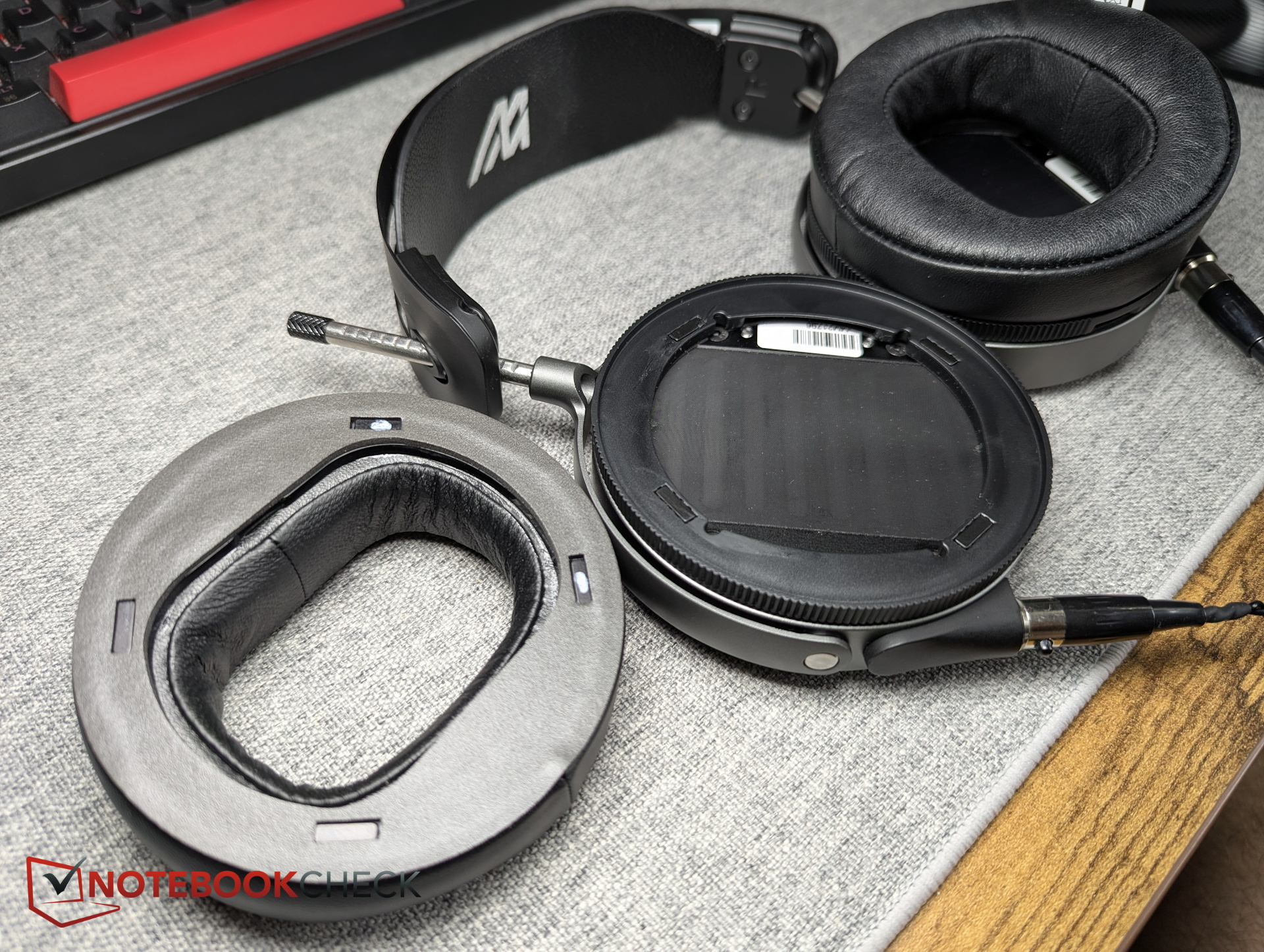
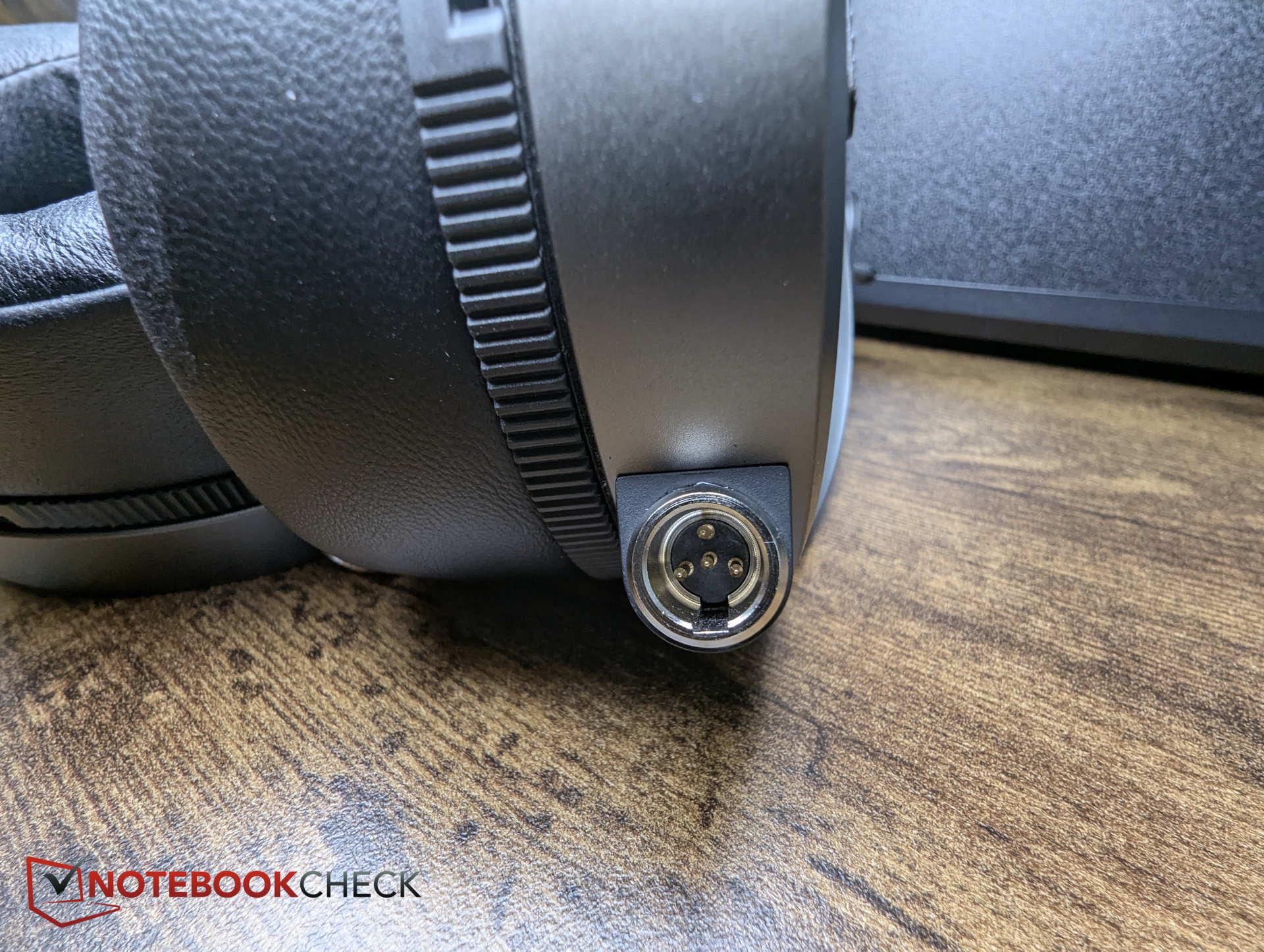
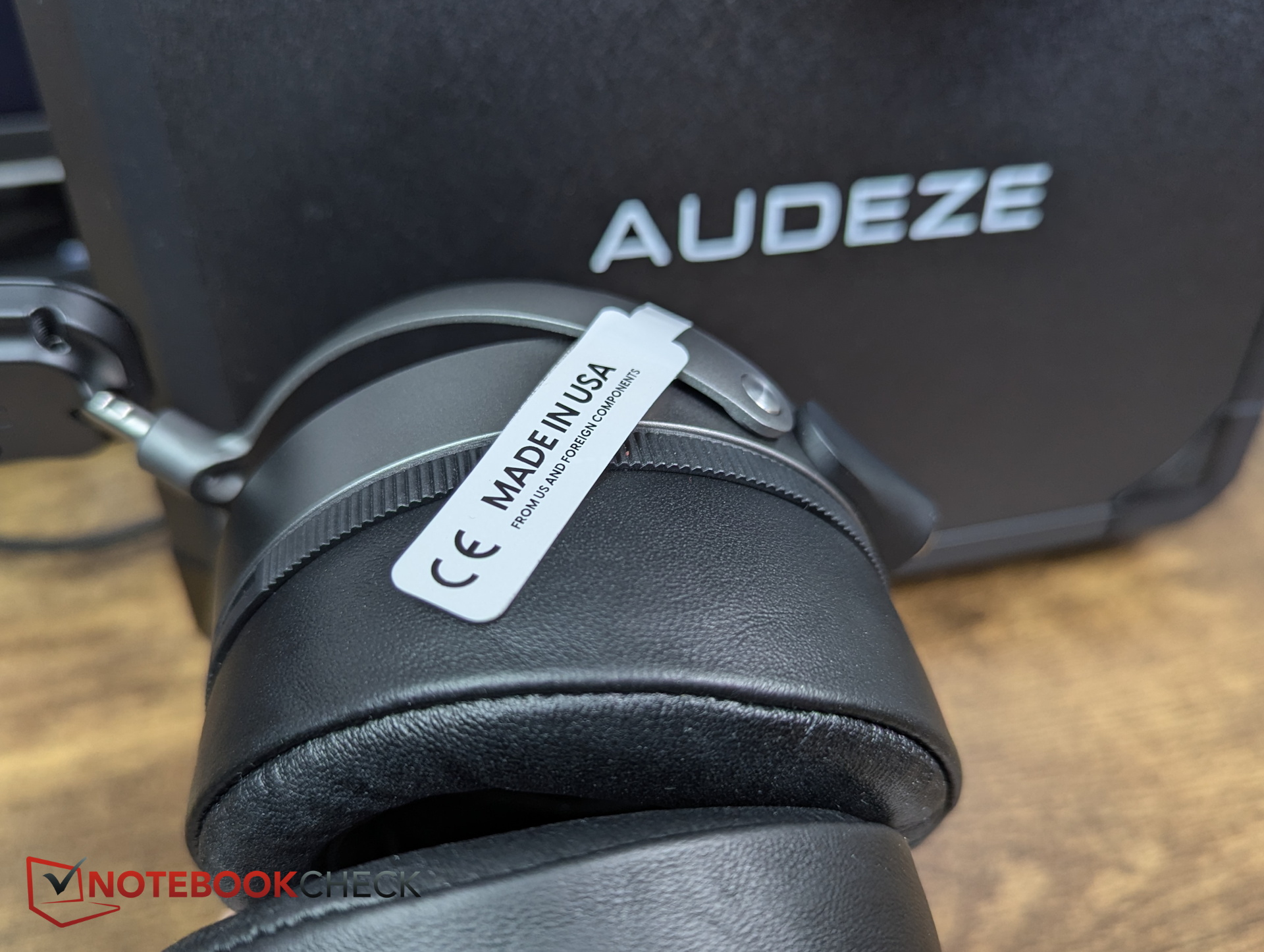
The premium headphones arrive in a stylish carrying case. The magnetically attached ear pads are easy to remove and replace, while generous use of metal components and high-quality cable connectors reinforce the premium feel throughout.
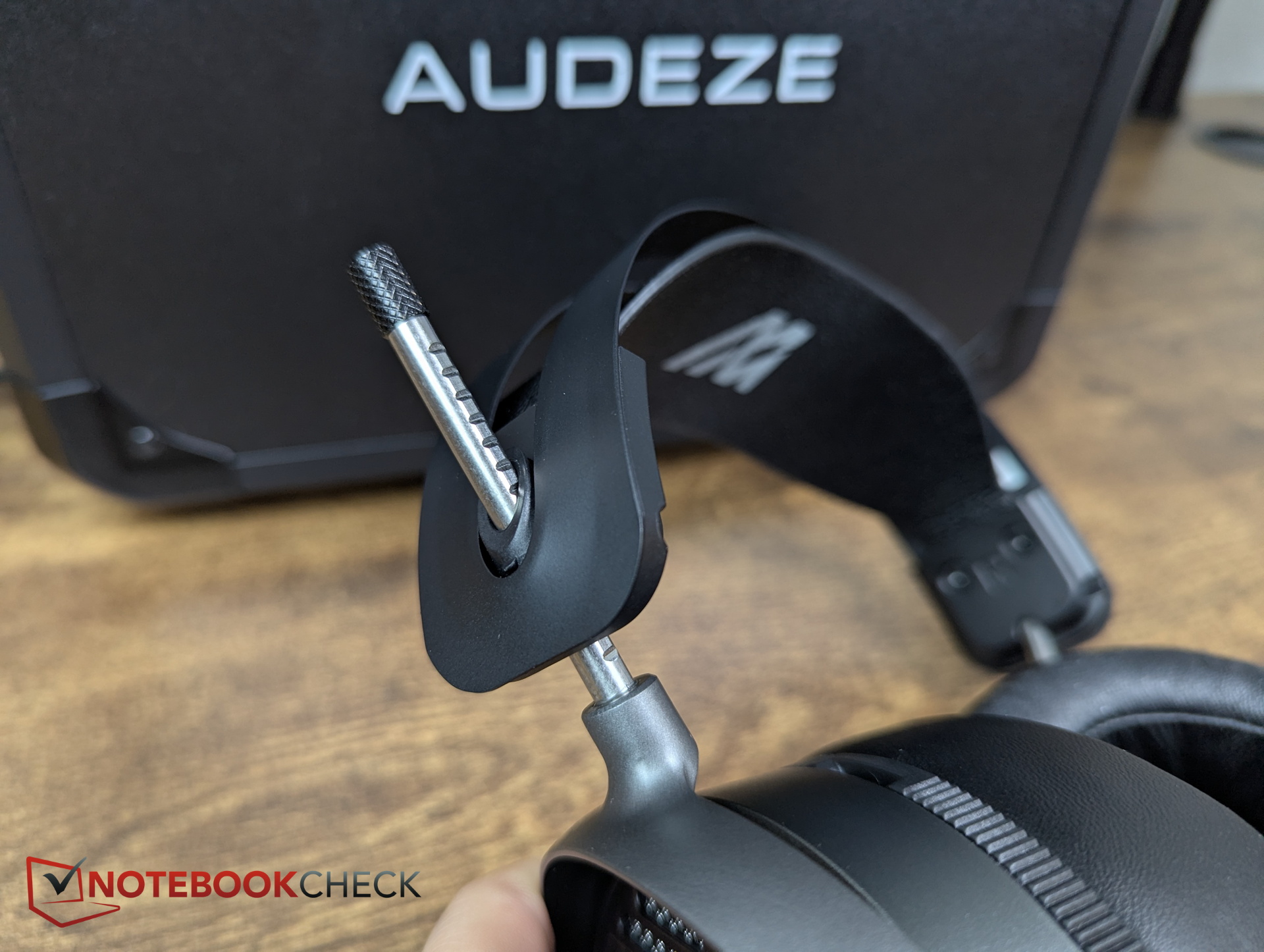
That premium construction also makes the MM-520 relatively heavy at 555 g. Thanks to the leather suspension strap beneath the metal headband and the soft ear cushions, however, overall comfort remains excellent.
Accessories
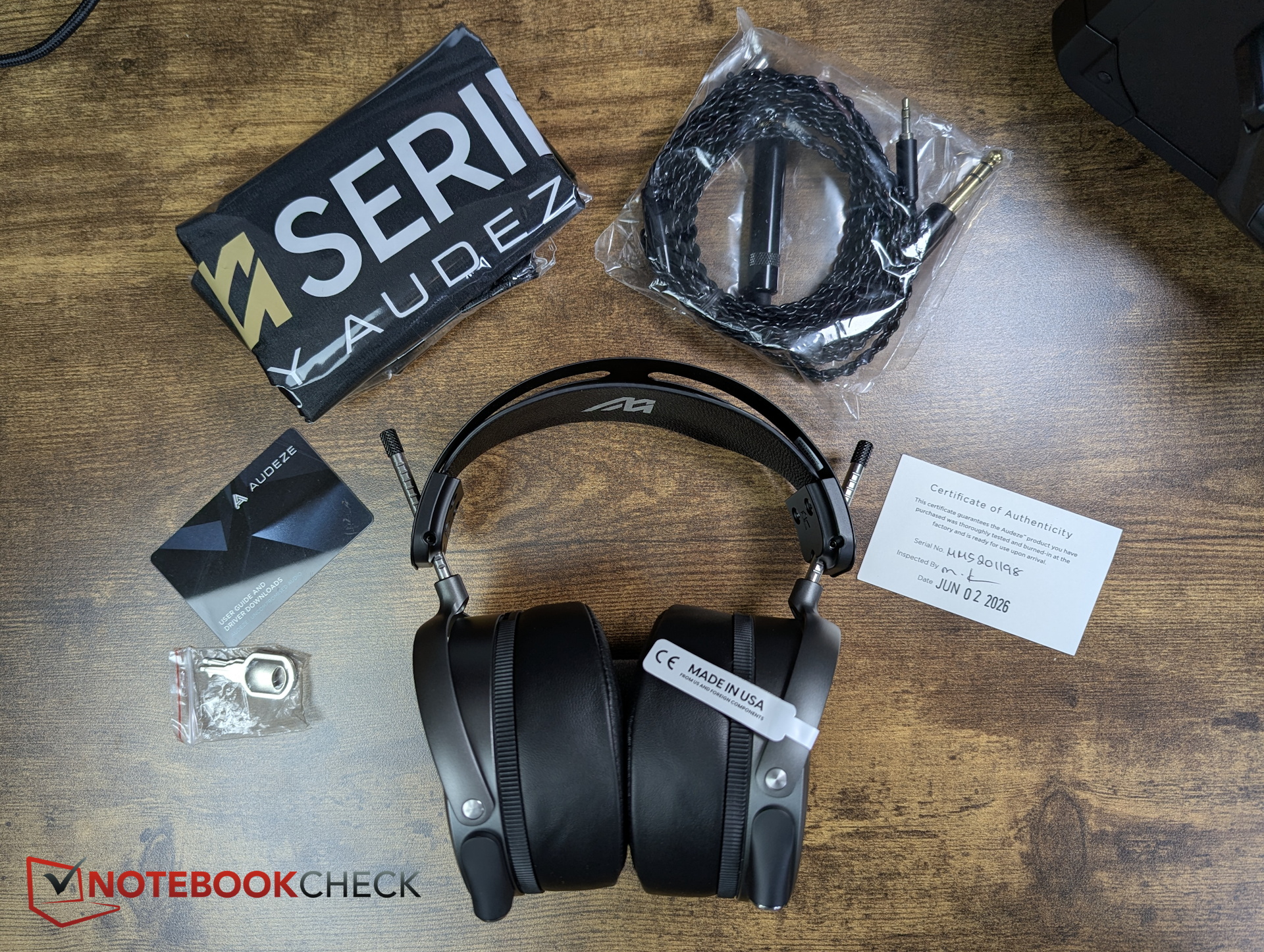
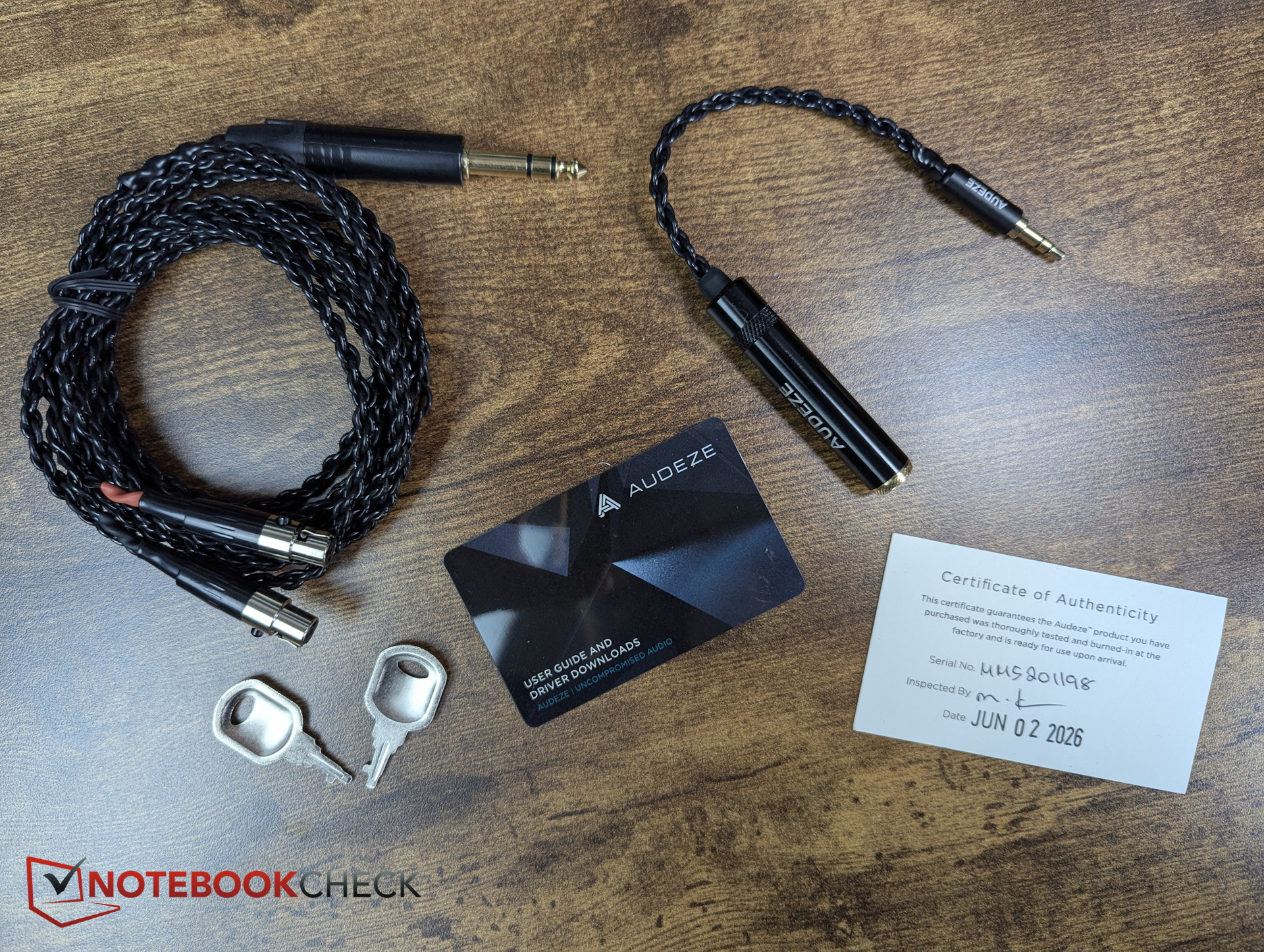
In addition to the carrying case, Audeze includes a simple fabric carrying bag, the detachable cable with a 6.3 mm to 3.5 mm adapter, and a certificate of authenticity. Every unit is individually inspected by hand.
Specifications – Planar magnetic drivers and a 5 Hz to 50 kHz frequency range
Instead of conventional dynamic drivers, Audeze uses planar magnetic drivers. These are more complex to manufacture and feature an ultra-thin diaphragm with conductive traces suspended between powerful magnets. The result is exceptionally low distortion and outstanding detail retrieval.
The headphones are rated for a frequency response of 5 Hz to 50 kHz, an exceptionally wide range considering that human hearing generally spans about 20 Hz to 20 kHz.
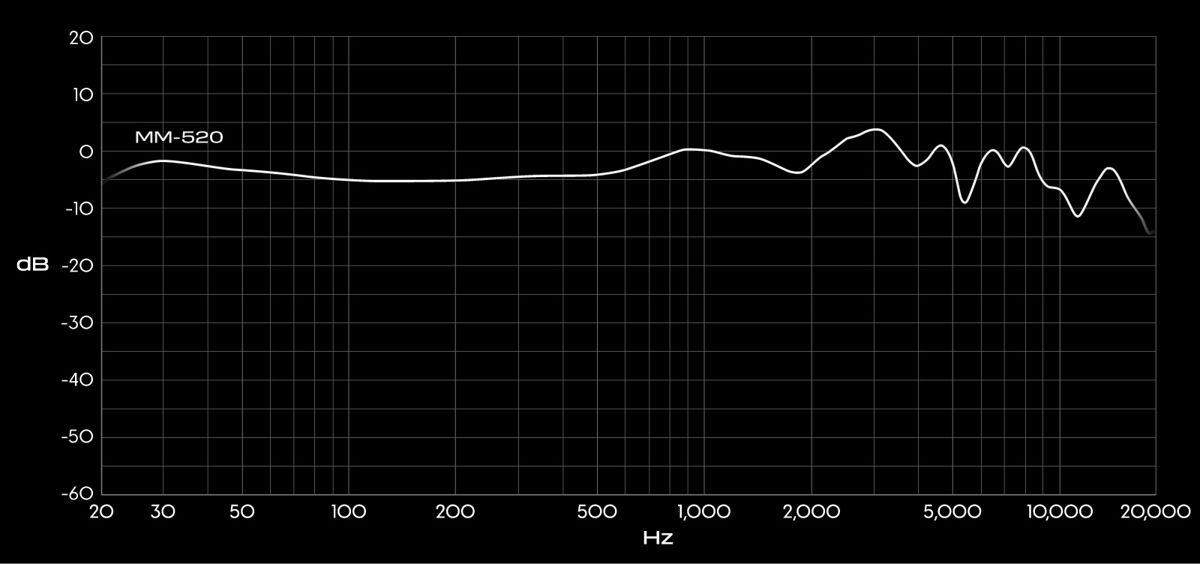
That said, frequency range alone tells only part of the story when it comes to audio quality. The frequency response curve is far more important. Consumer headphones often feature a more "fun" tuning, typically boosting the bass while slightly recessing the midrange.
Studio headphones intended for mixing aim for a neutral, natural sound signature across the entire frequency spectrum, making it easier to make accurate decisions during music production.
At the same time, the MM-520's low 18-ohm impedance means they're theoretically easy to drive, although there's more to that below.
| Style | Over-ear, open-back |
| Driver type | Planar magnetic |
| Driver size | 90 mm |
| Impedance | 18 ohms |
| Frequency response | 5 Hz – 50 kHz |
| Total harmonic distortion | <0.1% (at 100 dB SPL, 1 kHz) |
| Maximum SPL | 130 dB SPL |
| Weight | 555 g |
| Price | $1,700 |
Sound test – Audeze MM-520 vs. Beyerdynamic DT 770 Pro
If you feed the MM-520 the same content you'd use with ordinary consumer headphones, your first impression may be underwhelming. At first listen, they sound surprisingly unspectacular because they simply weren't designed for heavily compressed music streamed from Spotify, YouTube, and similar services.
Test system
The headphones themselves are only one part of the chain required for a great hi-fi experience. You also need a capable playback device, audio sources with as little compression as possible, and recordings that have been properly mixed.
Based on my research, the headphone output of an AV receiver is often surprisingly inferior to that of a quality laptop. Most AV receivers don't include a dedicated high-end headphone amplifier and instead derive the headphone output from the speaker amplifier stage through resistors. By comparison, premium Realtek audio codecs found in modern laptops include integrated headphone amplifiers. Based on recommendations, I used the 2025 Razer Blade 16 as my source device. Spotify Premium was configured to use its lossless quality settings.
For comparison, I used my Beyerdynamic DT 770 Pro in the portable 32-ohm version. They're excellent headphones in their own right and are also used for monitoring in some professional environments, but they cost significantly less.

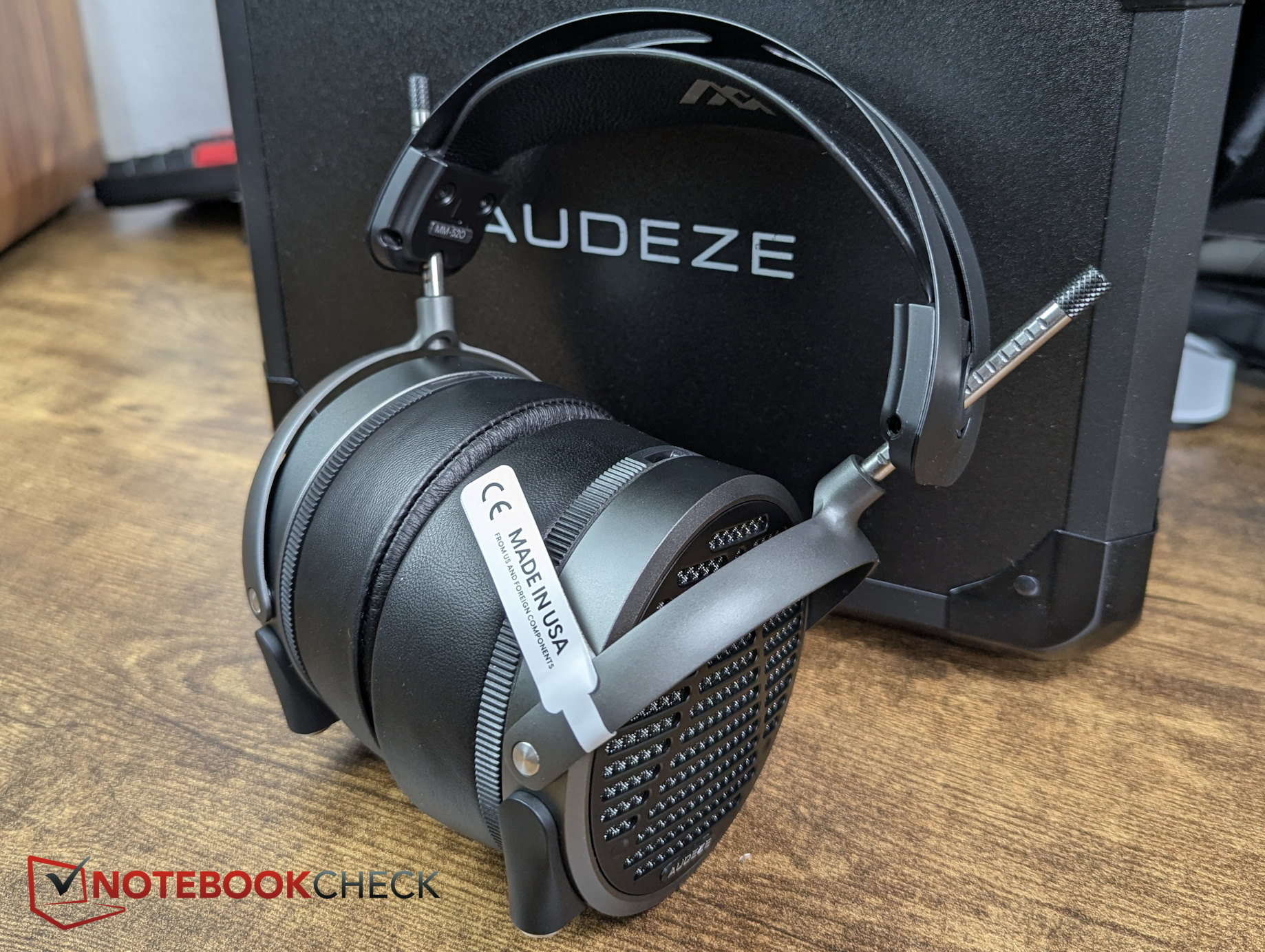
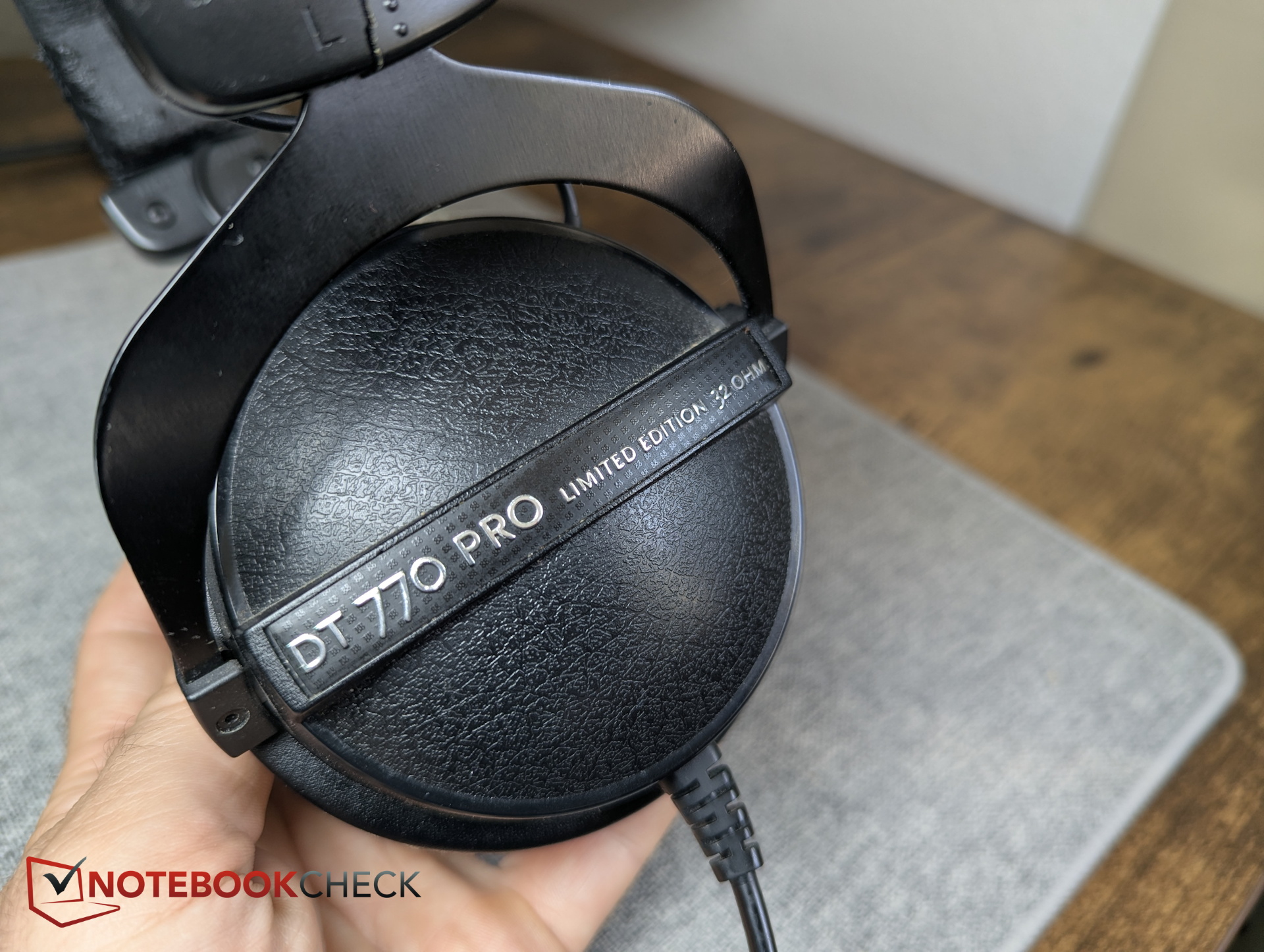
Listening impressions
With the right playback hardware, well-produced studio recordings featuring minimal dynamic compression, and audio stored in a near-lossless format such as FLAC, the strengths of the premium hardware become immediately apparent. That's when the exceptional dynamic range and crystal-clear reproduction across the entire frequency spectrum really stand out.
Individual instruments become noticeably easier to distinguish, along with their positions within the mix if you pay close attention. Vocals sound more natural, and instead of simply emphasizing bass quantity, the headphones reveal the actual texture and structure of low frequencies. Even at higher listening volumes, nothing becomes muddy or blurred.
| Track | Audeze MM-520 | Beyerdynamic DT 770 Pro |
|---|---|---|
| Daft Punk – Giorgio by Moroder | This is the "wow" moment: exceptionally clear, highly detailed, and outstanding instrument separation. As the track transitions from the spoken monologue into the musical build-up, the sound is almost tangible around your ears. | Sounds slightly more muted, with less detail and weaker separation between instruments and individual sounds. |
| Diana Krall – The Girl in the Other Room | Every breath in the vocals is audible, creating an excellent sense of space. The different drums and hi-hats remain well separated, while the piano sounds exceptionally clear. | The vocals feel closer, with a slightly narrower soundstage and less overall clarity. The mix blends together more than on the Audeze. |
| Norah Jones – Cold Cold Heart | Vocals sound clearer, but also slightly sharper, making every subtle change in her voice easy to hear. Instruments remain well separated, and individual piano notes stand out vividly. | The vocals sound a little smoother and less sharp, with a touch more compression overall. |
| Gregory Porter – No Love Dying | The soundstage feels wider, with every instrument and vocal presented clearly. | The presentation feels slightly denser, with a narrower soundstage and less spaciousness overall. |
| Gregory Porter – Liquid Spirit | The opening is particularly revealing: when the vocals begin, the bass remains completely separate and clearly distinguishable. | The bass is slightly stronger, but once the vocals enter, it blends into them more and is no longer as clearly separated by the end of each bass phrase. |
| Dire Straits – Ride Across the River | A very wide soundstage with excellent separation between all audio elements. | The stronger bass immediately stands out, adding more impact to the track, but the soundstage is narrower and the individual audio elements blend together more. |
| Dire Straits – Brothers in Arms | The guitar stands out clearly, while the vocals have a little less body but sound more natural. | The bass is more pronounced. The vocals are less defined but gain additional weight and fullness from the enhanced low end. |
Listening verdict
It's remarkable how clear the Audeze MM-520 sounds without ever becoming harsh. Its precision is noticeably ahead of the already excellent Beyerdynamic DT 770 Pro. Overall, the MM-520 delivers a cleaner, more refined, and ultimately more impressive musical presentation. The sound feels less compressed and more expansive, creating the impression of a significantly larger soundstage.
Transparency
The selection of devices to be reviewed is made by our editorial team. The test sample was given to the author by the manufacturer free of charge for the purposes of review. There was no third-party influence on this review, nor did the manufacturer receive a copy of this review before publication. There was no obligation to publish this review. As an independent media company, Notebookcheck is not subjected to the authority of manufacturers, retailers or publishers.
 Add as a preferred source on Google


