




Valve sued for promoting gambling with loot boxes in Steam games like Counter-Strike and Dota
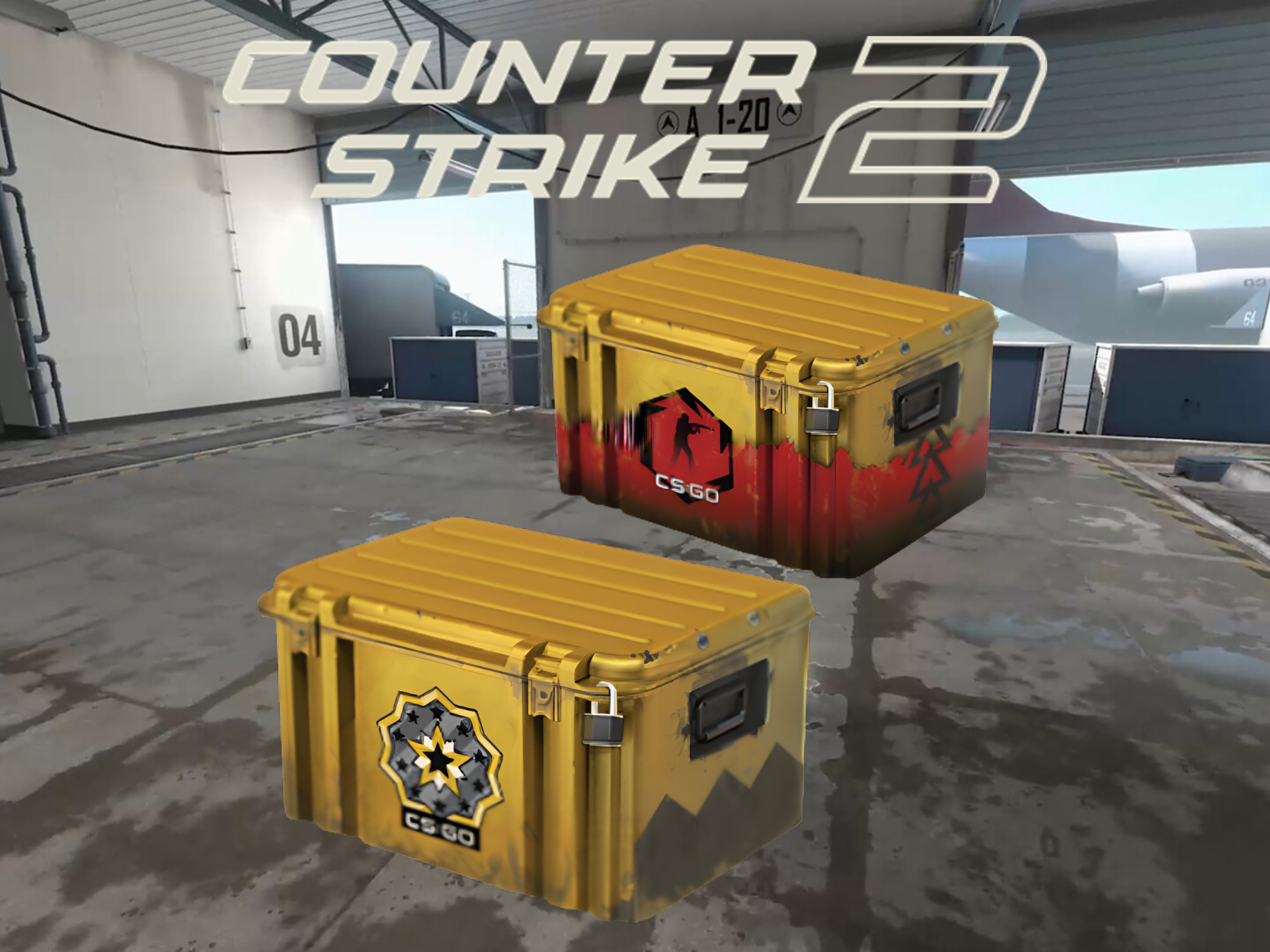
Courts continue to consider the legality of loot boxes in states and countries with gambling regulations. The latest lawsuit targets Valve, which publishes popular Steam games including Counter-Strike 2 and Dota 2. The New York Attorney General believes that paid cosmetics in these titles are especially harmful to children.
According to Reuters, Letitia James has accused Valve of violating several state laws. While gambling is illegal in New York, there are exceptions that open the door to regulated sports betting. Even so, no similar safeguards are in place for gamers who can’t resist the allure of loot boxes.
In the free-to-play Counter-Strike 2, players spend money on cases, with the hopes of collecting rare cosmetics. The necessary keys to unlock the boxes are easily purchased in-game. Attorney General James argues that the low win rate for desired items results in disappointment. Frustrated gamers eventually become addicted and accumulate large debts.
Loot boxes can lead to a long-term gambling addiction
James also cites a study showing that minors are particularly susceptible to chasing weapon skins. Without consent, they may use their parents’ credit and bank cards to fuel their addiction. Other Steam games, like Dota 2, have loot boxes but are more transparent about their contents and odds of winning.
If New York wins the Valve lawsuit, players would be awarded restitution, and the company could face massive fines. While some companies have avoided penalties in the past, they have suffered notable defeats. In 2021 and 2023, Epic Games agreed to enormous settlements stemming from abusive practices in Rocket League and Fortnite.
The debate over what constitutes gambling in the industry rages on. Publishers point out that, unlike in other scenarios, players at least receive a low-value item for their money. A more contentious argument is that the winnings have no value outside the games. However, players can often buy and sell items on first and third-party marketplaces.
Source(s)
 Add as a preferred source on Google


