




USPTO reexamining Nintendo patent for summoning may be result of outcry over Palworld lawsuit
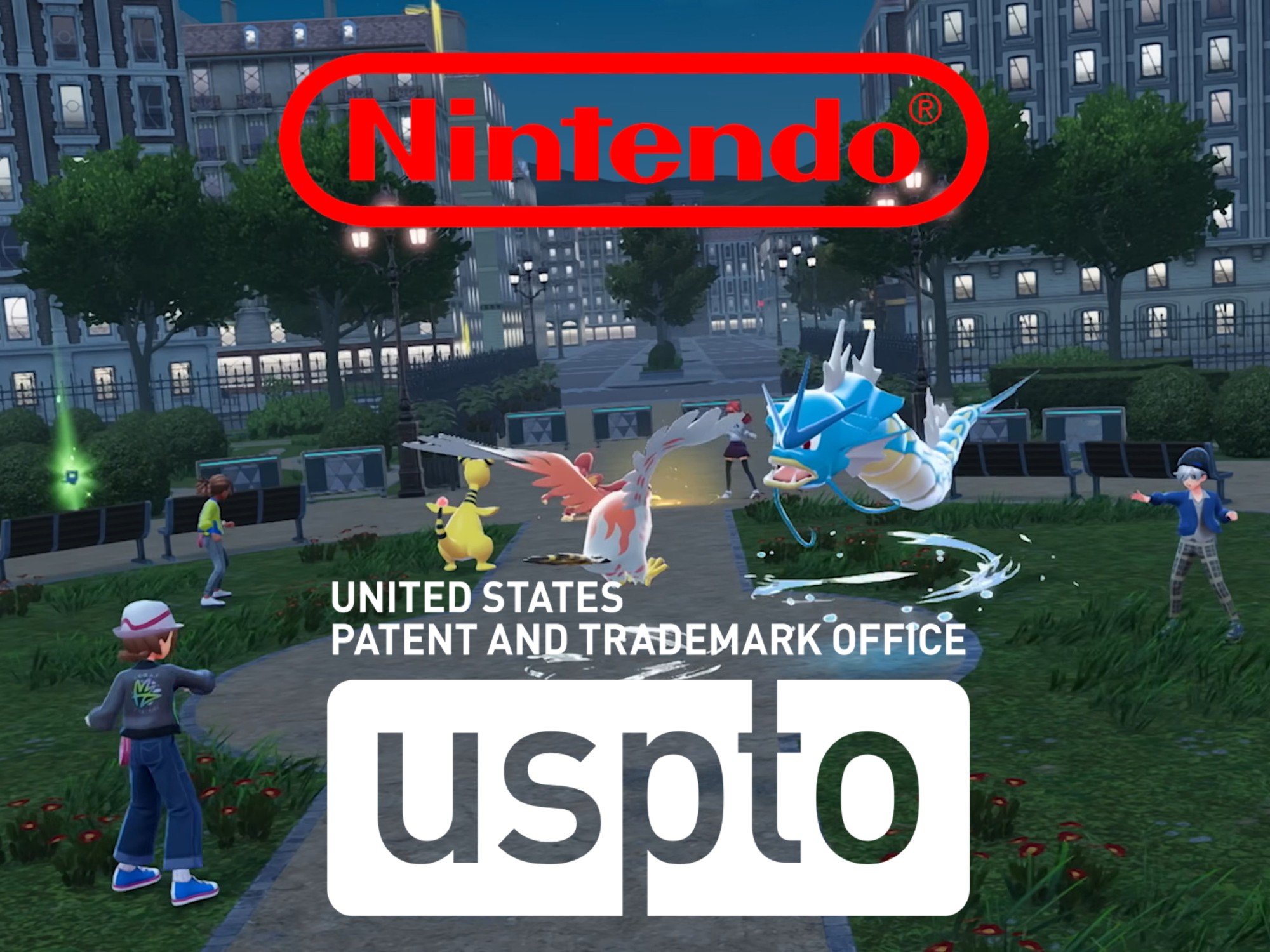
Nintendo’s aggressive patent push continues to hit snags. The last setback was when the United States Patent and Trademark Office (USPTO) decided to reconsider a recent filing. With the patent protecting common creature summoning and battling, many gamers believe it’s overreaching. An IP attorney thinks that the public could have prompted the unusual move by the USPTO director.
Andrew H. Velzen spoke to Games Radar about the curious patent review. He notes that “Only about 1% are actually started by the director like this one was.” While Velzen can’t say with certainty that critical gamers had an influence, it’s a likely explanation.
The Palworld Nintendo lawsuit involves Pokémon-like gameplay mechanics, such as capturing monsters. Even if U.S. patent 12,403,397 isn’t directly related, the proceedings have captured the attention of audiences. Palworld developer Pocketpair has already modified its title to appease the gaming giant. Despite similar features in other titles, the case remains ongoing.
What role should the public have in patent law?
Velzen cautions that allowing the public to dictate patent law could set a dangerous precedent. While skepticism can justify a review, legal experts must make the final decision. Nevertheless, without third parties, some questionable submissions may never face scrutiny.
Nintendo patents also face increasing resistance in Japan. The Japan Patent Office (JPO) recently rejected an application related to aiming at and then stunning or capturing targets. The office provided examples of prior art, including similar systems seen in games like Craftopia, ARK, and Nintendo’s Pokémon Go. The company could appeal the decision, but it gives Pocketpair’s lawyers more arguments against the lawsuit’s claims.
Critics worry that if broad Nintendo patents go unchecked, the creativity of developers will suffer. Some of the mechanics in the filings also existed before Nintendo games implemented them.
Source(s)
 Add as a preferred source on Google


