




Shocking lawsuit slams WhatsApp encryption, claims employees can access complete user data without a hassle
When it comes to privacy, it would be safe to state that Meta is not among the most trusted companies. WhatsApp, owned by Meta, touts itself as a safe messaging option courtesy of its end-to-end encryption policy, which prevents anyone, even Meta, from accessing customers' data. However, a recently filed lawsuit appears to claim otherwise.
According to the lawsuit, which cites claims made by a group of "whistleblowers", not only is a user's WhatsApp messaging data not encrypted end-to-end, but Meta engineers can also gain access to said data with a simple request. Perhaps even more alarmingly, the lawsuit further claims that Meta engineers will often grant access to customer data "without any scrutiny".
"As the whistleblowers here have explained, WhatsApp and Meta store and have unlimited access to WhatsApp encrypted communications, and the process for Meta workers to obtain that access is quite simple. A worker need only send a “task” (i.e., request via Meta's internal system) to a Meta engineer with an explanation that they need access to WhatsApp messages for their job. The Meta engineering team will then grant access - often without any scrutiny at all"
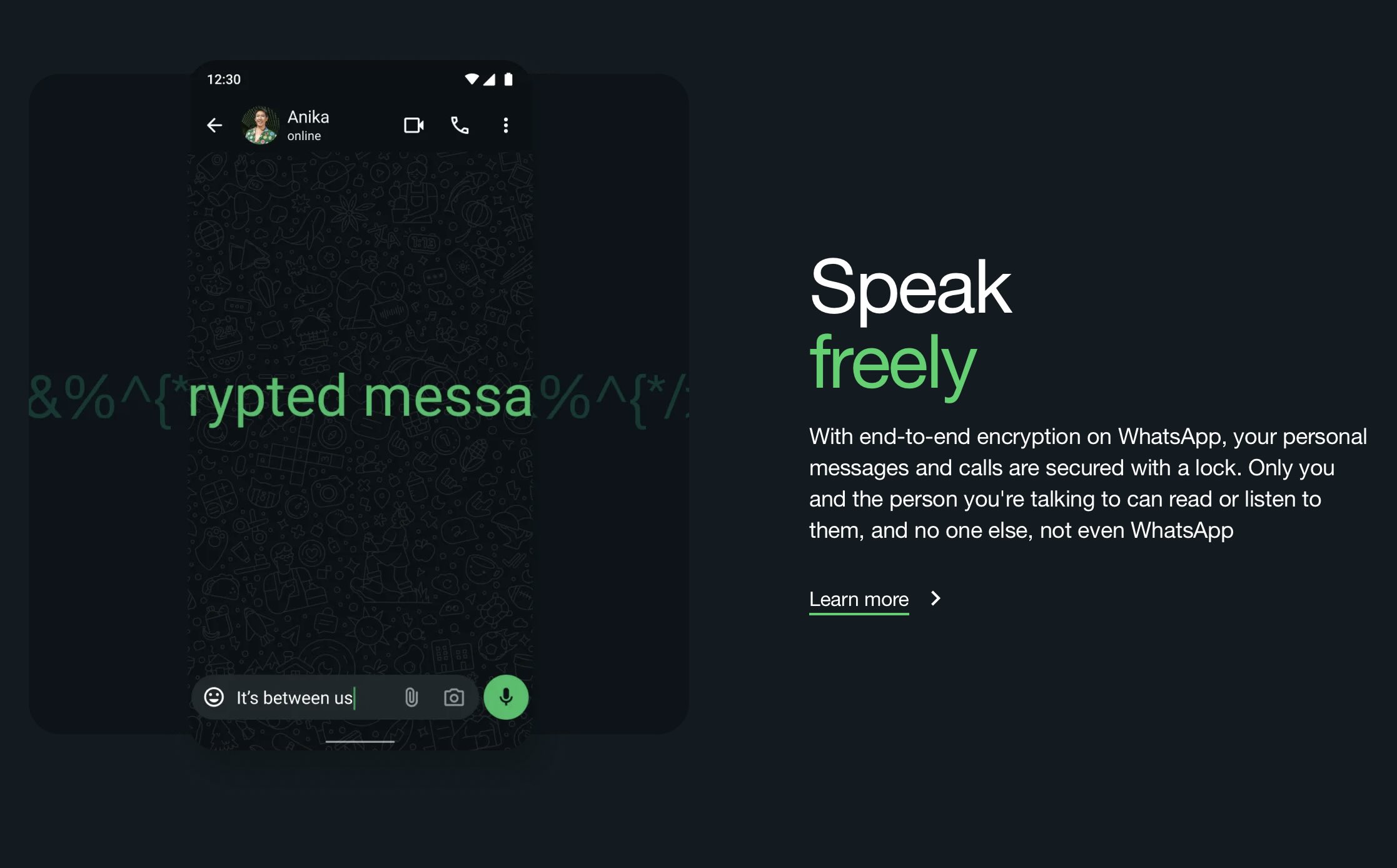
Interestingly, however, the lawsuit fails to back up its claims with any technical evidence. That said, considering that the whistleblowers have gone to extent of filing an actual lawsuit, it would be safe to suggest that there might be at least some truth behind these shocking claims. If so, this would mark a major blow to WhatsApp, considering that privacy is now a more important concern for consumers than ever before.
Meta did respond to the lawsuit, calling it "absurd" and "categorically false" in their response to PCMag.
WhatsApp's privacy and security implementations have come under scrutiny multiple times in the past. Telegram founder Pavel Durov claimed that multiple flaws in WhatsApp's security implementation were found upon investigation, but did not cite any further data to back up his claims.
Source(s)
Teaser image by Mariia Shalabaieva, iMattSmart on Unsplash, michael.kan via Scribd, spotted by PCMag
 Add as a preferred source on Google


