




Samsung Galaxy S26 Ultra shows camera improvements compared to S25 Ultra, can't catch up to Apple iPhone 17 Pro
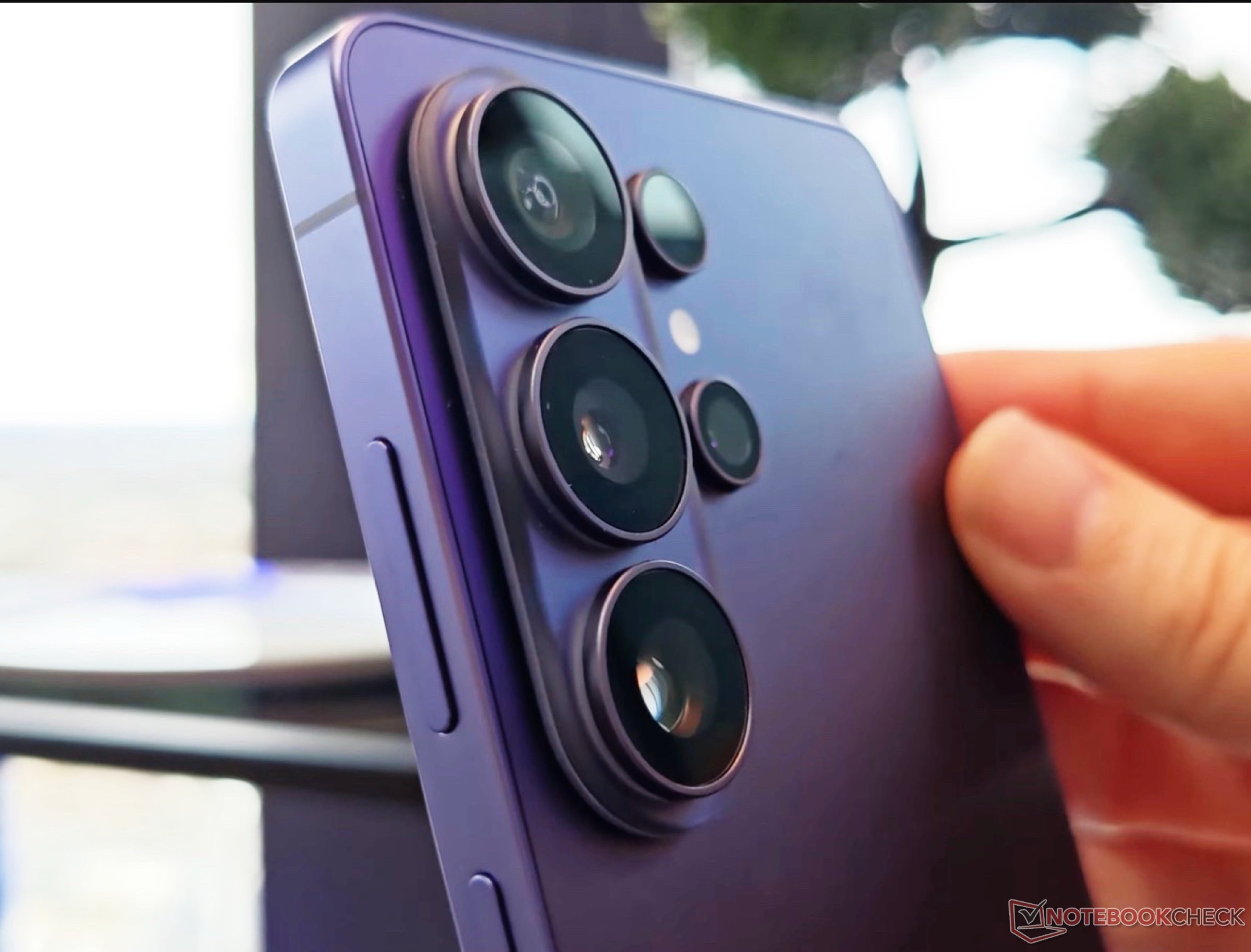
Like the Galaxy S25 Ultra, the Samsung Galaxy S26 Ultra ($1,299 on Amazon) has four rear cameras. The 50 MP f/1.9 ultra-wide-angle camera with 1/2.5 inch sensor and the 10 MP f/2.4 telephoto camera with 3x optical zoom and tiny 1/3.94 inch sensor have been carried over unchanged from the previous model.
However, the 200 MP main camera with a 1/1.3-inch sensor has been given a faster lens with an aperture of f/1.4, which according to Samsung allows 47 percent more light to reach the sensor than the previous model. The 50 MP periscope telephoto camera with a 1/2.52-inch sensor is also faster with an f/2.9 lens, whereby Samsung has installed a significantly more compact ALoP module which renders highlights in the background round instead of square, although the minimum focus distance is doubled to 52 centimetres


DxOMark was able to test the camera of the Samsung Galaxy S26 Ultra and noticed improvements in two areas in particular. Firstly, the 200 MP main camera actually captures more detailed photos with less image noise in low light, so the faster lens visibly pays off.
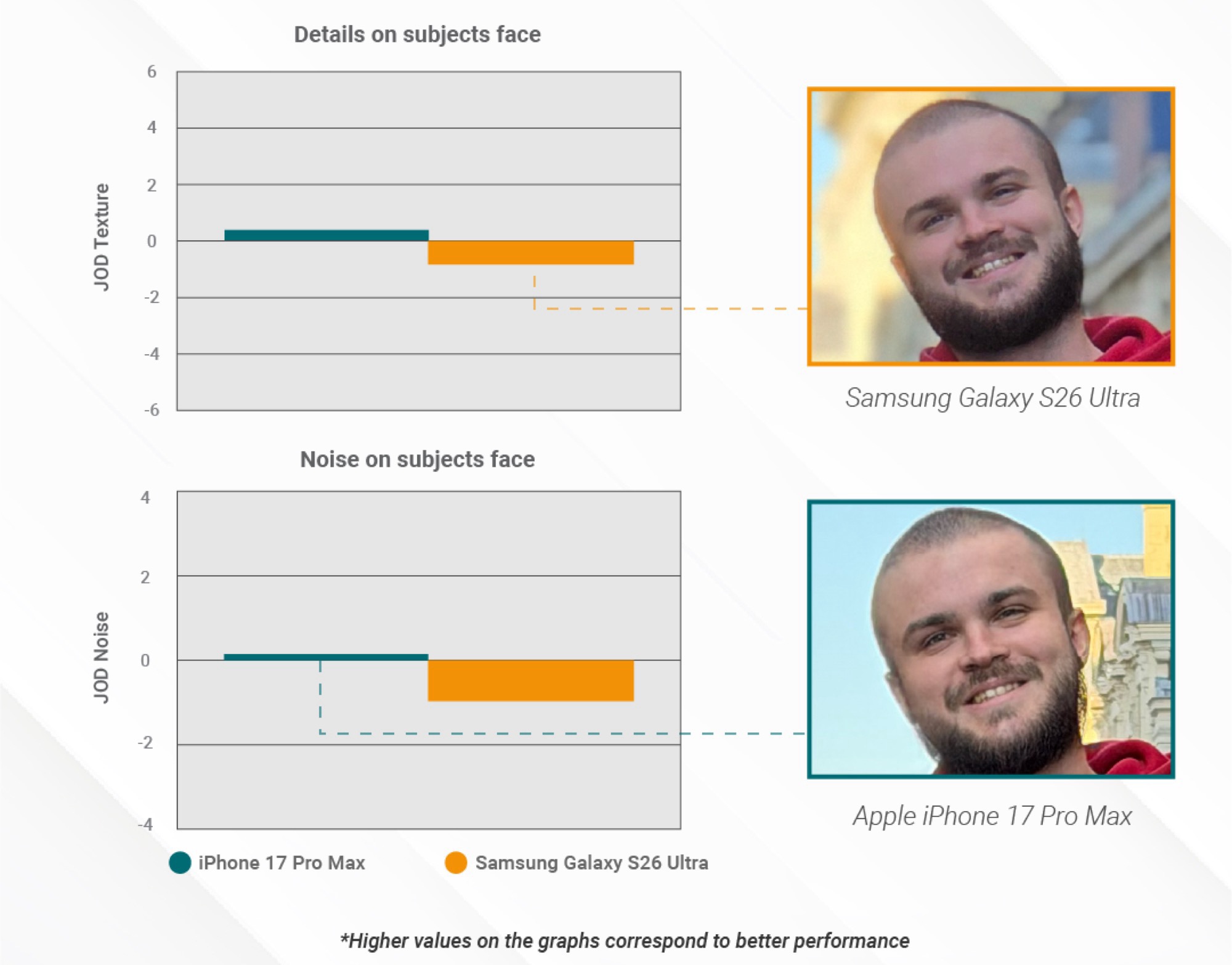
And secondly, the Galaxy S26 Ultra captures much more accurate skin tones in low light than the Galaxy S25 Ultra. However, DxOMark emphasizes that the main camera of the Apple iPhone 17 Pro records even more details and has less image noise than the improved main camera of the Galaxy S26 Ultra. DxOMark also criticizes that the autofocus cannot always capture faces precisely and that the bokeh simulation doesn't work flawlessly, which leads to visible artefacts
Source(s)
 Add as a preferred source on Google


