




Oppo Find N6: Why the crease almost disappears
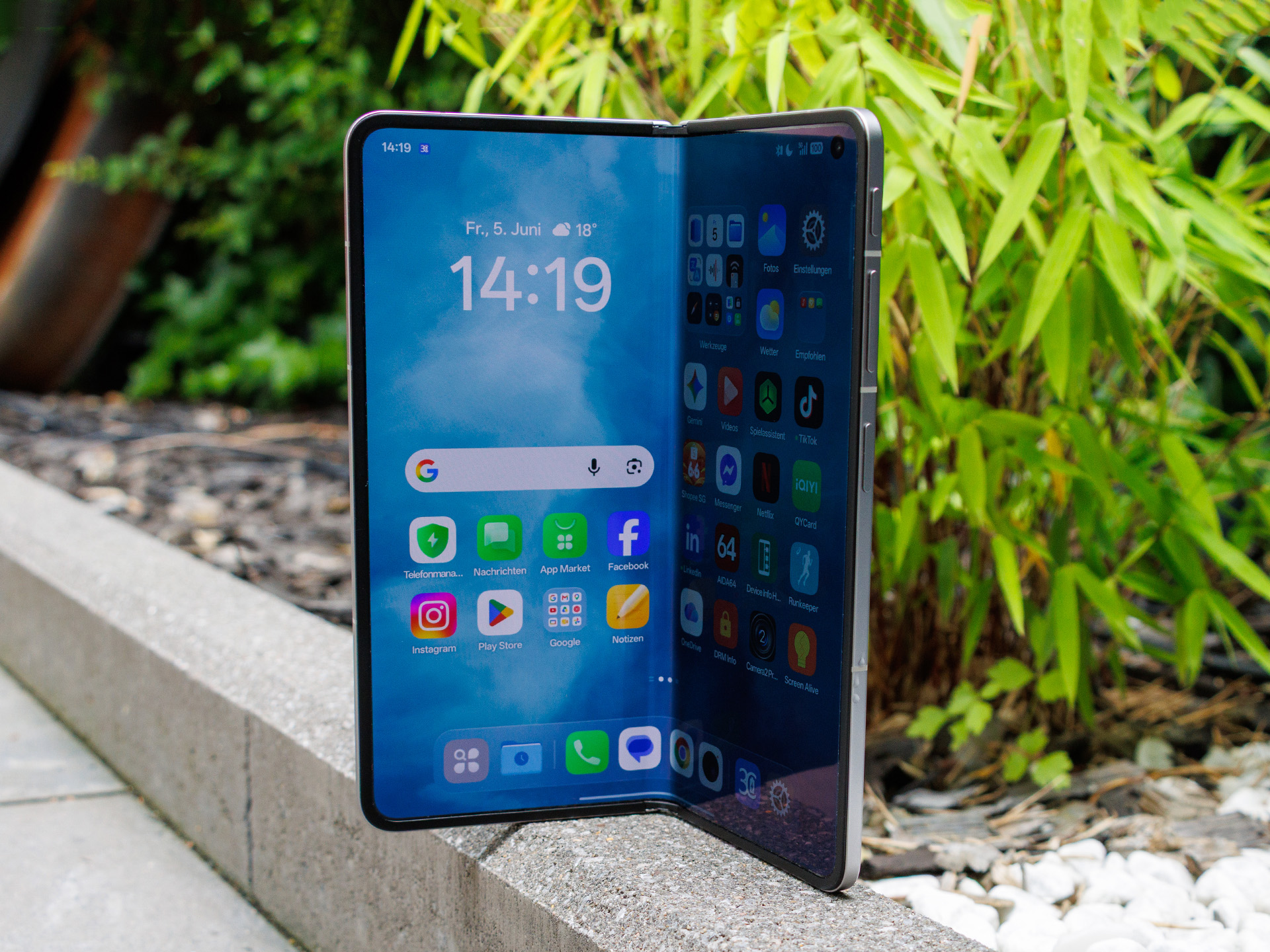
For the Oppo Find N6, the display crease is arguably the most significant technical detail of all, as it demonstrates just how far Oppo has refined its foldable design. The manufacturer employs a new hinge architecture that guides the panel much more evenly during folding, causing the typical crease line to virtually disappear in everyday use. This is complemented by specially adapted "Flex-Glass," which better accommodates deformation and gives the surface a more stable feel. According to Oppo, this makes the crease not only hard to see but also virtually imperceptible to the touch - a claim we can confirm from our testing.
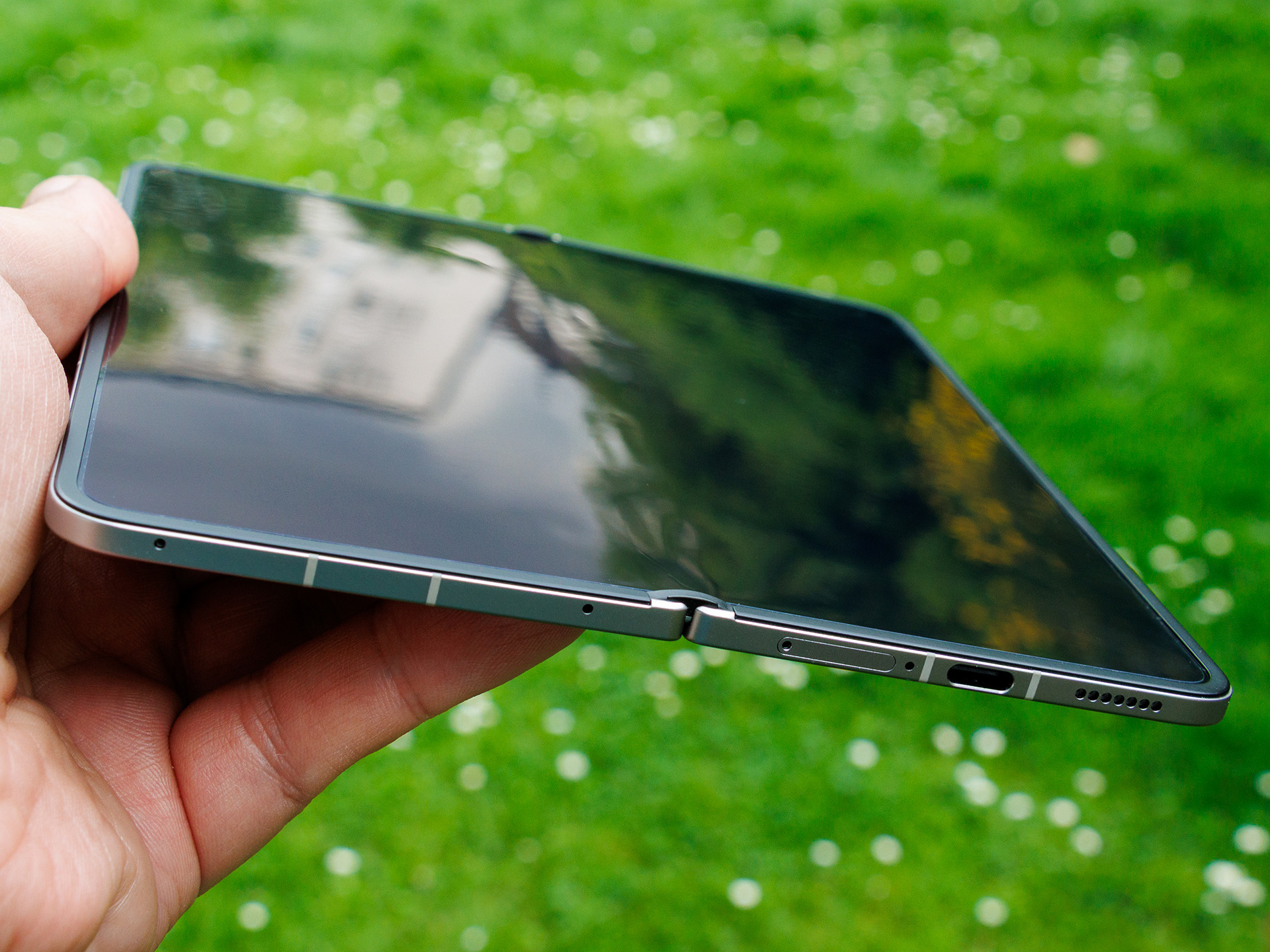
The combination of mechanics and materials is particularly noteworthy. The second generation of the Titanium Flexion Hinge uses a very precise design, apparently also optimized using 3D methods, in which the internal support structure is particularly flat. This flatness is crucial, as it prevents the display from bulging significantly or showing a visible ridge in the center. Oppo refers to this as a "Zero-Feel Crease" - a fold that no longer feels like a traditional crease. And this remains the case even after weeks of use.
In daily life, this offers a tangible advantage. Content appears more uniform, scrolling across the fold area is no longer distracting, and the inner display feels much more like a standard tablet screen overall. At the same time, the fundamental nature of a foldable remains: a completely invisible fold is physically impossible. However, Oppo comes so close that the Find N6’s crease feels more like a technical achievement than a drawback.
 Add as a preferred source on Google


