




New Samsung flagships have so much AI, they might get liquid or air cooling to stop overheating, reveals leak
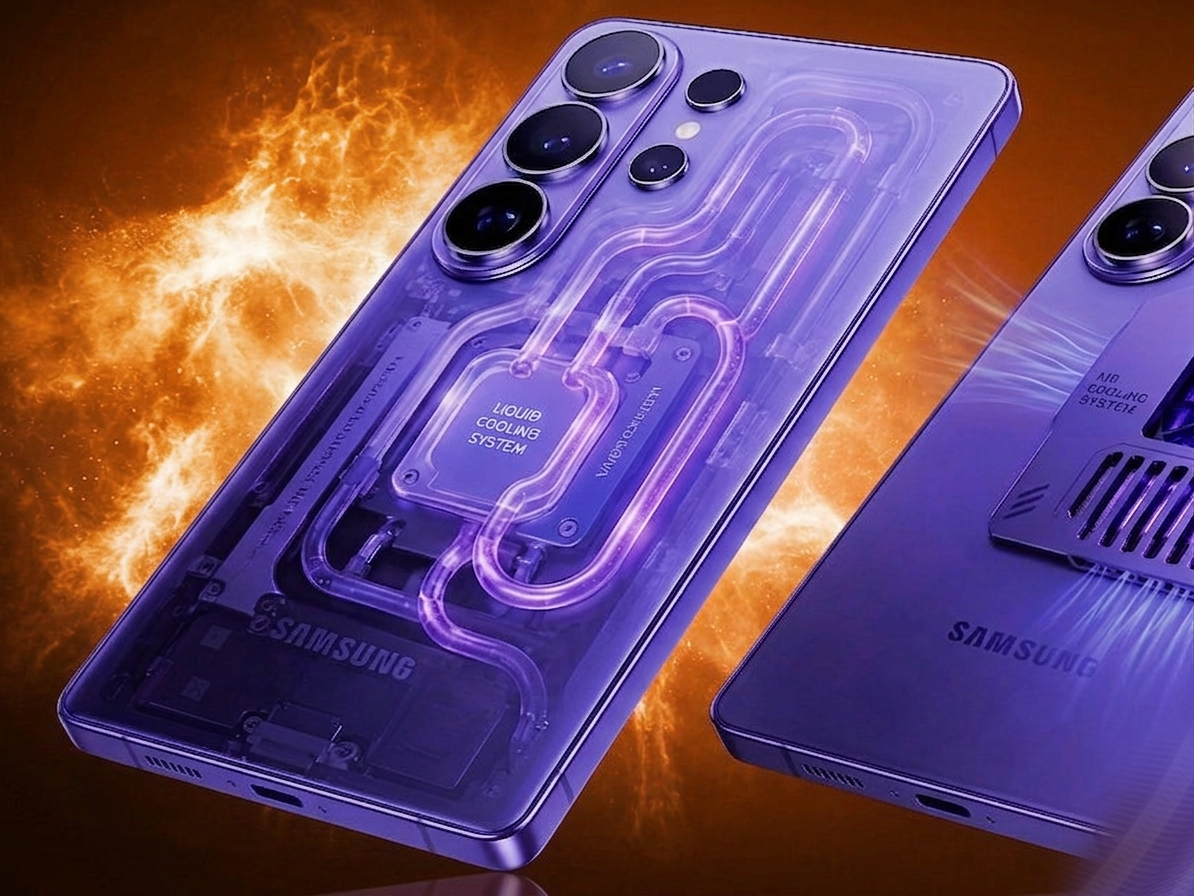
Samsung is reportedly developing advanced active cooling solutions to combat thermal throttling, a persistent bottleneck for flagship phones, particularly those running intensive AI workloads. It's unclear whether the technology will be ready for the Galaxy S27 series, including the premium Galaxy S27 Ultra flagship.
A dedicated research team at Samsung’s Production Technology Research Institute is currently evaluating active liquid cooling and fan-based air cooling. According to lab director Park Min, the team is prioritizing a liquid-based system that uses a sealed, circulating loop connected directly to the chipset. While air cooling is being tested, Samsung notes that concerns regarding fan noise and increased device weight make liquid solutions more attractive.
While Samsung’s latest flagship SoC, the Exynos 2600 utilizes (Galaxy S26, Galaxy S26+) innovative "Heat Pass Block" (HPB) technology, a copper heatsink placed directly on the chip die that has shown remarkable thermal stability in testing, the company recognizes that future on-device AI and high-performance silicon will require more robust active systems.
Samsung’s pivot mirrors methods already popularized by gaming-focused phones from Nubia, which utilizes hybrid liquid and air cooling. By moving toward active, internal cooling, Samsung could ensure its future flagships, like the Galaxy S27 Ultra (reportedly launching July 22) and/or Galaxy S28 Ultra, can maintain peak performance without relying on passive solutions.
Source(s)
 Add as a preferred source on Google


