




New AI tool for calculating the optimal PV energy storage size
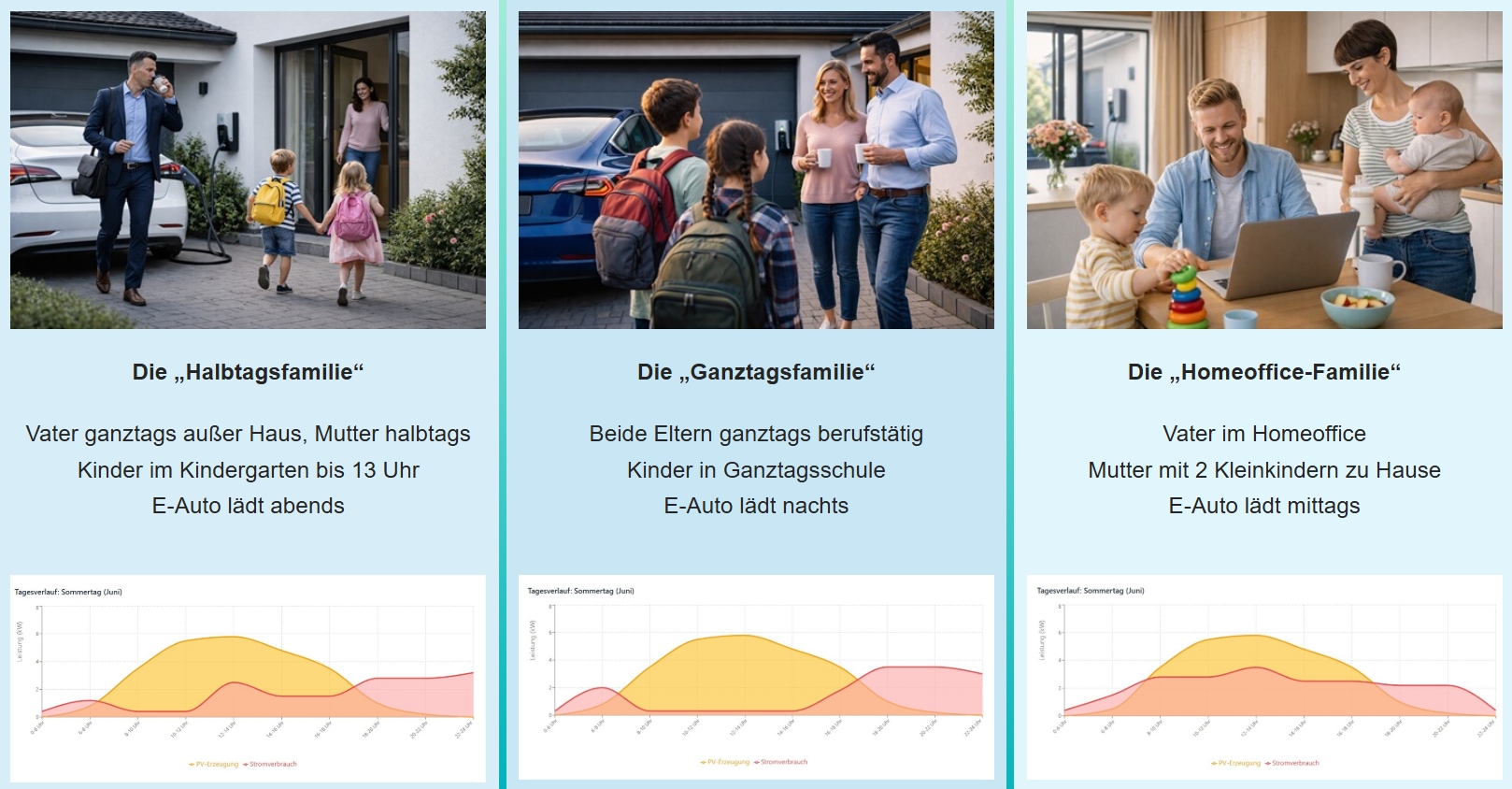
Photovoltaics are on the rise: In the US, for the first time, more electricity was produced from solar energy than from coal power plants, and in Europe, PV also plays a major role in the increasing independence from fossil fuels. Private rooftop installations also make a not insignificant contribution, but optimally sizing the system and deciding for or against energy storage is not always easy.
Instead of relying on the usual rules of thumb, the German software company SIC! claims to have found a better solution: With an AI tool called PerfectPV, the best possible size can be determined in a particularly convenient way. To do this, users merely need to upload some data. Depending on availability, this could include smart meter data from the last 12 months, information on the (desired) system size, budget, living situation, or other major household consumers such as a heat pump or an electric vehicle (EV).
Following a one-time payment of 39 euros (~ 45 USD), the AI will then calculate the optimal sizing for the PV system and energy storage, provide a cost-benefit analysis, and deliver simulations and forecasts regarding consumption and self-sufficiency. According to the software company, the entire calculation process takes only a few minutes.
Pros and Criticism
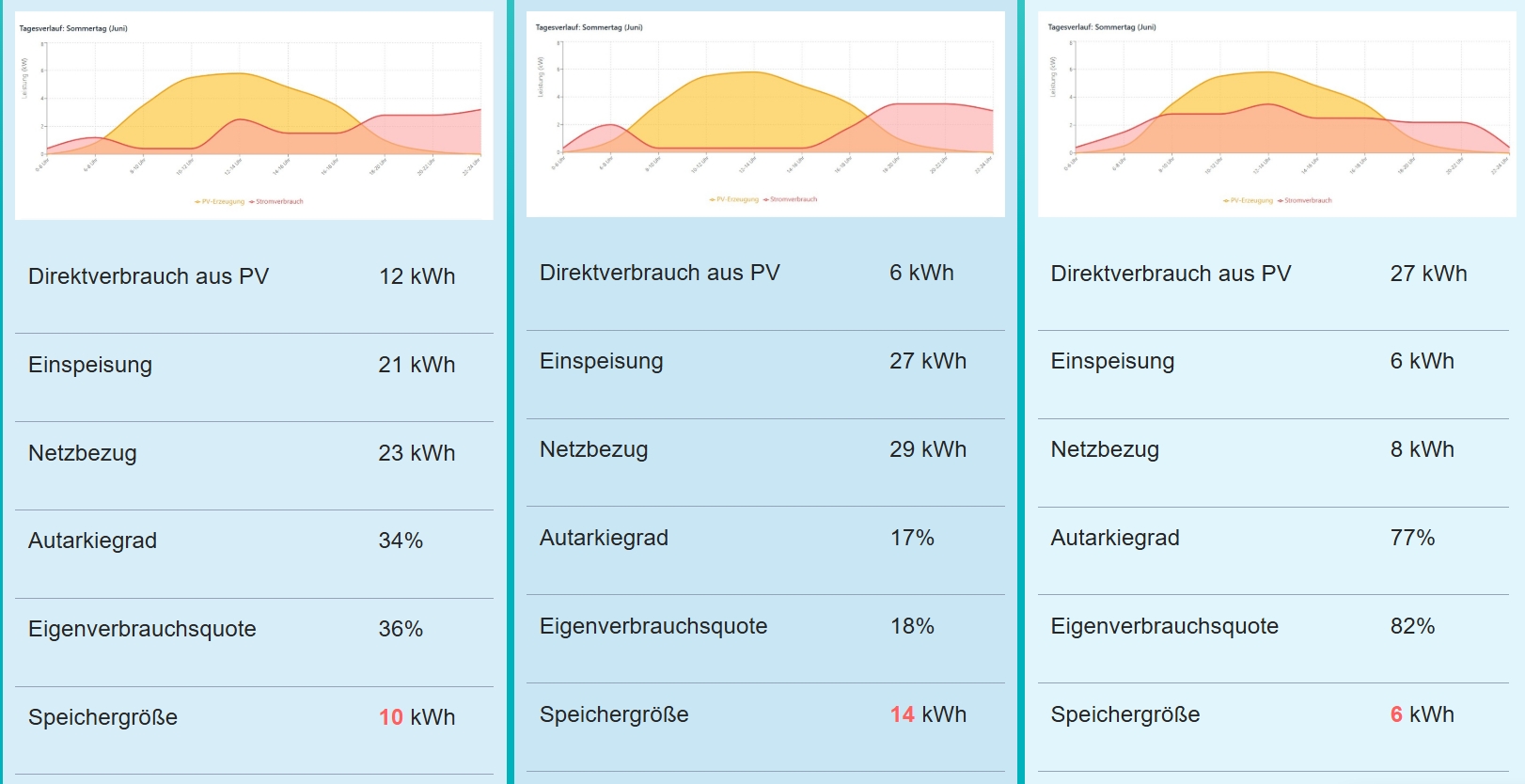
The advantage of proper storage sizing is obvious: An ideally configured system can prevent bad investments amounting to several thousand euros (if the system would otherwise have been too large) or avoid the need to draw expensive grid electricity instead of using your own solar power (if the system would otherwise have been too small).
At the same time, not everyone is enthusiastic about the new software. For instance, readers of the press release published by the software company on various platforms criticize that the data used for the calculation does not go into sufficient detail on topics such as bidirectional charging, the battery capacity of a potential electric vehicle, or the integration with smart heat pumps. Others accuse the company of reading tea leaves, arguing that changes in the electricity market as well as in supply and feed-in tariffs cannot be predicted accurately enough anyway.
To me personally, the service seems quite sensible, as it is very convenient and, at around 45 USD, not particularly expensive. Those who want to save money can theoretically also enter their data into classic chatbots (such as Gemini, Claude, ChatGPT, etc.). They can also assist with the system design, but often reach their mathematical limits when dealing with complex, month-long smart meter data series. At the same time, however, I also think that the question of planning your own system via AI only arises if you lack sufficient trust in the professional advice of your solar installer.
 Add as a preferred source on Google


