




Many consumer electronics companies may end up bankrupt this year due to AI-driven shortages, Phison CEO alerts
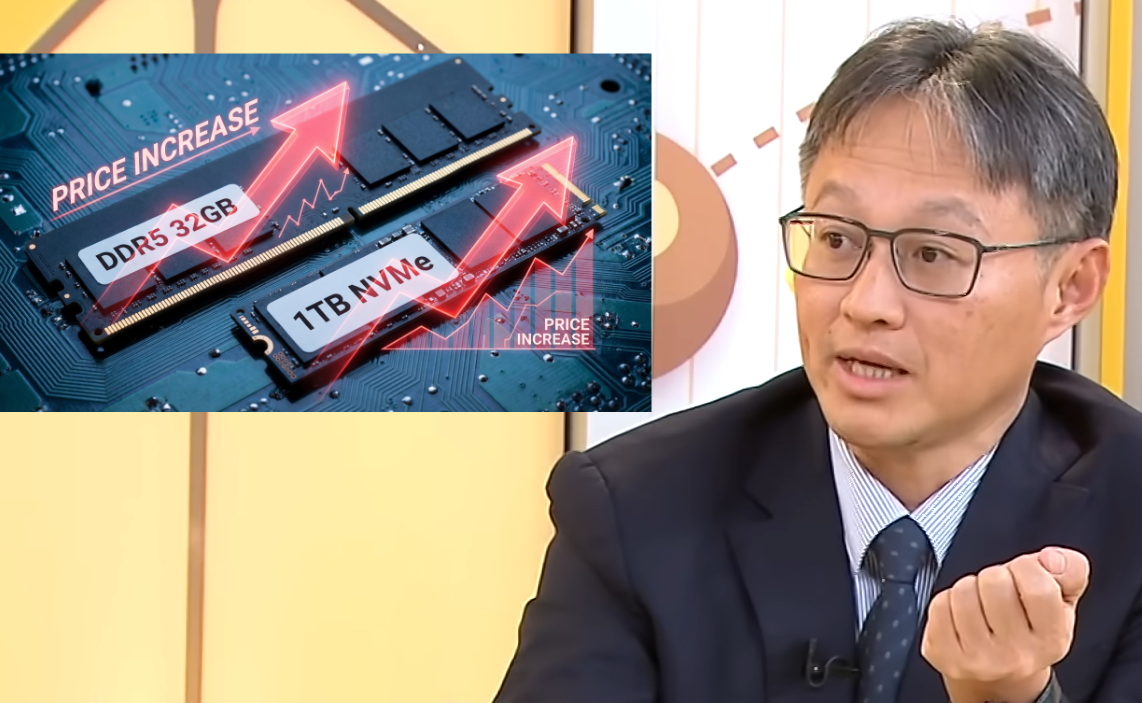
In a recent interview facilitated by the ChenTalkShow, Phison CEO Chien-Cheng Pan presented a dire outlook for the consumer electronics industry amid the severe shortages created by unprecedented AI hardware demand.
Pan first warns that the RAM and NAND memory shortages are the most important factors that will cause severe problems to many consumer electronics companies in the coming years. These two components are expected to remain in short supplies up until 2030 or even 2035 at current production capacities, as foundries now demand 3-year pre-payments that will cause insurmountable problems for some companies.
Smaller and medium companies will thus be forced to exit product lines or completely shut down due to restrictive payment issues imposed by foundries. The smartphone industry is estimated to see a 200-250 million unit decline this year, while PC and TV industries may also be impacted to a lesser degree. Smartphones would be hit harder since RAM and storage accounts for more than 20% of the material bill. The situation is considerably more manageable on the server and data center market, where memory and storage only account for 5-6%.
Even the more affordable eMMC memory type that was available for $1.5 per 8 GB chip is now in great demand with prices exceeding $20 (approaching $30 for automotive industry) for the same capacity.
Pan continues to explain that the situation could spin out of control once Nvidia enters mass production for the scheduled 10 million Vera Rubin units. Each Vera Rubin board requires 20+ TB SSD storage and up to 576 GB RAM. While the RAM market is already affected, the SSD market is now expected to also see similar price increases, as the requirements of 10 million Vera Rubin units alone would eat up 20% of the global NAND production capacity for 2026.
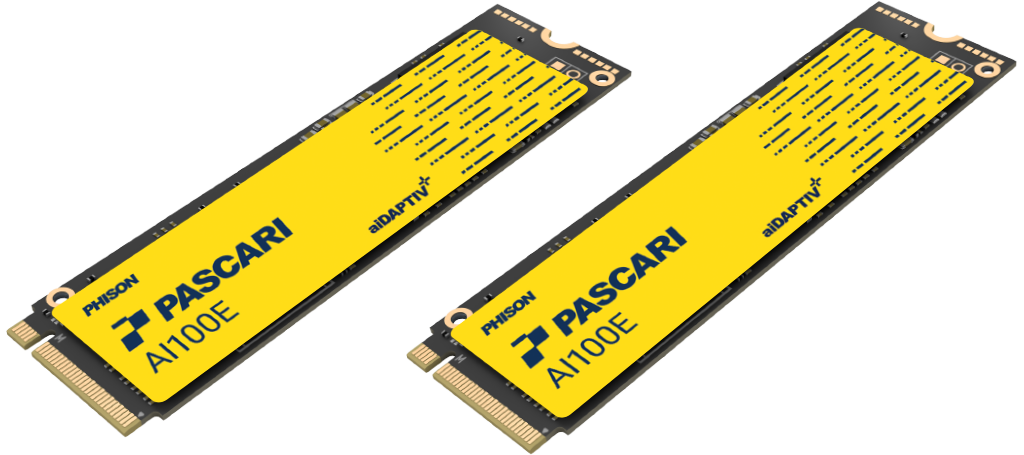
Phison proposes a middleware solution for the ever increasing AI-driven DRAM and NAND memory demand in the form of aiDAPTIV+. This technology combines minimal DRAM capacity with specialized Flash memory. It essentially offloads expensive HBM and GDDR memory to cost-effective Flash memory and eliminates the need for large numbers of high-cost and power-hungry GPU cards. The optimized middleware extends GPU memory by an additional 320GB (for PCs) and up to 8TB (for workstations and servers) using aiDAPTIVCache.
Source(s)
Via Videocardz / @QQ_Timmy
 Add as a preferred source on Google


