




RAM shortage spreads: HDDs may soon be in short supply
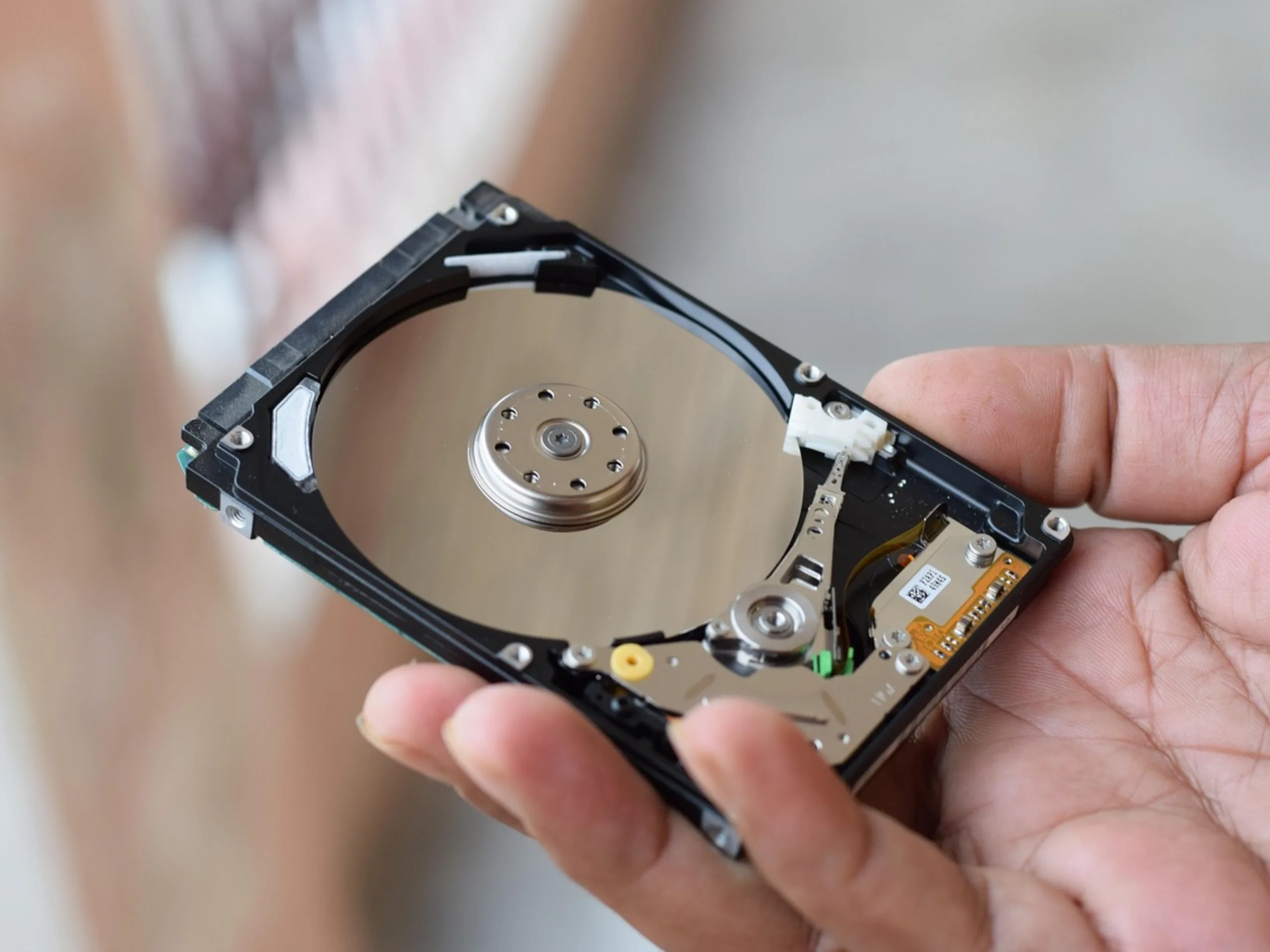
Soaring demand from the AI sector continues to push RAM prices higher, and hard drives now appear to be feeling the effects as well. In its latest quarterly report, Western Digital confirmed that most of its HDD production capacity for 2026 has already been allocated. Major cloud providers have secured large volumes of storage capacity, in some cases extending their commitments through 2028.
The main driver is once again the AI boom. Modern AI systems such as chatbots and image generators depend on vast amounts of data for training. This data must be stored at massive scale – not in terabytes, but in exabytes. One exabyte equals one billion gigabytes or one million terabytes. This is where traditional HDDs come into play. While SSDs offer higher speeds, they are significantly more expensive at comparable capacities. For large data pools in data centers, cost per gigabyte is the decisive factor. As a result, cloud and AI providers continue to rely heavily on high-capacity hard drives.
What does this mean for consumers?
According to Western Digital, its seven largest customers have placed binding orders. There are also long-term supply agreements in place for 2027 and 2028. As a result, a large share of production is going directly to hyperscalers – the operators of massive data centers. This leaves significantly less capacity available for traditional retail channels.
The consumer segment now accounts for only a small share of the business. When large companies secure vast volumes in advance, prices for HDDs may rise, and some models could become harder to find. There are no signs of a quick turnaround. The global expansion of AI infrastructure remains in full swing, and demand for storage is expected to stay high.
Source(s)
Image source: rohitdarbari/adobe Stock
 Add as a preferred source on Google


