




"HomeClaw Max": New Mini-PC aims to combine Home Assistant and OpenClaw
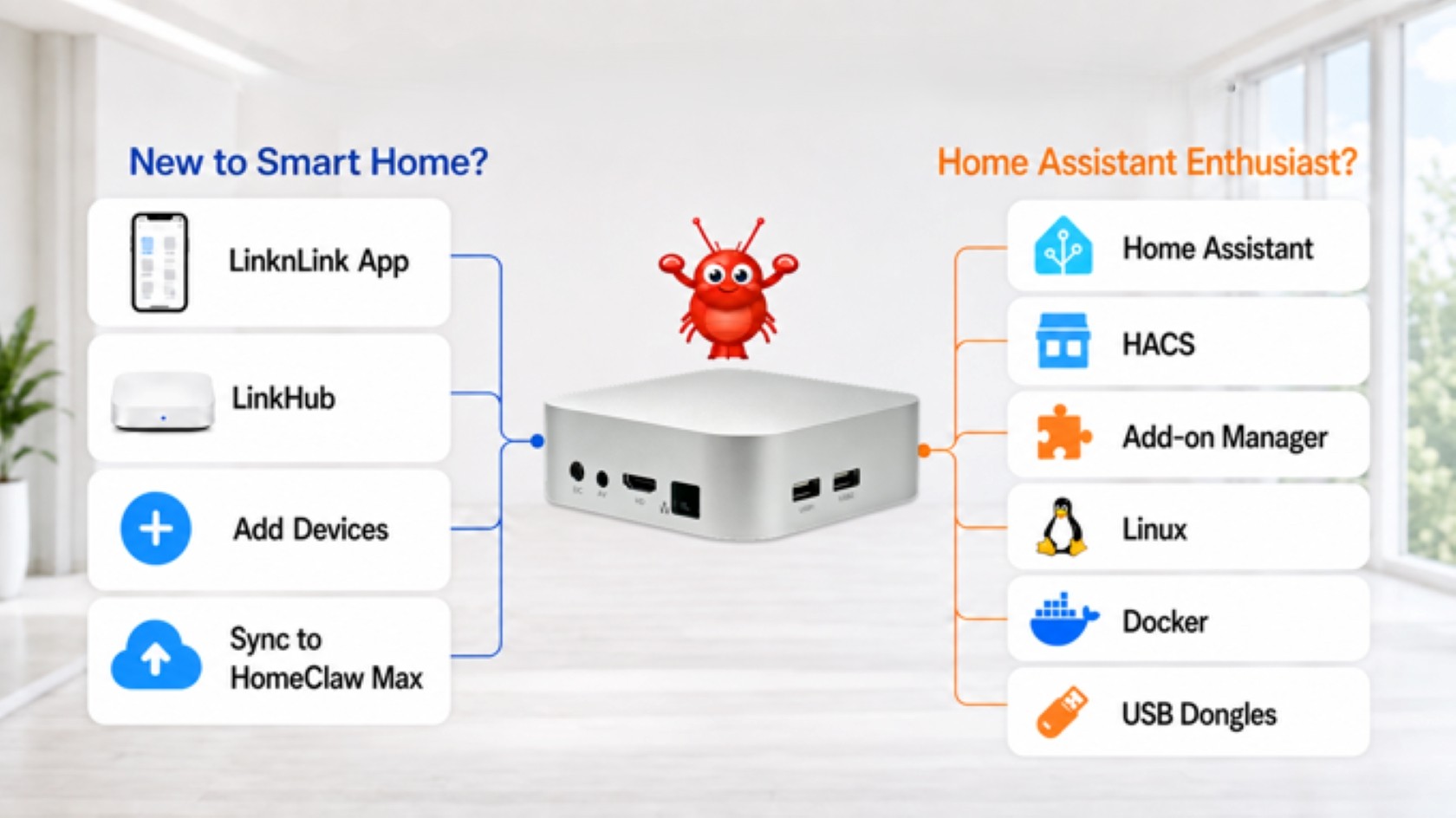
Home Assistant offers a lot of potential - provided you take the time to set up all the features properly. Although the smart home platform gains more out-of-the-box functionality with every update, a little DIY tinkering is still often required. Those who want to avoid this previously faced the choice of switching to another, perhaps less powerful but free system, or having to dig deep into their pockets.
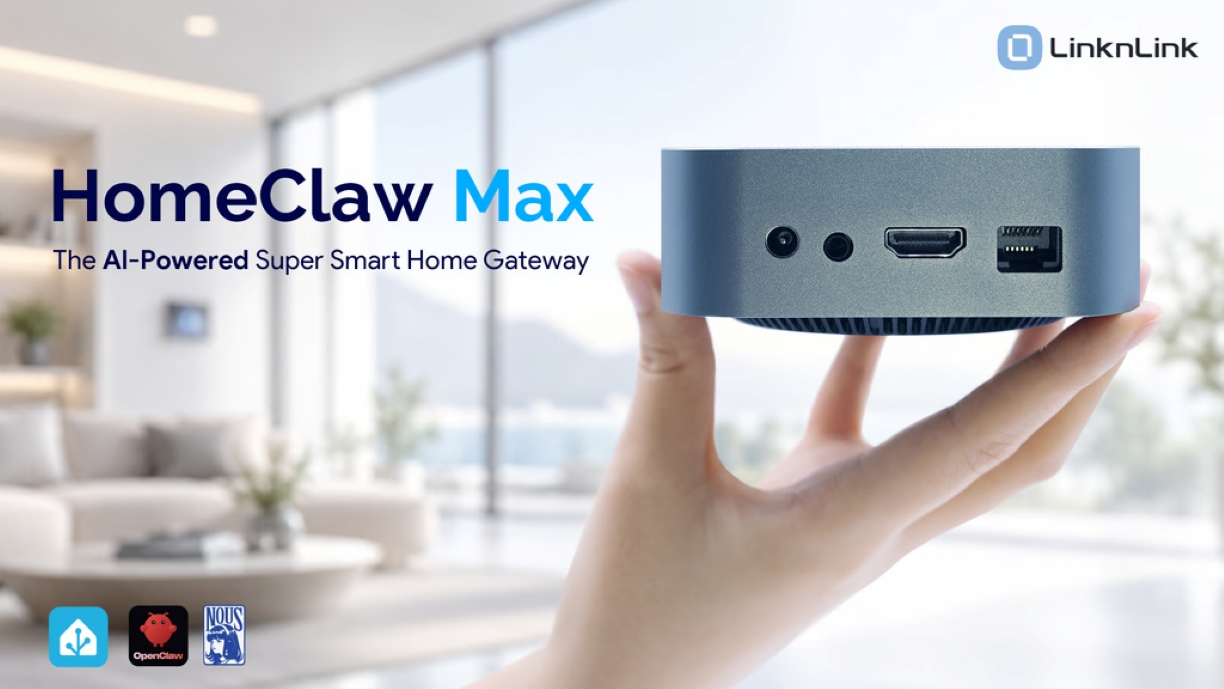
With the HomeClaw Max, the manufacturer LinknLink aims to create another option: a device that combines the functional diversity of Home Assistant with an AI assistant. Users can choose between the "Hermes Agent" or the much-hyped "OpenClaw". These are intended to take over the setup and programming of your smart home. Instead of writing code yourself, simply describing the desired result to the AI should be enough - the agent takes care of the rest.
Specifications
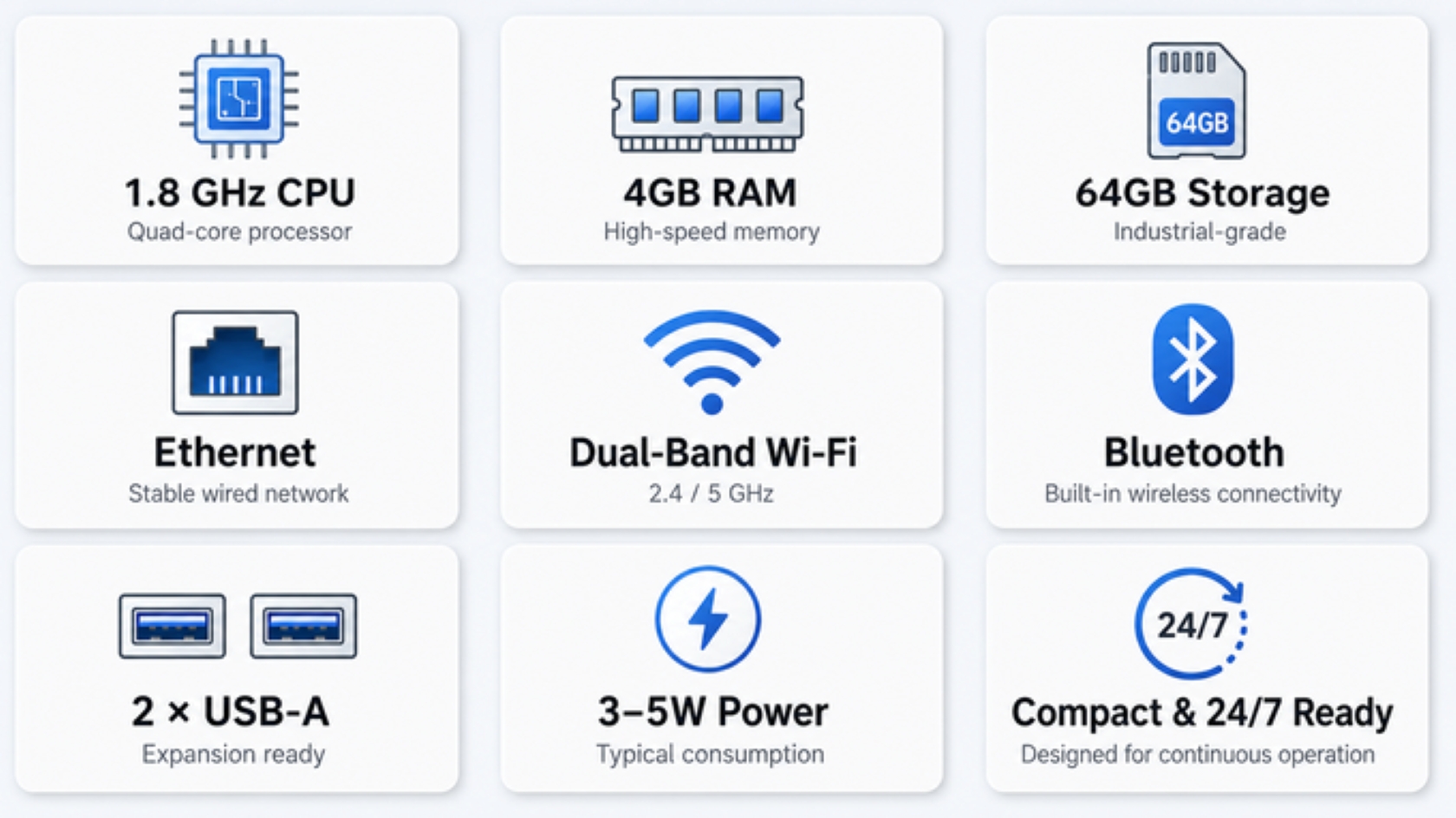
The device is essentially a classic mini-PC. The specifications are not particularly remarkable - quite the opposite of a supercomputer, in fact. It comes with 4 GB of RAM, and the CPU features four cores at 1.8 GHz each. Buyers can choose between 64 GB or 256 GB of internal storage. While the smaller version only features an Ethernet port with a maximum of 100 Mbps, the more expensive variant is equipped with a Gigabit connection.
On a positive note, the power consumption is exceptionally low at just 3 to 5 watts – a crucial factor for a device meant to run 24/7. The manufacturer also deserves credit for pointing out the obvious: tech-savvy users can just buy a regular, cheaper mini-PC and set up the system themselves. With the HomeClaw Max, however, the idea is not just to get a barebones device, but one with software perfectly tailored for a quick and easy smart home setup.
Price & Availability
Currently, acquiring the device is only possible by backing the Kickstarter campaign. The base model is available for the equivalent of around $100, while the version with more internal storage costs around $170. In addition, shipping costs of about $17 will apply. Shipping is scheduled to begin at the end of October.
It should be noted that with a crowdfunding campaign like this, a portion of the risk is always passed on to the end customer. Receiving the device is not guaranteed, nor is the adherence to all promised specifications. Those who want to avoid this risk might want to take a look at the Homey Pro, for example. This hub is somewhat more powerful but also costs significantly more (see Geizhals price comparison).
Source
 Add as a preferred source on Google


