




Galaxy S26 Ultra specs stagnate as Samsung prioritizes $69 billion in chip profits
UPDATE: Samsung has reached out to us with the following statement:
Recent reports that Samsung's DS division has rejected certain customer requests are baseless and not true. We are in close communication with global customers to address industry needs.
Original story continues below...
The internal struggle between Samsung's highly profitable DS division that makes memory chips, and its consumer electronics departments, may affect the Galaxy S26 price and specifications.
The semiconductor division will be the main driver behind the breathtaking $69 billion profit that some analysts say Samsung may log in 2026. It is riding high on the insatiable demand for high-end memory chips used in AI and graphics subsystems, and will reportedly charge Nvidia double for its next-gen HBM4 memory units just because demand is so high.
At the same time, the CEO of Epic Games and other industry executives warn that rampant price hikes threaten the gaming experience as laptop, PC, console, or phone makers just can't compete with the exorbitant sums that the AI juggernauts are willing to pay for fast graphics memory chips.
Galaxy S26 Ultra pricing
Samsung's MX division that is in charge of developing the next flagship Galaxy S26 phone series may be learning those new realities the hard way. Apparently, the Device Solutions (DS) department, which makes memory chips and Exynos processors, has turned down its application to sign a long-term contract for mobile LPDDR memory that will help it keep the Galaxy S26 manufacturing costs in check.
The voracious appetite brought on by the AI revolution gobbles not only the high-bandwidth memory (HBM) that Nvidia uses in AI cards, but also the GDDR and LPDDR type for graphics subsystems and laptop or phone use. "With AI accelerators absorbing not only HBM but also LPDDR volume, the DS division has no choice but to restructure its portfolio around profitability," tips one industry official.
The recent restructuring at Samsung gave more autonomy to each subdivision so that it is in charge of its own profitability course, and Samsung DS chose to maximize profit. Faced with such unprecedented demand for its memory chips, it only gave Samsung MX a contract that covers this current quarter, meaning that the Galaxy S26 memory will have to be acquired at market prices.
Said pricing, however, has now doubled, and the share of mobile memory costs in the Galaxy S26 Bill of Materials (BOM) will thus rise to 20%. That's already the level of the mobile processor share, currently the most expensive component in a phone. The increase comes on top of the Snapdragon chipset that took over the high-res OLED display as the priciest phone component not long ago.
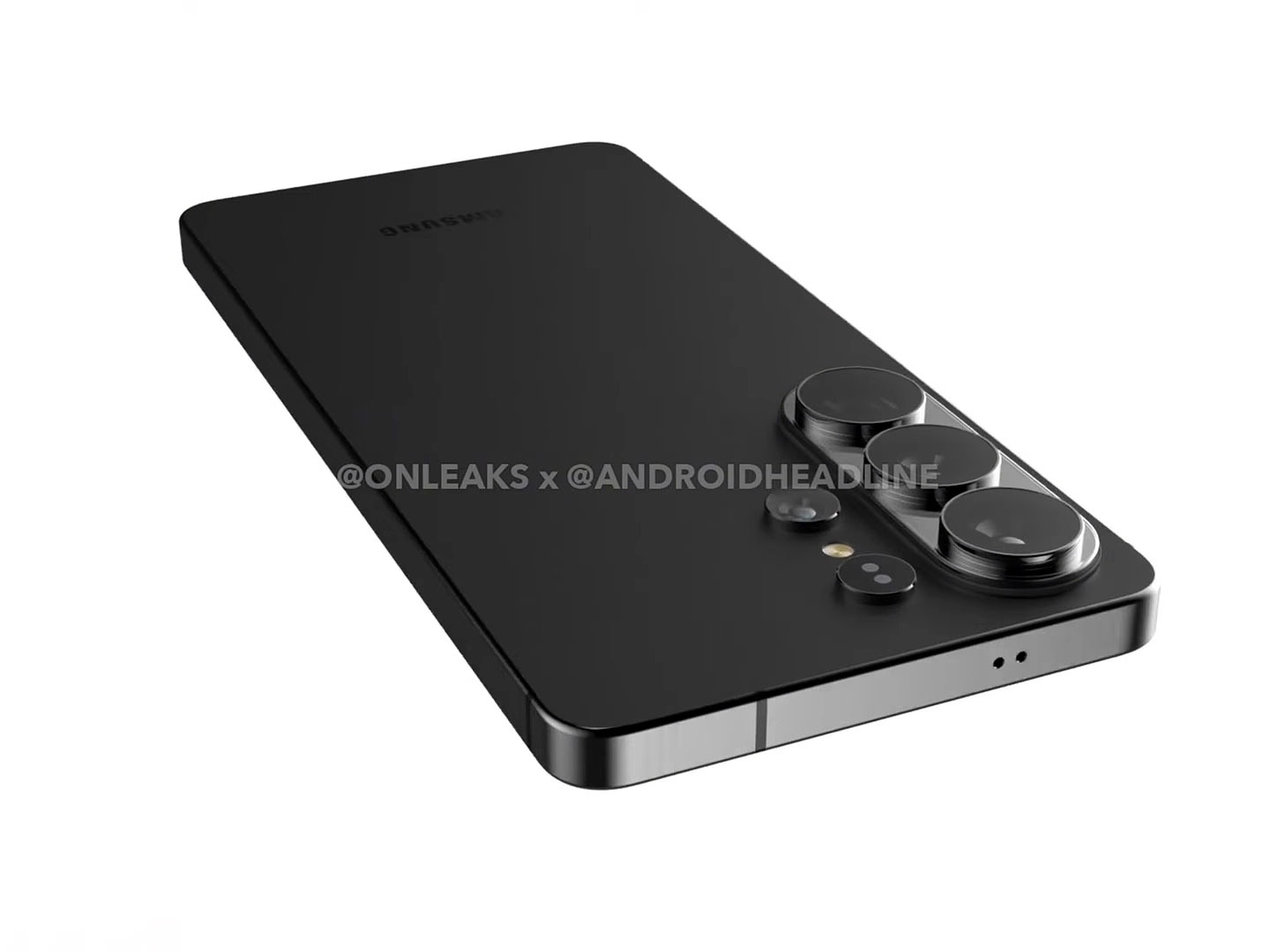
Faced with the Samsung DX refusal to sign a long-term contract locking in cheaper memory supply, the MX division will either have to increase the Galaxy S26, S6+, and S26 Ultra price, or skimp on possible specs upgrades. From the looks of it, it is choosing the latter. The Galaxy S26 Ultra, for instance, is already reported coming without any significant display, camera, or memory upgrades, and its only saving grace might be the redesign to make it more elegant, as well as the exclusive Snapdragon 8 Elite Gen 5 chipset.
Granted, this middling approach could allow Samsung to keep the $1299 starting price, but, given that the S25 Ultra is currently available for less than $900 on Amazon, it remains to be seen if the Galaxy S26 Ultra will be convincing enough to upgrade to.
 Add as a preferred source on Google


