




FCC eases drone import rules, but DJI drones don't make the ‘toy drone’ cut
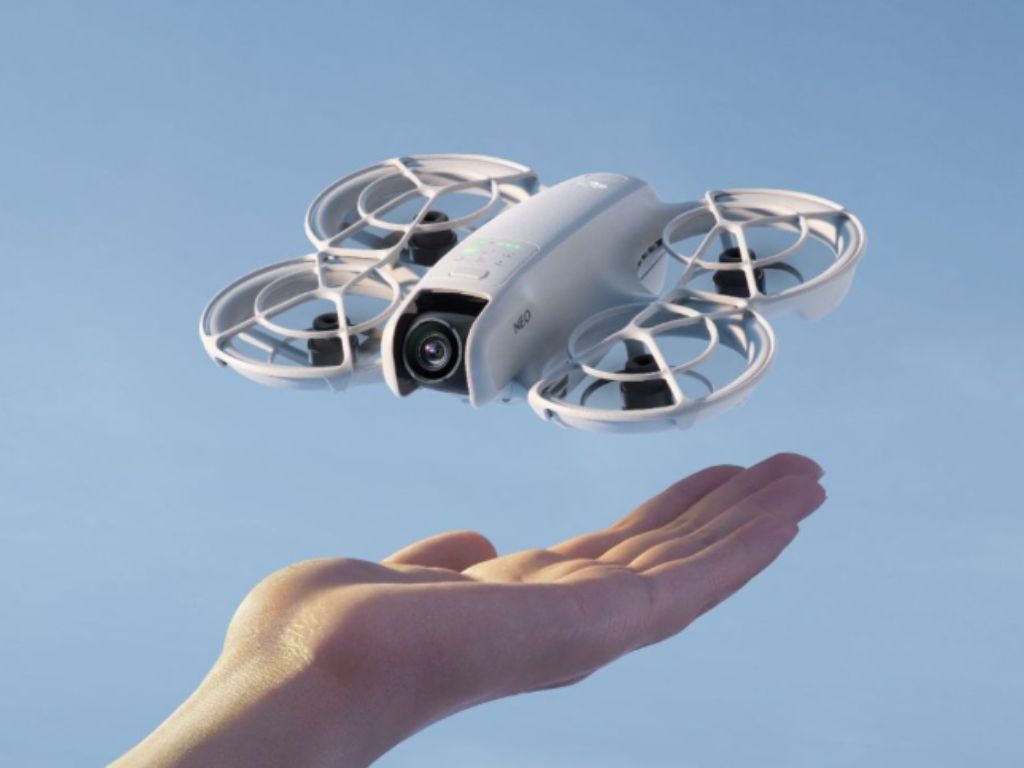
Following the DJI and broader drone import ban, the Federal Communications Commission has allowed a few exceptions for small Chinese-made “toy” drones to enter the U.S. market again. While it seems like a step in the right direction for consumer drones, this should have allowed DJI drones to make a comeback in the market and thaw the strict import rules that have been keeping drones out of the U.S. since December. However, this is far from reality, as the import rules remain restrictive enough to apply to anything an average drone user would want to fly.
According to the FCC, the agency was acting on a Pentagon determination that national security risks are not posed by “unsophisticated low-risk toys” that lack the “organic capabilities and features in range, endurance, sensing payload, connectivity, and data collection and storage” found in regular consumer drones.
The FCC implemented this order on June 15 as Public Notice DA-26-588, removing any qualifying toy drones and any foreign-made components they contain from the FCC’s Covered List.
Under the FCC’s criteria, qualifying toy drones must weigh no more than 150 grams, operate within 100 meters and within direct line of sight, and carry no cameras or sensors that can gather data or information. Furthermore, these toy drones should have no network or connectivity features and should fly for 10 minutes or less on a single charge.
Adding to the list of restrictions on “toy drones,” the FCC also requires no satellite or GPS navigation of any kind, no brushless motors, a maximum altitude of 300 feet, and a top speed of 22 miles per hour. In addition, these mini drones must be marketed and sold explicitly as toys.
Furthermore, these toy drones cannot be manufactured or imported by any company named in Section 1709 of the 2025 Defense Authorization Act.
No respite for DJI yet
So what does this mean for DJI? Currently, these stringent restrictions describe a category that hardly any DJI drones fit into. The lightest drone DJI currently sells is the DJI Neo, which weighs 135 grams, and considering it features a 12 MP camera, shoots 4K video, features a wireless link over several kilometers, GPS navigation, brushless motors, and 18 minutes of flight time, it fails to qualify for the “toy drone” category.
Moreover, even if DJI creates a drone that falls under the FCC’s toy-drone requirements, the company and its products would still remain featured on the Covered List.
Source(s)
 Add as a preferred source on Google


