




Counterfeit Samsung SSDs can now fake read/write speeds in popular benchmarks
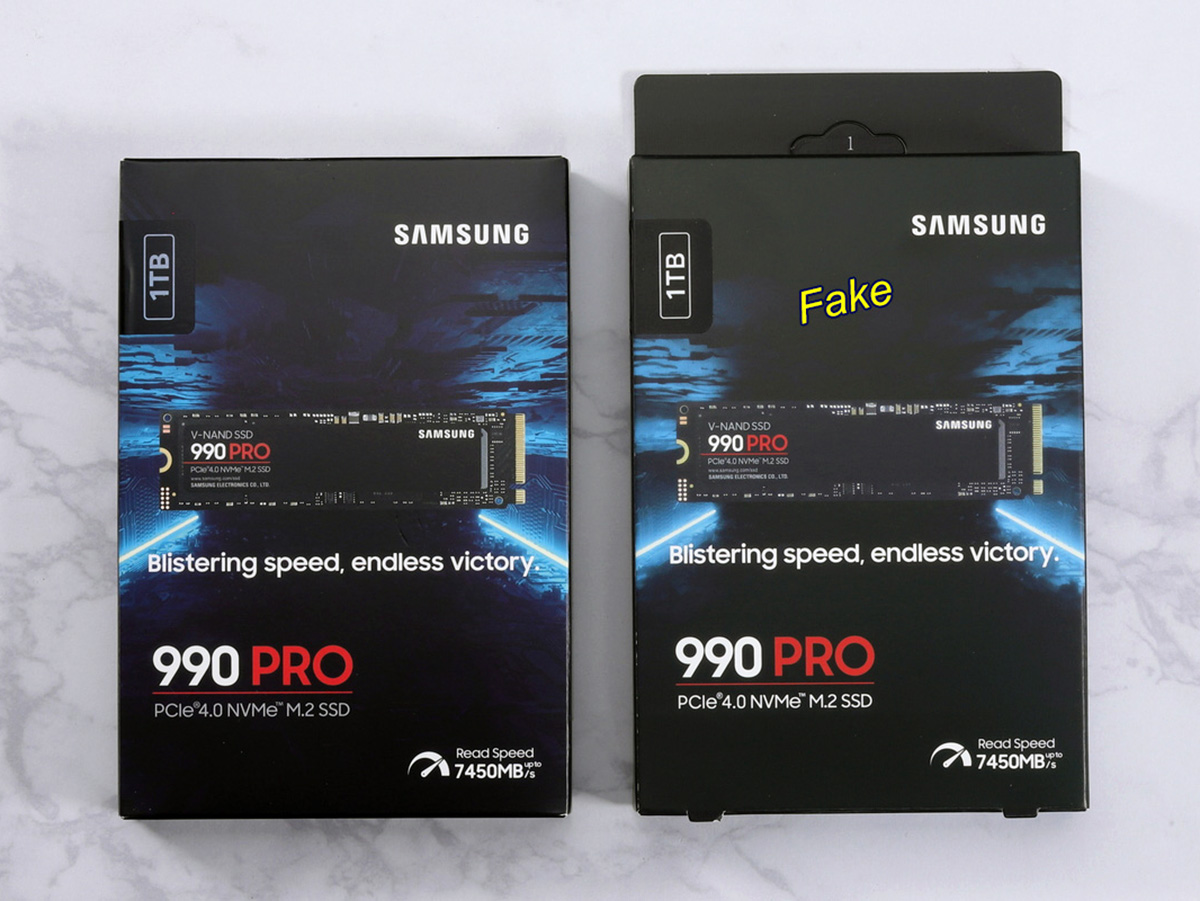
While RAM and storage prices are starting to ease up over a combination of geopolitical tensions and Google's new AI model compression algorithm, the run-up since November has doubled and tripled their price tags, ushering in a new wave of cheaper counterfeit SSDs that are unlike anything seen so far, as they can fool even popular benchmarking software. The price of a 1TB Samsung 990 Pro has now fallen under $200 on Amazon, for instance, but the fake version is half that price.
A Japanese hardware outlet bought one of the counterfeit 990 Pro 1TB units that are currently circulating in retail channels and showcased how close to Samsung's original packaging is the fake's box. One would need the genuine gear to spot the differences of a missing header here or a slightly blurred print there, as the packaging carries a convincing 990 Pro label, too, complete with a manual that mimics the genuine article almost perfectly.
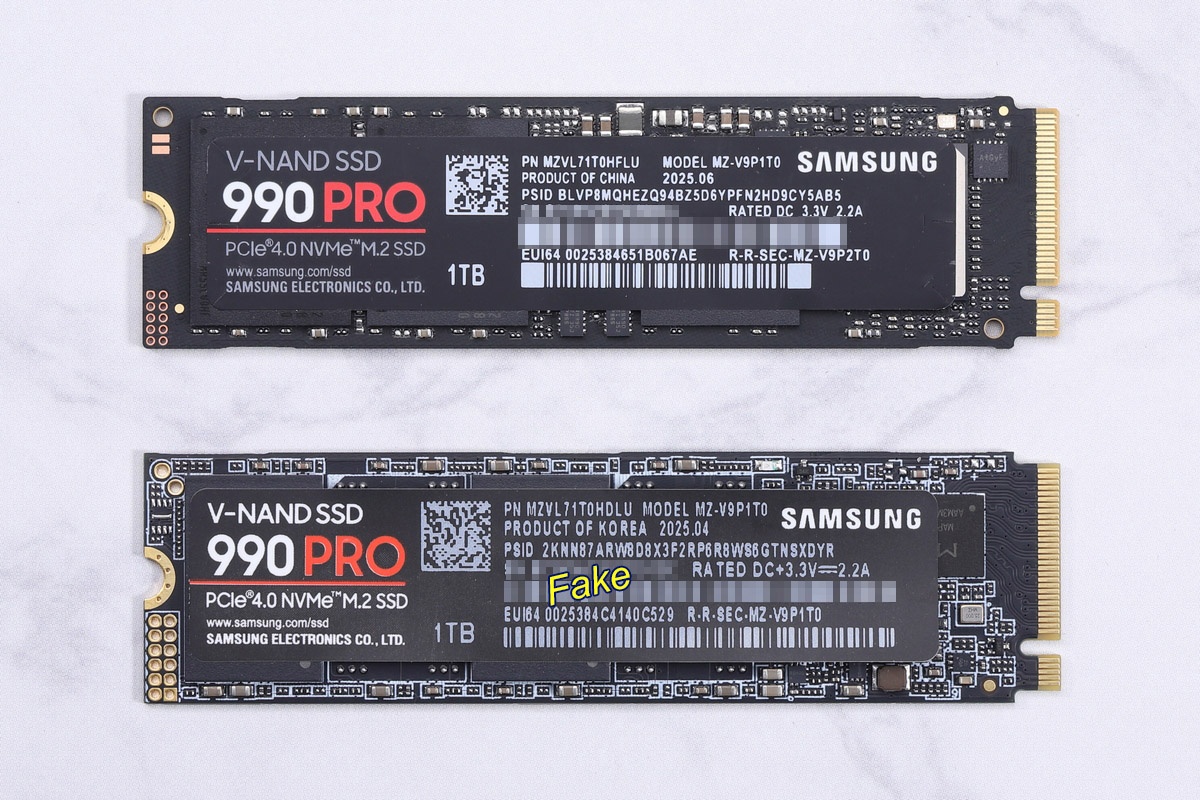
Ditto for the actual SSD, which the buyer could insert in their M.2 slot to start doing the usual CrystalDiskInfo benchmark read/write testing session. The counterfeit drive reported itself as a 990 Pro running PCIe 4.0 x4 and displayed a regular serial number. Not only that, but the sequential reads managed to hit 7,255 MB/s and write speeds, 6,090 MB/s, which are close enough to the real 990 Pro results to simply shrug and move on. What the fake SSD manufacturers are doing is likely the old trick to set up an aggressive SLC cache so that short sequential bursts can look respectable, as they know that is what CrystalDiskMark and similar tools measure.
How to spot fake Samsung SSD
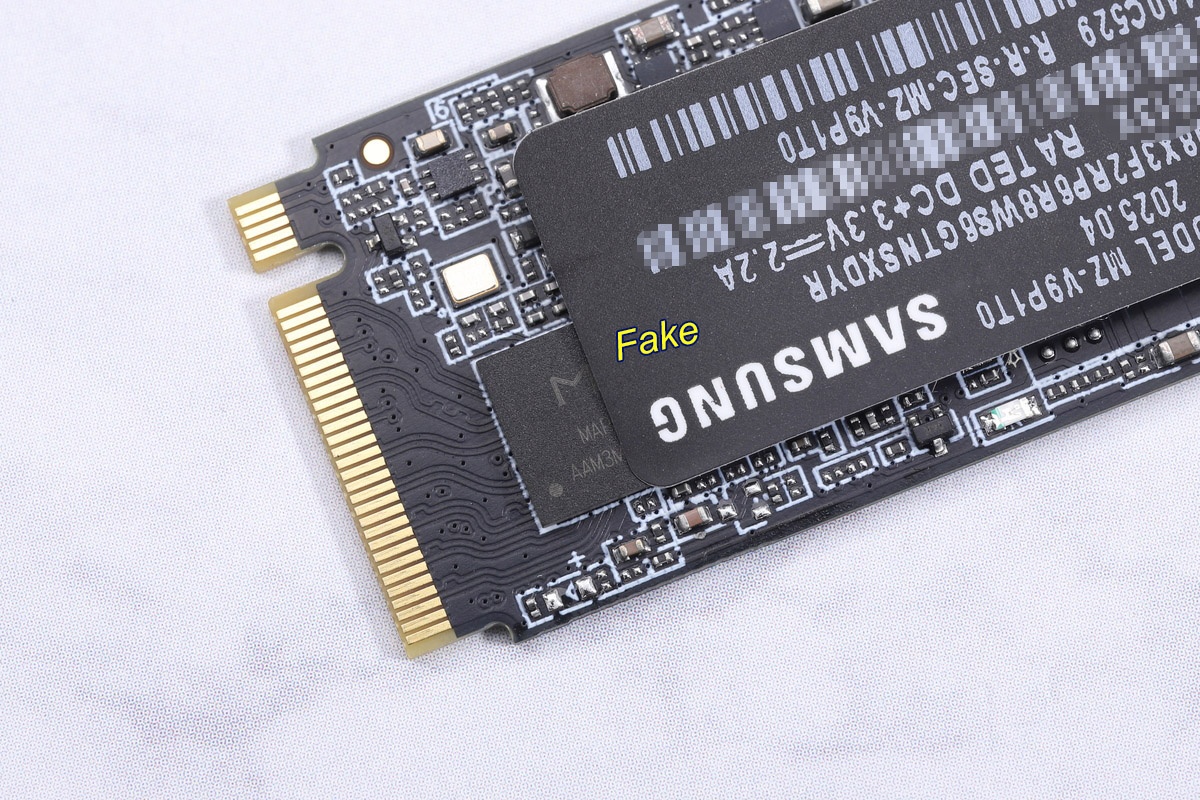
Besides blurred prints and missing packaging box headers, the counterfeit SSD itself shows some telltale signs that it is not genuine. Instead of Samsung's own controller and DRAM cache, the fake packs a Maxio MAP1602 with no cache whatsoever. The NAND is almost certainly cheap QLC, and the scam evaporated the moment the fast but limited SLC cache filled up. For transferring a 370 GiB video file, for instance, the counterfeit averaged 261 MB/s and took over 25 minutes to do, compared with an original 990 Pro that did the same job in 3.5 minutes, averaging 1,861 MB/s.
Samsung recommends that buyers use its own Magician benchmark software, which would not only show a non-existing "8888888" firmware version but also flag the drive as "Non-Samsung" despite the 990 Pro branding. The diagnostic scan, performance optimization, and encrypted drive features would all be locked out, too, and no five-year warranty would be displayed. The write endurance of the fake Samsung SSD would be anyone's guess at this point.
Ever since global memory prices started climbing at a breakneck pace, counterfeiters began spicing up their offerings, too, knowing that cost-conscious buyers would be even more enticed to score a "deal" on a premium SSD drive like the Samsung 990 Pro. In short, one should buy from authorized retailers at market prices or run their suspiciously cheap purchase through Samsung's Magician software, and if the firmware says "8888888" while the drive is flagged as "Non-Samsung," well, time to slap a return label on it.
Source(s)
 Add as a preferred source on Google


