




CD collections face a strange epidemic — discs are mysteriously cracking and shattering
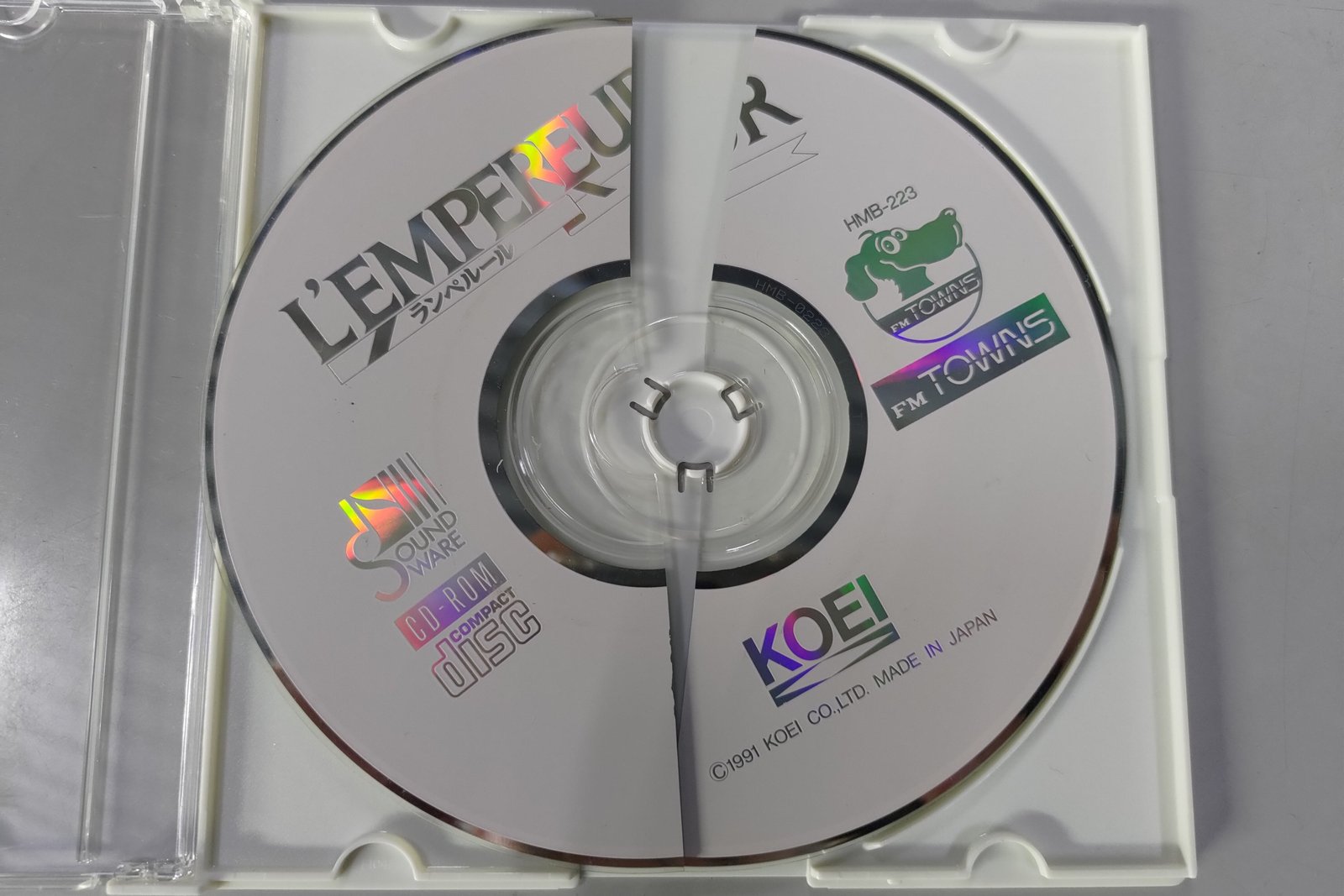
CDs and DVDs are already vulnerable to long-term data loss through problems such as bit rot and laser rot. Now, optical-disc collectors have another potential threat: some optical discs can physically crack or shatter after exposure to certain cleaning chemicals or fumes from storage materials.
The problem has recently come to wider attention after numerous optical-disc collectors on X shared photos of CDs that had split or broken into pieces despite showing no obvious signs of physical damage. According to the discussion, the failures may have been caused by degradation of the polycarbonate substrate — the plastic layer that makes up the body of a CD.
In one case, a collector said a CD broke while being gently cleaned and polished. The damage was attributed to chemical cracking of the polycarbonate caused by a diluted cleaning solution. Rather than being simple age-related deterioration, the chemicals may have weakened the plastic until it suddenly fractured.
Another, more severe case appears to have a different cause. A CD stored in a foam-padded protective case was found in multiple pieces. According to the explanation offered by users, some types of polyurethane foam can release ammonia-containing compounds over time. In a sealed case, these substances can accumulate and potentially weaken, craze, or crack the polycarbonate substrate of an optical disc.
The exact causes of the damage remain uncertain. The reported explanations are based largely on observations rather than controlled testing, so it would be too early to conclude that cleaning products or foam padding are definitely responsible for every case of this type. Nevertheless, the underlying chemistry is plausible. Certain aggressive solvents, including acetone and benzene, can damage polycarbonate, while prolonged exposure to less aggressive chemicals may also contribute to cracking under some conditions.
CDs may be particularly vulnerable to this type of damage because they rely on a single layer of polycarbonate. DVDs use two polycarbonate layers bonded together with adhesive, which makes them less susceptible to the specific type of substrate damage described in these cases.
In any case, this adds another problem to the already long list of threats facing physical optical media. CDs and DVDs can also suffer from bit rot and laser rot, in which the reflective layer degrades because of oxidation, contaminants, or ultraviolet exposure. DVDs can additionally experience separation of the adhesive between their two polycarbonate layers.
The latest cases are particularly relevant to collectors of old games, software, music, and other digital archives. Optical discs are often kept for decades as backups or historical records, but their physical durability does not guarantee that the data will remain accessible indefinitely. For long-term preservation, the safest approach is therefore not to rely on a single copy of an optical disc. Don't forget to back up!
Source(s)
 Add as a preferred source on Google


