




CheckMag | Aramid fiber phone cases are perfect for those looking for the naked feel while retaining decent protection
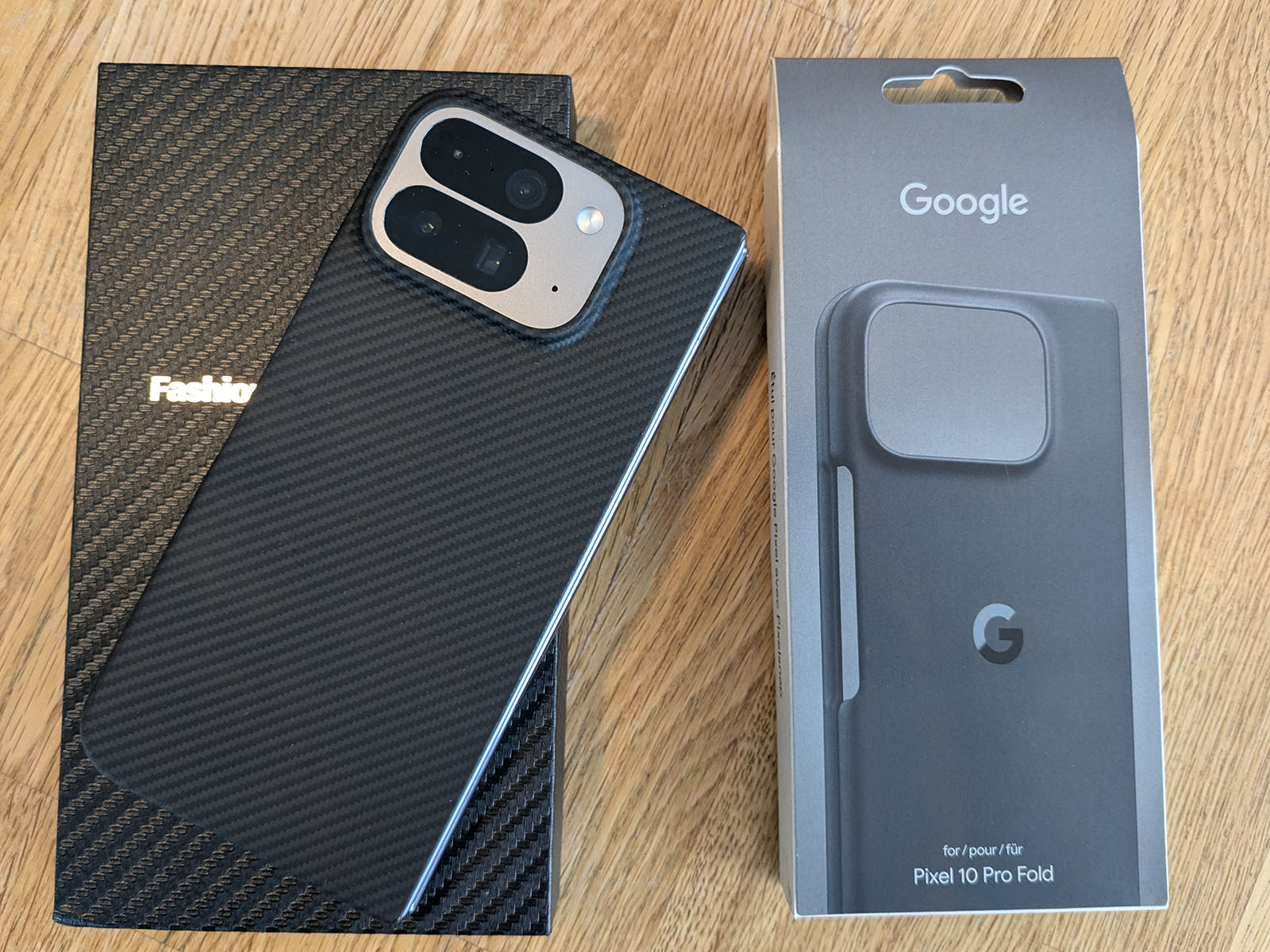
Phone manufacturers spend millions of dollars on creating highly desirable devices that are designed to look great. Most of us then proceed to cover our masterpieces of industrial design in generic looking slabs of black rubber and plastic.
Although there are a large number of people who are happy to carry their phones naked, for those who like to protect their investment, or might be classified as a clutz, some form of protection is required.
That protection might take the form of a D-Brand skin or a case the size of a small tank, depending on where you fall on the clutz scale.
For many, a skin is not enough protection for whatever daily life has to throw at you. However, one doesn't buy an iPhone Air, to then cover it in a slab of plastic, making it as thick as a regular iPhone.
Thankfully, aramid cases seem to strike a good balance between solid drop protection and unnecessary bulk.
Aramid is not carbon fiber
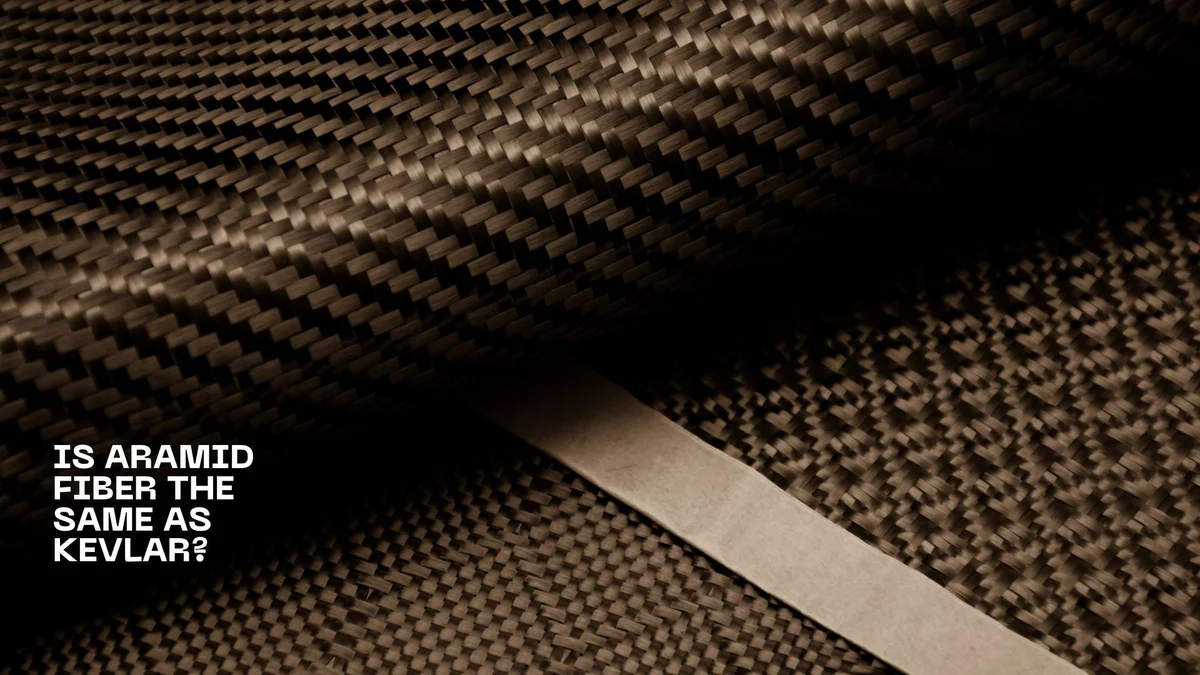
Although they may look very similar, carbon fiber is rigid and strong, but shatters easily. Aramid fiber, or "aromatic polyamide" fiber, excels in impact resistance. Aramid shares more similarities with Kevlar, which is used (among other things) in bulletproof vests. Both are aramid fibers, but Kevlar is the brand name of a specific aramid fiber called para-aramid.
Several companies sell aramid cases, including Mous, Pitaka, Latercase, and Thinborne, but equivalent products can also be found on Amazon or Aliexpress.
Some aramid fiber cases are as thick as regular plastic ones, choosing protection over bulk. However, some add as little as a millimeter to the overall thickness of your device. Buying a foldable, every millimeter counts when the device is already pretty thick, and if you are looking to retain the unique selling point of an iPhone Air, a thin case is pretty essential.
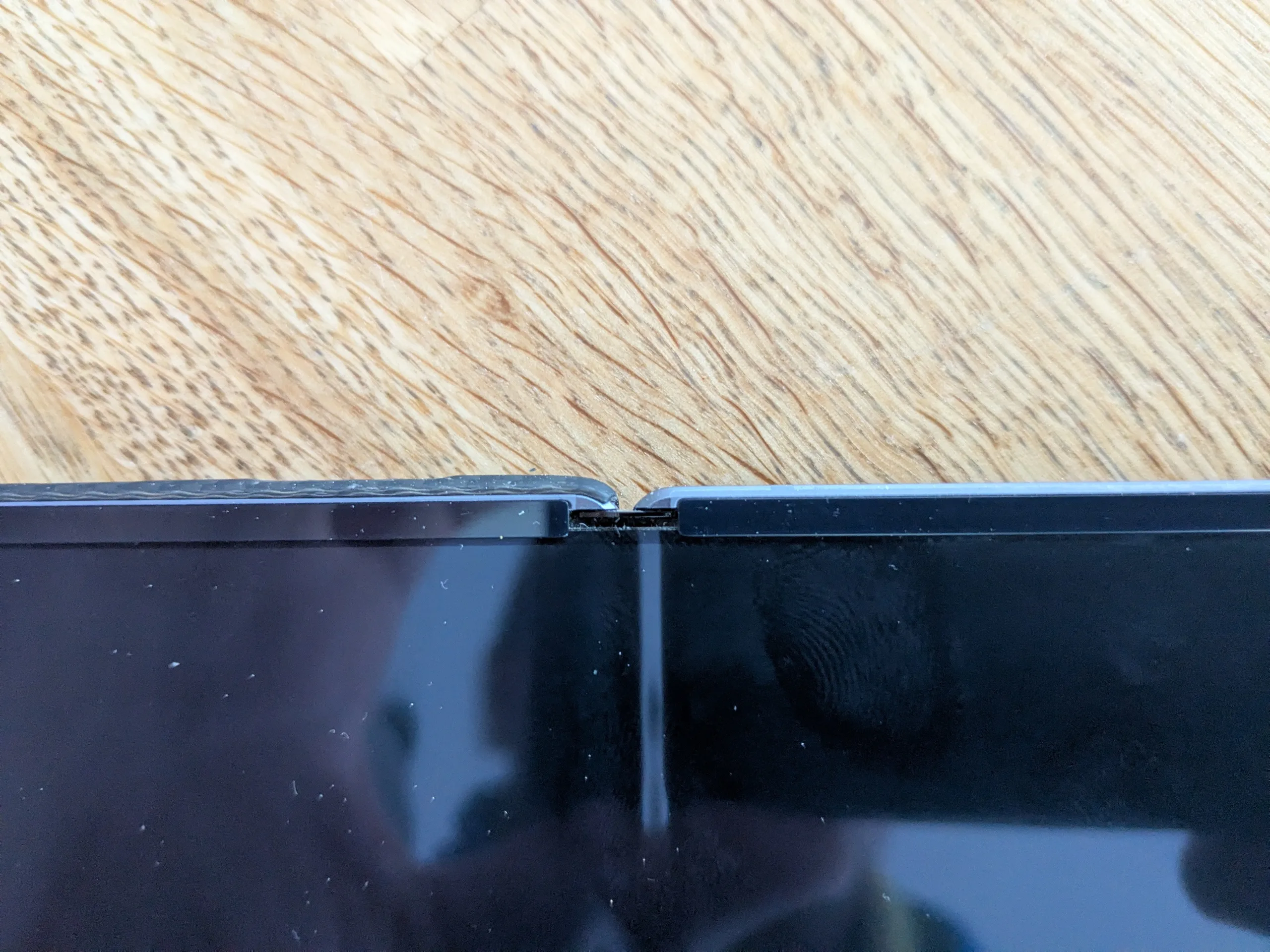
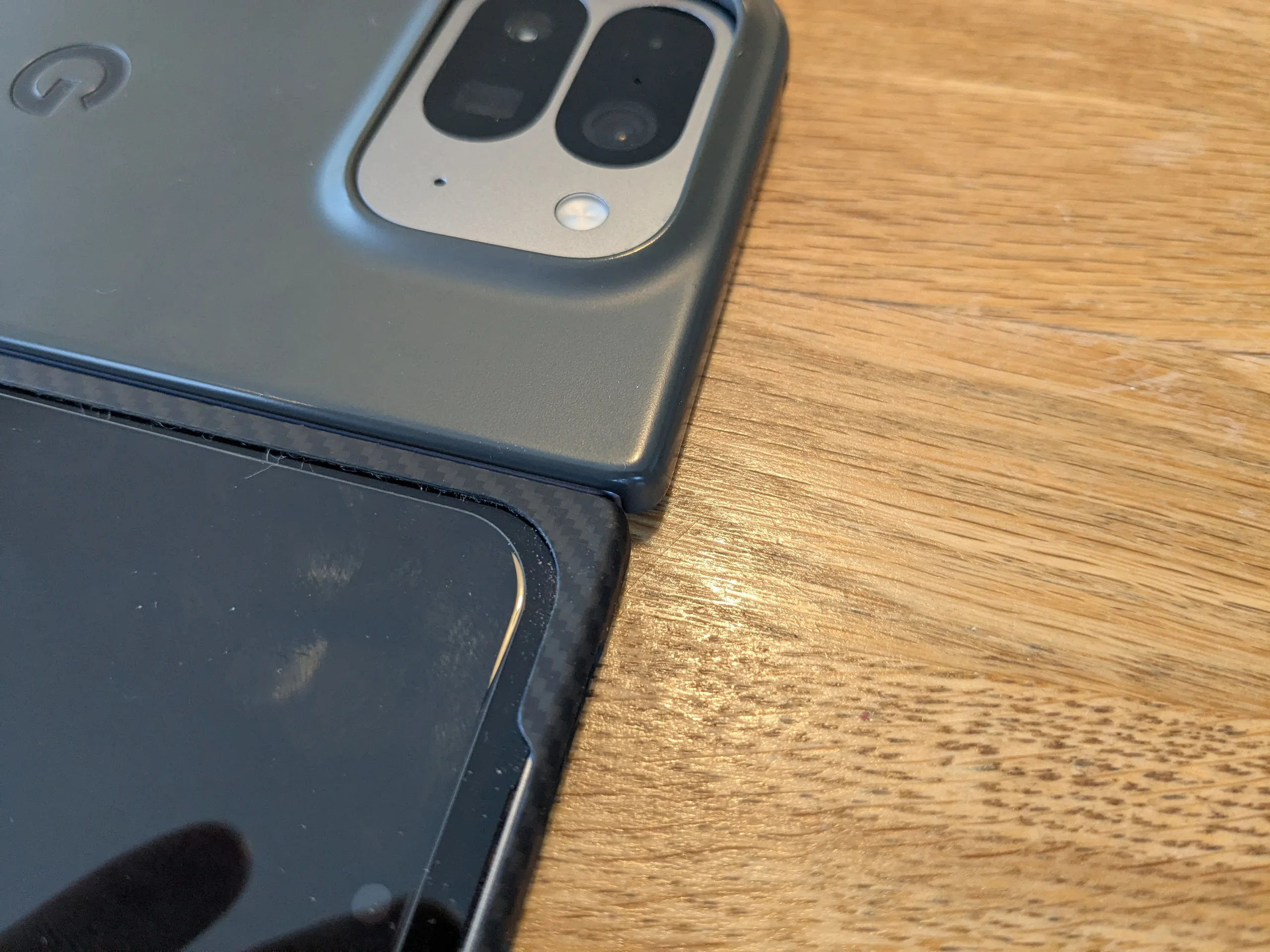
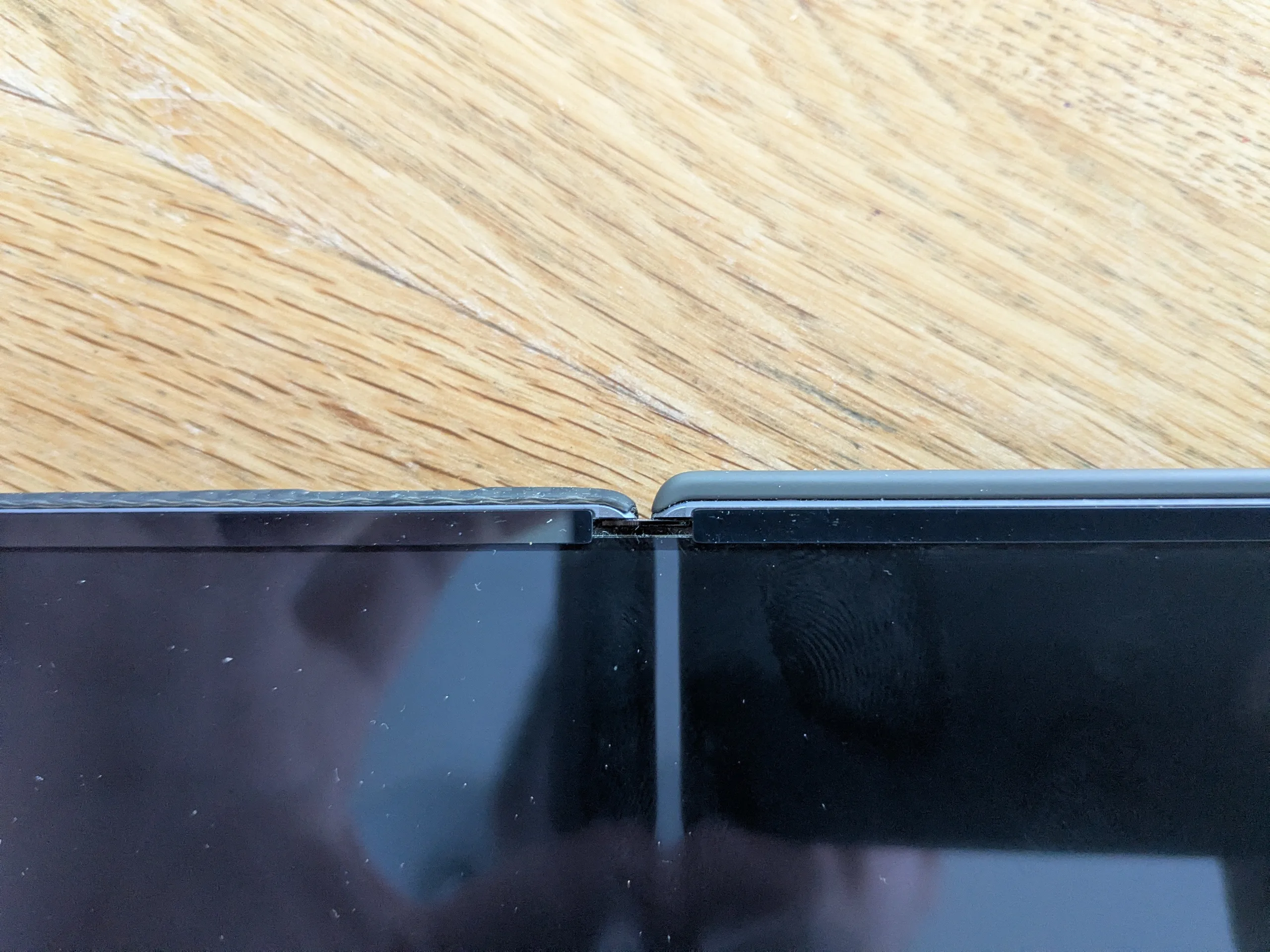
When I purchased my Pixel 10 Pro Fold (available on Amazon), my first instinct was to purchase the official Google case with it. However, after a few weeks with the case on, it quickly dawned on me how much extra bulk the case was adding to an already bulky phone.
Thinborne was the only company at the time offering aramid cases at approximately 1mm thickness, but not wanting to pay $89.98 for a phone case had me looking elsewhere, ultimately settling on one from Aliexpress at around half the price.
After an unusually quick delivery and thankfully no issues, the case arrived. The difference between the two was significant. Keeping in mind that the bulk of the official Pixel case goes all the way around the device, which adds close to 5mm to the overall height. The aramid case felt as close to a naked device as I was prepared to go, and felt rigid and solid despite the ultra-thin profile.
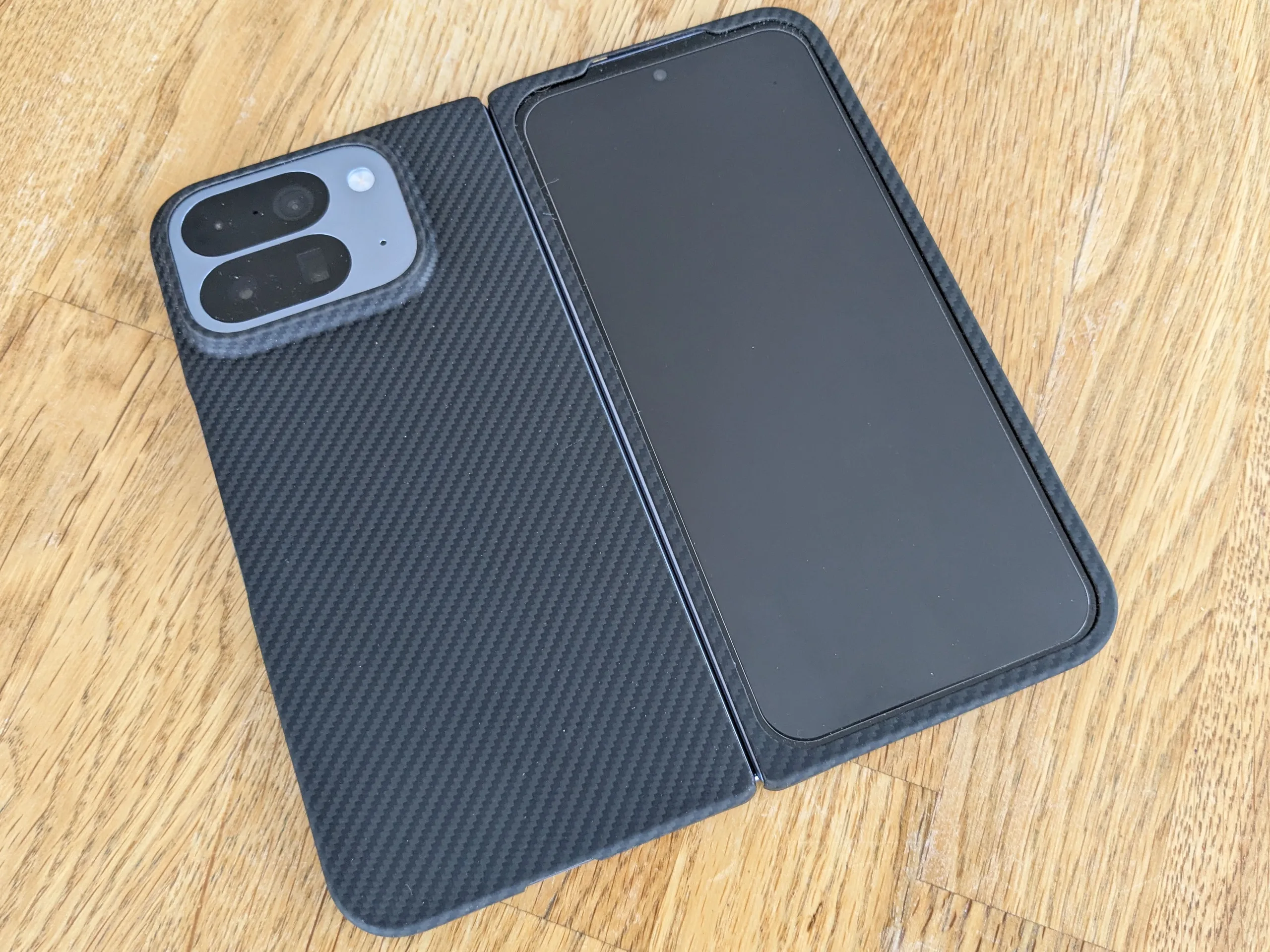
Have I tested it? Certainly not in any meaningful way, although I have had a few minor drops here and there onto forgiving surfaces. The case doesn't cover the hinge, and I'm not prepared to risk a significant chunk of change to drop it from a height onto a concrete floor. However, the aramid case gives me far more confidence that my device will be protected if the unforeseen does happen, certainly far more than a skin.
There is some discussion about whether aramid provides enough cushioning, instead, transferring the impact of a fall straight to the phone. However, a case is ultimately about what you feel comfortable with. Naked phones are not for me (even with insurance), and the expensive official Pixel case made me feel like I was carrying a brick in my pocket.
Aramid can be made so much thinner than any other cases I have tried in the past, and at the very least gives the illusion of decent protection.
Source(s)
 Add as a preferred source on Google


