




AI bubble starts to deflate: Dell ditches AI marketing for CES 2026
 CES 2026
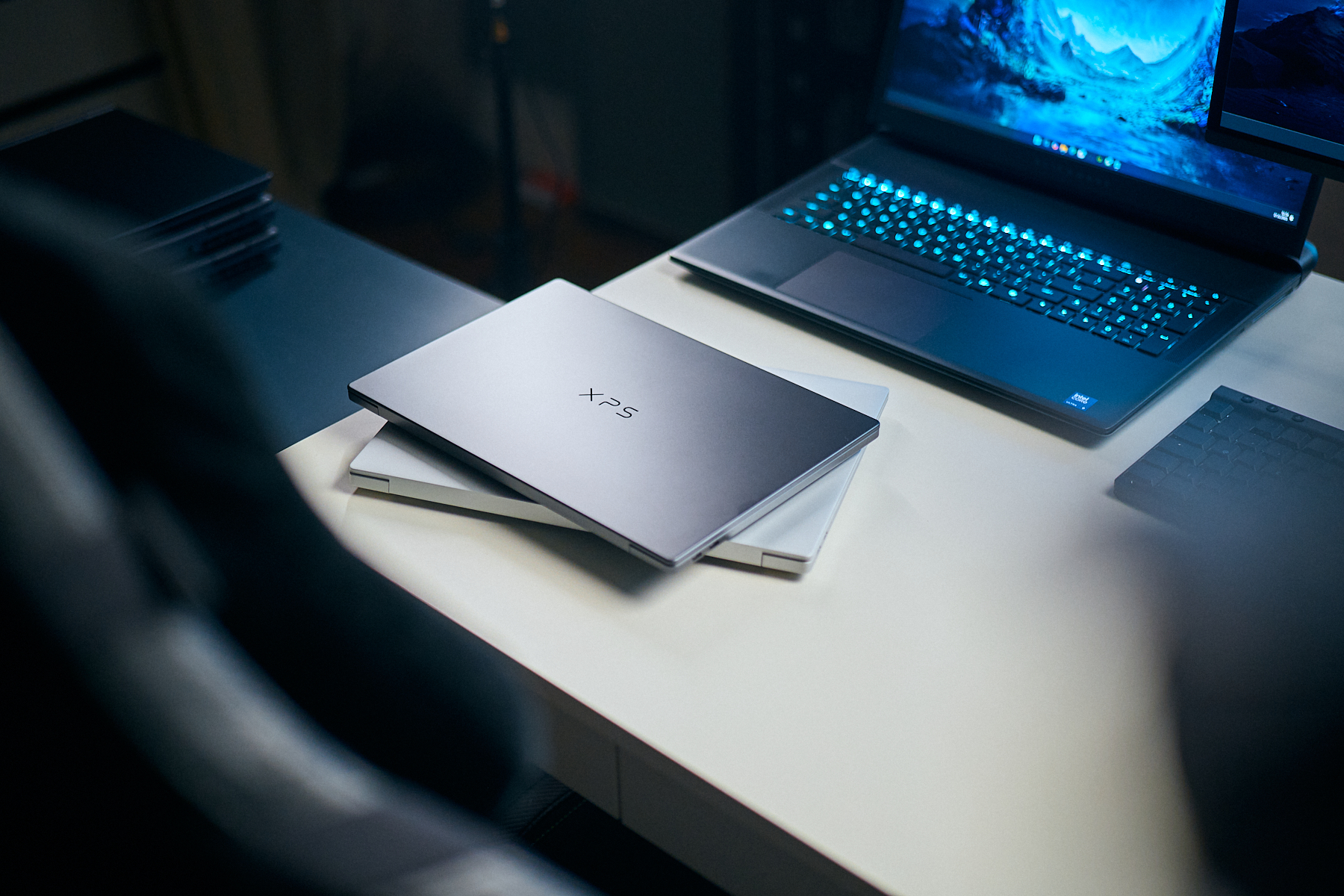
Like many large companies, Dell has sent out spec sheets and press information ahead of CES for the devices it plans to announce at the show. The new Dell XPS 14 and XPS 16, the Alienware 16 Area-51 laptop and desktop all have something in common that might not be obvious at first glance.
Although all three devices use chipsets that other manufacturers aggressively promote for their AI capabilities, Dell completely avoids the topic of AI in its marketing materials. More precisely, the entire set of materials mentions AI in just a single sentence. This sentence effectively serves as the closing line, which probably won’t be read by many, as it makes up the entire “About Dell” section that’s found in every press release. There is nothing more on the subject of AI. Has Dell moved away from AI and simply forgotten to update the footer?
PCGamer wanted to know more and asked apparently asked Dell. The company's Head of Product, Kevin Terwilliger, has given a straight answer:
We're very focused on delivering upon the AI capabilities of a device—in fact everything that we're announcing has an NPU in it—but what we've learned over the course of this year, especially from a consumer perspective, is they're not buying based on AI. In fact I think AI probably confuses them more than it helps them understand a specific outcome.
With this, Dell is effectively making a double reversal at CES this year by bringing back the XPS and pushing AI into the background. Last year, AI was a major theme in Dell’s press releases.
Ultimately, Dell’s approach is understandable. For consumers, local AI applications for text, image or video generation are still relatively difficult to access. Moreover, AI applications preinstalled by manufacturers and Microsoft usually offer little value. As an example, we would mention the 2023 LG Gram 17, which shipped with presence detection out of the box. Starting with the 2025 model year, the same feature is being marketed as an AI tool. Similar stories can be found at Dell, Acer, Asus and other laptop makers, who suddenly renamed regular software into AI features. To be fair, these programs now run on the NPU in the new processors from Intel and AMD, which allows them to run far more efficiently.
Last but not least, there is Copilot+. Since Microsoft Copilot doesn’t work offline, just like Gemini, ChatGPT and Grok, there is no clear added value in this feature either, unless users engage in more detailed research.
Source(s)
 Add as a preferred source on Google


