




iPhone Duo opening animation to appear on more foldables
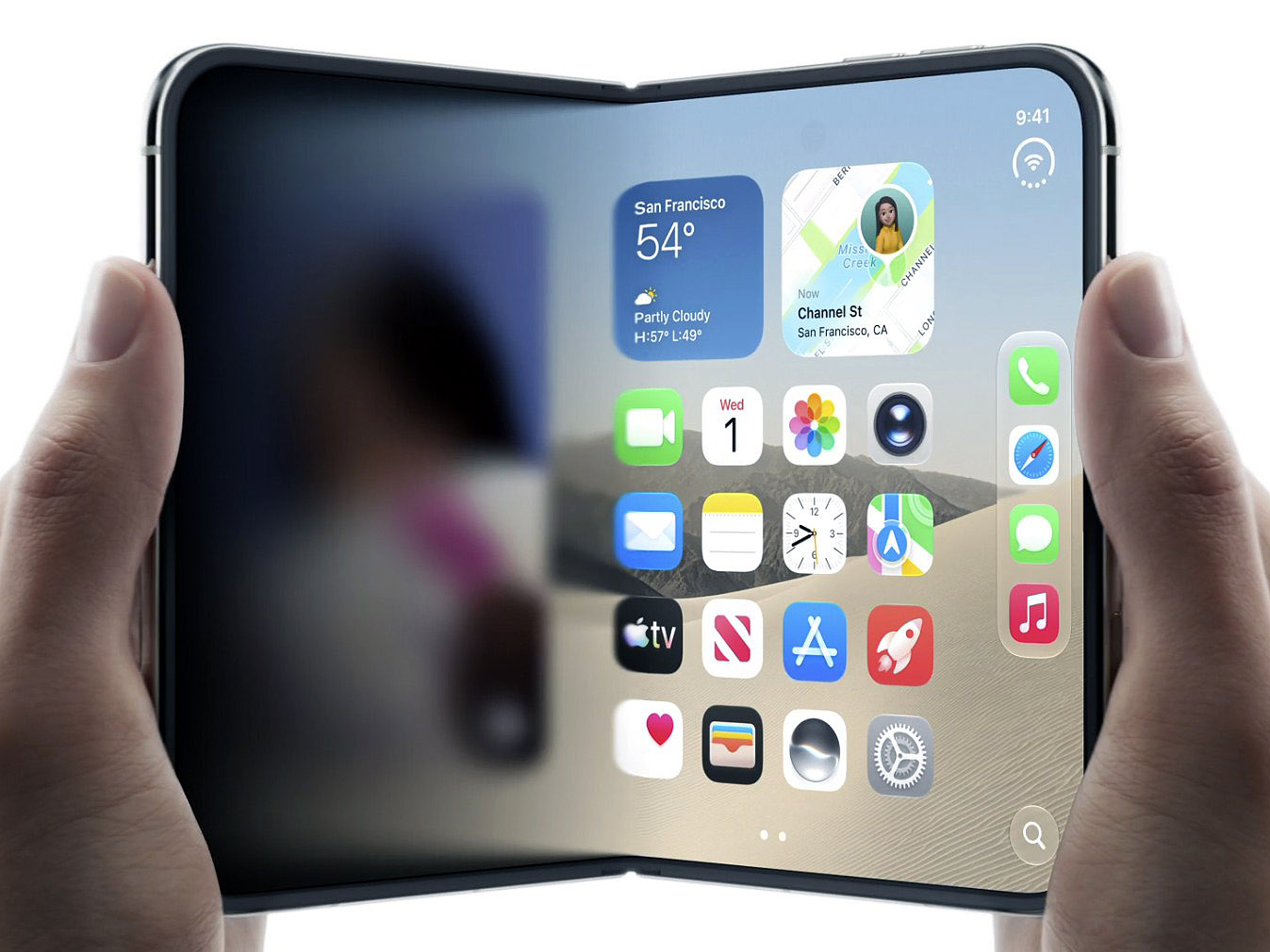
Apple has only just given the world its first proper foldable, the iPhone Duo, and rivals are already taking literal notes on how to copy some of its features. Not the hardware, as shorter, stockier foldables debuted way back with phones like the Oppo Find N2 that even then had a better camera.
The feature nobody expected to steal the show wasn't the screen or its crease, but a small software touch: when you fold or unfold the iPhone Duo, the display naturally blurs during the transition as if opening a transparent window, smoothing out what is usually a jarring screen shift on other foldables. It's subtle, it's satisfying, and within days a Reddit user had already rigged a Samsung Galaxy Z Fold 8 that got immediately discounted on Amazon to mimic the same effect using its hinge sensors. Now, according to a popular Chinese tech blogger, domestic foldable makers are reportedly studying the animation closely enough that someone has apparently already created a foldable with it.
Apple has a long history of shipping a design detail that looks nice to have, only for the rest of the industry to copy it en masse. The notch became a template, and so did Dynamic Island, which spawned a wave of pill-shaped cutout software on Android phones. Even things like Control Center and the swipe multitasking gestures introduced with the iPhone X eventually became baseline expectations.
The iPhone Duo's unfurling animation fits the same mold, as it is not a hardware innovation and it's not something exclusive to Apple like the A20 chipset, which is exactly why it will be easy to copy and why so many companies are apparently already trying.
Foldables have spent years fighting the perception that they're chubby and heavy, and their software is not taking full advantage of the screen real estate increase, so something as small as a smoother transition animation goes a long way toward making the category feel premium rather than experimental. Whether Chinese manufacturers ship their own version first or Samsung beats them to it with something official on One UI, Apple may have again standardized a daily device interaction.
Source(s)
 Add as a preferred source on Google


