




Ugreen NASync DXP2800 GT: How important is the lack of volume encryption?
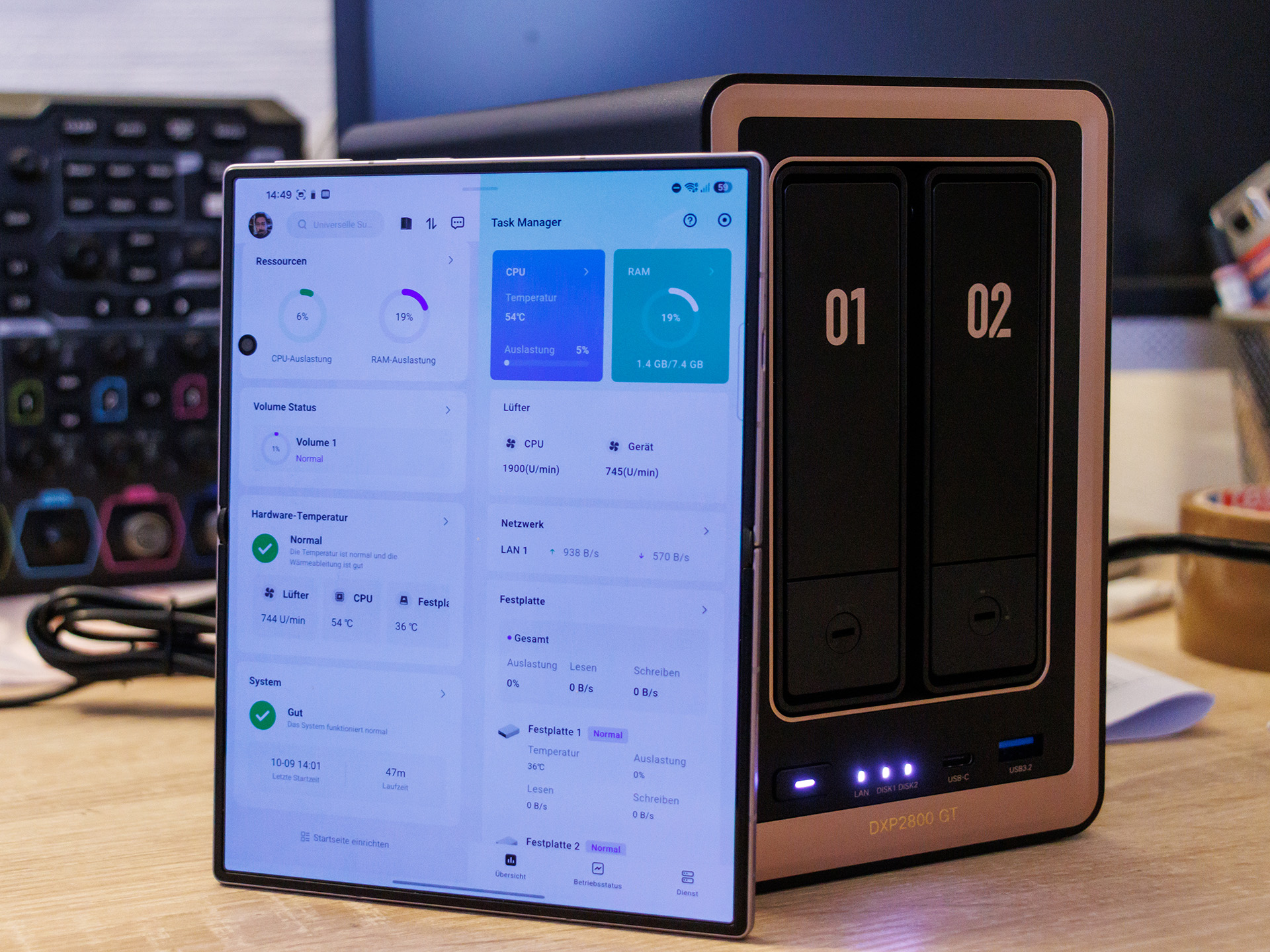
In our review, the Ugreen NASync DXP2800 GT impressed us with its powerful AMD Ryzen processor, 10GbE networking, and versatile storage options. The UGOS Pro operating system has also made significant progress. However, one feature is still missing: full volume encryption.
While individual folders can now be encrypted, the distinction is important. Volume encryption protects an entire storage volume. If hard drives are removed or the NAS itself is stolen, the data remains unreadable without the appropriate encryption key. However, this assumes that the volume is locked and the key has not also fallen into the wrong hands.
Encrypted folders as an alternative
On the DXP2800 GT, users can store sensitive documents, photos, or backups in encrypted folders. For home users, this may often be sufficient. However, users must ensure that confidential files are not accidentally stored outside these protected locations.
Applications may also store thumbnails, temporary files, or databases elsewhere on the system. Full volume encryption would reduce these risks, provided the relevant data is stored on the encrypted volume.
More security, less convenience?
Encrypting entire volumes also has its drawbacks. It requires additional processing power, although modern processors generally handle encryption efficiently. Encryption keys must also be stored securely. If a key is lost, the data may become permanently inaccessible.
For the DXP2800 GT (buy on Amazon), the lack of volume encryption remains a drawback, but not necessarily a dealbreaker. Users who primarily rely on the NAS as a media server or for personal network storage should find folder encryption sufficient. For confidential business data, however, more comprehensive protection would be desirable.
It is also important to remember that even full volume encryption does not protect against malware or unauthorized network access when the volume is unlocked. Regular software updates, properly configured access permissions, and independent backups remain essential.
 Add as a preferred source on Google


No comments for this article
