SwitchBot Keypad recognizes vein patterns and faces for effortless unlocking
Keypad Vision Pro: Keypad with a number of unlocking options. (Image source: SwitchBot)
The SwitchBot Keypad Vision Pro is a new and particularly powerful keypad for unlocking smart locks. Various unlocking methods are supported, including contactless unlocking.
The SwitchBot Keypad Vision Pro is now available with a 20% discount, bringing the RRP of $130 down to $104. In the UK, the device is priced at £170, but also comes with a discount of £30. As for Europe, however, it is currently still in the pre-order stage for €170 (also with a €30 discount), with shipping expected in mid-February.
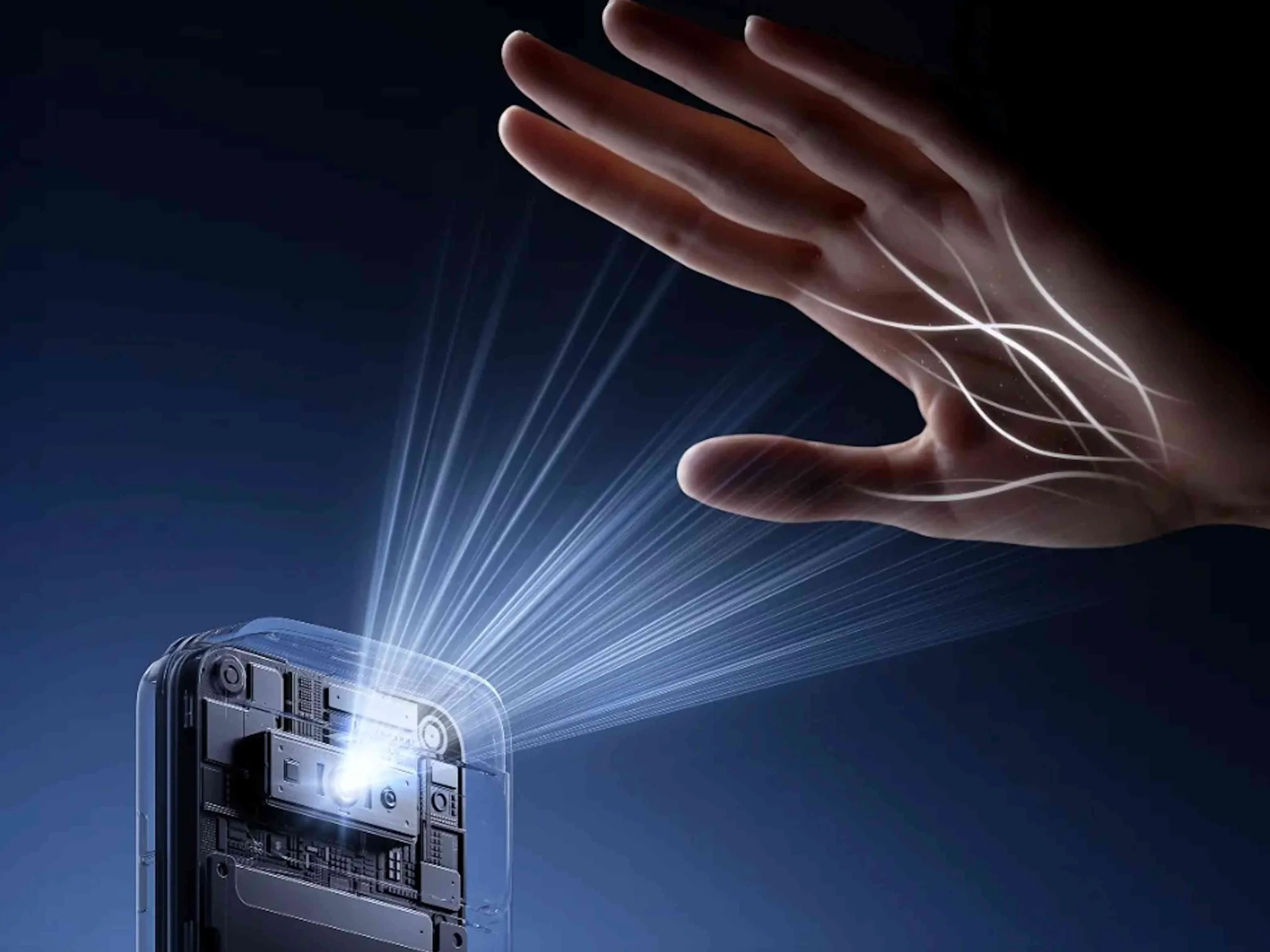
The SwitchBot Keypad Vision Pro is just the keypad itself and not a complete smart lock. Hence, a SwitchBot Lock Pro is also required. Several unlocking methods are supported, of which the most prominent is facial recognition. This isn't simply a visual comparison, as the SwitchBot Keypad Vision Pro creates a three-dimensional scan. This means the keypad is unlikely to be tricked by a photo. Facial recognition can be useful when your hands are full.
Other unlocking methods include the scanning of the individual vein profile in the palm of the user's hand or their fingerprint. Passwords are also supported and can be easily entered using the keys. Lastly, an app and NFC cards can also be used for unlocking.
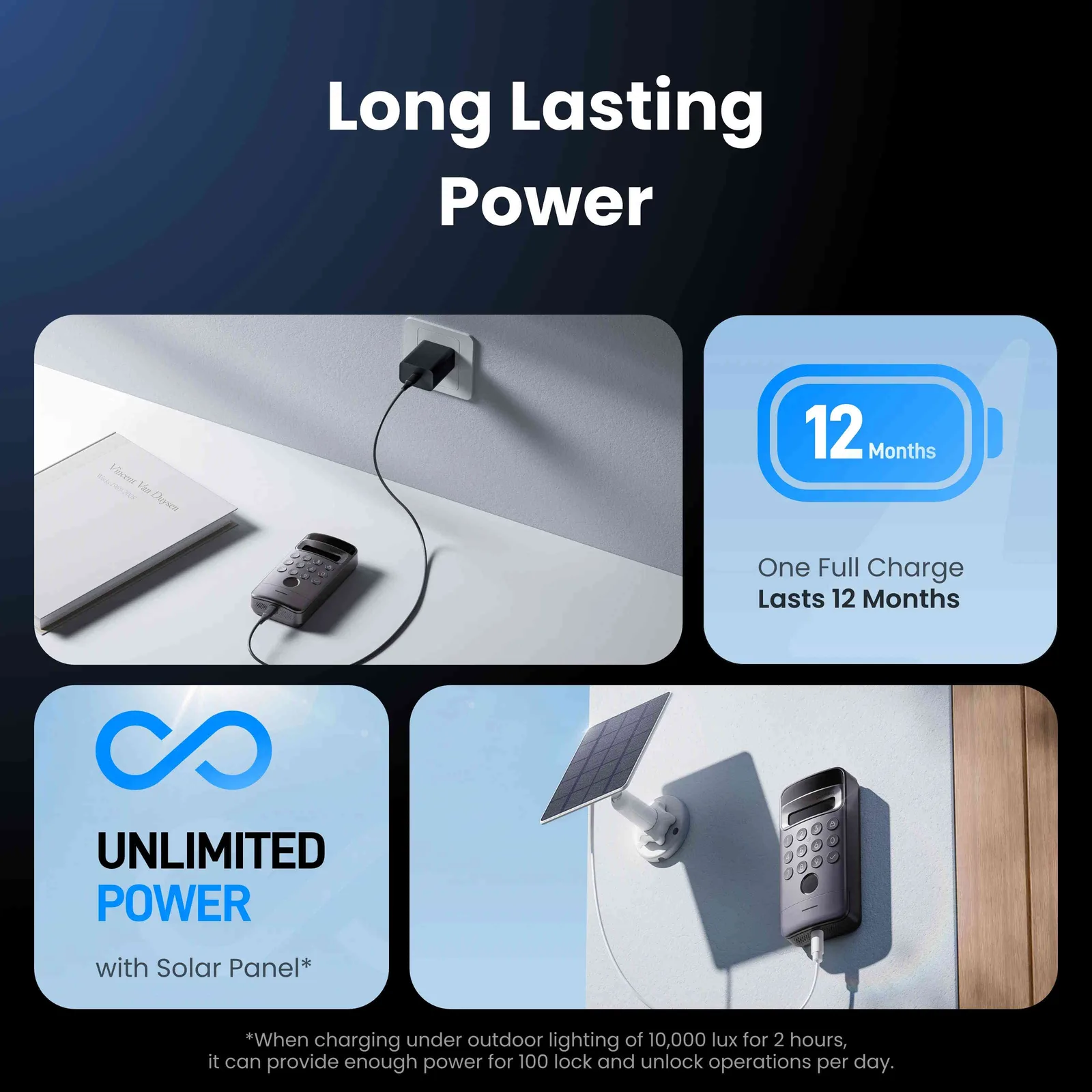
A lithium battery with a battery life of up to one year is installed, and a fixed power supply is available as an option. Furthermore, the device may be suitable for commercial applications, as palm vein profiles for up to 100 users can be stored.
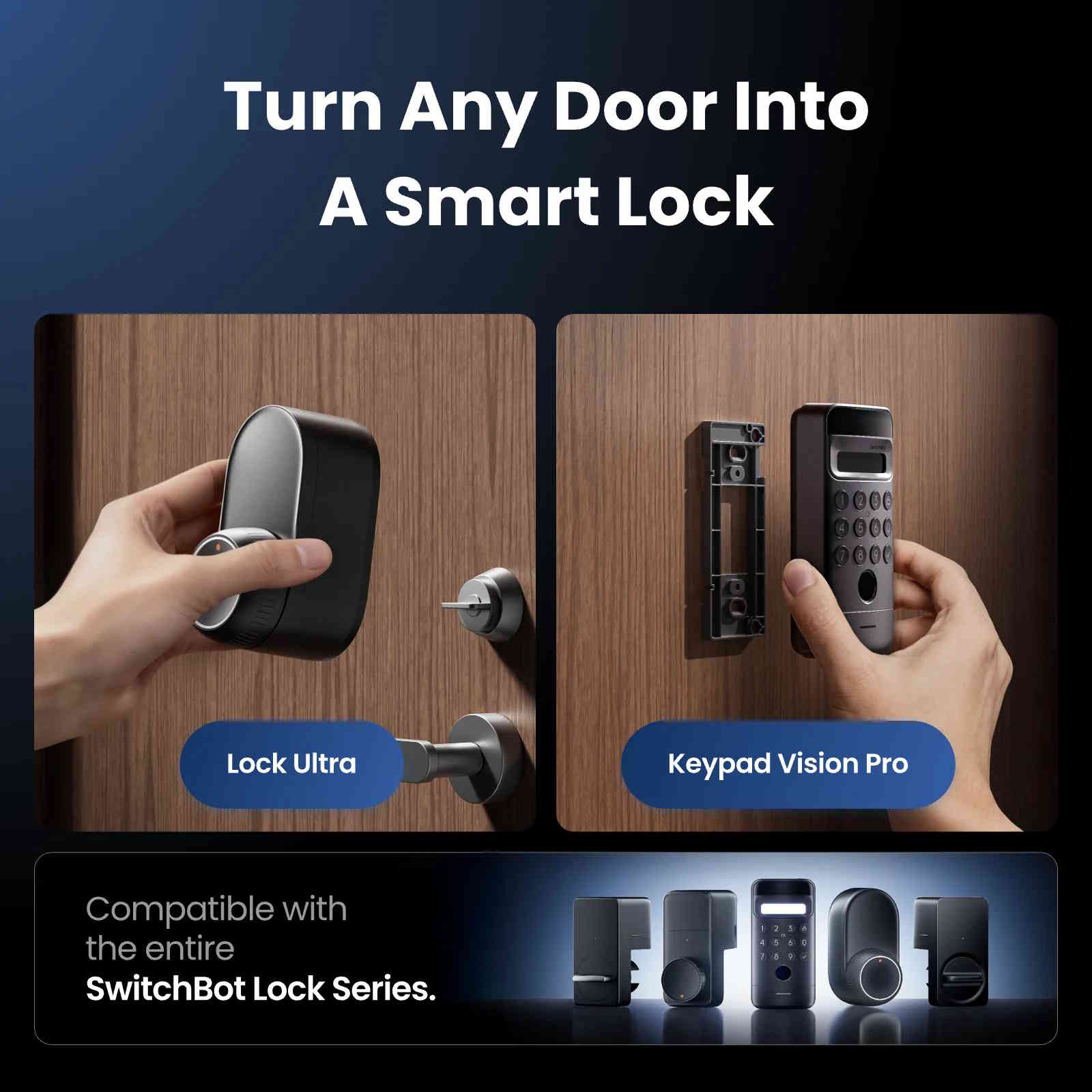
The Keypad Vision Pro is compatible with all SwitchBot locks. (Image source: SwitchBot)
It can also be powered by a solar panel. (Image source: SwitchBot)
Editor of the original article:Silvio Werner - Senior Tech Writer - 16339 articles published on Notebookcheck since 2017
I have been active as a journalist for over 10 years, most of it in the field of technology. I worked for Tom’s Hardware and ComputerBase, among others, and have been working for Notebookcheck since 2017. My current focus is particularly on mini PCs and single-board computers such as the Raspberry Pi – so in other words, compact systems with a lot of potential. In addition, I have a soft spot for all kinds of wearables, especially smartwatches. My main profession is as a laboratory engineer, which is why neither scientific contexts nor the interpretation of complex measurements are foreign to me.
Translator:Jacob Fisher - Translator - 2691 articles published on Notebookcheck since 2022
Growing up in regional Australia, I first became acquainted with computers in my early teens after a broken leg from a football (soccer) match temporarily condemned me to a predominately indoor lifestyle. Soon afterwards I was building my own systems. Now I live in Germany, having moved here in 2014, where I study philosophy and anthropology. I am particularly fascinated by how computer technology has fundamentally and dramatically reshaped human culture, and how it continues to do so.