




“Steam players hate Valve hardware”: Steam Machine price and purpose divide the community
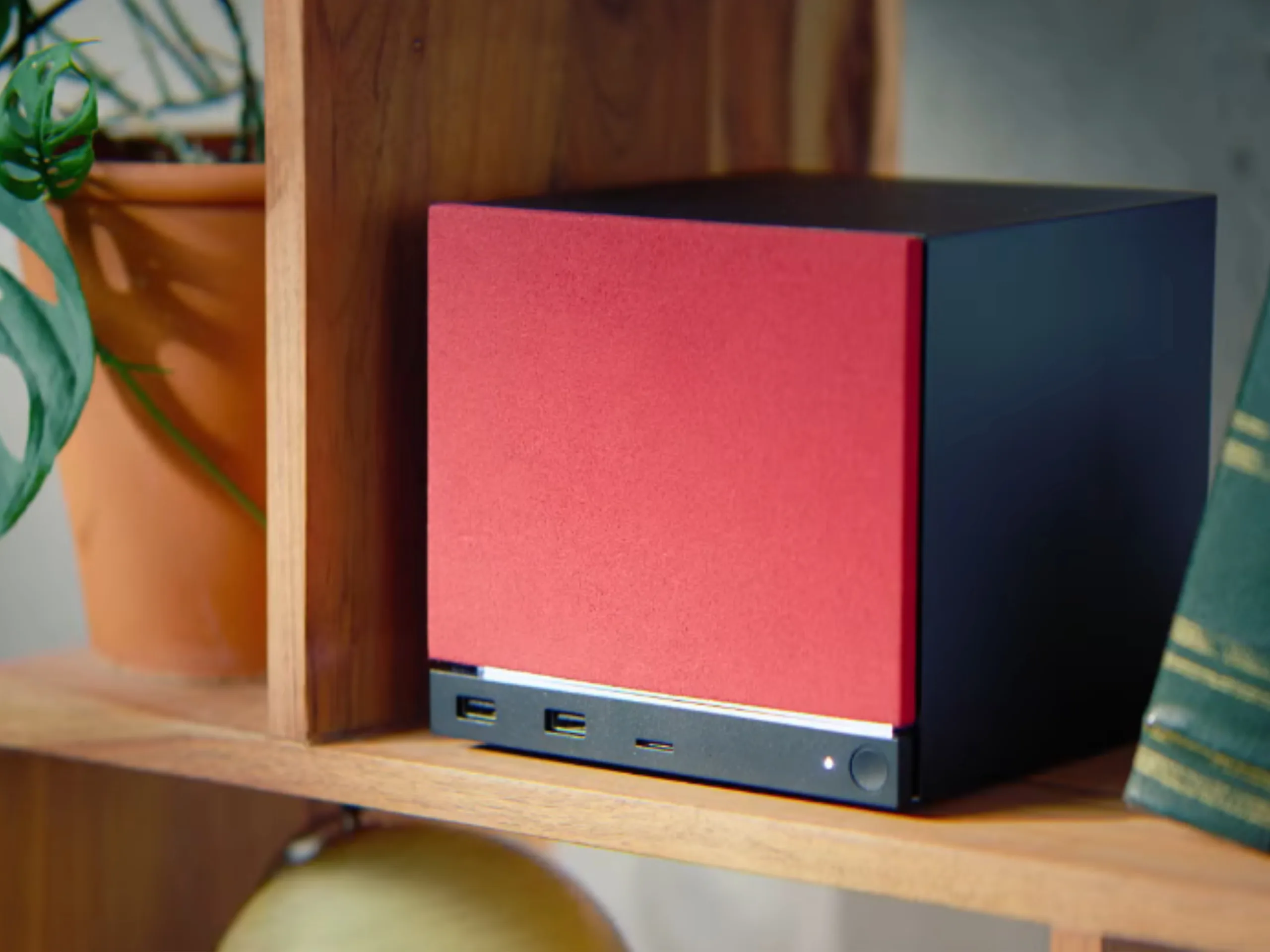
A heated debate about the Steam Machine has erupted on Reddit. In a thread titled “RANT: Steam gamers hate Valve hardware,” more than 170 comments were posted within five hours. The community is split into two camps. Thread creator u/Ayzuki criticizes what they see as many PC gamers reflexively dismissing Valve hardware. Instead of discussing the actual concept, the debate often comes down to whether a self-built gaming PC would be more powerful or cheaper.
For many users, the Steam Machine is interesting less because of its price or raw performance and more because of its concept: a living-room PC with SteamOS and direct access to the user’s Steam library – without driver hassle or hours of optimization. Some would apparently be willing to pay a little more for that experience or accept some performance trade-offs. In this context, many also point to the Steam Deck, which is not the most powerful handheld compared with rivals such as the Asus ROG Ally X or Lenovo Legion Go but remains one of the most popular devices of its kind thanks to its ease of use and Steam integration.
For the other side, however, the Steam Machine will ultimately stand or fall with its price. According to current rumors, the console could cost more than $1,000. If Valve actually charges a high three-digit or even four-digit price, the overall package would have to offer more than just a compact PC with SteamOS and 4K support. That is where many objections come in: users familiar with hardware could potentially build a more powerful living-room PC for similar money – or simply stick with a traditional console.
Compatibility and target audience raise further questions
There is also the question of game compatibility. Valve has made major progress with Proton and the Steam Deck, but some popular multiplayer titles still have problems running on Linux, mainly because of anti-cheat systems. Fortnite, Apex Legends and Valorant are among the affected games. Some users therefore doubt that the Steam Machine will be attractive enough for mainstream gamers if many major online games do not run or only work with limitations.
The target audience is also controversial. Supporters see the Steam Machine as a simple bridge between console and PC. Others, however, question who exactly is supposed to buy the device: PC enthusiasts tend to already have more powerful hardware, while console gamers are often firmly tied into the PlayStation, Xbox or Nintendo ecosystems. In the end, the Steam Machine could primarily appeal to existing Steam fans – in other words, the very group that already uses gaming PCs or handhelds anyway.
Overall, the discussion shows less outright dislike of Valve hardware than a fundamental divide within the Steam community. While one side judges the Steam Machine by classic PC standards such as price and performance, the other primarily sees it as a convenient living-room solution for an existing Steam library. Whether Valve can reconcile both expectations will likely depend above all on price and game compatibility.
 Add as a preferred source on Google


