Steam ‘Friendslop’ game goes viral: Tips every beginner should know for Meccha Chameleon
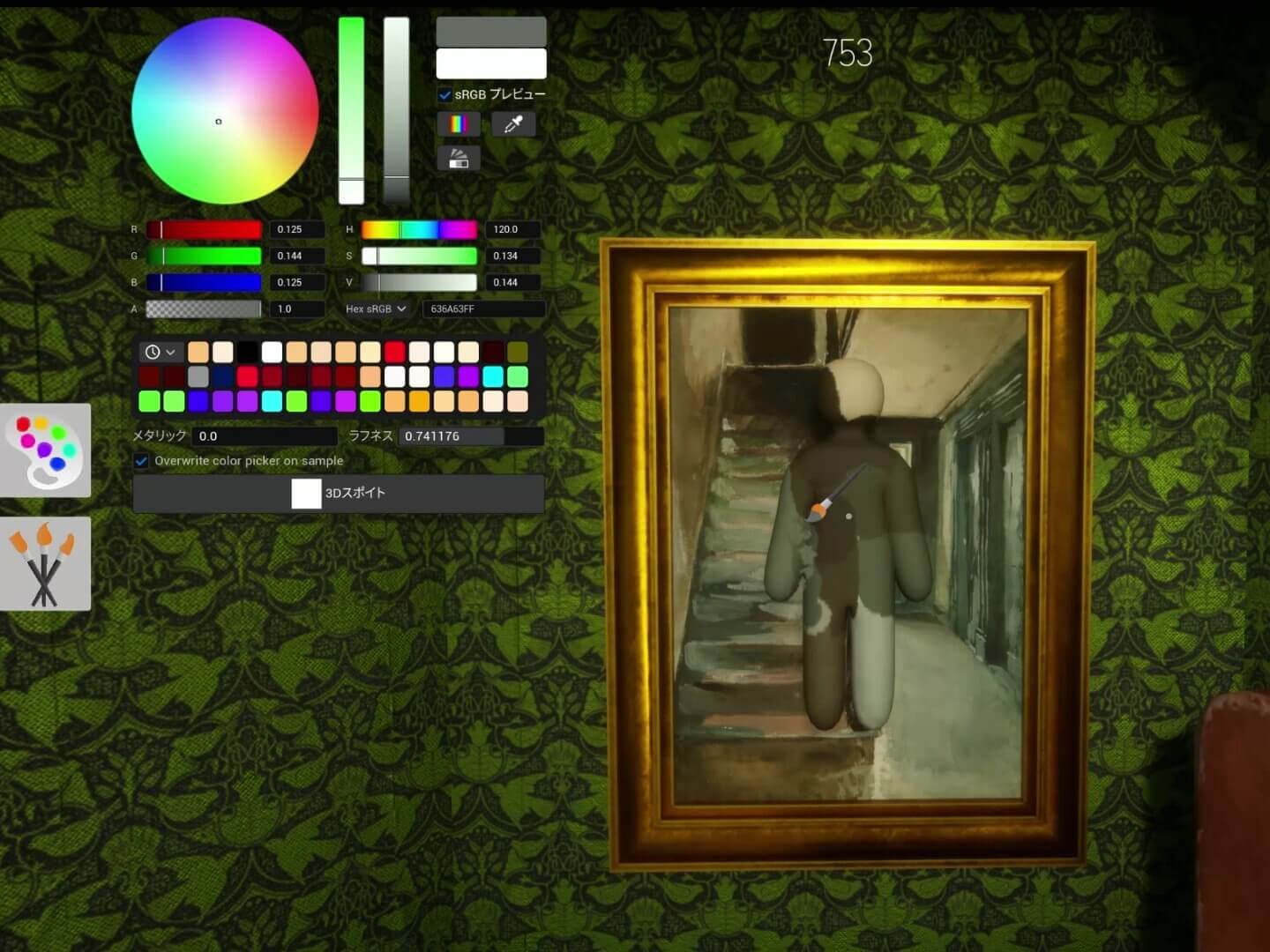
The multiplayer hide-and-seek game Meccha Chameleon, released on June 10 by Japanese developer lemorion_1224, is currently experiencing rapid player growth on Steam. The new indie game is a blend of casual, stealth and party elements with a focus on digital hide-and-seek. It is reminiscent of Prop Hunt.
More than three million copies of the title were sold (corresponding to roughly $15 million in revenue) within just a few days of its official release. According to SteamDB data, the number of players peaked at 231,088 concurrent players, while the game reached more than 57,000 concurrent viewers on streaming platform Twitch. The title is available for download on Steam for $5.99 and is playable on the Steam Deck, as well as on other handheld PCs.
What Meccha Chameleon is about?
The game offers asymmetrical online PvP where players are divided into two teams: the Hiders and the Seekers. At the start of a round, the Hiders begin as white characters and must find a strategic position and use the integrated brush to match their body color to the background, much like a chameleon. Specific poses must also be assumed to complete the optical illusion. The Seeker team then works under time pressure, visually analyzing the area to detect even the slightest variations in patterns, silhouettes or color tones and unmask all the Hiders before the timer expires. There are various environments, including one in the style of the yellow Backrooms games.
Beginner tips for Meccha Chameleon
Tips for Hiders: The more elaborate the hiding place, the harder it is to find the hidden characters. For example, if you stand in front of a yellow wall and simply paint it completely blue, you'll still be discovered relatively quickly because the 3D model stands out against the background. Hence, it's better to hide in paintings or in front of intricate patterns. It's advisable not to waste time searching for the best hiding spot, but rather to focus on coloring, smoothing edges and finding the optimal position. It's important to consider the light source near the hiding place: The side facing the light should be shaded lighter, and the side facing away from the light darker. The painting system also offers effects like metallic or textured finishes and should be used if the background is designed accordingly.
Tips for Seekers: It's recommended to scan surfaces for irregularities in the pattern, compare shadows with the light source, and check for edges that appear too clean. Scanning for pattern errors rather than incorrect colors is often more effective. Dividing the room into sections and working through them sequentially usually leads to faster results. Start with the corners, then larger objects in the room, elevated areas, and finally objects near the floor.
Source(s)
 Add as a preferred source on Google