




SpaceX lists AI1 satellite cooling specs for Starmind data center in space
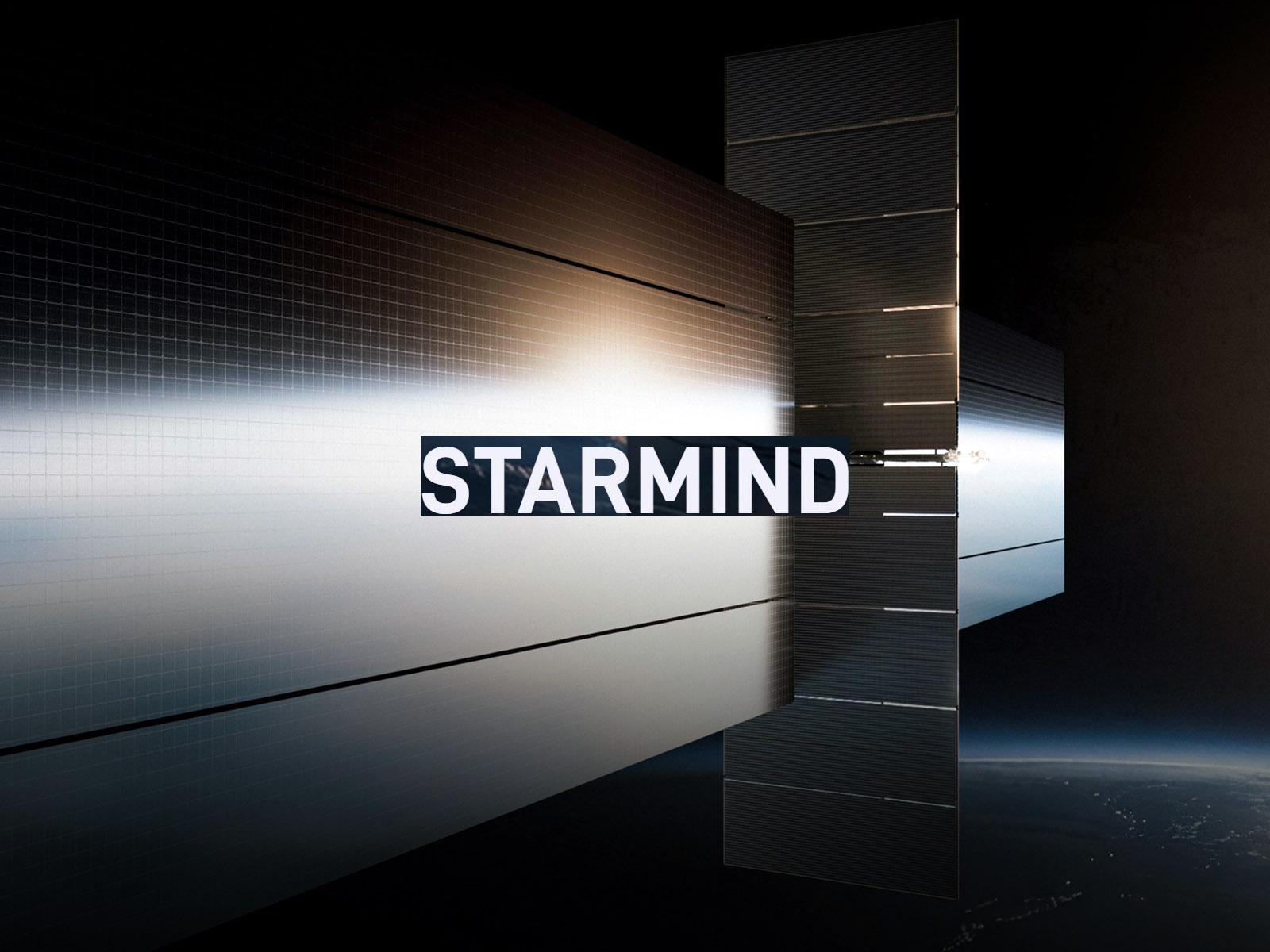
After naming its upcoming Orbital Data Center constellation Starmind, SpaceX is now moving along with the project aiming to move AI computing power from Earth to space.
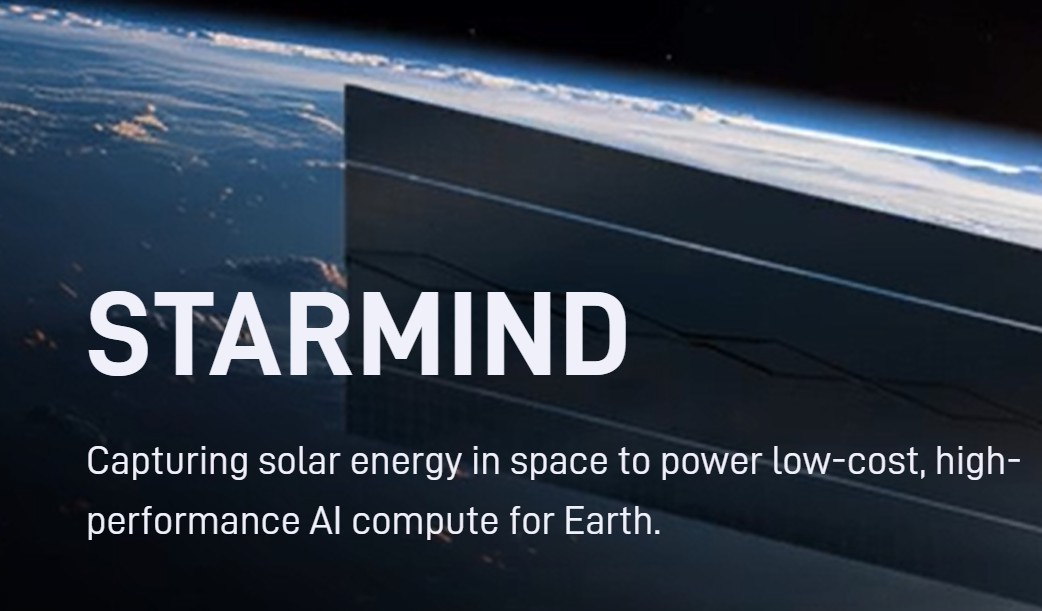
It has pulled back the curtain on its orbital ambitions a little further, launching a dedicated website for Starmind. The site fleshes out details on the AI1 satellite that will actually build the constellation with up to a million units and will be able to take AI chips from any manufacturer, be it Nvidia or Tesla's Terafab 2 nm foundry itself.
SpaceX Starmind AI1 satellite specifications
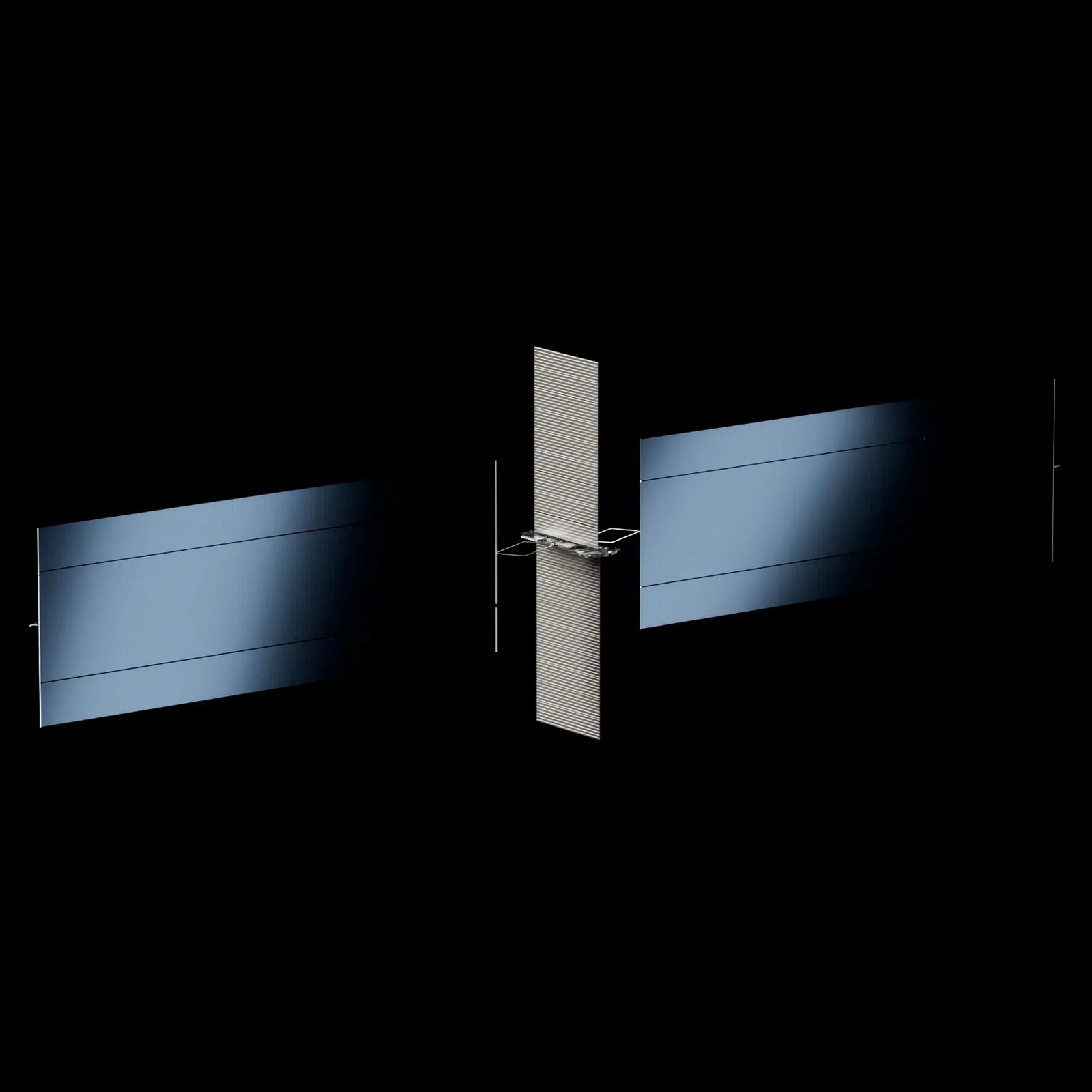
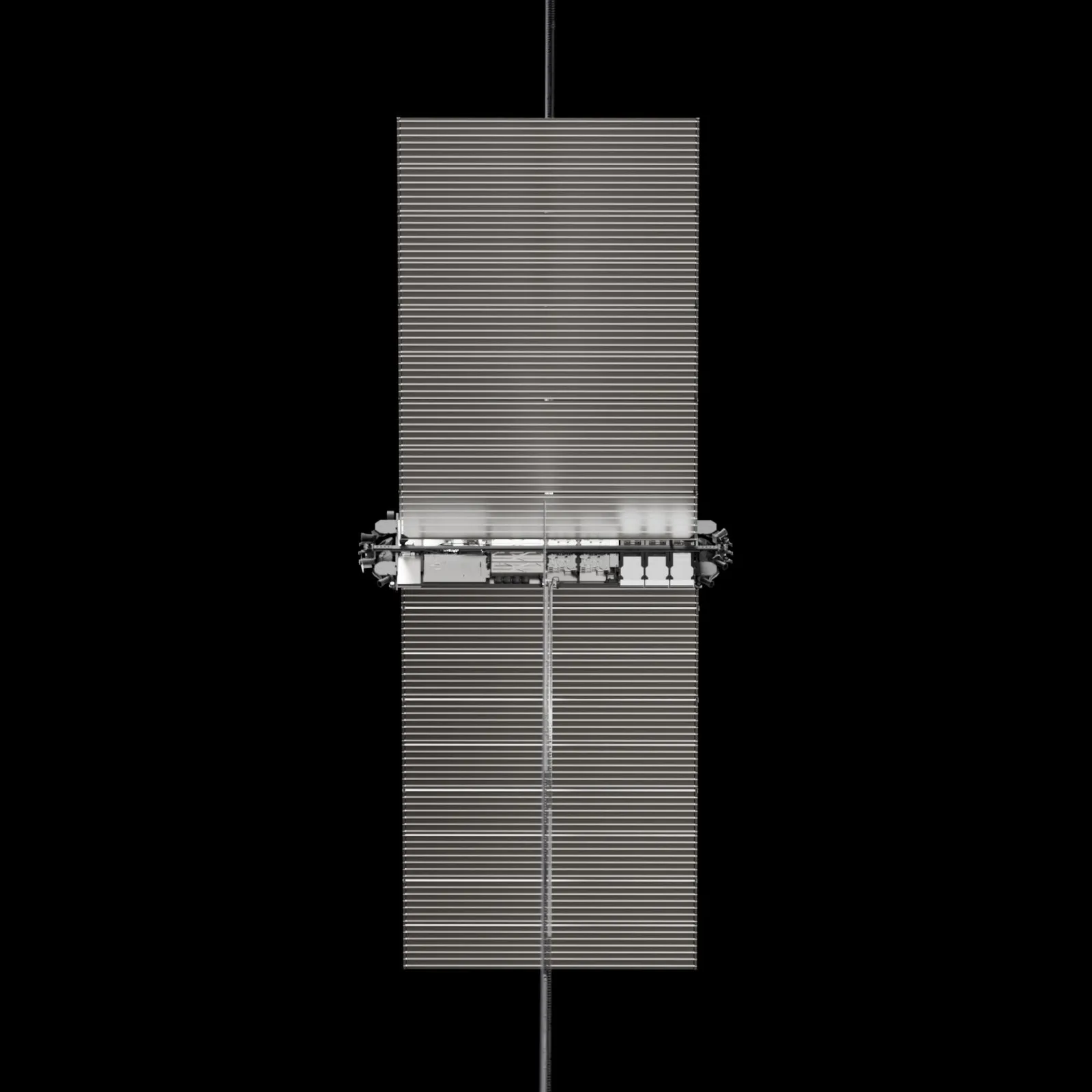
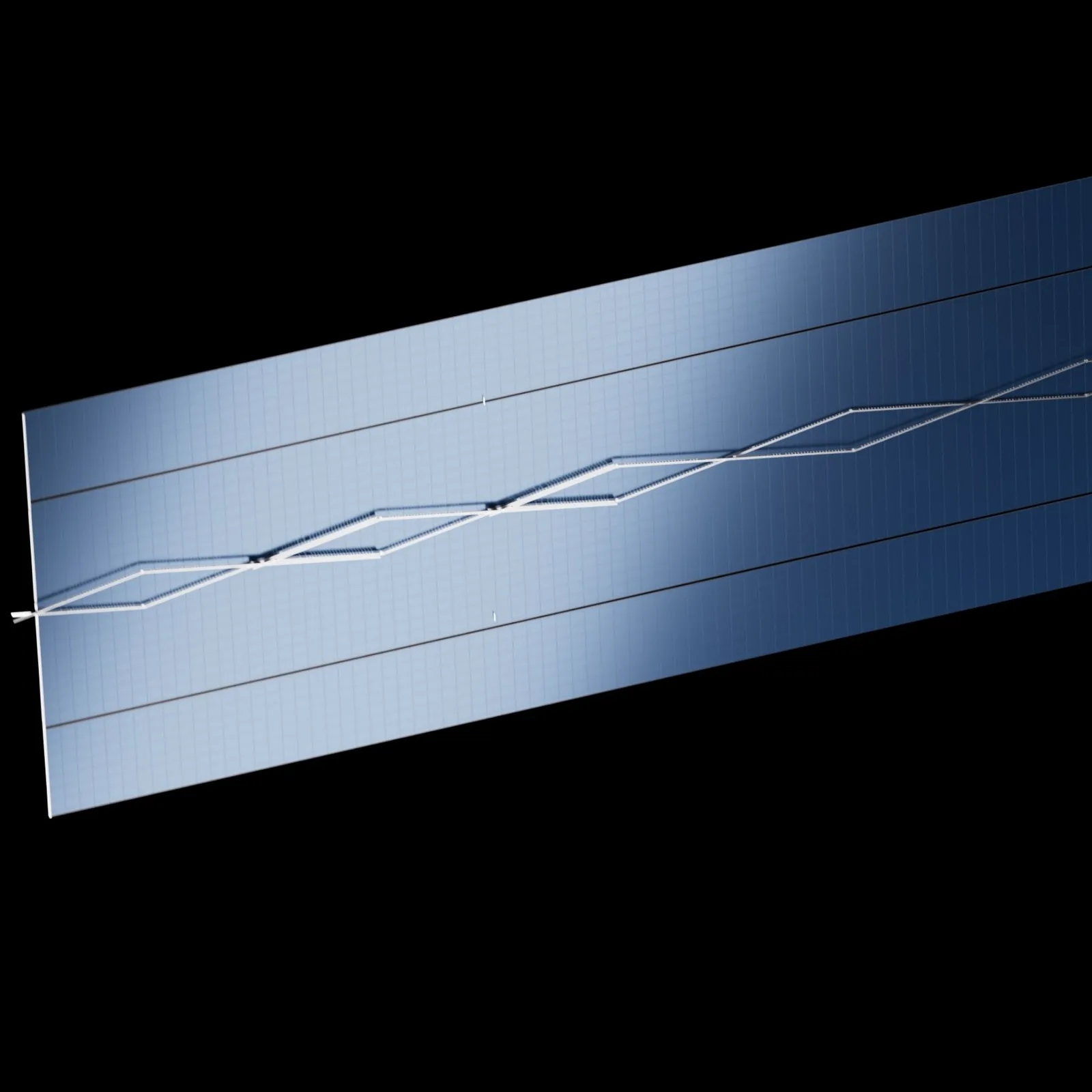
Each AI1 unit is designed to average 120 kW of AI computing power, with a peak of up to 150 kW, putting a single satellite roughly on par with a modern terrestrial-based server rack. The hardware is not very compact, though: the design stands 20 meters tall with a fully unfolded wingspan of 70 meters, wider than a Boeing 747's fuselage, hence the need to use SpaceX's upcoming Starship rocket for launches.
That AI1 satellite bulk comes largely from the solar arrays needed to keep the compute payload fed, with the satellites expected to operate at an altitude of around 600 km so as not to clash with the up to 100,000 Starlink Gen3 units, themselves as big as a Boeing 737, that will be situated below.
Rather than beaming internet traffic to a Starlink Mini dish like Gen2 and Gen3 satellites, though, Starmind units are designed to crunch AI inference workloads directly in orbit, passing results between each other via laser links before handing them off to Starlink for a trip back down to ground stations.
The Starmind website reminds us that space offers free solar power around the clock, natural vacuum cooling, and none of the zoning fights or water-supply concerns that increasingly hog terrestrial AI data centers. SpaceX says that cooling will be carried out by liquid radiators of 110 m² that "reject heat into the vacuum of space" with redundant pumped loops and shielding that keeps micrometeoroids and orbital debris away.
There are plenty of issues that experts and the competition raise about the vacuum cooling ambitions, in particular, and the number of Starmind AI satellites in an already cluttered orbit in general, but SpaceX seems determined to deal with those on the fly while launching the AI1 satellites and building the constellation.
The first prototype AI1 satellites are slated to fly in early 2027, with volume manufacturing to follow later that year out of a new facility dubbed Gigasat. Whether SpaceX can scale this into the million-strong satellite constellation described in its ambitious FCC filing remains to be seen, but with Starmind now sporting its own branded website and plenty of cash on hand from the IPO, the project has clearly moved past the concept ideation stage.
Source(s)
 Add as a preferred source on Google


