




SpaceX and Tesla race to lock in high-efficiency solar panels for orbital data centers and U.S. energy push
Two of Elon Musk's most prominent companies, with a combined value of more than $2.5 trillion, are trying to secure a significant supply of high-efficiency solar panels.
Tesla and SpaceX officials have been touring Chinese solar panel companies to inspect facilities and secure orders, sending their stock prices up to 10% higher on the Hong Kong stock exchanges. "The SpaceX team mainly visits photovoltaic equipment manufacturers and has ordered from a leading domestic heterojunction equipment manufacturer," say local solar industry insiders.
The so-called heterojunction interface is used in high-efficiency solar cells, so SpaceX is evidently trying to secure a supply of the best out there. Mum's the word on which local solar company got the SpaceX business, but shares of Junda rose more than 10%.
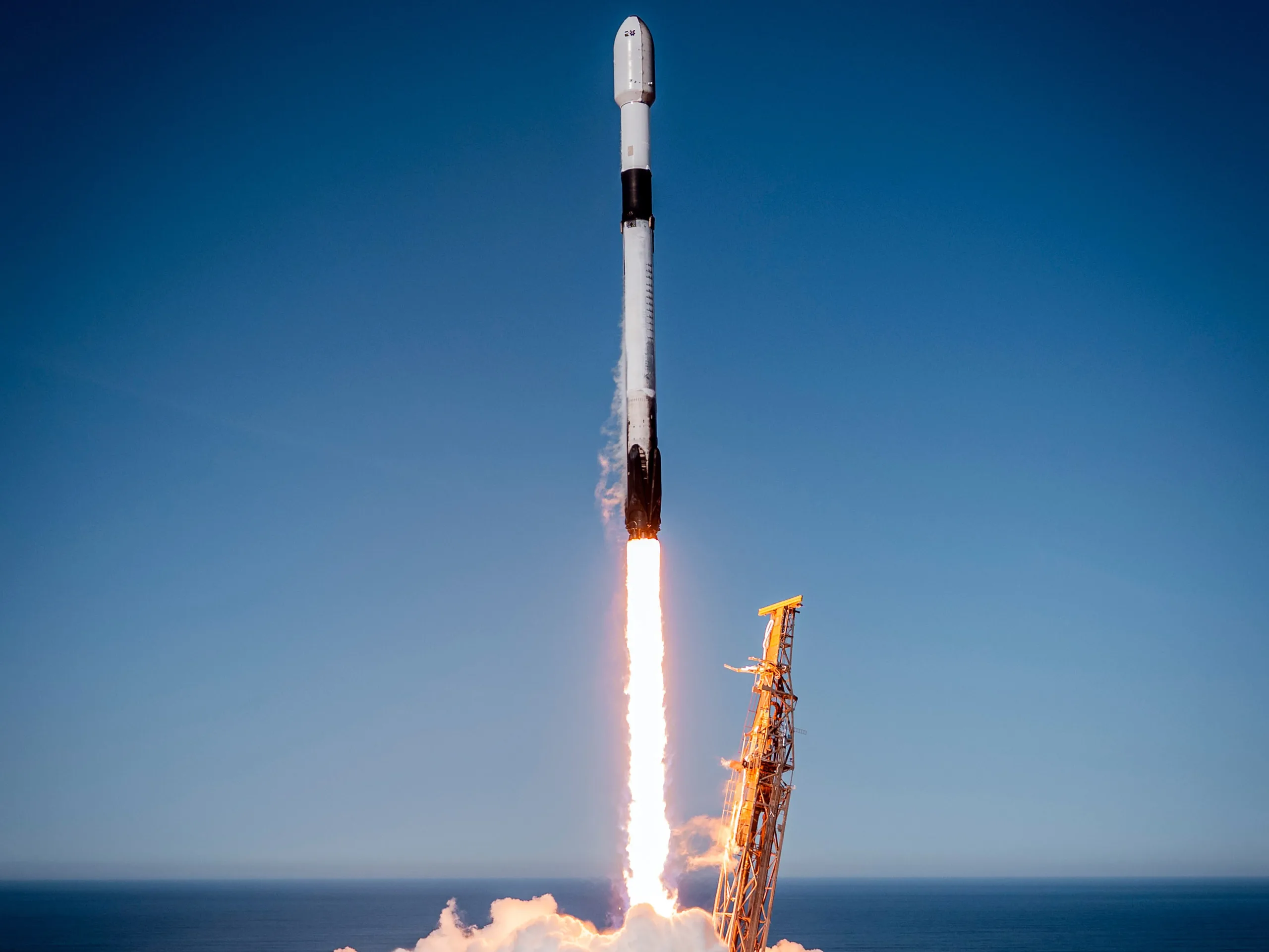
SpaceX recently asked the FCC for a permit to launch up to one million satellites that will form its so-called Orbital Data Center system, or, simply put, launch AI computing power into space with all the advantages this entails.
The AI data center satellites of SpaceX will be solar-powered at all times, removing the need for energy storage and other earthly components. SpaceX argues that "launching 1 million tonnes per year of satellites generating 100 kW of compute power per tonne would add 100 gigawatts of AI compute capacity annually, with minimal ongoing operational or maintenance needs," and the undertaking will need lots and lots of high-efficiency solar panels. That's what SpaceX is now trying to secure, as it may want to try sending a few test AI data center satellites with the pilot Starship 3 rocket launch that will also take the enormous Starlink V3 satellites into orbit.
Tesla's team has also been touring the photovoltaic production facilities, as it will be installing 200 GW of capacity over the next few years in the US. It just recently started offering its first complete energy generation kit consisting of its own solar panel, inverter, and a Powerwall 3 storage system, so it will need plenty of panels.
 Add as a preferred source on Google


