




Tesla outs first American solar panel with 18 energy zones and fast rail-less installation
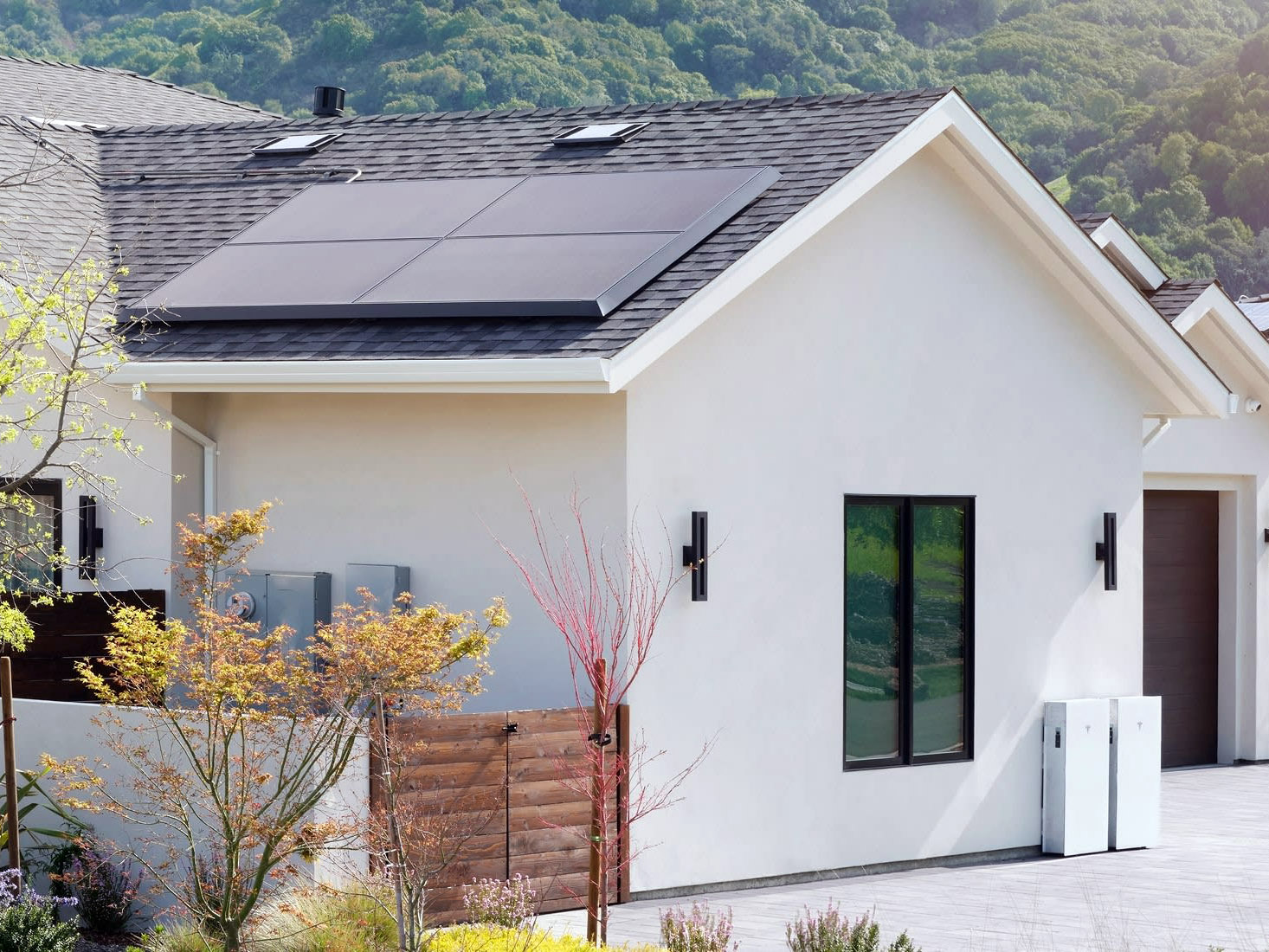
Tesla has launched its first solar panel modules that are assembled at its Buffalo, NY, factory, where it makes its Solar Roof and Supercharger piles, too.
The US-made panels complete Tesla's solar energy home ecosystem, offering an end-to-end solution of generation and storage. While a leader in energy storage and distribution with its Powerwall 3 and inverter,
Tesla has only been working with third-party solar panel manufacturers so far and has now decided to offer a complete solar energy generation and storage solution for homes.
Tesla Solar Panel specs and installation
- 420W or 415W
- 20.5% module efficiency
- Rail-less installation without clamps
- 71.1” x 44.7” x 1.57” dimensions
- 49 lbs of weight
The new Tesla Solar Panel TSP-415 and TSP-420 kits come with triple the energy generation zones of the typical third-party solar panel. This way, when part of the panel is obstructed by shading from residential pipes or chimneys, the rest of the system keeps generating energy with peak efficiency.
Tesla claims that its new solar panels are installed 33% faster and one look at their design tells why. The panels are 71.1” x 44.7” x 1.57” with the frame, or three inches more compact in either direction. The frame has grooves on it to latch to Tesla's new panel mount that, in turn, requires 15% less drilling.
Removing the rails and clamps of traditional solar panel installation speeds up the process significantly, as any rooftop solar installer would attest for similar rail-less solutions, hence Tesla's claim that its new system installs a third faster.
Thanks to the new TSP modules, Tesla is now selling a complete Home Energy Ecosystem together with its Solar Inverter and Powerwall 3. The modules can also be bought separately but are really designed to go best together for faster, easier installation. The kit can be installed both by Tesla itseld, or by its network of third-party installer partners.
Tesla Energy will continue selling its pricey Solar Roof as a complete solution, while at the same providing installers with more traditional modules that piggybacks on the original cascading cell technology for lower roof profile and added aesthetics.
With the launch of its own solar panels, Tesla is closing the full Home Energy Ecosystem circle in order to lower purchase and installation costs in a time when the White House adminstartion is nixing both residential and commercial solar energy generation tax credits.
 Add as a preferred source on Google


