




PS6 specs leak: Sony to pack hybrid RDNA 5 GPU in PlayStation 6 amidst pricing concerns
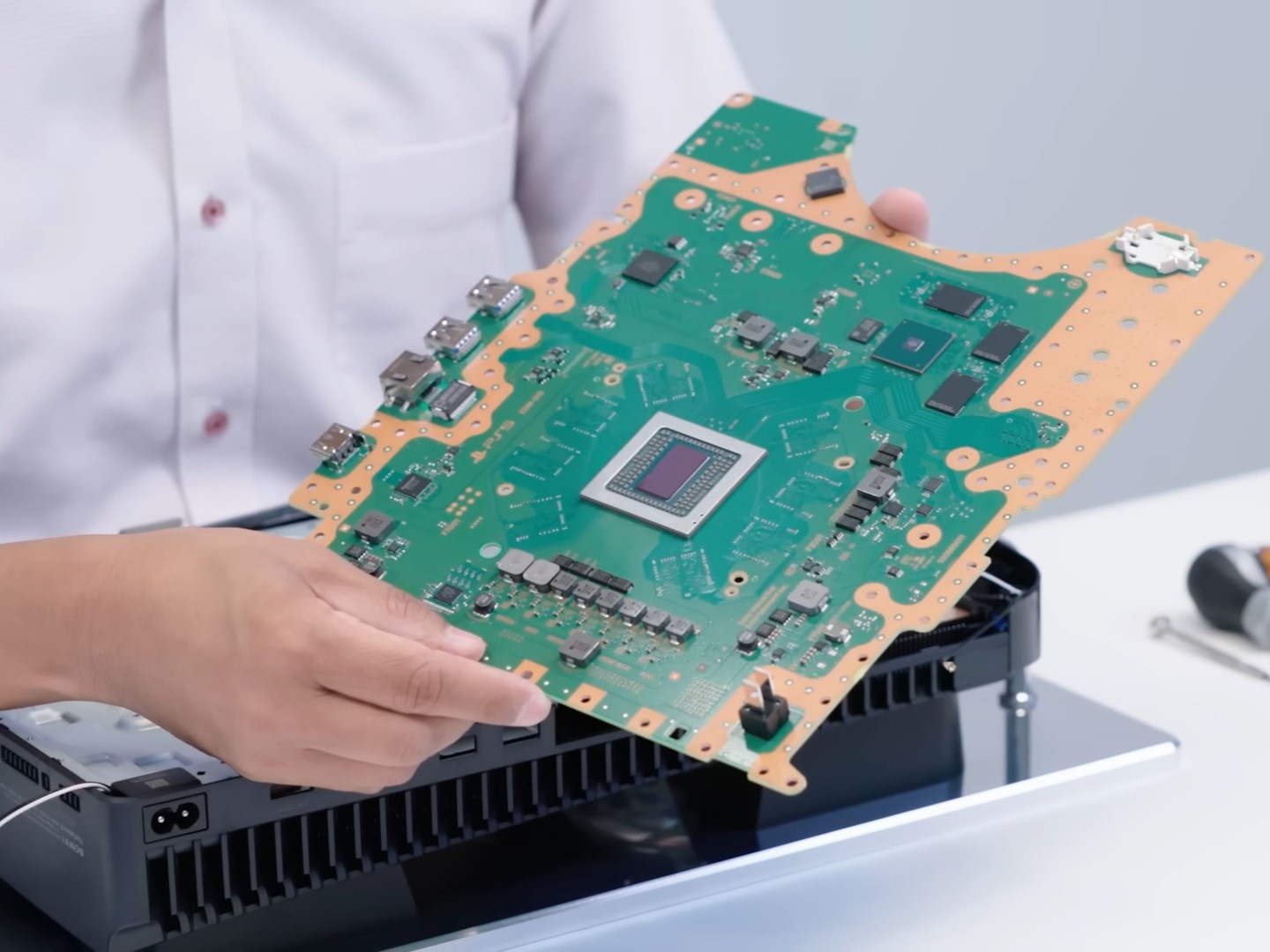
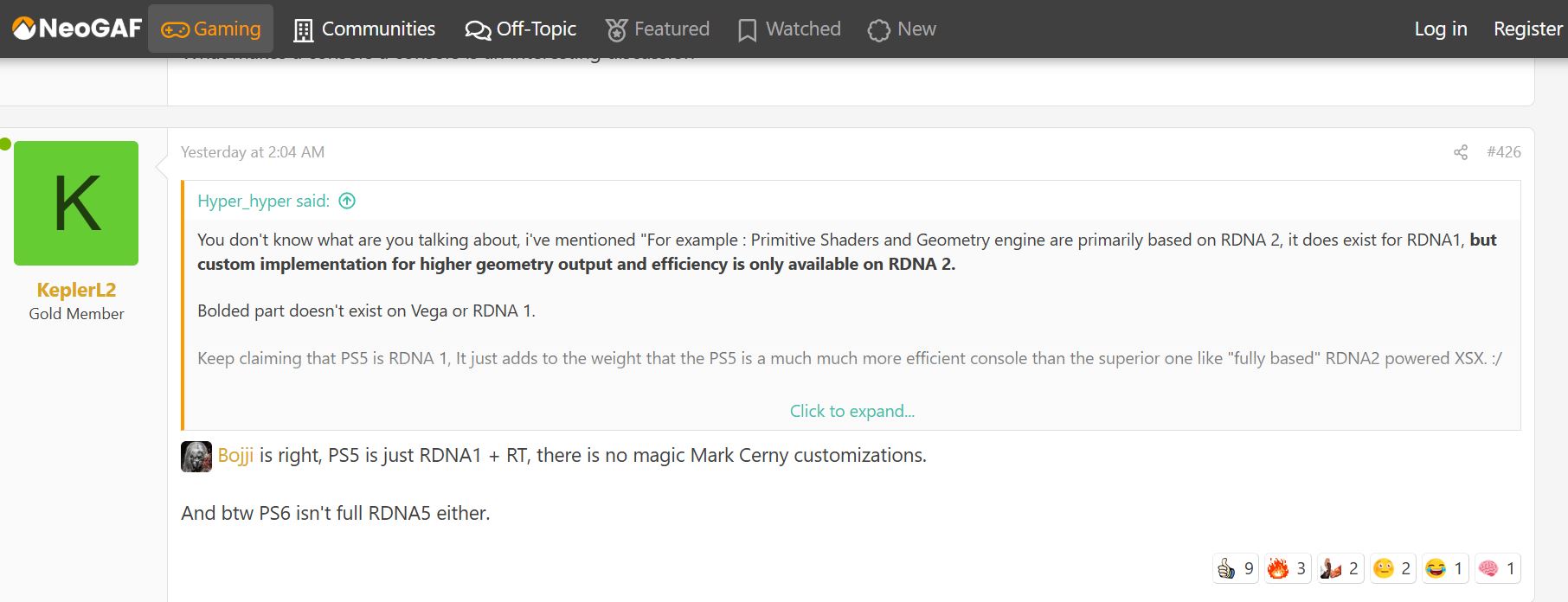
KeplerL2, a reliable insider, has claimed that the Sony PS6 won’t use the full AMD RDNA 5 GPU architecture. Rather, the PS6 is set to feature some but not all RDNA 5 features. While we don't know the exact motivations for Sony's alleged decision, it is reasonable to assume that this mix of RDNA 5 with older technologies is to keep the costs down.
The PS6 is rumored to feature a Zen 6 CPU and 30 GB of memory, which, in the current market, will be quite expensive. So, Sony needs to find cost savings somewhere. The hybrid RDNA 5-based graphics and a novel way to reduce storage use could be such attempts.
Kepler explains that Sony used a similar strategy in the PS5, where the iGPU of the console is primarily based on the RDNA 1 architecture, but with ray tracing support baked in. We also know that the PS5 Pro uses RDNA 4 tech for its ray tracing prowess. So, the PS6 going down the same road is hardly surprising. What we are more interested in, however, is the final price of the PS6 and how it relates to the reportedly expensive next-gen Xbox.
Next-gen Xbox could be over $1,000, PS6 needs to undercut it
The next-gen Xbox console, which is rumored to be a Windows PC in disguise, is expected to be much more expensive than the Xbox Series X. Sony can’t afford to price the PS6 closer to the next Xbox, as value proposition is one of the key drivers of console sales. Microsoft can hide behind the “Xbox is a PC now” label to justify the increased price, but Sony can’t.
The Sony PlayStation 6 is expected to come out in 2028. We are currently navigating a tricky memory market with rising RAM, SSD, and GPU prices. While analysts see no respite anytime soon, there is a chance that market conditions could improve by 2028. This could allow Sony to offer a meaningful upgrade over the PS5 without a hefty price increase. We’ll have to wait and see.
Source(s)
KeplerL2 on NeoGaf, Insider Gaming, Teaser image source: Kerde Severin on Unsplash
 Add as a preferred source on Google


