


Seiko's new retro quartz clock promises just 30 seconds of drift per year and three-year battery life
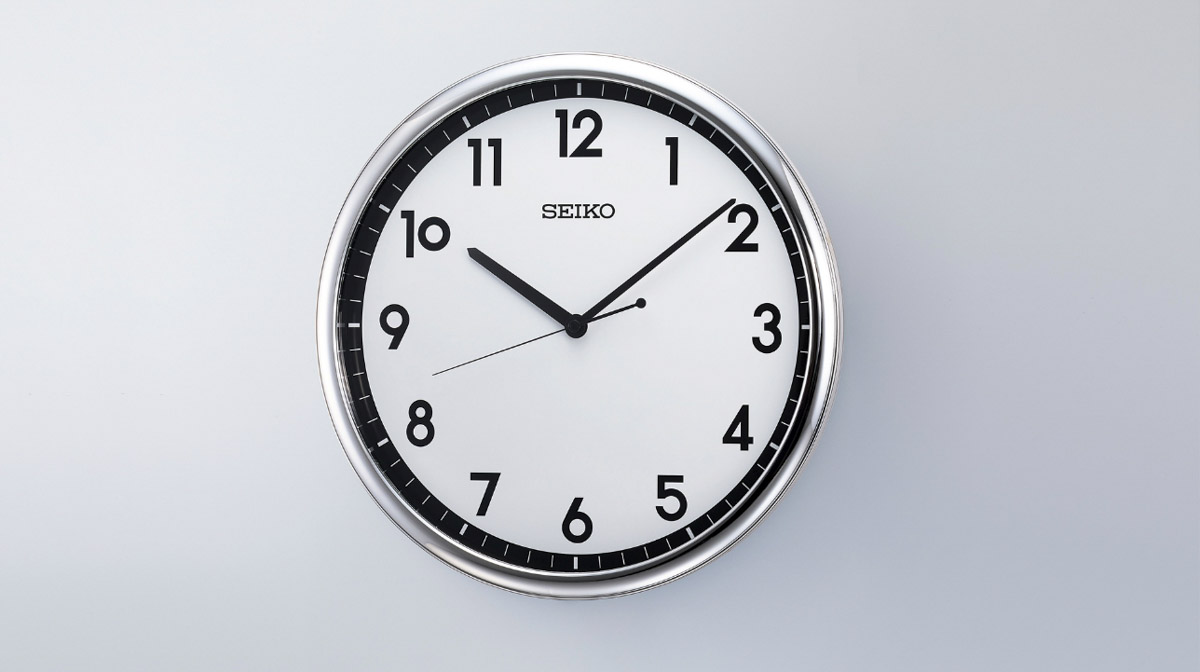
Seiko has announced the KX701S, a new quartz wall clock that combines a design inspired by the company's 1968 SPX-961 with a newly developed high-accuracy movement. The Japanese manufacturer claims the clock will gain or lose no more than 30 seconds per year under specified temperature conditions, while running for approximately three years on a single coin-cell battery.
The KX701S takes inspiration from the Spiral Crystal Wall Clock SPX-961, introduced in June 1968. Seiko describes the original as the world's first household quartz wall clock, offering more than ten times the accuracy of conventional mechanical wall clocks at the time. The SPX-961 was subsequently recognised by Japan's National Museum of Nature and Science as part of its Future Technology Heritage programme in 2020.
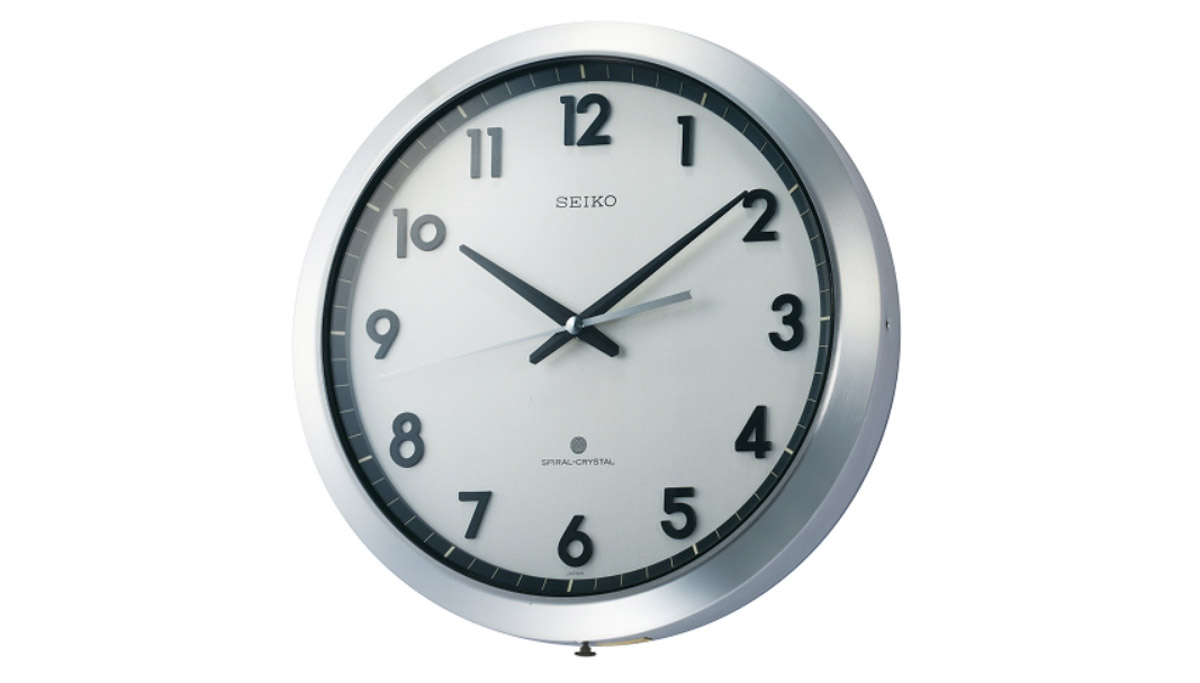
The new model retains elements of the original's metal dial and distinctive Arabic numerals, while introducing revised hour and minute hands intended to improve readability from a distance. Its dial combines white markings with a contrasting black outer section, giving the clock a distinctly retro appearance.
The most significant change, however, is inside. According to Seiko's official announcement, many of its existing quartz wall clocks use movements rated at approximately ±20 to 30 seconds per month. The newly developed movement in the KX701S reduces that stated deviation to ±30 seconds per year, representing an eightfold to twelvefold improvement when comparing the manufacturer's quoted accuracy limits.
According to the official KX701S product specifications, the annual accuracy rating applies when the clock is used at temperatures between 5°C and 35°C. Seiko separately specifies an operating temperature range of -10°C to 50°C.
The KX701S also features a silent sweeping seconds hand and runs on a single lithium coin-cell battery, with an estimated battery life of three years. Measuring 314 × 314 × 36 mm and weighing approximately 770 g, the clock is scheduled to launch in Japan on November 20, 2026, priced at ¥27,500 (including tax).
Source(s)
 Add as a preferred source on Google


