


Samsung posts record $80 billion profit as mobile and networks businesses lose $450 million
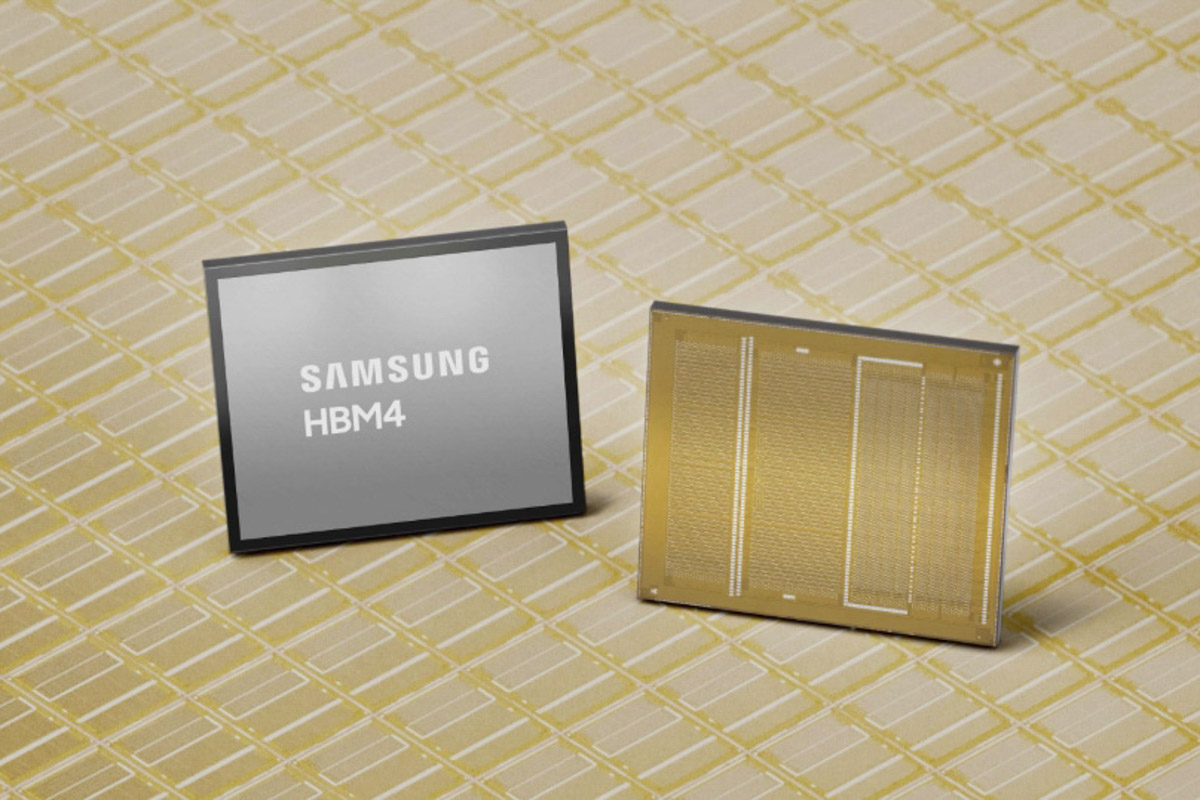
Samsung Electronics has reported record quarterly operating profit of KRW 107.4 trillion (approximately $80 billion) for the third quarter of 2026. However, the company's Mobile Experience (MX) and Networks businesses recorded a combined operating loss of KRW 600 billion (approximately $450 million), highlighting the contrasting fortunes of its semiconductor and consumer-device operations.
According to Samsung's financial results published on 29 October 2026, consolidated revenue reached KRW 195.3 trillion, an increase of 14% from the previous quarter. Samsung says it is the first technology company to surpass KRW 100 trillion in quarterly operating profit.
The company's Device Solutions division, which includes its semiconductor operations, generated KRW 147.1 trillion in revenue and KRW 106.5 trillion in operating profit. This accounted for approximately 99% of Samsung's total operating profit.
Samsung attributed the semiconductor division's performance to strong demand for memory products used in artificial intelligence infrastructure. The company reported increased sales of high-bandwidth memory (HBM4) and server storage products, alongside higher memory prices across multiple applications.
The situation was markedly different for Samsung's consumer-facing businesses.
Its Mobile Experience and Networks operations generated combined revenue of KRW 37.7 trillion, supported by stronger sales of flagship smartphones, including new foldable Galaxy devices. Nevertheless, the businesses reported an operating loss of KRW 600 billion.
Samsung said earnings improved compared with the previous quarter, helped by a more favourable mix of flagship products, but declined year-on-year because of cost pressures.
The wider Device eXperience division, which includes smartphones, networks, televisions and household appliances, reported an operating loss of KRW 800 billion.
The figures illustrate how Samsung's semiconductor business is benefiting from the AI-driven memory boom while its consumer-device operations face pressure on profitability. Higher memory prices are helping Samsung's chip business, although Samsung's financial release does not quantify their impact on the profitability of its Mobile Experience and Networks businesses.
Looking ahead, Samsung expects AI-related demand for memory products to remain strong in 2027, with infrastructure investment continuing to drive demand for HBM, server DRAM and SSDs.
For its mobile business, Samsung plans to focus on premium Galaxy smartphones, product differentiation and operational efficiency to improve profitability.
The results reveal an unusual contrast within one of the world's largest technology companies: Samsung is earning record profits from the components powering the AI boom, while its mobile and networks operations are struggling to remain profitable.
Source(s)
 Add as a preferred source on Google


