




Roblox is finally letting developers escape the platform with "Roblox Everywhere"
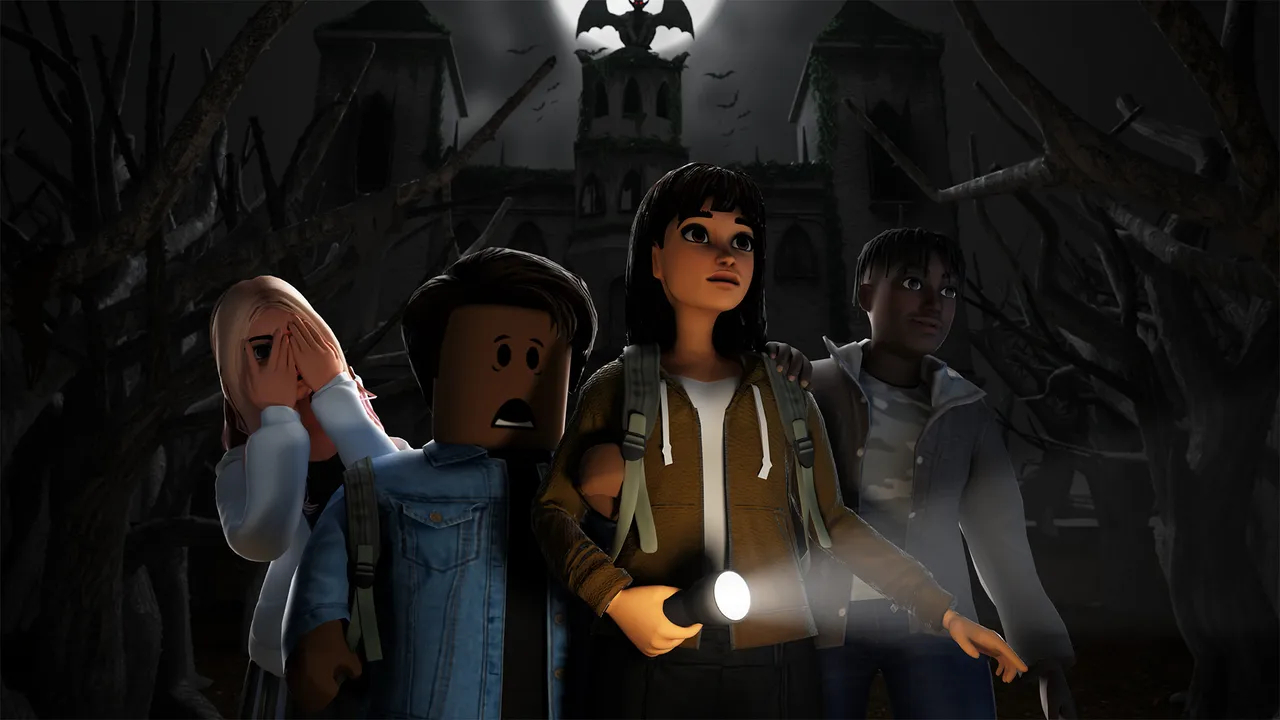
Roblox has announced a major shift in how its creator-made games reach players. At this year's Roblox Developers Conference, the company unveiled "Roblox Everywhere," an initiative that will let developers publish their games as standalone apps across mobile, PC, and consoles. This means makers of hits like Steal an Egg and Welcome to Bloxburg could soon list their games on Steam, the App Store, or Google Play, entirely separate from the main Roblox client.
Revenue sharing is here to stay
The key detail that developers will be watching closely is the revenue share. A Roblox spokesperson told Game Developer that the first wave of creators selected for this program will "benefit from the same revenue-share economics that the Roblox app offers". That includes a higher DevEx rate for age-verified users over 18 in the US. So while the games may be leaving the platform, the money still flows through Roblox's pipes.
Roblox isn't confirming exactly which storefronts it will support at launch. A company representative told PC Gamer that it "will start with a select set of gaming developers and storefronts to test, and will share more details soon". When pressed on whether Steam, Epic, or GOG were on the table, Roblox said it hopes to let developers release standalone games via every storefront available.
The standalone app plan comes alongside a suite of other developer-focused changes. By the end of 2026, players will be able to join Roblox games directly in a browser, starting with Chrome, without installing anything. Offline single-player support is also in the works, entering early access before a full release in mid-2027. On the engine side, Roblox is adding an orthographic camera, animated image containers, direct sprite-sheet imports, and expanded AI tools, including a prompt-to-scene generator.
A monetization overhaul in tow
Monetization is getting an overhaul too. The new "Roblox Wallet" will let creators earn directly in real currency, with payments rolling out to independent US creators in December before expanding internationally in 2027. A physical "Roblox Card" will follow in 2027, letting creators spend their balance anywhere the card is accepted.
Roblox's most recent quarterly results showed a 36% revenue increase to $1.5 billion, but the company fell short due to reduced per-hour monetization among younger users. Chief Financial Officer Naveen Chopra attributed the dip to a shift in engagement toward games with lower hourly monetization, compounded by changes to the recommendation algorithm. Letting developers distribute their games more widely, and potentially reach older audiences on other storefronts, could help address that gap.
For the creators who have spent years building inside Roblox's walled garden, this is a genuine shift. The games they make can now exist outside the platform that birthed them. The question is whether players will follow them there, or simply wait for the browser version to load.
Source(s)
 Add as a preferred source on Google


